
Oregano oil has gained attention as a dietary supplement due to its potential health benefits. However, while it may benefit the body in several ways, it is not suitable for everyone, reports EatingWell.
There is a difference between the oil and the herb
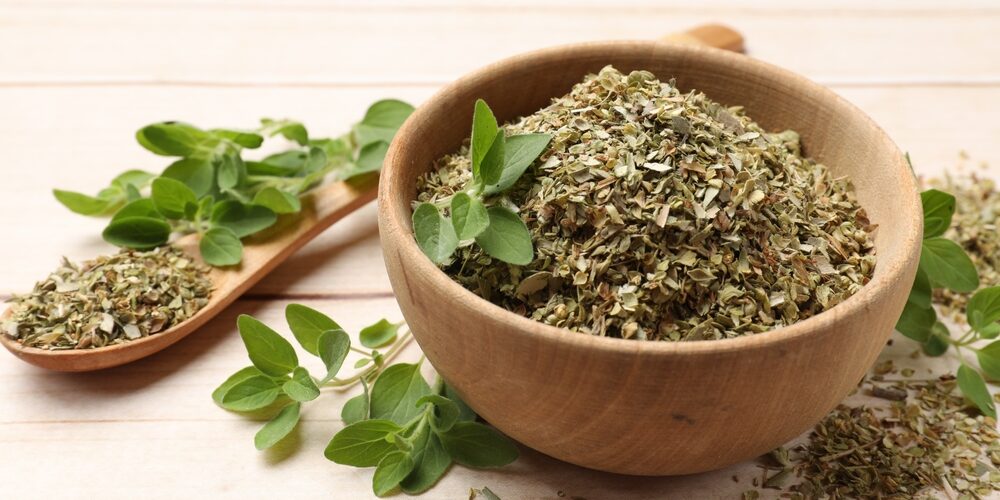
While oregano is commonly used in cooking, its oil contains concentrated amounts of the plant’s active compounds. Oregano also has a long history in traditional medicine, where it has been used for respiratory and digestive problems.
The recommended dose varies between products

There is no universally recommended dose of oregano oil. The concentration of active compounds can vary considerably between supplements, making it important to follow the instructions on the packaging.
It may promote a healthier gut
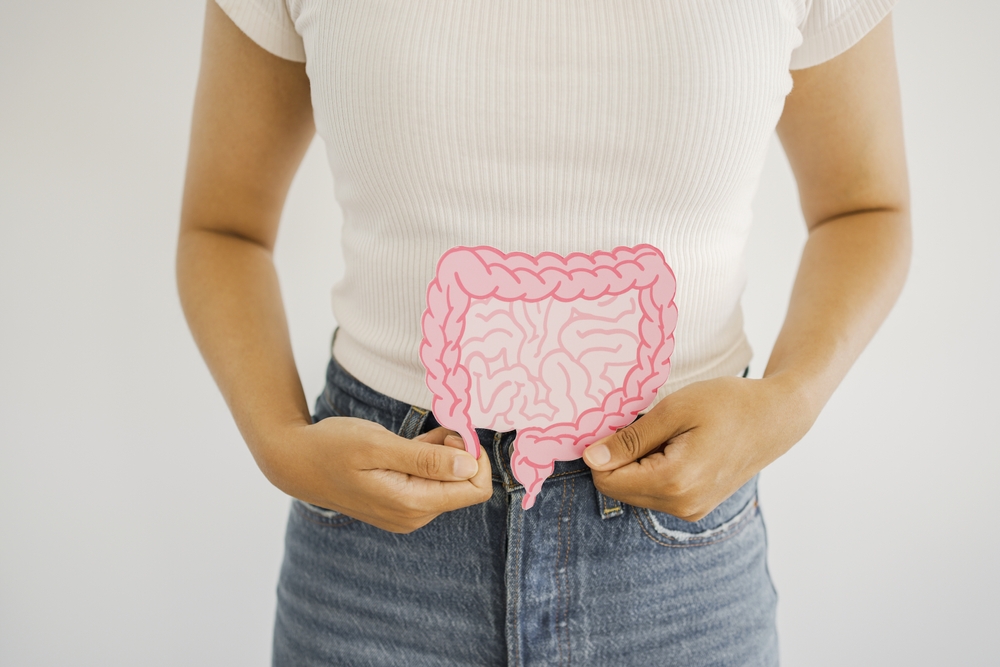
The antibacterial properties of oregano oil may help limit the growth of unwanted bacteria in the digestive system. A small study showed promising results when the oil was included in a treatment regimen for small intestinal bacterial overgrowth.
Also read: 8 warning signs of iron deficiency anemia most people write off as tiredness
It may support recovery after exercise

Researchers examined the effects of oregano oil in 24 soldiers. The results showed that supplementation was associated with lower levels of muscle damage markers and increased antioxidant capacity. However, larger studies are needed.
Taking too much may cause side effects
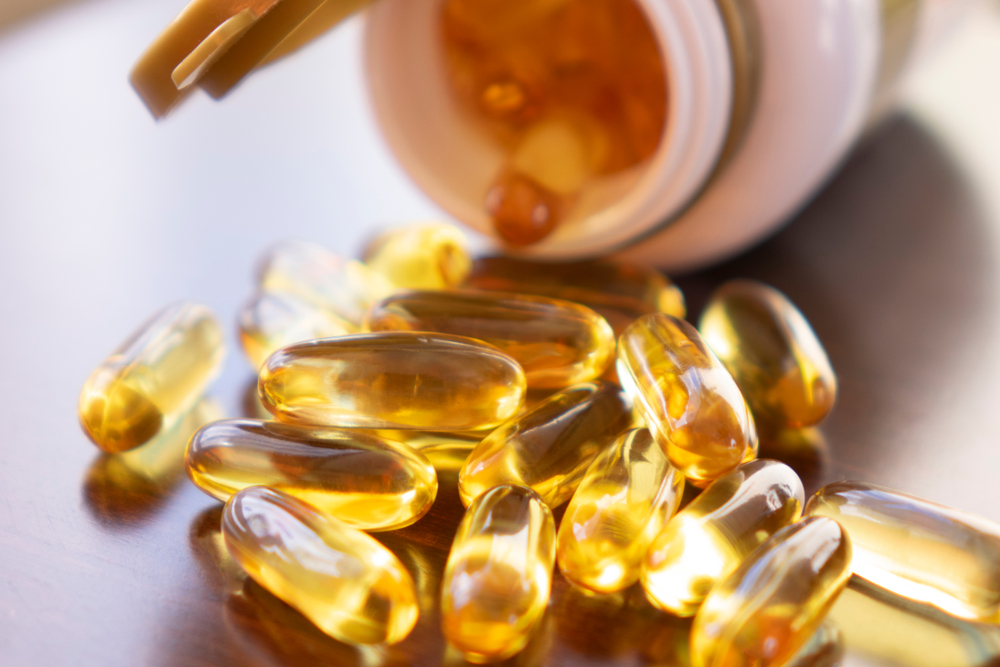
Although oregano oil is generally well tolerated when used as directed, excessive intake may cause discomfort. Potential side effects include nausea, heartburn, diarrhea, constipation, vomiting, dizziness and headaches.
It contains natural antioxidants

One of the compounds found in oregano oil is rosmarinic acid, which may help protect the body against damage caused by free radicals. The plant also contains other antioxidants that may help reduce oxidative stress.
It may benefit oral health
Research has shown that oregano oil can combat bacteria associated with tooth decay. The oil has also demonstrated potential in reducing plaque formation and bacterial acid production.
Also read: Common medications may leave a lasting mark on your gut
Some people should avoid it

Pregnant and breastfeeding women should avoid taking oregano oil supplements. People with allergies to related plants, such as basil and mint, may also experience adverse reactions.
It may support the immune system

The naturally occurring compounds thymol and carvacrol have properties that may help combat bacteria, viruses and fungi. This is one of the reasons oregano oil is used as a supplement to support immune health.
It may help reduce inflammation

Chronic inflammation plays a role in conditions such as diabetes and cardiovascular disease. Carvacrol, a compound found in oregano oil, has demonstrated anti-inflammatory properties that may help reduce inflammation in the body.
It may interact with medication
People taking blood thinners, diabetes medication or other dietary supplements should be particularly cautious. Consulting a healthcare provider before taking oregano oil is recommended.
Also read: Flesh-eating parasite returns to the US after 60 years
Product quality matters

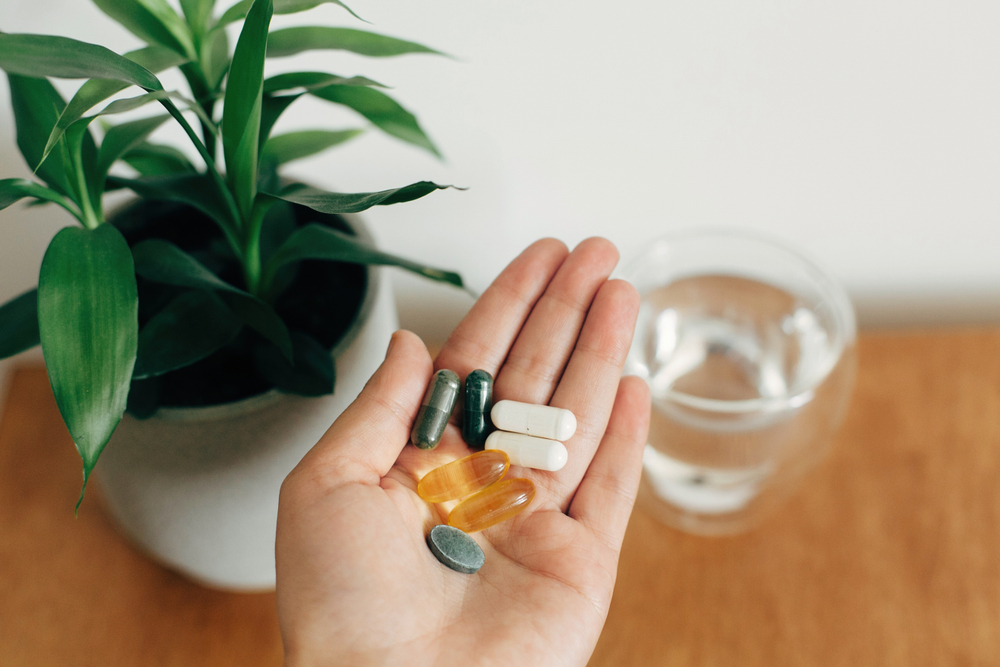
Oregano oil is available in both liquid and capsule form. Regardless of which option you prefer, choosing a product with minimal additives and independently tested ingredients may help ensure its quality.
Also read: 8 early warning signs of nerve damage in your feet most people blame on aging
This article is made and published by Mie Hermansen, who may have used AI in the preparation.