
Weight loss isn’t just about eating less and exercising more.
According to the board-certified Family and Obesity Medicine physician Dr. Jennah Siwak, there are deep-rooted biological, psychological, and environmental factors that work against your efforts, often without you even realizing it.
Here are some key reasons why weight loss can feel so difficult, and what you can do to move forward.
Your brain is wired to fight weight loss

The hypothalamus in your brain has evolved to protect body fat, not lose it. When fat levels drop, your brain triggers hunger and cravings to restore what’s lost.
Also read: Bloated belly? Here are 13 simple tricks to beat the bloat fast
Leptin levels drop and increase hunger

Leptin, a hormone produced by fat cells, decreases when you lose weight. This signals starvation to your brain, increasing hunger and food-seeking behavior.
Your metabolism slows down during weight loss
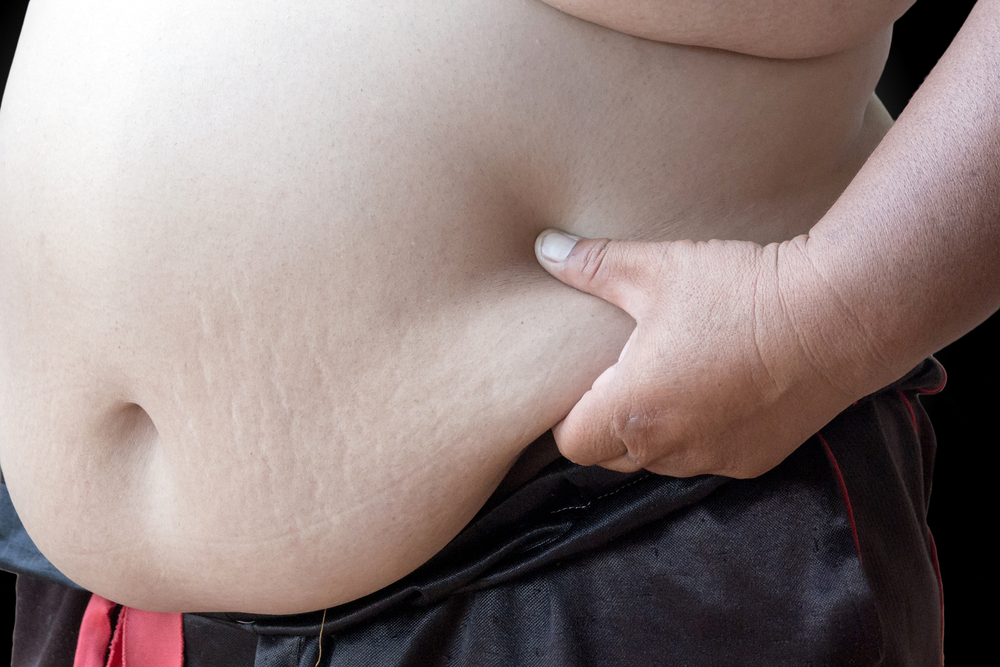
As you lose weight, your metabolism adapts by burning fewer calories, even at rest. This biological reaction makes it harder to keep losing weight over time.
Genetics plays a big role

Research shows that 40–70% of body weight is genetically determined. Some people are genetically predisposed to gain weight more easily – and that’s not their fault.
Stress makes you eat more

Chronic stress elevates cortisol, which not only boosts your appetite but also increases cravings for high-calorie comfort foods.
Also read: Everyday foods that could ease your overactive bladder
Poor sleep disrupts hunger hormones

Lack of sleep raises ghrelin (the hunger hormone) and reduces leptin, which leads to increased appetite and reduced ability to resist temptation.
Your environment makes weight loss harder

If you live in a food desert or work irregular hours, your access to healthy food and routine is compromised, making it harder to eat well consistently.
Some medications promote weight gain
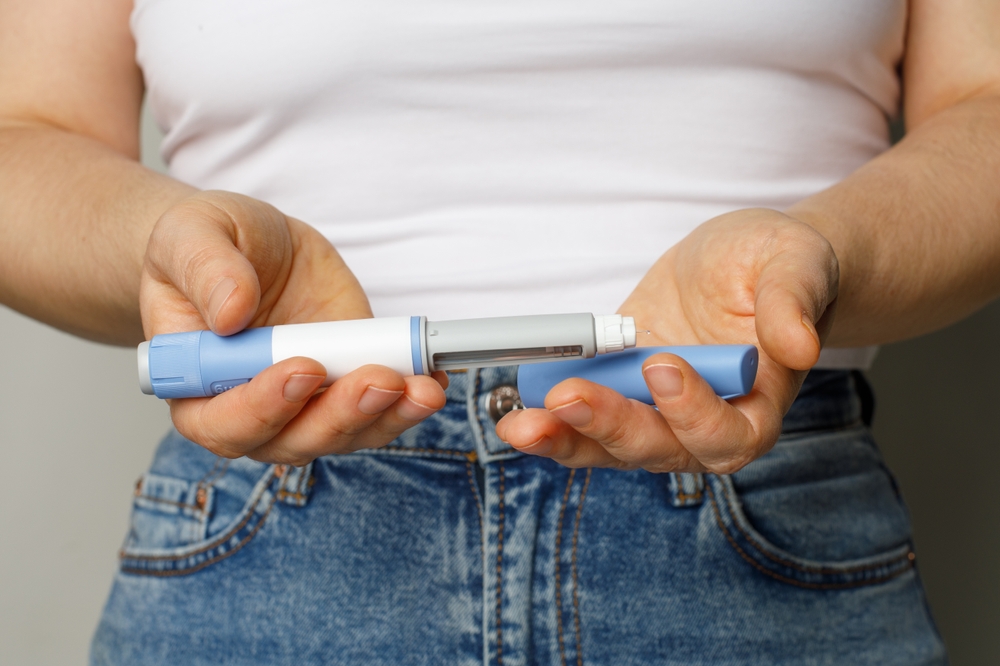
Drugs like antidepressants, steroids, insulin, and certain birth control methods can cause weight gain regardless of diet and exercise efforts.
Weight loss plateaus are totally normal
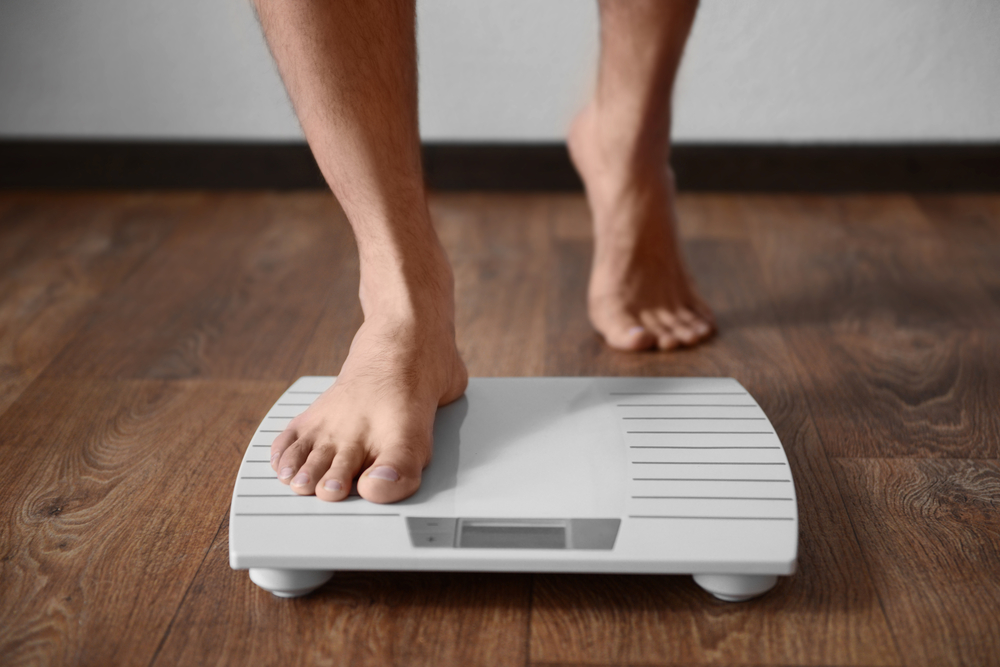
Weight loss isn’t linear. Plateaus happen when your metabolism adapts, your calorie deficit shrinks, or other factors like sleep and stress interfere.
Also read: These Symptoms Might Mean Your Thyroid Is Out of Balance
You may be moving less without realizing it

After weight loss, your body naturally reduces unconscious physical activity which means you burn fewer calories without noticing.
Crash diets rarely work long term
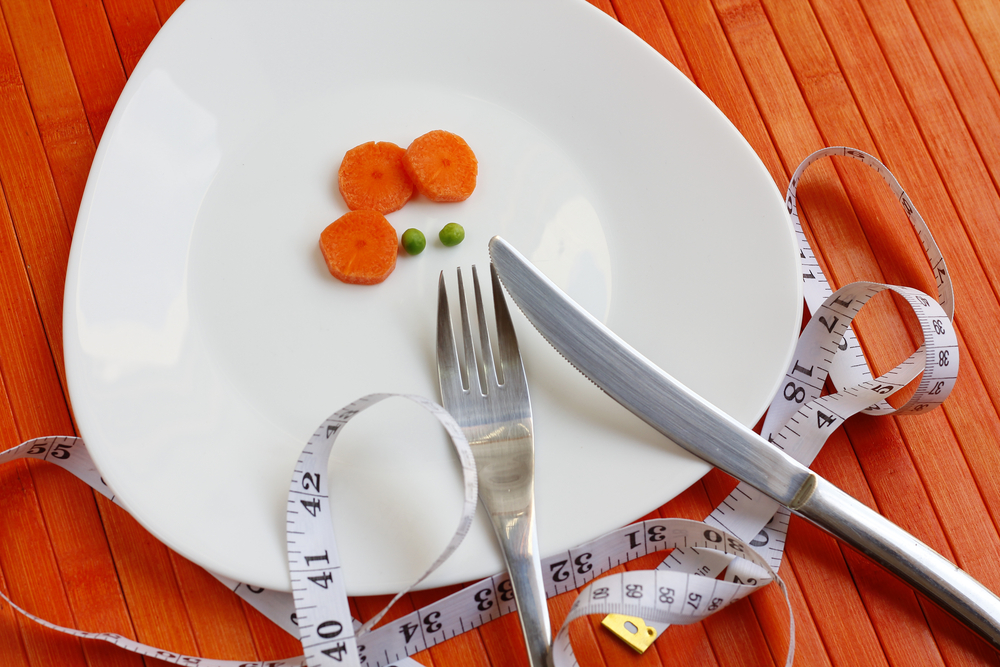
Extreme diets can lead to quick results, but they often result in muscle loss, metabolic slowdown, and eventual rebound weight gain.
Your body defends a "set point"
The body tends to protect a certain weight range. Trying to drop below this set point triggers strong biological resistance.
Emotions often drive eating behavior

Emotional eating caused by boredom, anxiety, or sadness can sabotage weight goals – often subconsciously.
Also read: Turning 60? Here’s What to Leave Behind for a Happier, Healthier Life
Conflicting diet advice creates confusion

With so many competing messages (low carb, fasting, keto), it’s hard to know which path actually works for your body and lifestyle.
Unrealistic expectations set you up to fail
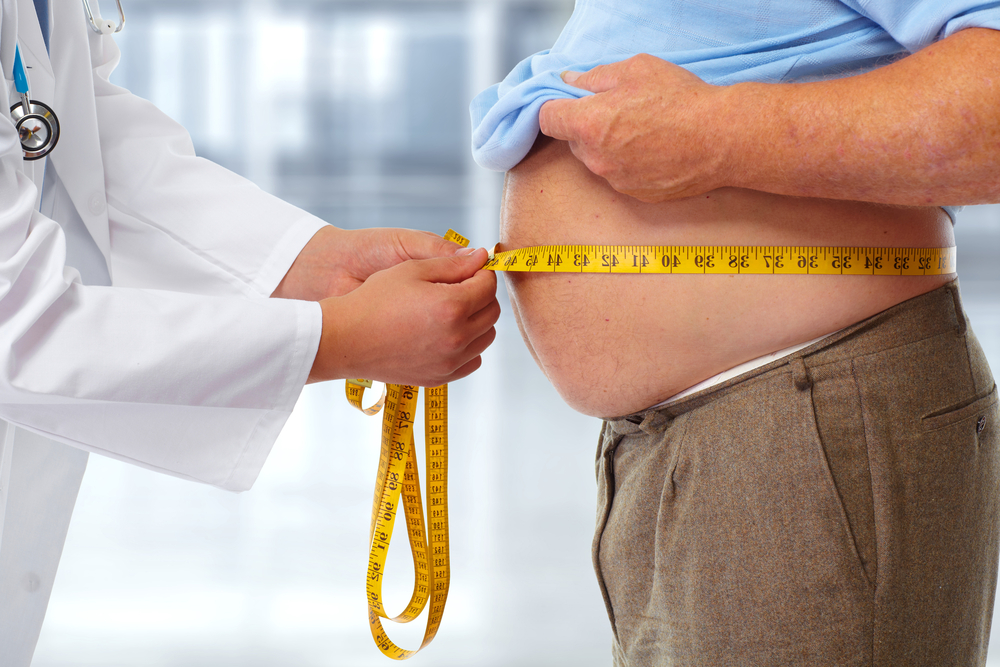
Expecting fast, dramatic weight loss can lead to frustration and burnout. Sustainable progress is slow and steady.
Exercise is important – but not enough on its own

While essential for health, physical activity alone rarely leads to major weight loss unless paired with dietary changes.
Weight loss is not a straight line
Daily weight fluctuations are normal due to hydration, hormones, and digestion. It doesn’t mean you’re doing something wrong.
Also read: These foods and habits can worsen IBD symptoms
You might lack support

Social support and professional guidance can make a big difference. Trying to do it all alone increases the risk of giving up.
Your body thinks weight loss is a threat

From a survival standpoint, fat loss is dangerous. That’s why your body activates every possible defense mechanism to keep its energy stores.
Weight loss takes time and consistency
According to Dr. Siwak, the recommended pace is 1–2 pounds per week for up to six months. Faster isn’t always better or healthier.
This article is based on information from Healthline.com.