
Arm strength is essential for lifting, pushing, and carrying objects in daily life. But how strong should your arms be for your age?
This simple push-up test will help you determine if your upper body strength is where it should be—and how to improve it if needed.
How to Measure Your Arm Strength
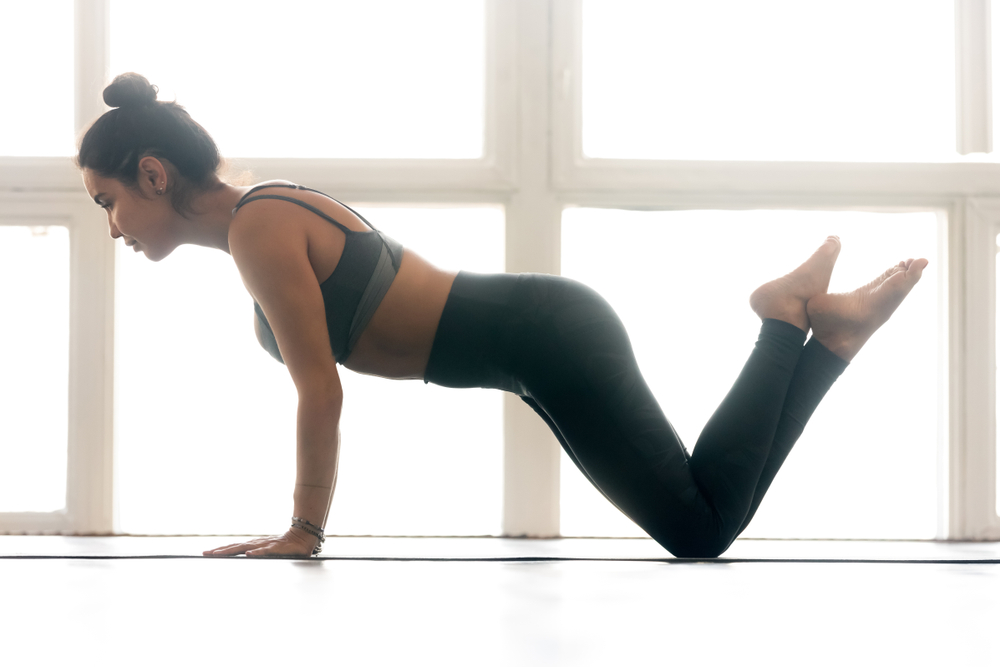
A push-up test is a great way to assess upper body strength. Here’s how to do it:
- Warm up for 5 minutes by jogging in place or doing arm circles.
- Get into a modified push-up position (knees on the floor, hands under shoulders).
- Keep your body in a straight line from head to knees.
- Lower your chest until it’s about 10 cm from the floor.
- Push back up and repeat without pausing until you can’t continue.
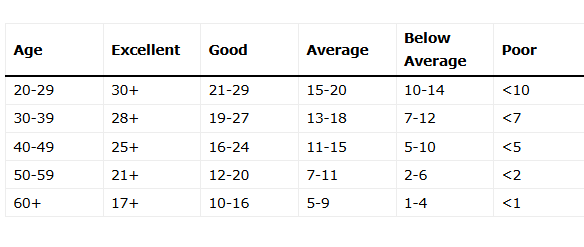
- Compare your results with the chart below.
Arm Strength Levels by Age
Use the table to see how your push-up endurance compares to average fitness levels for your age.
Why Arm Strength Matters

Your arms are involved in almost every upper-body movement, from lifting groceries to opening doors. Weak arms can lead to poor posture, reduced mobility, and an increased risk of injury.
Factors That Impact Arm Strength

- Age: Muscle loss accelerates after 30, making regular training crucial.
- Activity Level: A sedentary lifestyle leads to muscle weakness, while active individuals maintain more strength.
- Muscle Composition: Genetics and body fat percentage affect muscle function and endurance.
- Training Routine: Regular strength training improves arm and upper-body power.
How to Improve Arm Strength
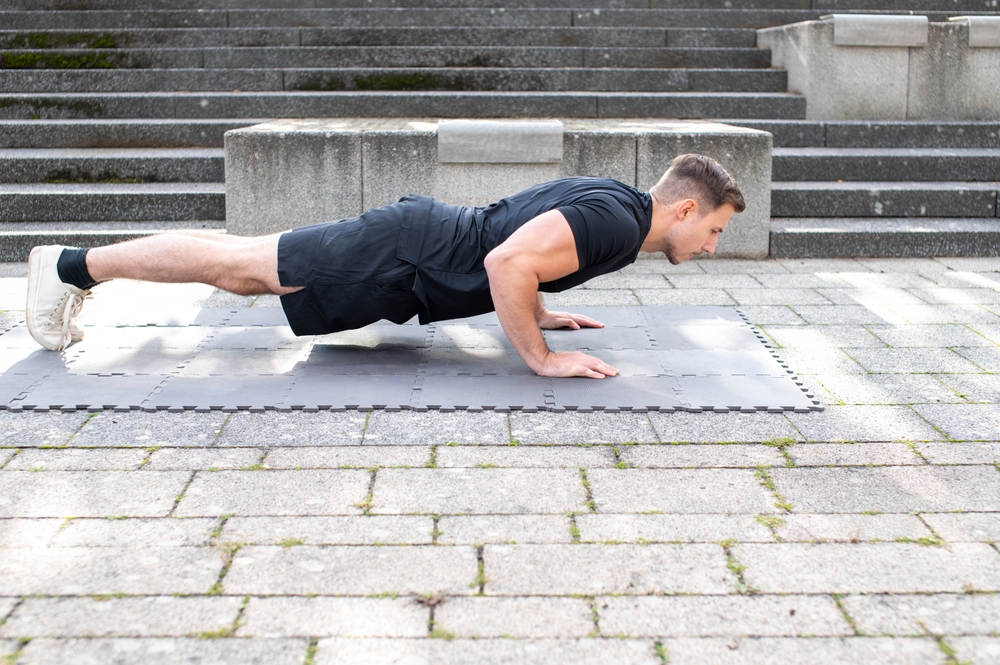
If your score is lower than expected, try these exercises 2-3 times per week:
- Push-ups: Strengthen the chest, shoulders, and triceps.
- Dips: Target the triceps and upper arms.
- Bicep Curls: Improve forearm and bicep strength.
- Overhead Press: Build shoulder and upper body stability.
- Plank Variations: Engage the entire upper body for functional strength.
Signs of Weak Arm Muscles
Struggling to carry heavy bags, open jars, or perform basic lifting tasks? These are signs that your arm strength may need improvement.
How Long Does It Take to Build Arm Strength?

With consistent training, noticeable improvements in push-up endurance can be seen in 4-6 weeks. Retake the test monthly to track your progress.
The Connection Between Arm Strength and Overall Fitness

Your upper body strength affects posture, endurance, and athletic performance. Strong arms also support a healthier back and shoulders.
Can You Do More? Challenge Yourself!

If you scored above average, try these advanced variations:
- Standard push-ups (on toes instead of knees).
- Diamond push-ups (hands close together to target the triceps).
- Weighted push-ups (add a backpack with weights for extra resistance).
Make Upper-Body Strength Training a Habit
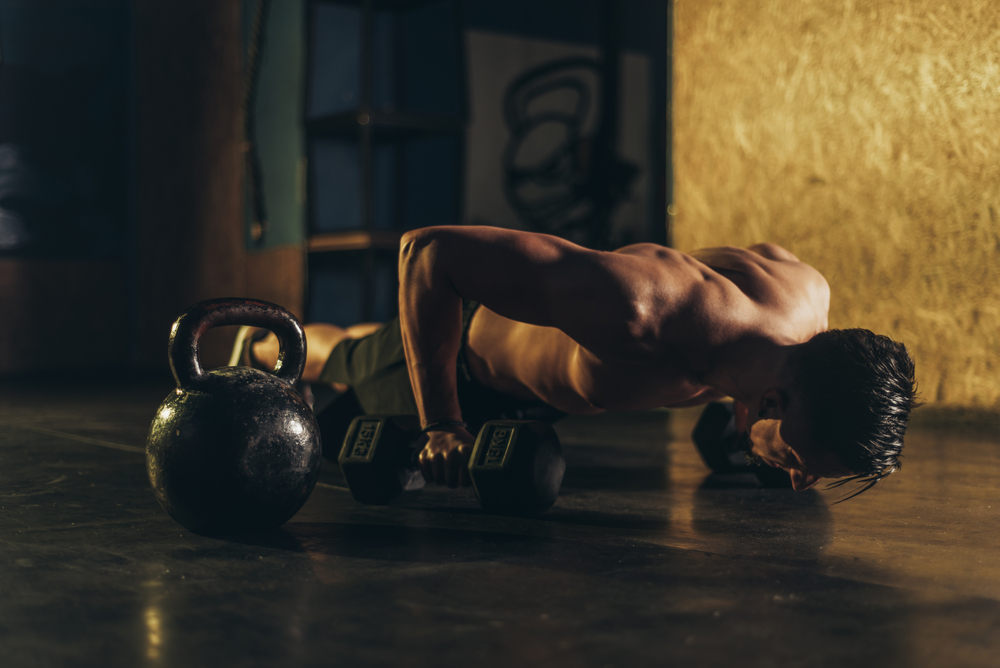
To maintain strong arms as you age, incorporate upper-body exercises into your weekly workout routine. Even just a few minutes a day can make a big difference in preventing muscle loss and improving mobility.
This article is based on information from I FORM
This article is made and published by Mie Hermansen, who may have used AI in the preparation.