
When the holidays are over, and work is calling again, the transition doesn’t have to be hard on your body.
Here are a series of simple tips to help you maintain energy and avoid unnecessary aches during the workday.
Build good routines

Even if you feel full of energy after the holidays, it’s important to schedule regular breaks throughout the day.
A quick coffee break with colleagues or a short walk during lunch can boost your energy levels and reduce stress.
Also read: Your body shows these signs when you're not getting enough vitamin C
Get outside every day

A few minutes outdoors can work wonders for both mood and energy. Use your lunch break to get some fresh air – it can improve focus and overall well-being.
Vary your working position
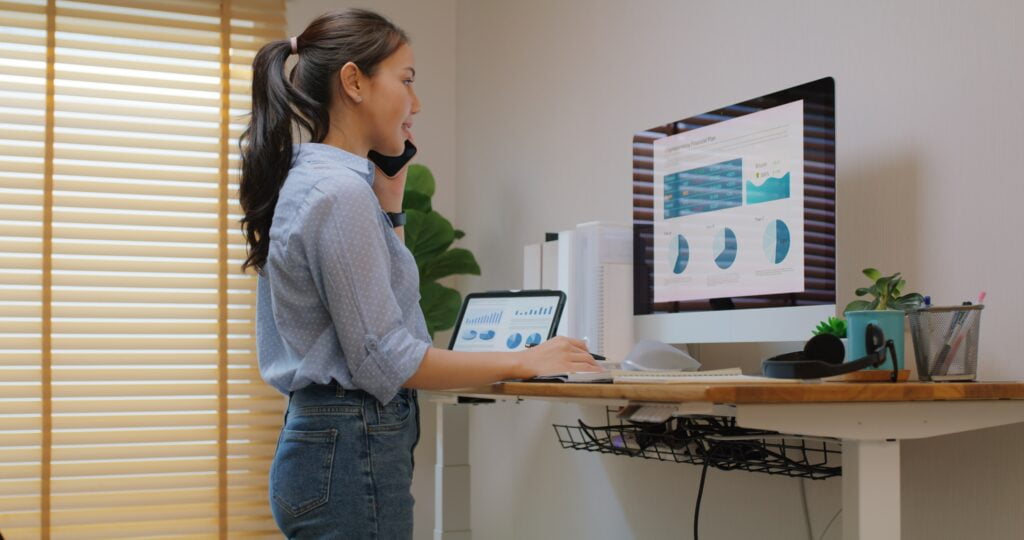
If you spend most of your day at a computer, make sure to change your posture regularly.
Use your sit-stand desk or spread out other tasks during the day to avoid being stuck in the same position for too long.
Stand up whenever possible

Phone calls or short meetings are a perfect opportunity to get out of your chair. Walking around while talking can improve circulation and give you an energy boost.
Also read: Experts Share How to Optimize a Regular Walk
Try walk-and-talk meetings

When possible, move some of your meetings outdoors. A walk with a colleague instead of a sit-down meeting can spark new ideas and benefit your health at the same time.
Stretch during short breaks

A few simple stretches during the day can relieve tension in your neck, shoulders, and back. It only takes a couple of minutes but can make a noticeable difference.
Use your commute as exercise
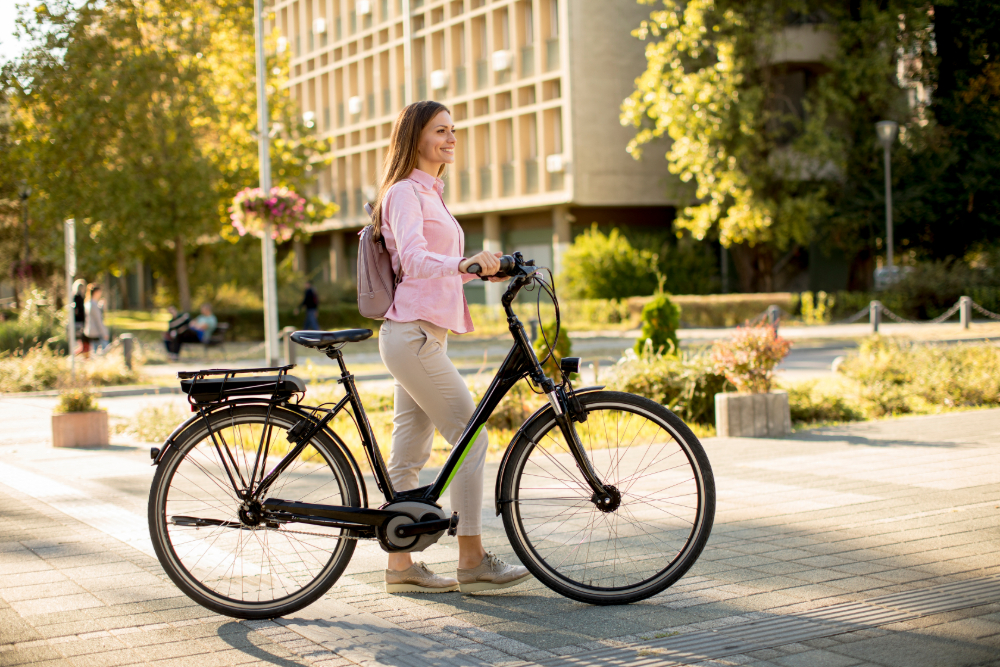
Cycle to work or walk part of the way. Even small changes – like getting off the bus one stop earlier – can increase your daily activity level.
Make breaks a habit

Skipping breaks might seem like a time-saver, but regular pauses during the day help both your body and your mind.
Also read: Your Guide to Supporting Your Child’s Return to School
Plan them in advance so they become part of your routine.
Get colleagues involved in healthy habits

Arrange group walks or short standing meetings. This not only keeps you active but also builds social connections at work.
Remember that small changes count

You don’t need a complete lifestyle overhaul.
Many small adjustments – standing a bit more, moving a bit more often, and getting fresh air – can add up to a big improvement in your physical well-being.
Also read: Why adults get dizzy more easily than children
This article is based on information from Netdoktor.dk.
Also read: This might be how people act around you when they think you’re attractive
This article is made and published by Ida-Marie Palm Varbæk, who may have used AI in the preparation.