
When a cold, stomach bug, or the flu hits, having a small kit ready at home can make all the difference.
With the right supplies, you can ease symptoms quickly and get through sick days more comfortably. Here’s what to include in your personal “sick day starter pack”.
Over-the-counter medications for common symptoms

Your kit should include basic OTC medications that cover cold, flu, and stomach issues.
Think pain relievers like acetaminophen or ibuprofen, antihistamines for congestion, and remedies for diarrhea or constipation.
Also read: These Zodiac Signs Make the Best Friends - According to Astrology
A digital thermometer is also a must to monitor fever.
Don’t forget nasal sprays and irrigation
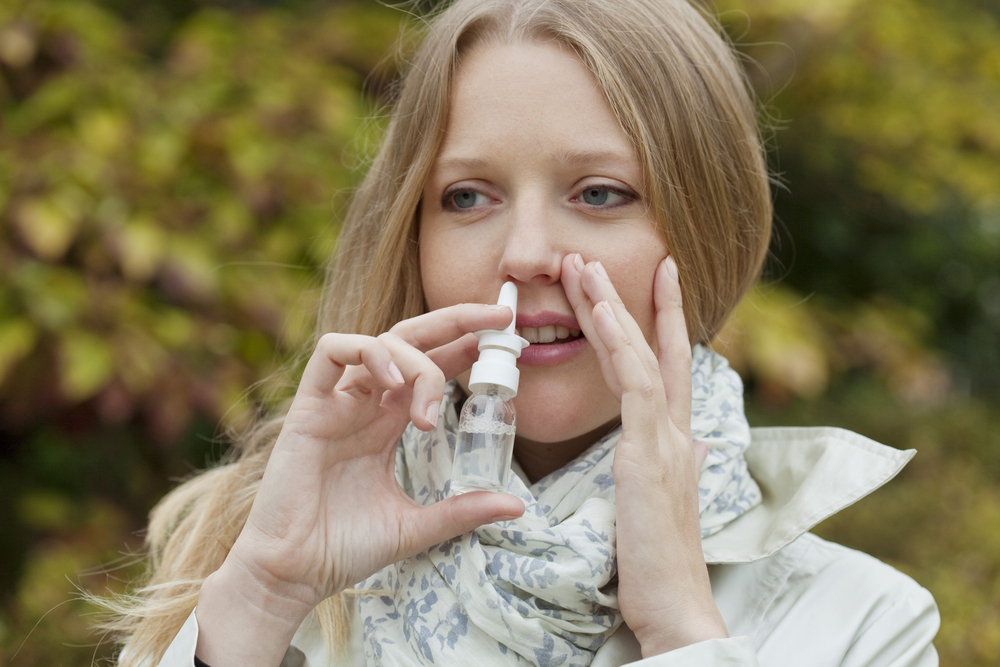
If a stuffy nose is part of the problem, saline sprays or nasal irrigation can bring relief and help you breathe more easily, especially at night.
Pain and fever relief

Fever, chills, and muscle aches are common signs of viral infections.
Having fever-reducing and pain-relieving medications in your kit will help you stay more comfortable.
Also read: Throw These Foods Out - No Matter What the Expiry Date Says
Digestive symptom remedies

Since many viruses affect the stomach, keep antidiarrheal medications like loperamide, as well as laxatives such as psyllium husk or polyethylene glycol, in your kit.
Pantry staples for sick days

Stock simple, soothing foods and drinks that are easy on the stomach.
Broth cubes, canned soup, herbal teas, electrolyte powders, and ginger ale are all helpful when you don’t feel like cooking.
Honey as a natural remedy

A spoonful of honey in hot tea can soothe a sore throat and ease coughing. Just remember: honey is not safe for children under 1 year old.
Also read: Why Your Weekend Habits May Be Ruining Your Sleep
Comfort and hygiene essentials

Being sick is easier when you’re comfortable. Soft pajamas, warm socks, tissues, and a small trash bin for used tissues are practical and comforting to have nearby.
Preventing the spread at home
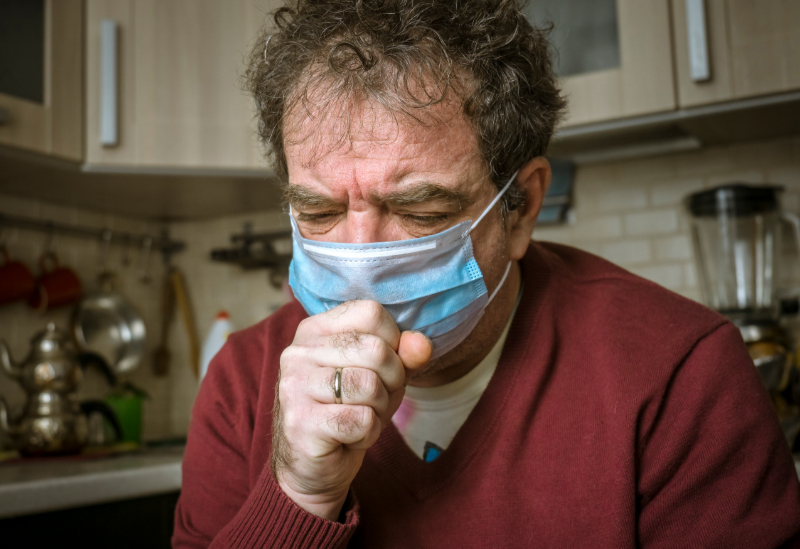
Keep hand sanitizer, antibacterial soap, disposable masks, and disinfectant wipes or sprays on hand. These items help limit the spread of germs to other family members.
When to call a doctor

Most viral infections improve within 1–2 weeks, but contact a doctor if a fever lasts more than three days, symptoms worsen, or if you have an underlying health condition.
Chest pain, chills, or shortness of breath should also be checked immediately.
Also read: Science-Backed Reasons Why Cats Are Good for Your Health
Start building your kit today
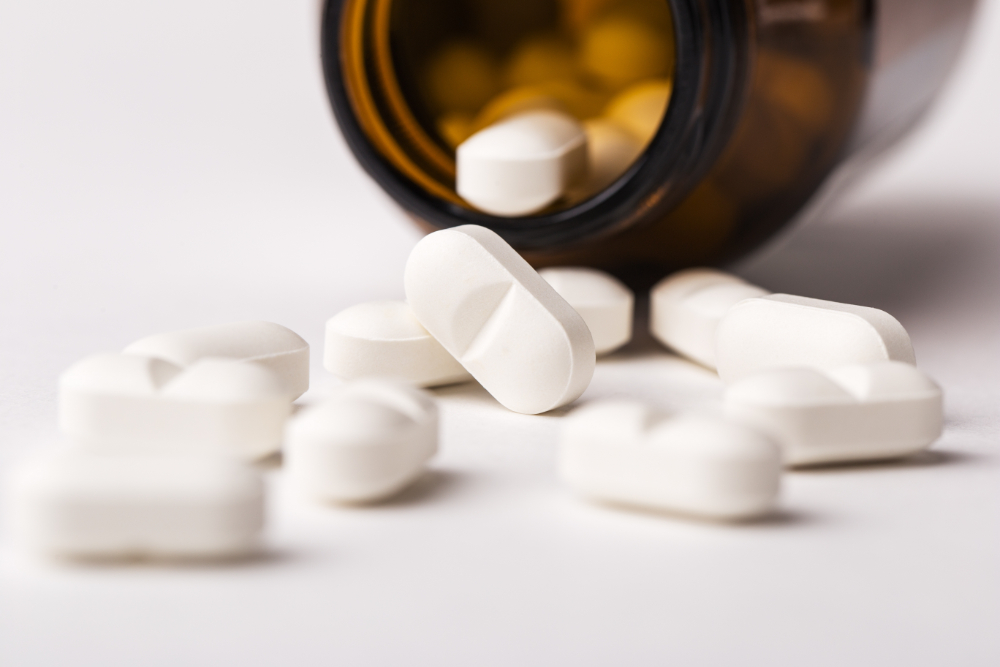
Gather your medications, comfort items, and hygiene supplies in a small box or basket that’s easy to find.
Check expiration dates regularly so everything is safe and ready to use. Being prepared ensures you’re never caught off guard when sickness shows up.
This article is based on information from Healthline.com.
Also read: Science explains why you still think about your ex – even years later