
There are still misconceptions suggesting that a plant-based diet does not provide sufficient protein.
ProVeg reviews this claim and assesses whether it is possible to meet the body’s protein requirements through plant-based foods alone.
What are proteins?
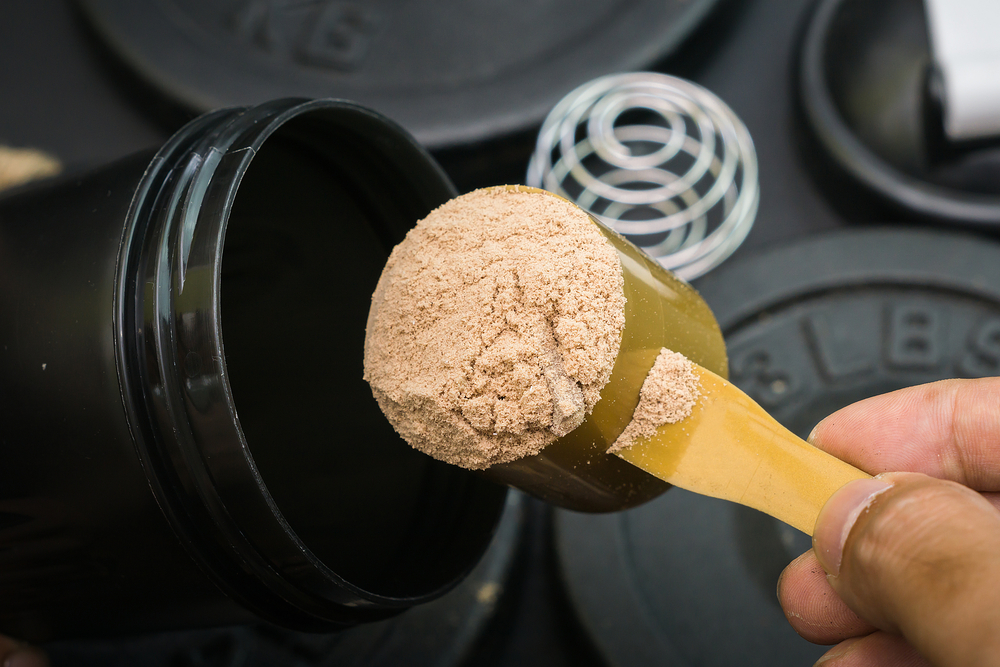
Proteins are complex chemical compounds made up of amino acids.
The body uses 21 amino acids to build proteins, at least nine of which are essential and must be obtained through the diet, as the body cannot produce them on its own.
Also read: New cell discovery could change how we fight cancer and ALS
The role of protein in the body

Proteins serve as building blocks in muscles, nerves, and connective tissue.
They transport substances such as hemoglobin in the blood and play a key role in the immune system, as well as in hormones and enzymes that regulate vital processes.
Recommended protein intake

According to the European Food Safety Authority (EFSA), the recommended intake for adults and older individuals is 0.83 grams of protein per kilogram of body weight per day.
For children and adolescents, requirements range between 0.83 and 1.31 grams per kilogram, depending on age.
Also read: Approval of eye drops could impact millions with presbyopia
Protein requirements during pregnancy and breastfeeding

Pregnant women are advised to consume 0.83 grams per kilogram of body weight, with an additional 1 gram in the first trimester, 9 grams in the second, and 28 grams in the third.
Breastfeeding women have the same basic requirement, plus an additional 19 grams during the first six months and 13 grams thereafter.
Consequences of protein deficiency

Protein is essential for the growth and maintenance of cells and tissues.
In adults, deficiency can lead to a weakened immune system, slower wound healing, and loss of muscle mass. In children, it may affect mental development.
Also read: White House rejects psychologist’s allegations regarding trump’s mental state
However, protein deficiency is rare in industrialized countries.
Protein-rich plant foods
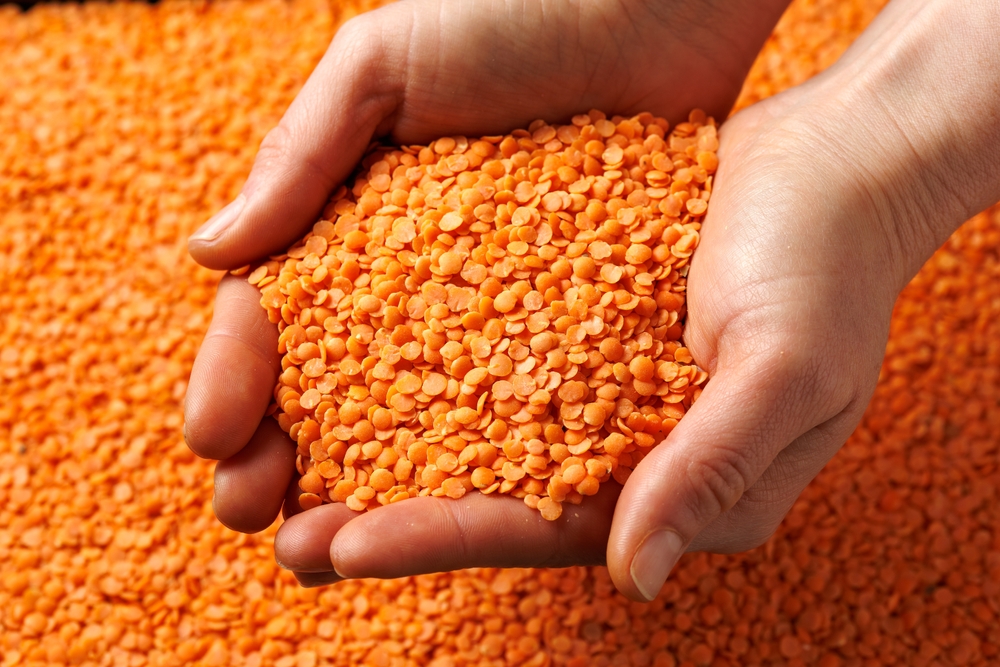
Legumes such as lentils, peas, and beans, particularly soybeans, as well as grains like rice, oats, wheat, rye, and spelt are important sources of protein.
Pseudocereals such as quinoa, amaranth, and buckwheat, along with nuts and seeds, also contain significant amounts of protein.
Soy products as a protein source
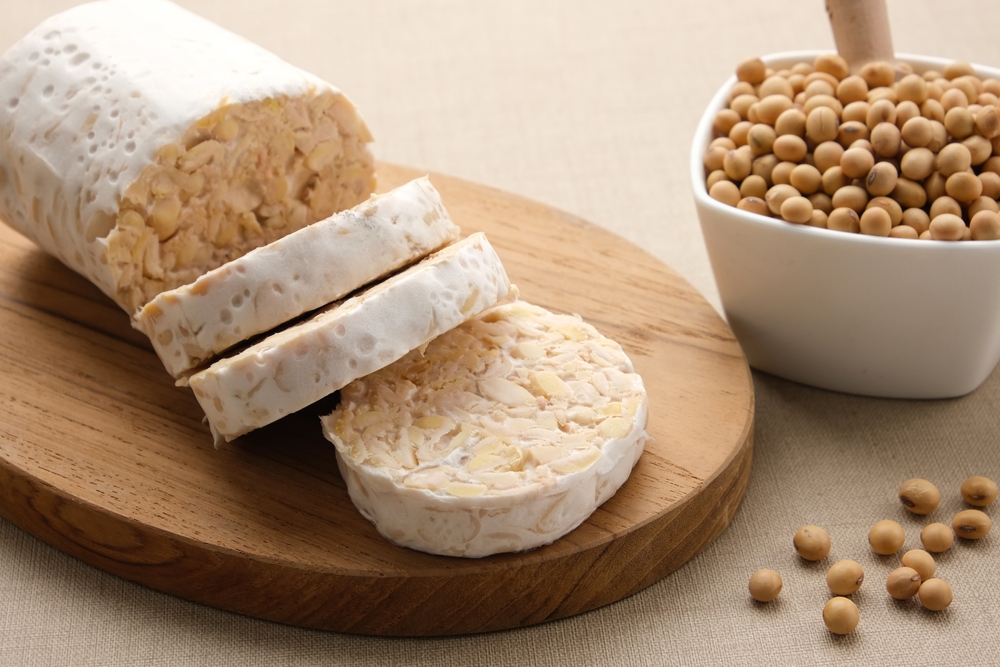
Products such as textured soy protein, tempeh, and firm tofu are high in protein.
Also read: Common mistakes people make with GLP 1 weight loss medications
Soy yogurt and soy milk also contribute protein, while cooked soybeans are a particularly rich source.
Legumes in everyday meals
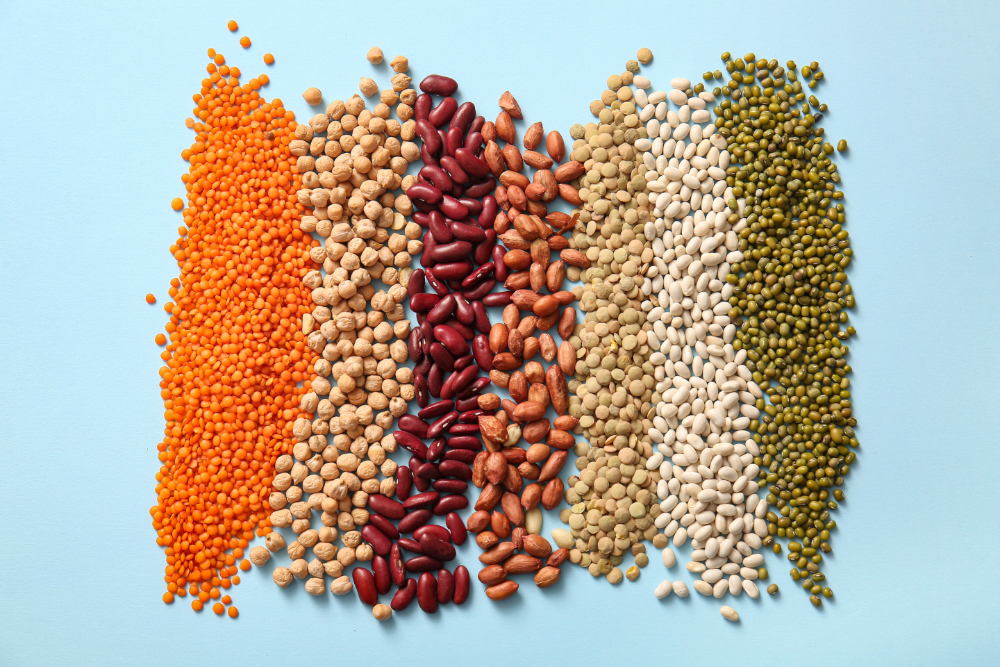
Lentils, chickpeas, kidney beans, black and white beans, as well as green peas, all provide substantial amounts of protein, both raw and cooked, and can serve as regular components of a plant-based diet.
Nuts, seeds, and other sources
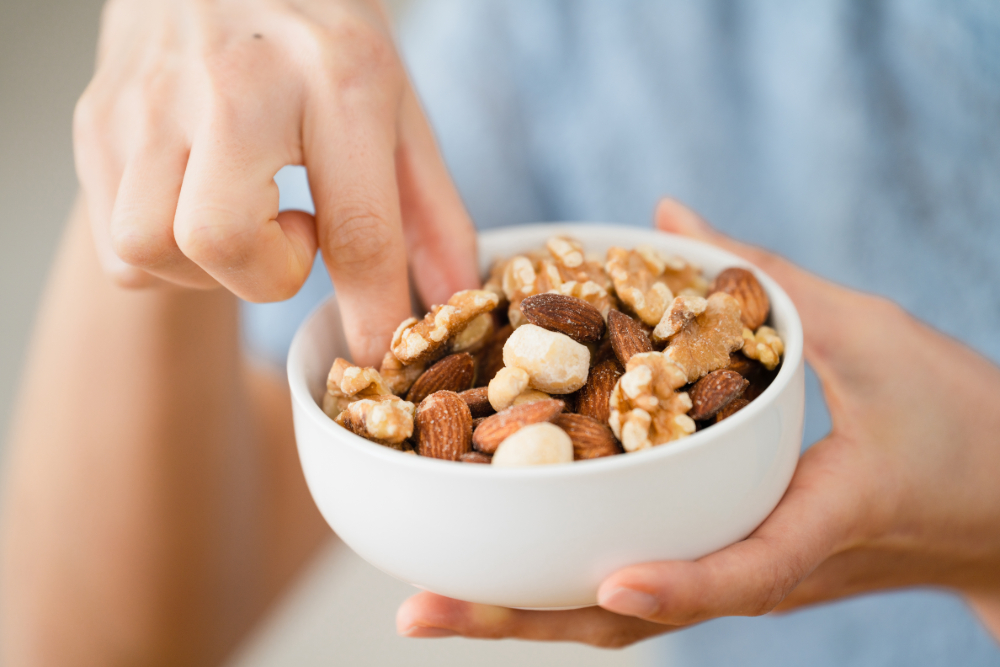
Hemp seeds, pumpkin seeds, peanuts, almonds, sunflower seeds, cashews, and sesame seeds are among the most protein-rich options.
Nutritional yeast and portobello mushrooms also contribute protein.
Also read: Severe side effects linked to metformin taken by millions worldwide
Biological value of protein

Both animal and plant-based proteins contain all essential amino acids, but in varying amounts.
The more closely the amino acid profile matches the body’s needs, the higher the biological value, and the smaller the quantity required to meet those needs.
Combining foods improves quality
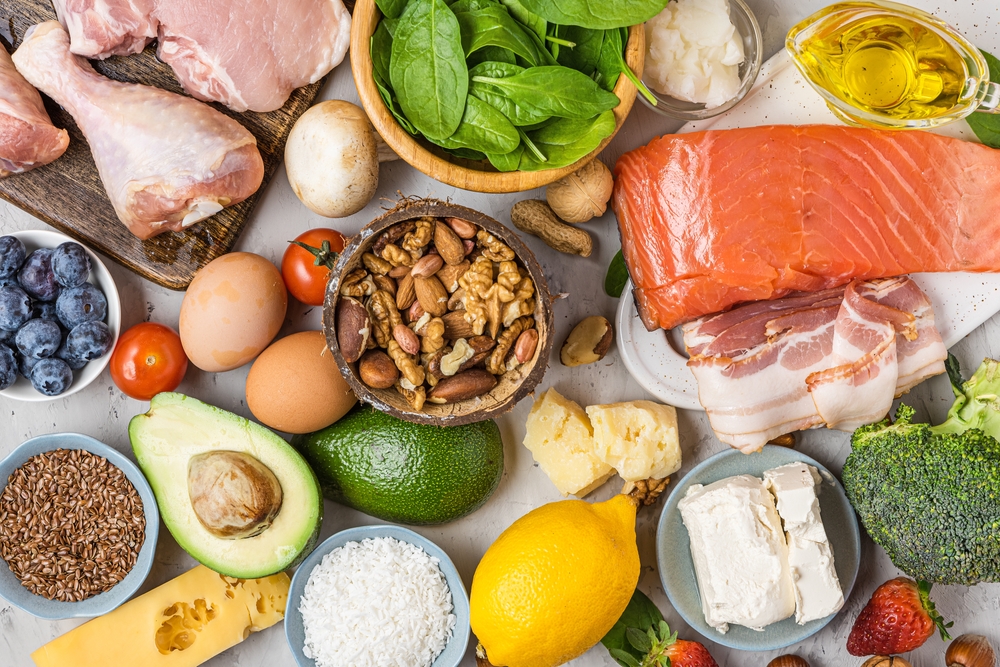
The biological value can be increased by combining different plant-based foods, as their amino acid profiles complement one another.
What matters most is the total intake over the course of the day, not the composition of a single meal.
Preparation enhances absorption
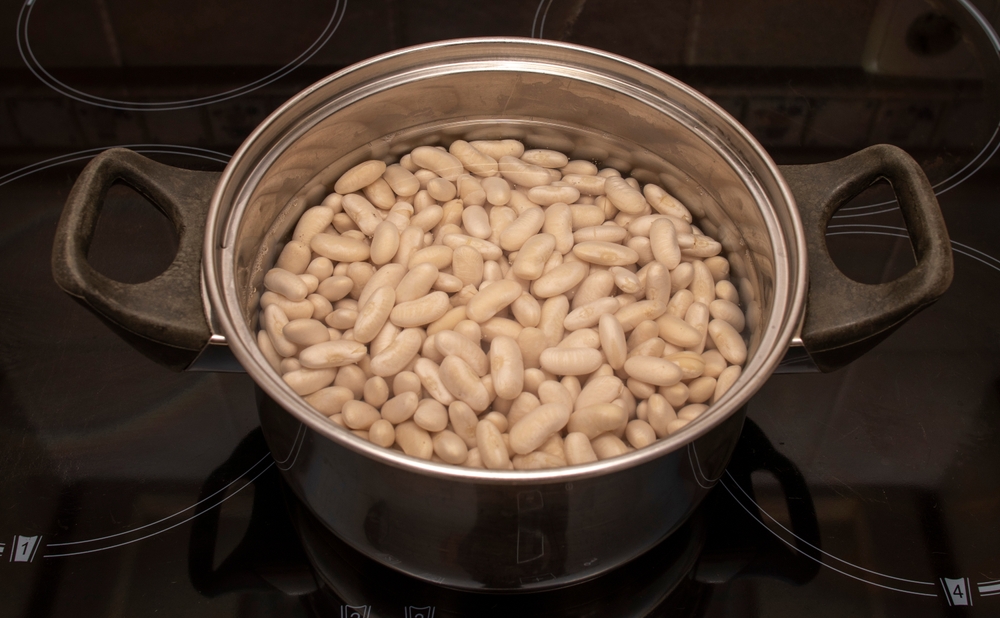
Cooking, especially pressure cooking, soaking, and blending in a blender or food processor can increase the digestibility of legumes and grains, thereby improving the absorption of plant protein.
Protein and muscle building

Researchers at the University of Massachusetts conducted a study published in The American Journal of Clinical Nutrition, finding that the source of protein, whether from meat, fish, dairy products, or legumes, is not decisive for building muscle strength and muscle mass.
A vegan diet can meet requirements
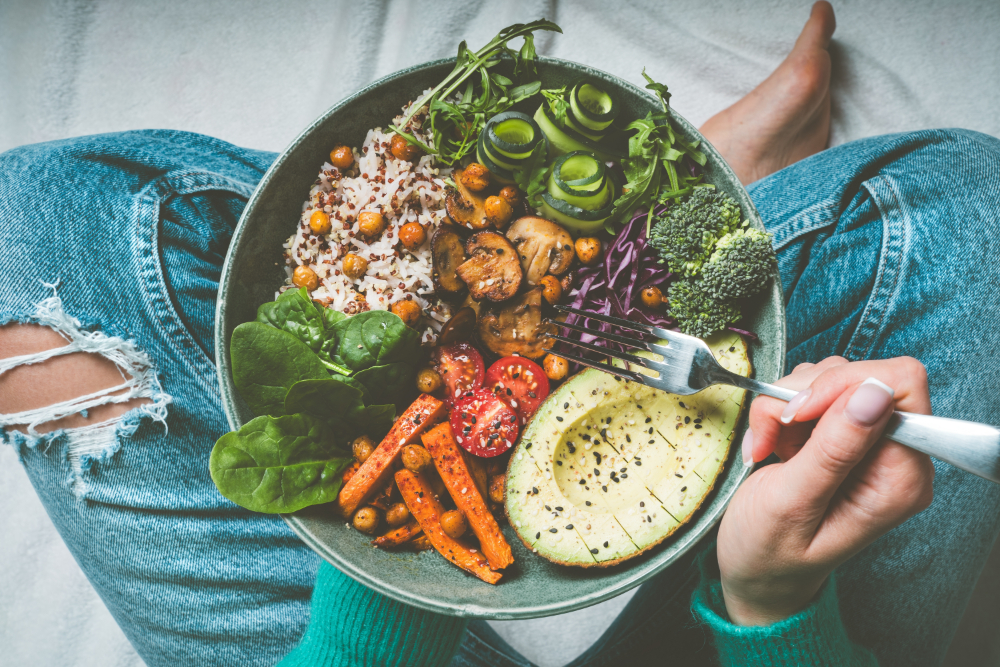
According to the Academy of Nutrition and Dietetics and national health authorities, a well-planned vegan diet can meet all nutritional recommendations and ensure adequate protein intake.
This requires a varied selection of plant-based foods and sufficient calorie intake.
Sources: ProVeg, European Food Safety Authority (EFSA), The American Journal of Clinical Nutrition, and Academy of Nutrition and Dietetics.