
Freezing avocado can extend its shelf life, but it comes with some downsides.
If you’re considering freezing avocados, here’s what you should know before tossing them in the freezer.
Nutrient content
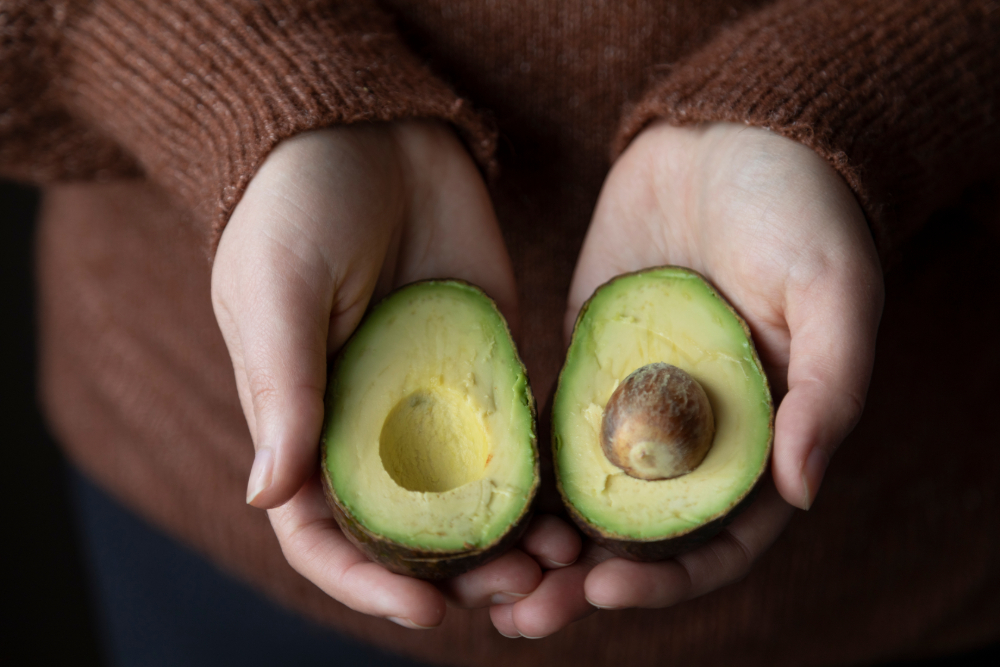
Freezing doesn’t significantly affect calories, fiber, or minerals, but it can lead to some loss of water-soluble vitamins like vitamin C.
Since avocados are rich in folate and vitamin B6, freezing may cause a slight reduction in these nutrients over time.
Texture
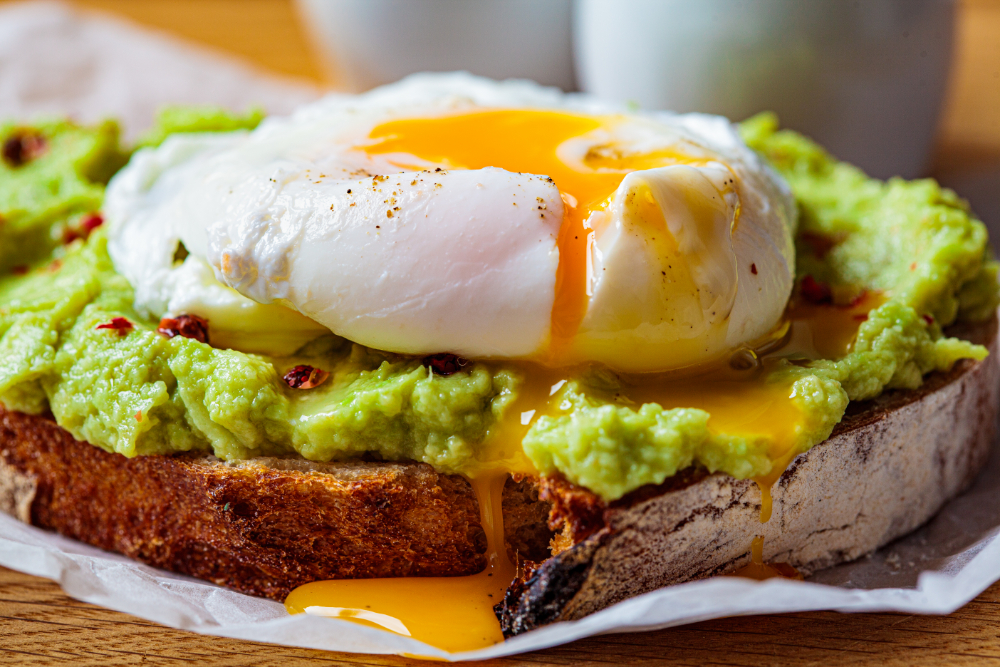
Avocado’s texture changes when frozen due to water expansion, which disrupts its cellular structure.
Once thawed, the fruit may become mushy, watery, or slimy. While it might not be ideal for eating on its own, it can still be used in dips, smoothies, or dressings.
Color
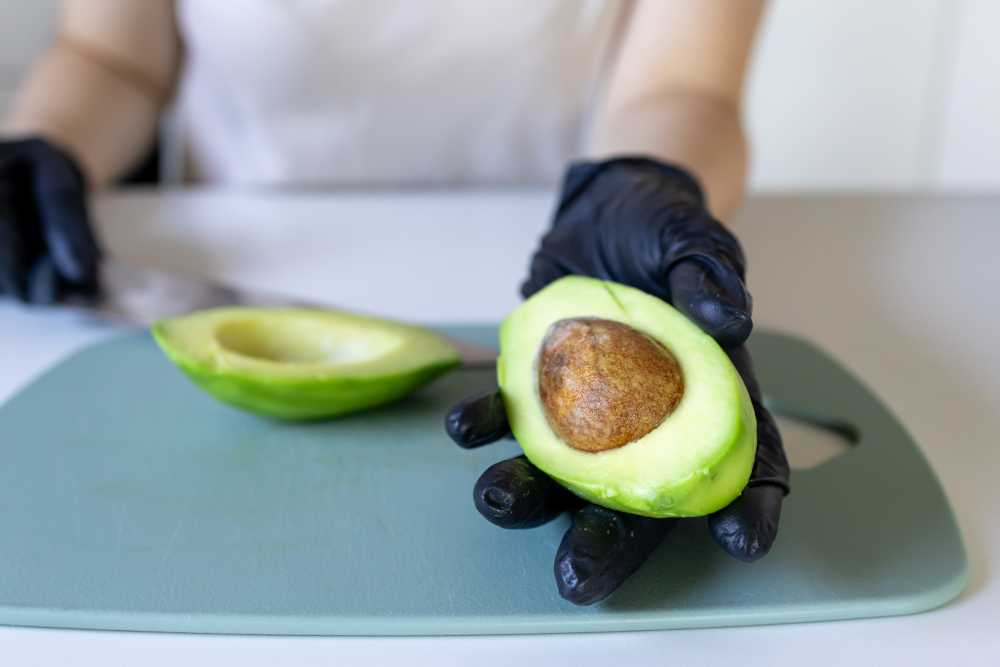
Avocados naturally brown when exposed to oxygen. This process continues during freezing and thawing, leading to discoloration.
To slow this down, brushing the avocado with lemon juice before freezing can help maintain its green color for longer.
Flavor
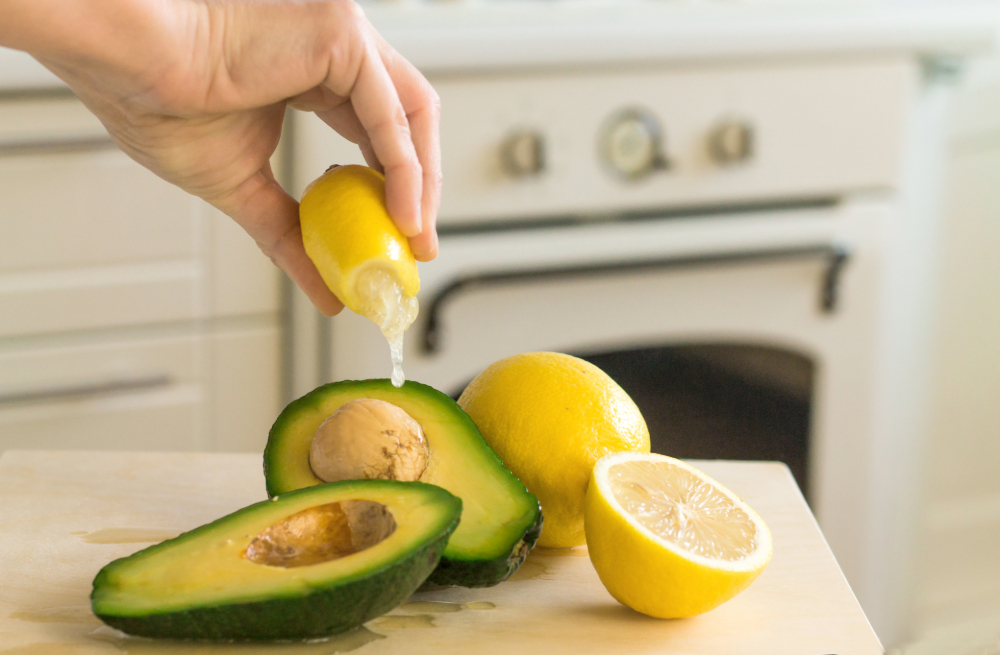
While freezing itself doesn’t drastically alter avocado’s taste, any added ingredient – such as lemon juice used to prevent browning – can slightly modify the flavor.
However, this change is often unnoticeable when mixed into guacamole or other dishes.
How to freeze avocado halves
For best results, cut the avocado in half, remove the pit, and peel it.
Brush the flesh with lemon juice, then wrap it tightly in plastic wrap or store it in an airtight bag.
If using a vacuum sealer, it can further prevent browning and freezer burn.
How to freeze mashed avocado
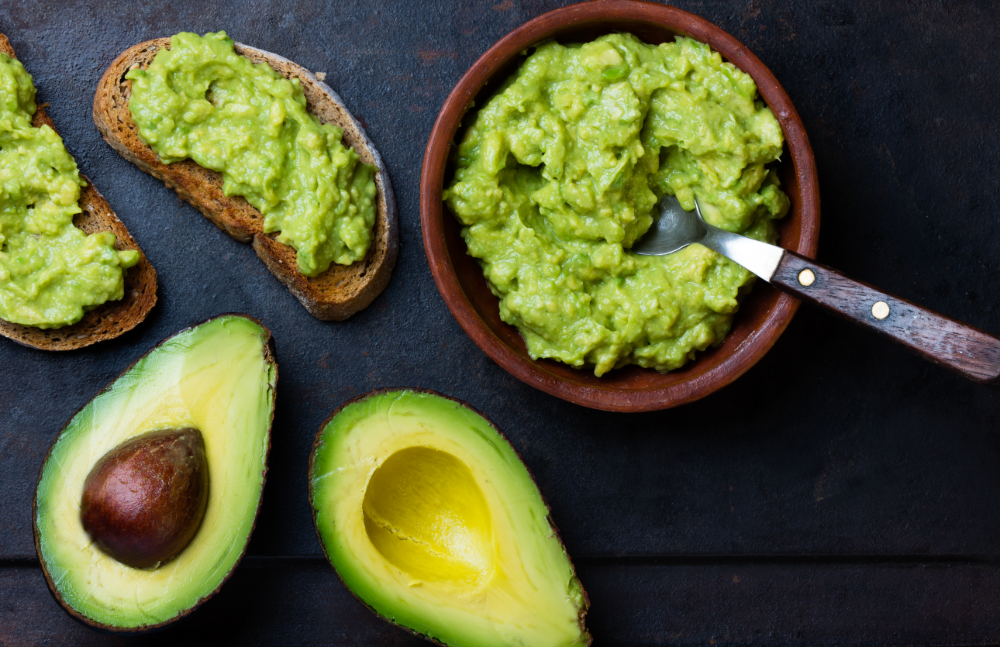
Mashed or puréed avocado is often easier to freeze and use later.
Simply mash the avocado, mix in some lemon or lime juice, and store it in a resealable bag, container, or ice cube tray.
Press out as much air as possible before freezing.
How to thaw frozen avocado
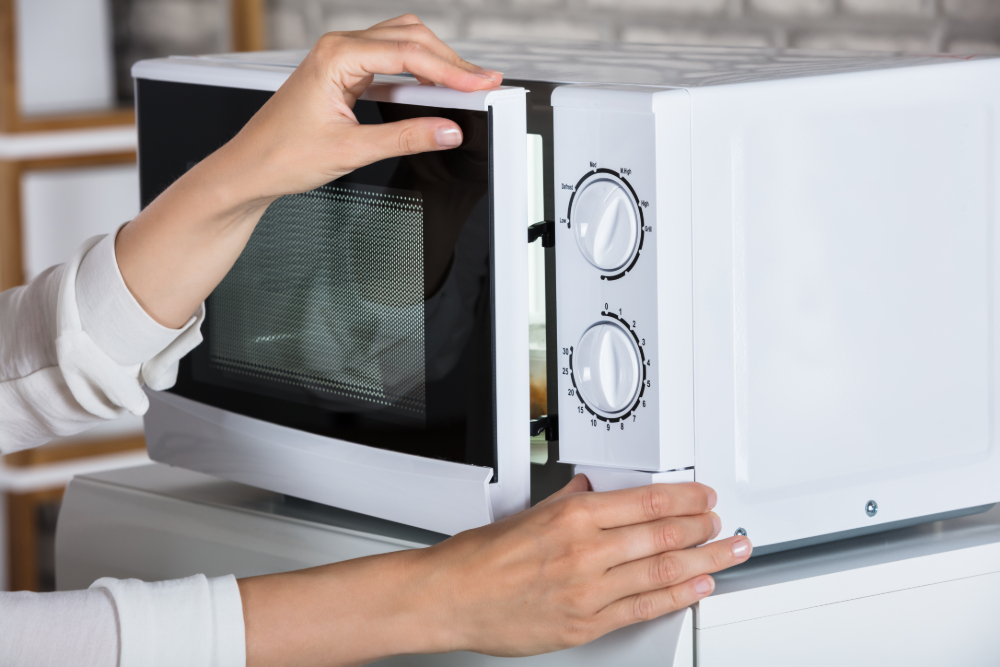
When you’re ready to use it, thaw the avocado in the fridge or at room temperature.
It typically takes about an hour at room temperature to soften. Avoid microwaving, as this can make the texture even more unappealing.
Best ways to use frozen avocado
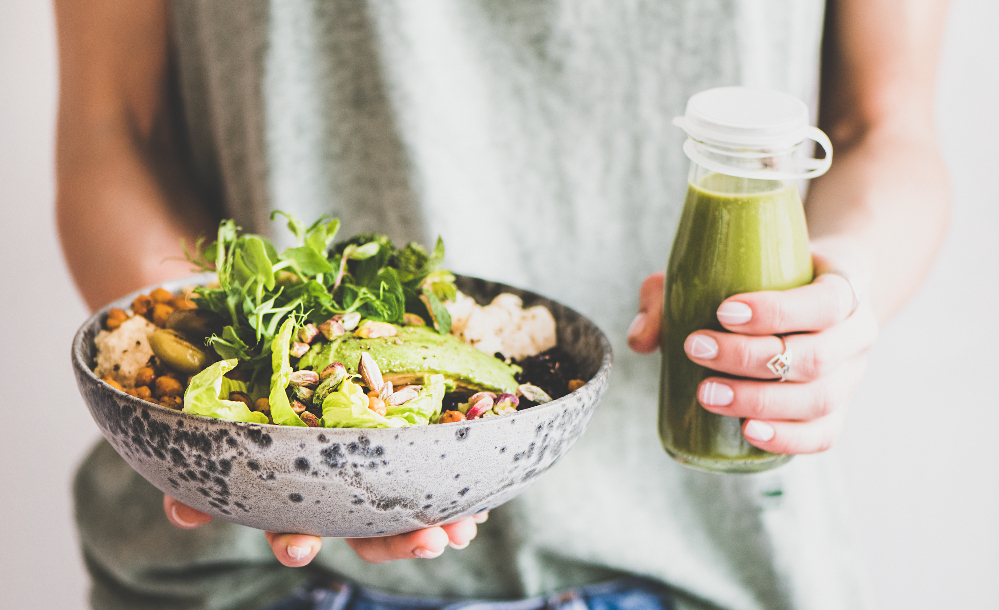
Frozen and thawed avocado is perfect for guacamole, salad dressings, dips, and smoothies.
Due to its mushy texture, it’s less ideal for eating plain or adding to fresh salads.
Should you freeze avocado?
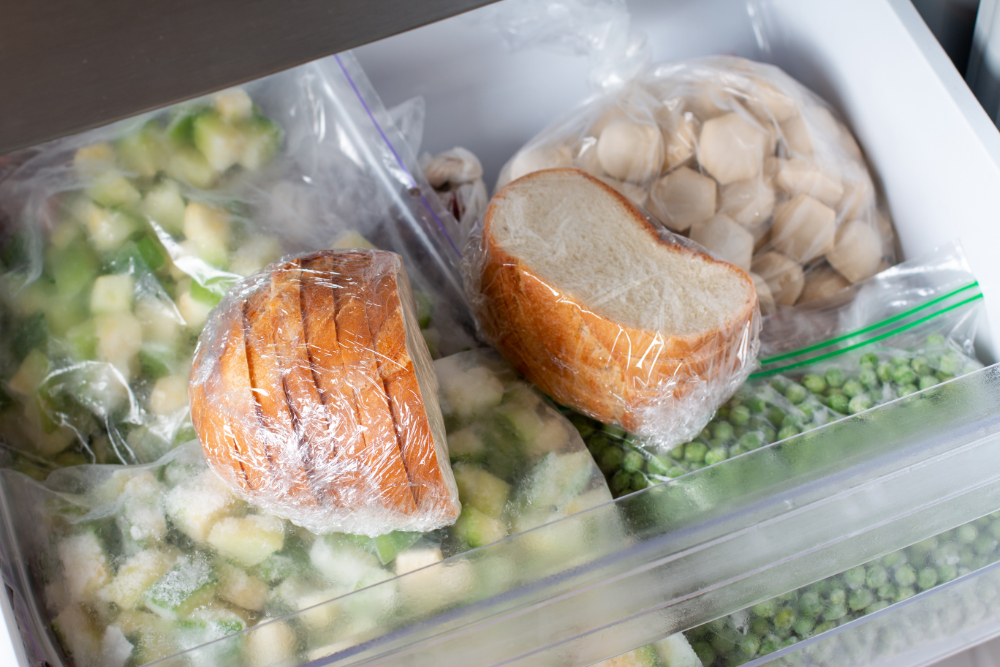
If you want to reduce food waste and have avocado ready for smoothies and dips, freezing is a good option.
However, if you enjoy fresh, firm avocado slices, freezing may not be worth the trade-off.
Preparation is key
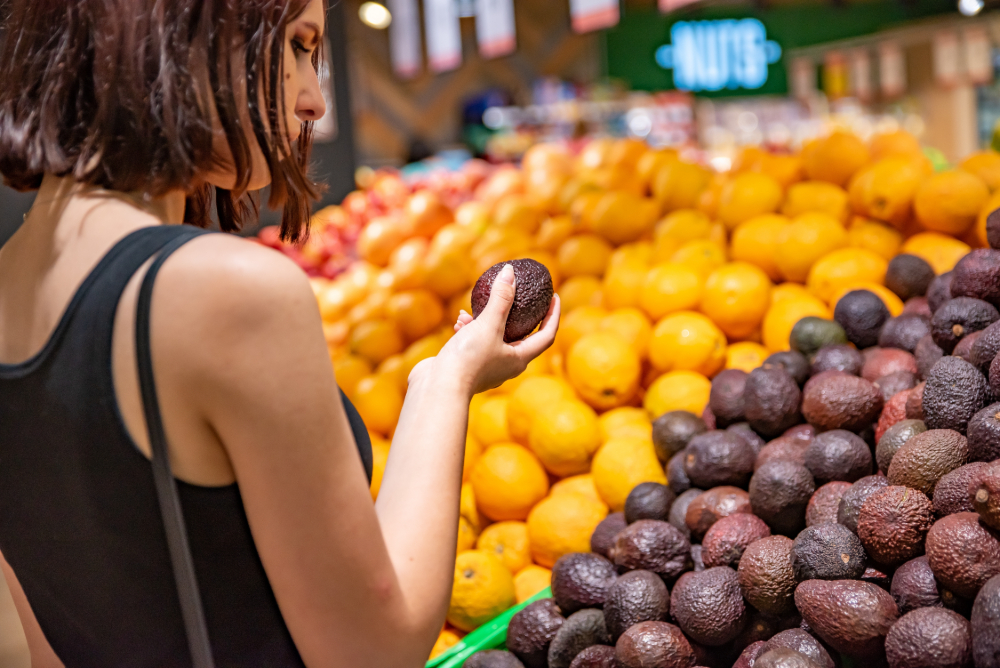
Freezing avocado is a practical way to extend its shelf life, but it comes with drawbacks like changes in texture, color, and nutrient content.
Proper preparation and storage techniques can help minimize these effects and make frozen avocado a useful ingredient in many recipes.
This article is based on information from Healthline.