
Diet plays a crucial role in heart health and can influence cholesterol levels, blood pressure, and inflammation.
Cardiac surgeon Xiaoying Lou from the Cleveland Clinic shares what she eats during a typical day to take care of her heart.
Take control of your diet
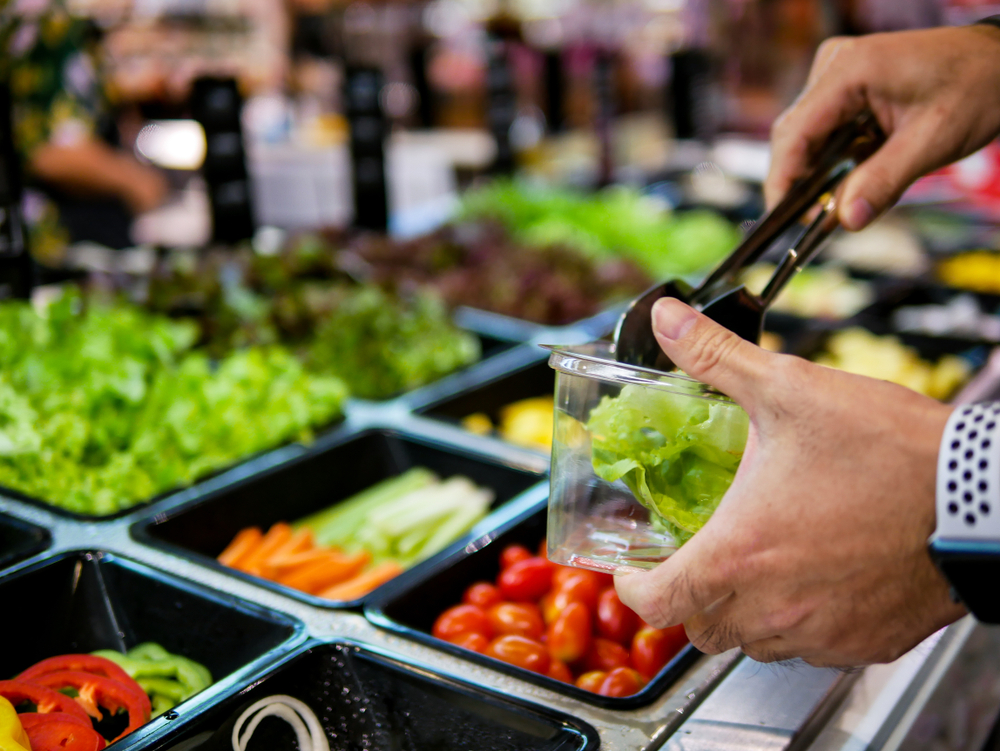
According to Xiaoying Lou, diet is one of the most important factors you can control to reduce the risk of blood clots and stroke.
What you eat has a direct impact on cholesterol, blood pressure, and inflammation, which can lead to plaque buildup in the arteries and heart valves.
Also read: Large study finds most statin side effects are not linked to the drugs
Minimally processed foods
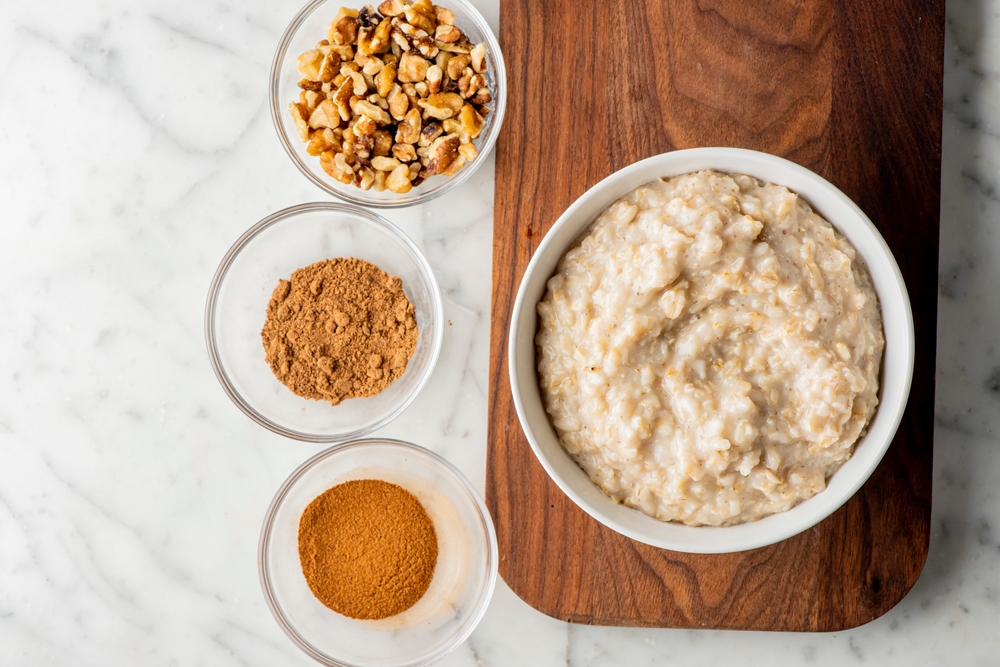
Dr. Xiaoying Lou prioritizes foods that are as minimally processed as possible.
She chooses meals made with natural ingredients and as few preservatives as possible to support heart function.
Antioxidants
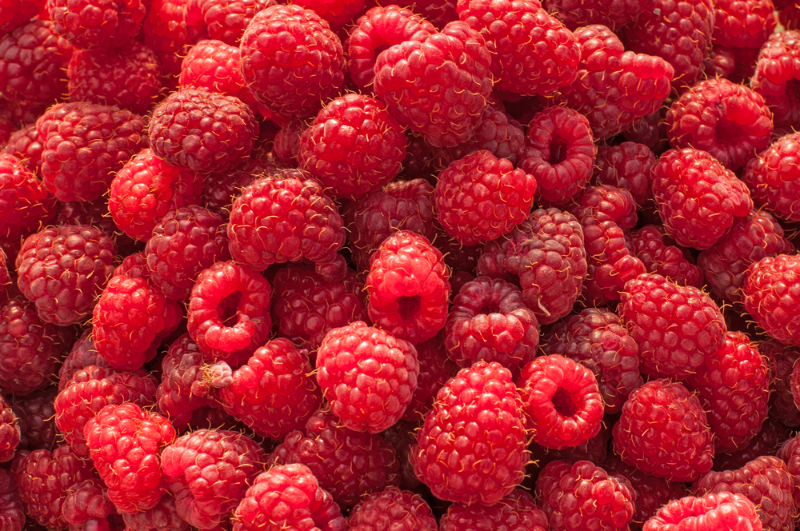
Berries are among the foods she highlights because they contain antioxidants.
They have anti-inflammatory properties, counteract harmful free radicals, and may help slow plaque buildup while improving blood vessel health.
Also read: A blood test can reveal an increased risk of cardiovascular disease
Fiber

Whole grains, oats, and vegetables are important sources of fiber.
Fiber can lower bad LDL cholesterol, stabilize blood sugar and appetite, and contribute to weight control and healthier blood pressure levels.
Probiotics
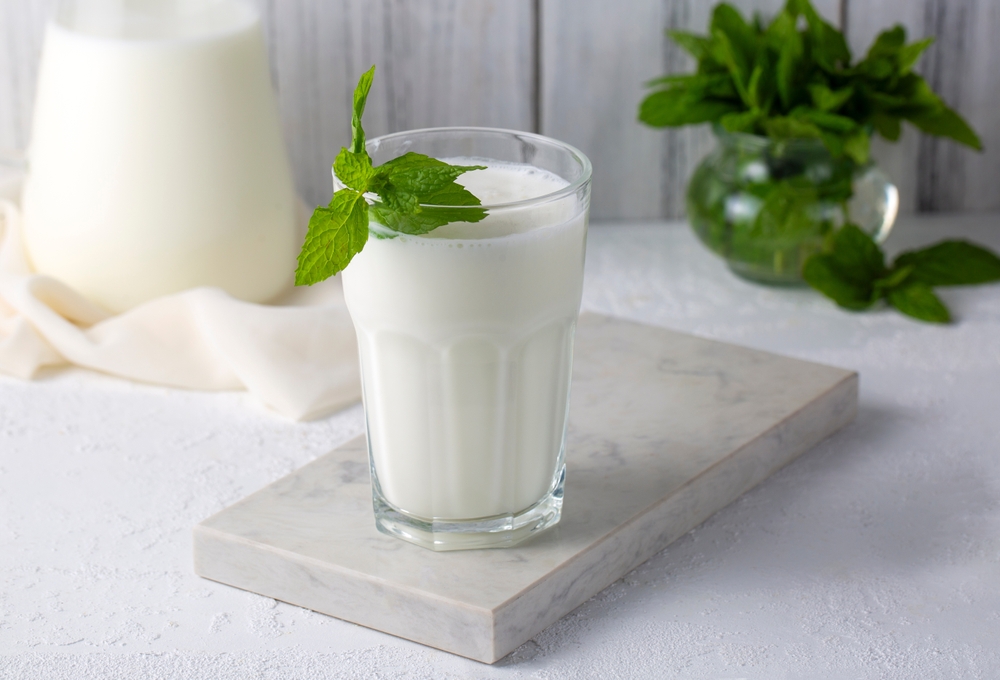
Yogurt, kefir, and fermented foods are included to support the gut microbiome.
According to Dr. Xiaoying Lou, a growing body of research suggests that gut health plays a role in both immune function and the prevention of chronic diseases.
Also read: Understand the most common dreams and what they reveal
Protein
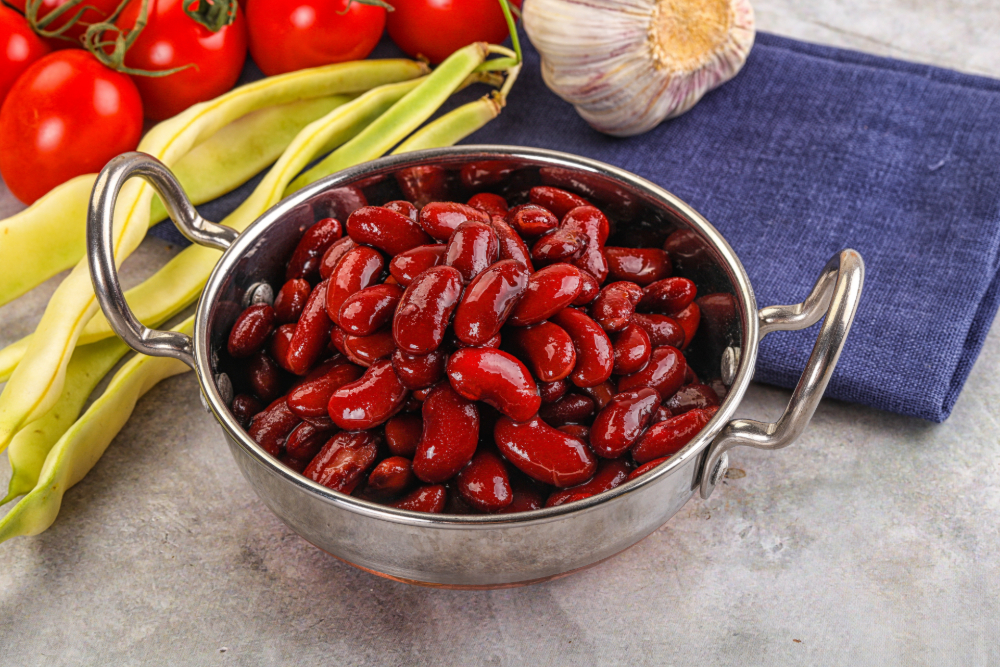
Beans and lean meat are among her preferred protein sources. Protein contributes to satiety and can help maintain a stable weight.
Omega-3 fatty acids
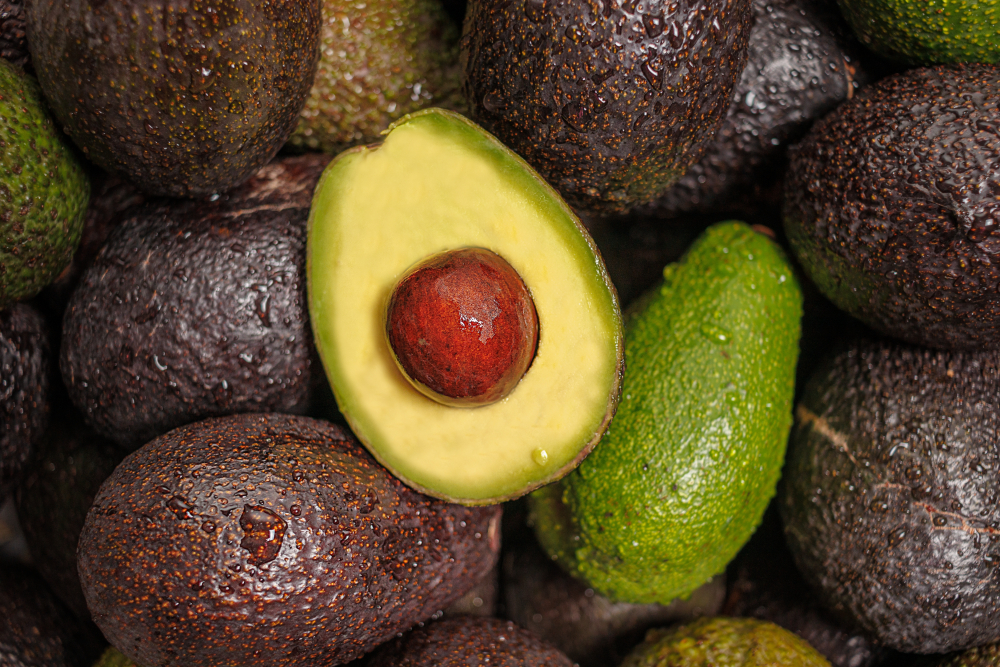
Fish, avocado, chia seeds, and hemp seeds are sources of omega-3 fatty acids, which may help regulate cholesterol levels.
Limiting highly processed foods
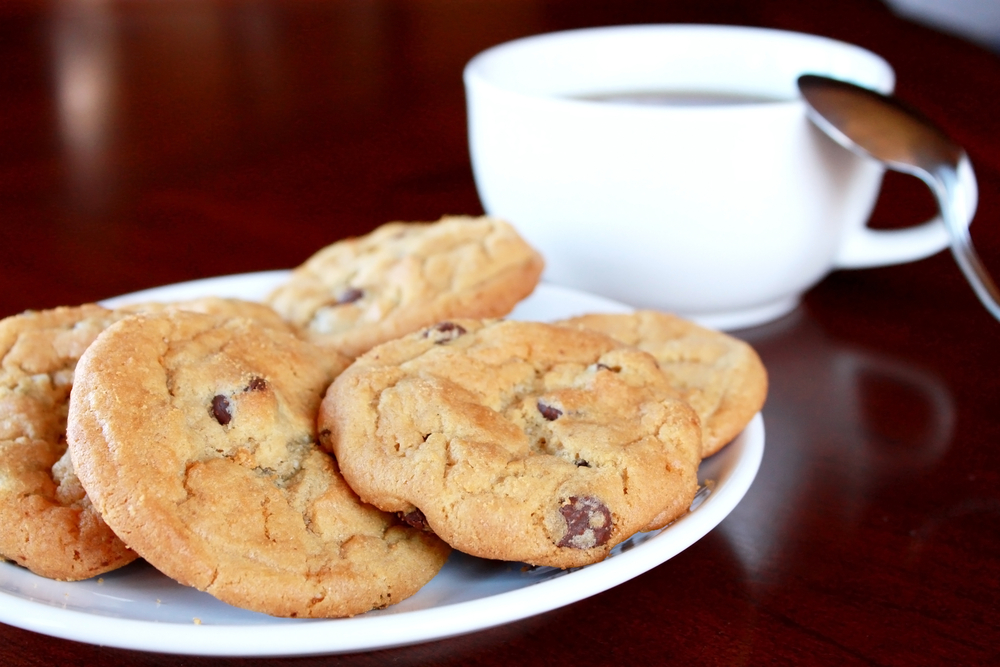
Processed meats, soft drinks and energy drinks, store-bought cookies and cakes, heavily fried foods, and alcohol are limited.
These foods can increase inflammation, cause blood sugar spikes, and contribute to high blood pressure.
Also read: Cannabis use may be linked to better brain function
Breakfast should be nutritious and quick
On busy weekdays, she often opts for a protein shake and a banana because it is easy to take on the go.
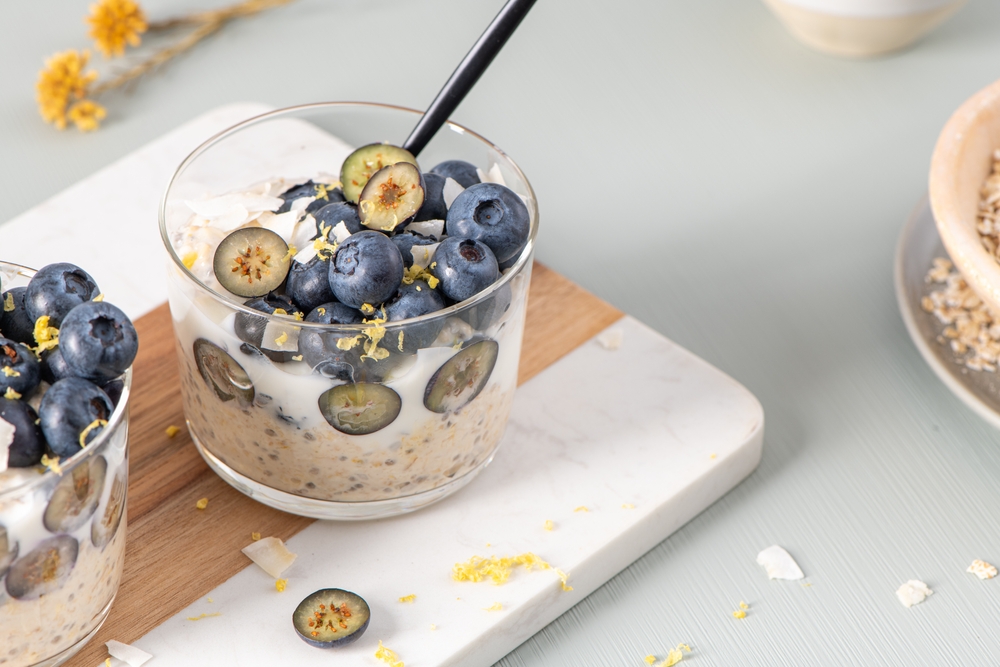
Other options include overnight oats with fruit or toast with avocado or peanut butter.
On weekends, she sometimes prepares egg dishes, apple and cinnamon oatmeal, a spinach and feta omelet, or blueberry pancakes.
Lunch is light and balanced
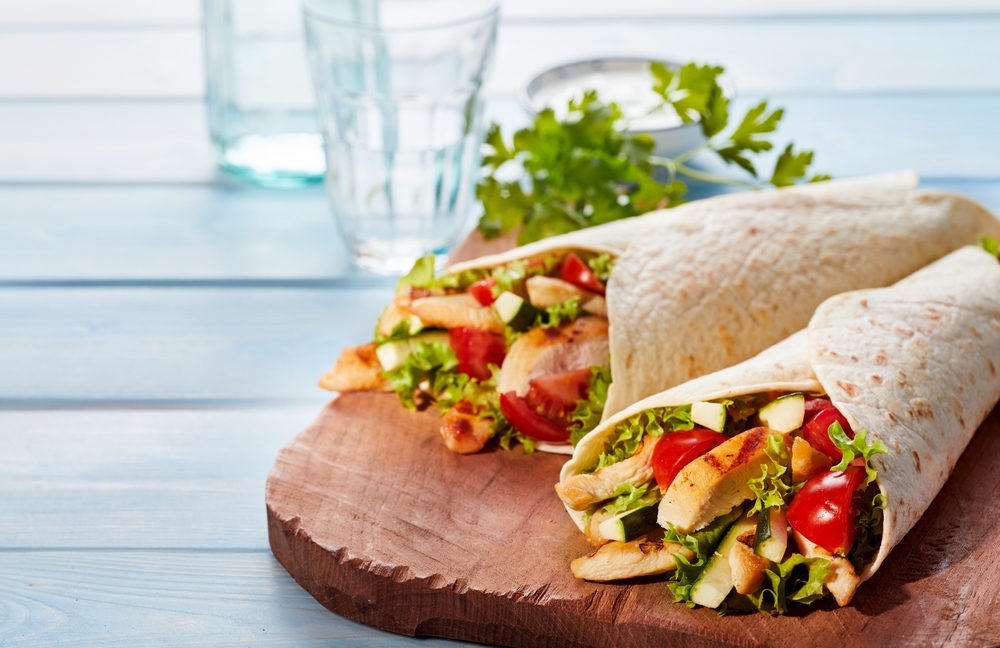
She often packs leftovers from dinner or a whole-grain wrap with hummus and vegetables.
Also read: Padel activates both body and brain, research shows
In the hospital cafeteria, she might choose a bowl with cauliflower rice, chicken, and vegetables, or a Mediterranean-inspired bowl with rice, beans, greens, and falafel or chicken.
She avoids heavy meals with too much fat and too many carbohydrates in the middle of the day.
Snacks keep energy levels up

Due to a busy schedule, much of her intake consists of smaller snacks.
She chooses nutrient-dense options with protein and fiber, such as bananas, mandarins, apples with peanut butter, raw vegetables, yogurt, cheese sticks, fig bars, dried seaweed, as well as various nuts and dried fruit.
Dinner is simple and vegetable-rich
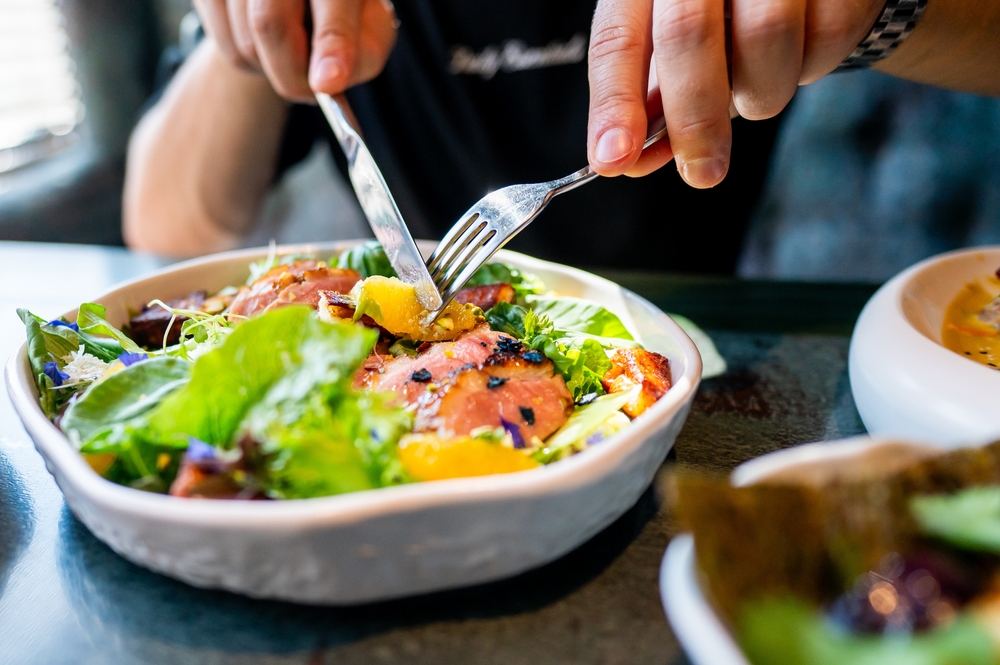
She typically eats dinner around 6 p.m. and closes the kitchen around 8 p.m. to avoid heartburn and sleep problems.
The meals are quick to prepare and often consist of roasted vegetables with chicken or salmon, stir-fries with chicken and vegetables, or quesadillas made with almond flour and filled with beans and vegetables.
There is room for something sweet
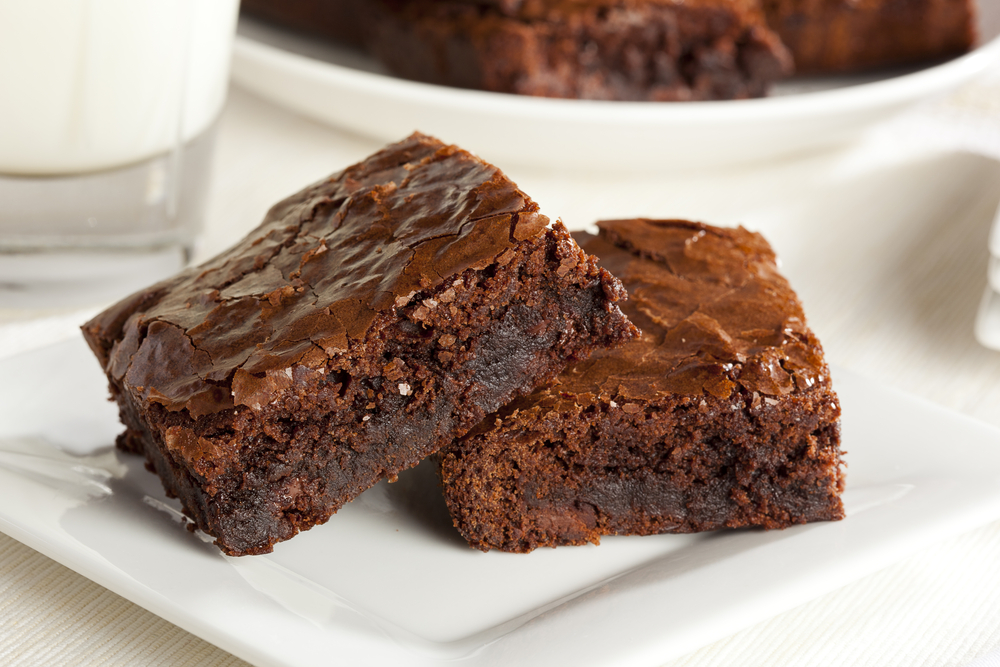
Although she does not feel a strong craving for sweets, she occasionally has a brownie or ice cream. She may also share a portion of fries.
Her approach is that nothing should be completely forbidden and that it is all about moderation, as there must also be room for what brings joy.
Sources: Parade, and Cleveland Clinic.