
Do you also find it difficult to clean between your teeth? You’re not alone. Many skip this part entirely, and it can have serious consequences.
Specialist dentist Erika Laukkanen shares her top advice for getting your interdental spaces truly clean and avoiding gum disease or periodontitis.
Interdental cleaning is often forgotten
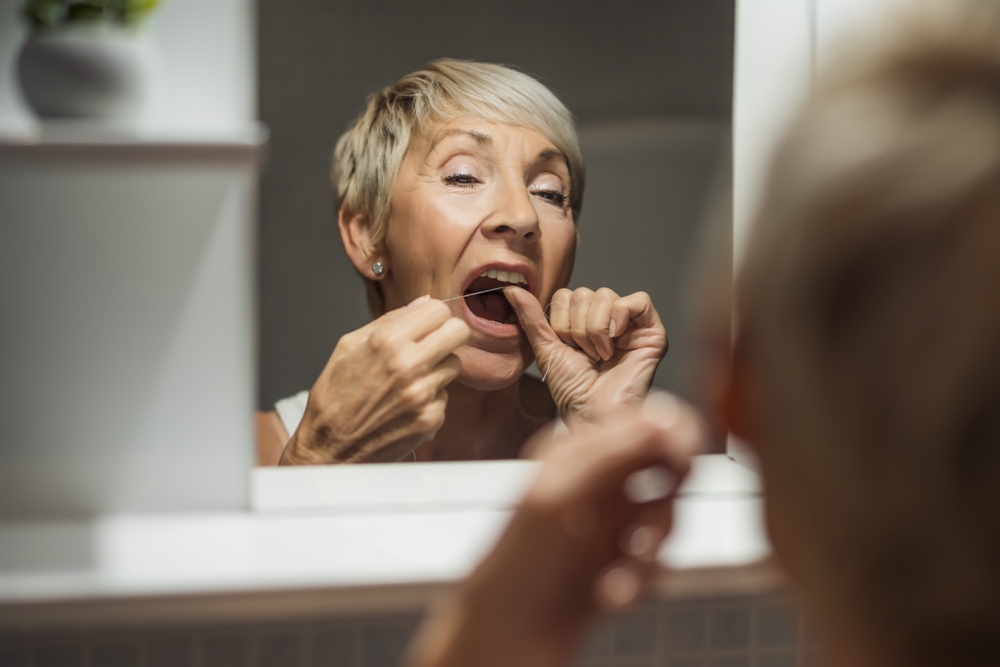
Erika Laukkanen says that people are generally worse at cleaning between their teeth than brushing them.
But this is where plaque and bacteria often accumulate – leading to serious oral health issues if ignored.
Also read: How Much Protein You Should Eat – According to Your Age and Gender
Floss is best for young people
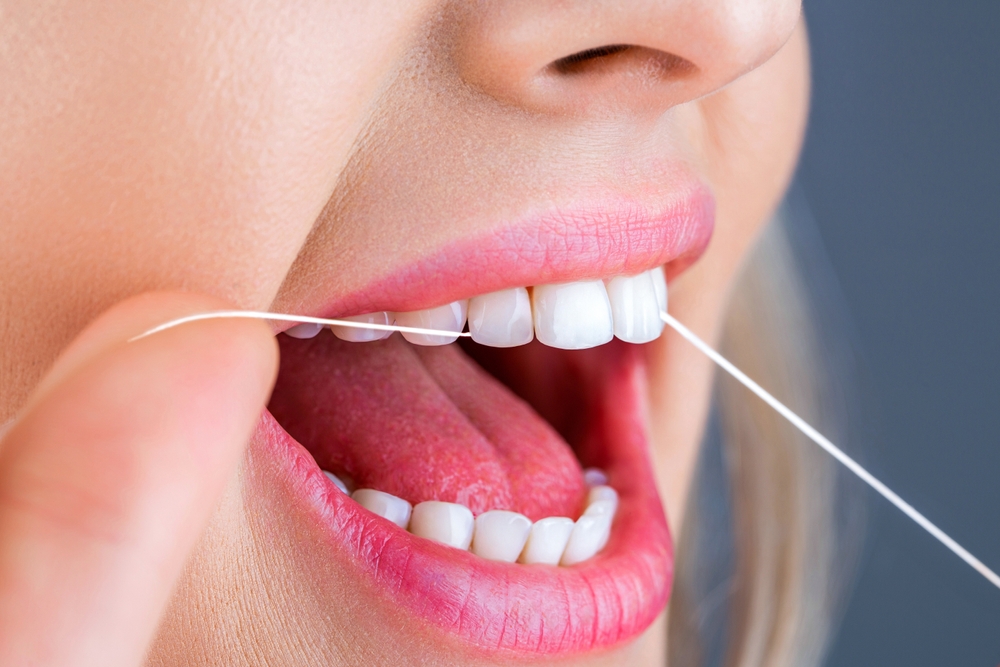
Younger individuals typically have very tight interdental spaces, making floss the only tool that fits.
While flossing may feel difficult at first, it’s often the most effective method for tightly packed teeth.
Flossing must be done correctly
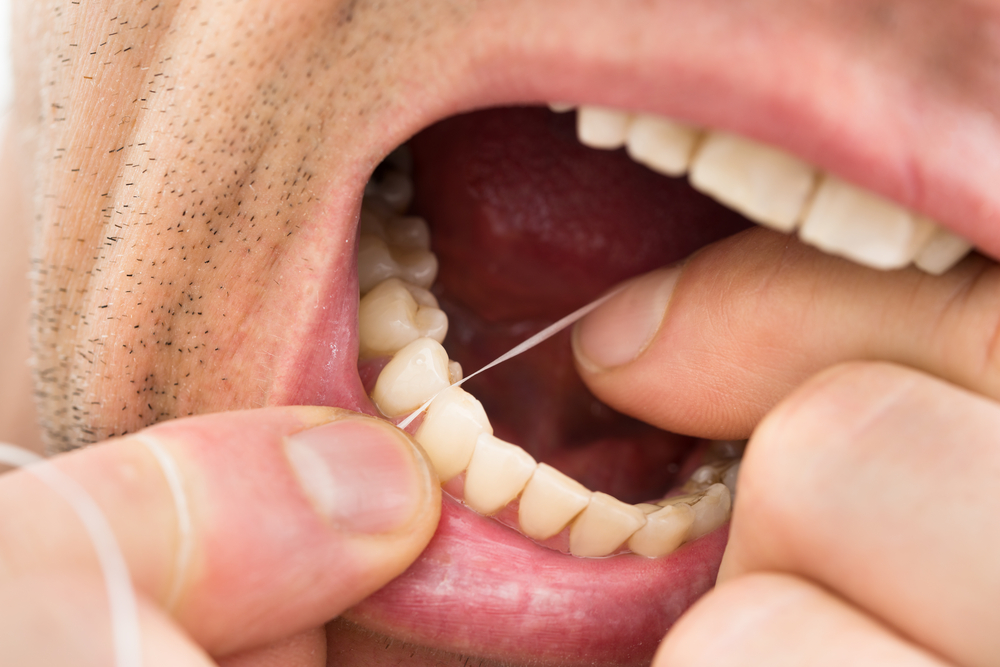
Floss must be used properly to work. Take about 30 cm of floss, gently guide it between the teeth, press it against each tooth surface, and move it back and forth.
When plaque appears on the floss, switch to a clean section.
Also read: This Is Why Your Sweat Smells – and How to Stop It
Switch to silicone picks when there’s more space
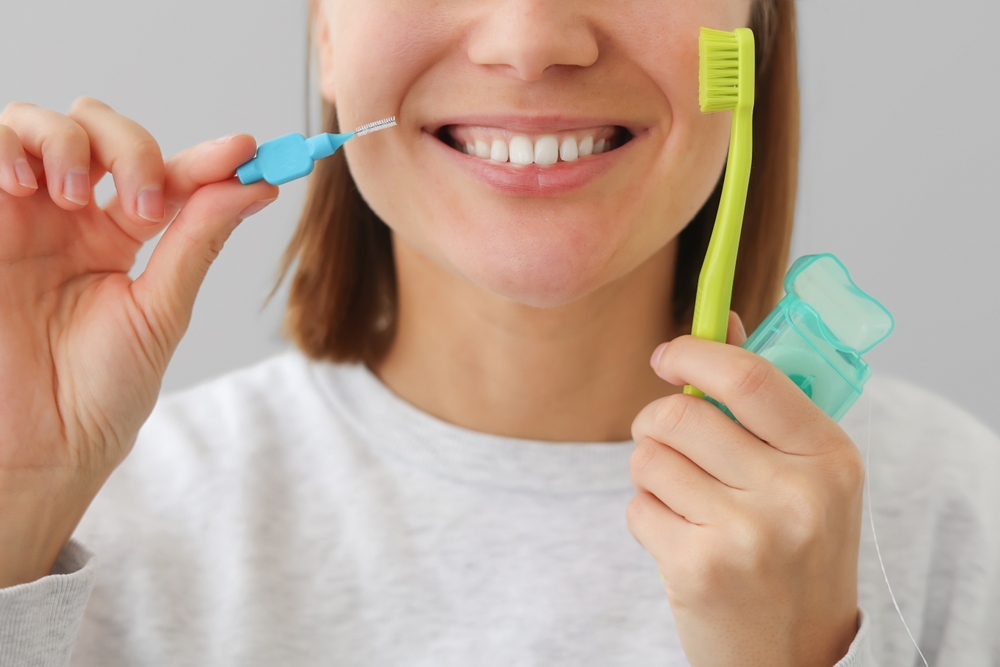
If floss starts slipping too easily between your teeth, it’s time to use a silicone toothpick. It’s gentle but effective for slightly larger gaps between teeth.
Interdental brushes are the most effective
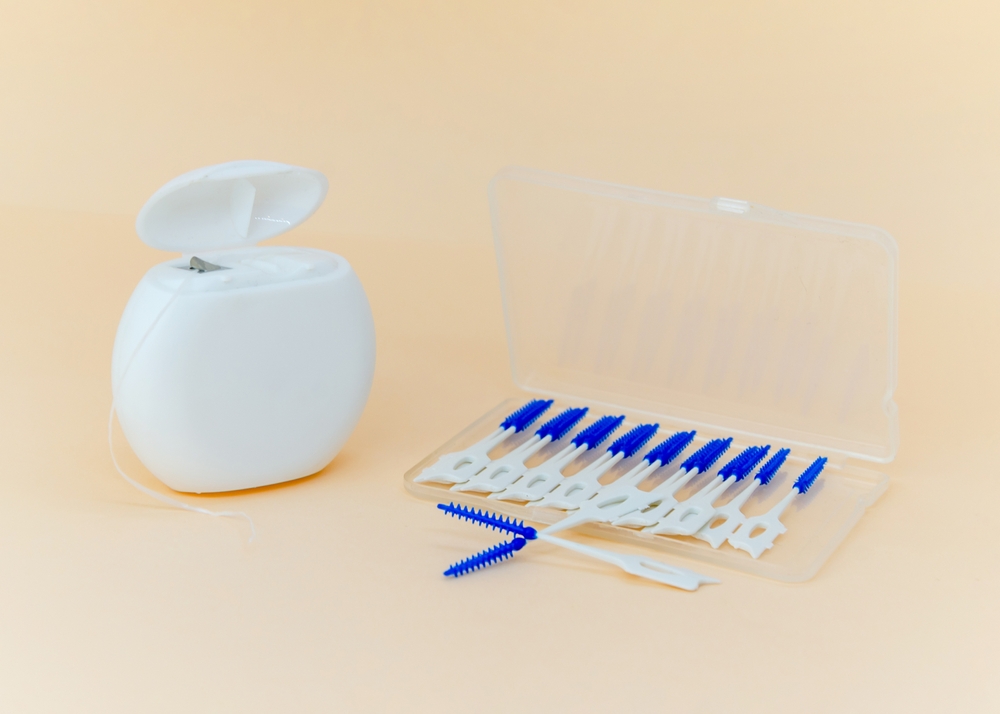
Small brushes resembling miniature Christmas trees are, according to Erika Laukkanen, the most effective tool.
Their bristles reach the entire surface of the tooth and even into gum pockets.
Use multiple tools if needed

If your teeth have both tight and open gaps, it’s perfectly fine to use a combination of tools: floss for tight spaces and interdental brushes for wider ones. One tool doesn’t fit all.
Also read: Moles in These Body Areas May Carry a Higher Risk of Skin Cancer
Ask a professional for advice
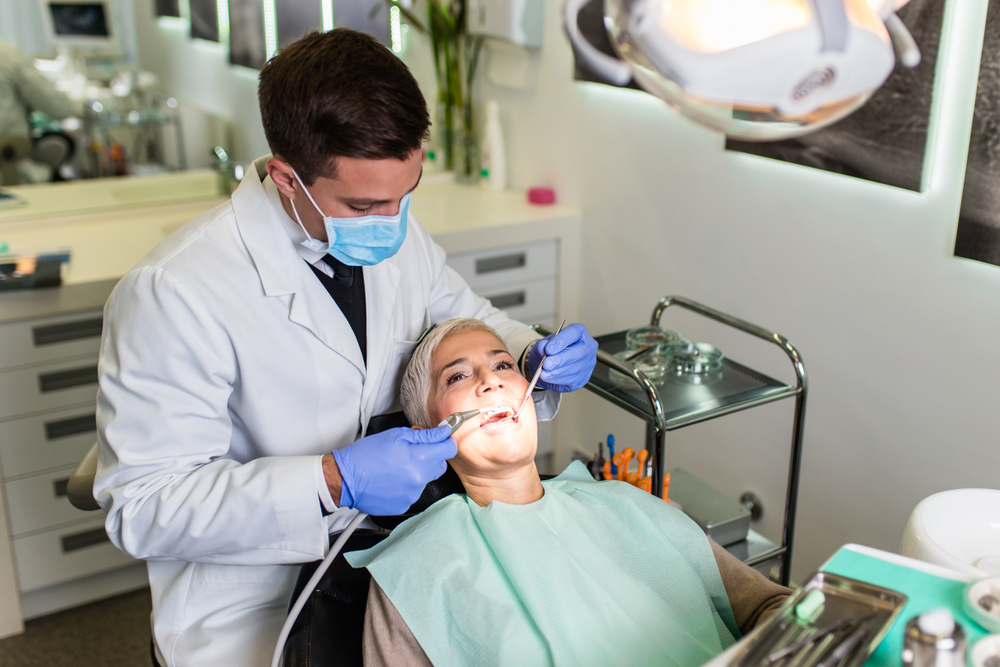
Your dentist or dental hygienist can help determine which tools best suit your specific teeth.
They can also demonstrate how to use them correctly, which can save you both time and dental problems.
Update your tools regularly
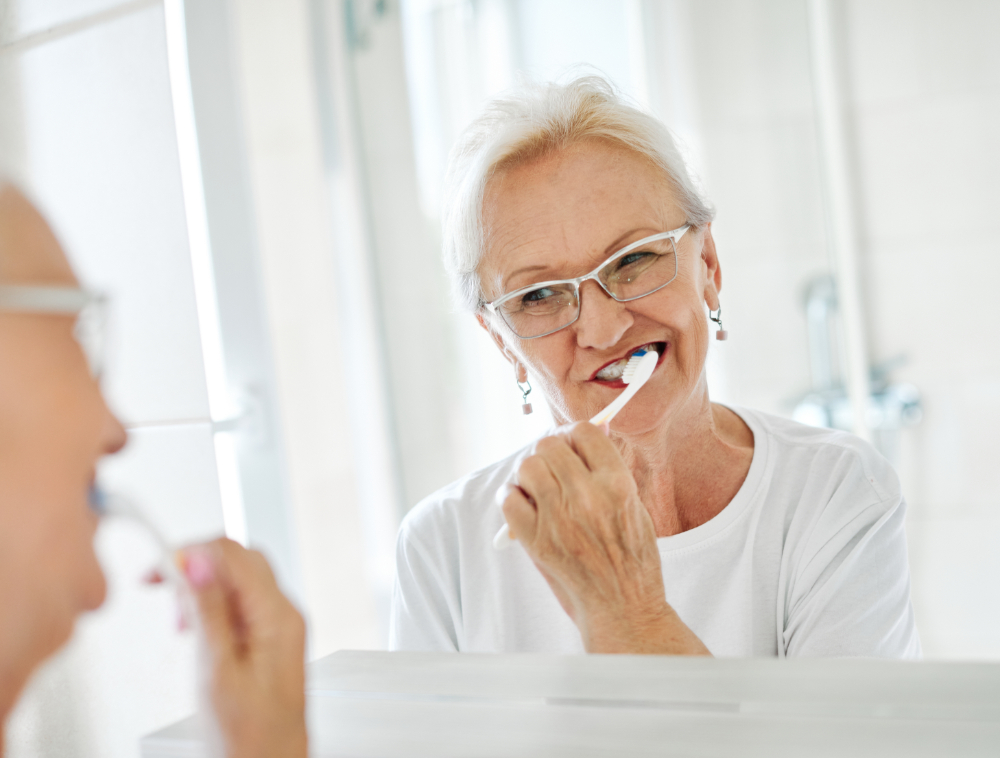
Your interdental gaps change over time due to aging, treatments, or gum health.
What worked five years ago might not be suitable now. Reassess your tools regularly with your dental professional.
Also read: Your cookware might be the hidden reason alcohol affects you worse than others
Don’t rely solely on water flossers
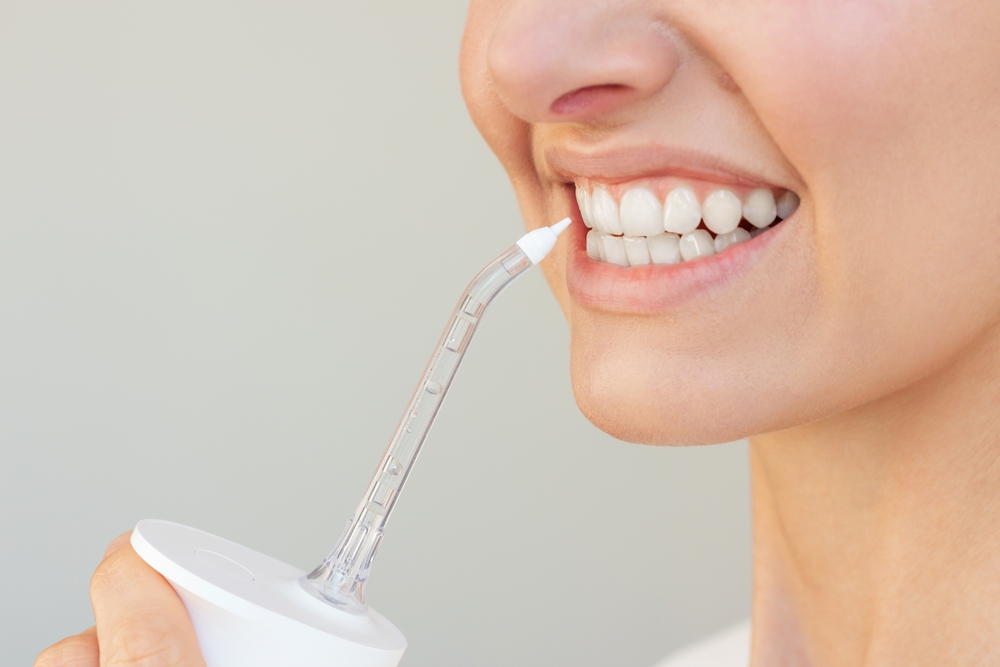
Water flossers that use pressurized water to clean between teeth are available, but Erika Laukkanen warns against relying on them alone.
Mechanical cleaning with floss or brushes is always more effective.
Timing is less important
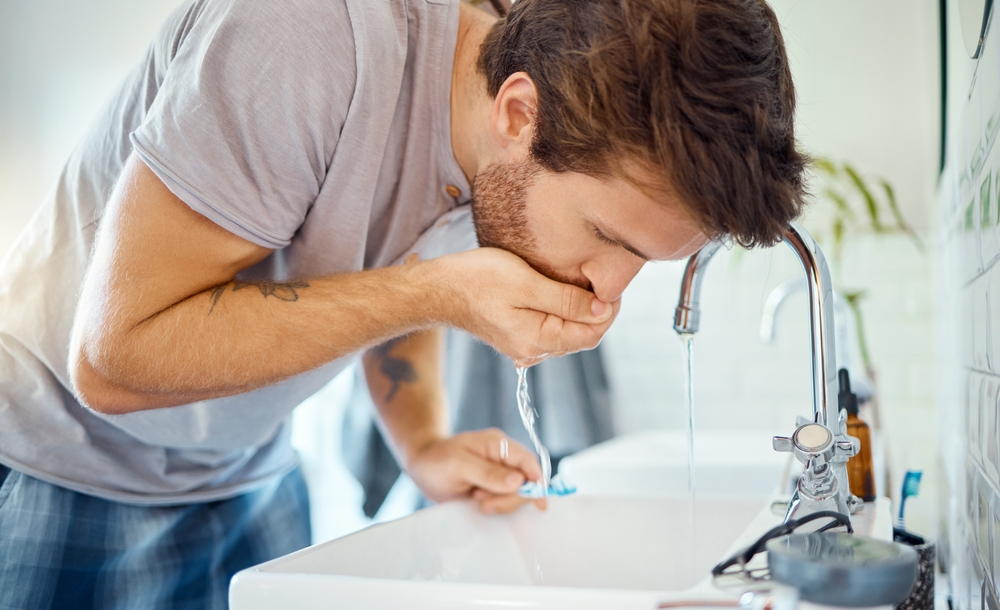
Should you clean between your teeth before or after brushing? Dentists disagree.
Erika Laukkanen believes the most important thing is that you do it at all – preferably once a day, ideally before bed.
Also read: Study Reveals: This Is the Best Time to Go to Bed
This article is based on information from Is.fi.