
Small changes in the face can sometimes reflect what is happening inside the body. Doctors say low magnesium levels may show up in subtle ways, particularly around the eyes and skin. Here are the key signs and medical explanations.
Magnesium’s role in the body

Magnesium is essential for muscle function, nerve signaling, heart rhythm and healthy skin. The body can adapt to low levels, which means symptoms are often mild at first.
When the body stays quiet

According to Dr. Mohit Sharma, magnesium supports nerve signaling, muscle relaxation, sleep regulation, glucose breakdown and cell repair. A deficiency may not cause dramatic symptoms, and early signs can be easy to miss.
Persistent eyelid twitching

Repeated eyelid twitching is a common complaint. Low magnesium can increase neuromuscular excitability, making the tiny muscles around the eyes more prone to spasms.
Also read: GLP-1 medication may help reduce the risk of uterine cancer
Dark circles under the eyes

Ongoing dark circles may be linked to lack of sleep, allergies or nutritional deficiencies. Some people notice improvement after correcting dietary gaps.
Jaw and facial tension

Magnesium acts as a natural muscle relaxant. Low levels may contribute to jaw clenching, cheek stiffness and small facial twitches, often alongside stress and poor sleep.
Dull or dry skin
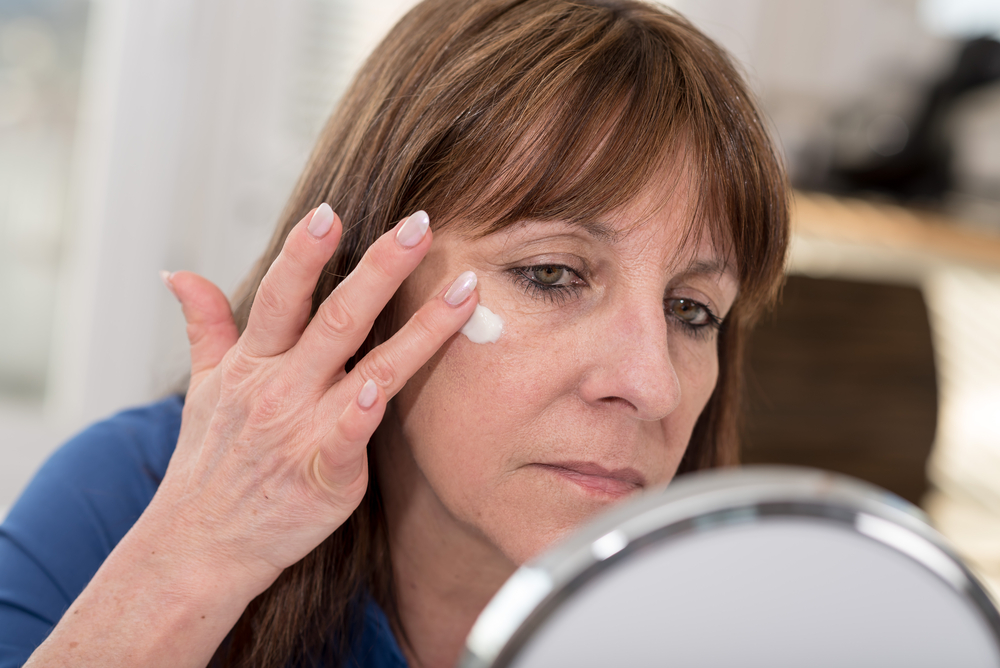
The mineral plays a role in skin barrier repair and cell turnover. Insufficient magnesium may be associated with dry, sensitive or lackluster skin, especially near the eyes and lips.
Morning puffiness

Magnesium helps regulate inflammation and fluid balance. When levels are low, fluid retention can become more noticeable, leading to swelling around the eyes.
Also read: Trump’s testosterone level highlighted by Kennedy Jr. as remarkable
Light sensitivity and eye strain

Some people experience eye fatigue or sensitivity to light without a clear eye disorder. Magnesium deficiency has been linked to increased nerve excitability, which is also seen in migraine sufferers.
Challenges in testing

Serum magnesium is the most common test but reflects only a small portion of total body magnesium. Doctors stress that results should be interpreted alongside symptoms and dietary history.
Other overlooked symptoms

Dr. Manjusha Agarwal notes that deficiency may also involve headaches, migraines, drooping eyelids, twitching at the corners of the mouth, muscle cramps, leg pain and insomnia.
Who should seek evaluation

People with chronic gastrointestinal disease, long term use of diuretics or proton pump inhibitors, alcohol dependence, uncontrolled diabetes or older age may require medical assessment if symptoms persist.
Also read: How to choose the healthiest yogurt at the supermarket
Diet as a first step

Doctors recommend magnesium rich foods such as nuts, seeds, leafy greens, whole grains and legumes. If symptoms continue, medical testing and professional guidance are advised.
Sleep and skin connection

Dr. Priyanka Hemrajani highlights the link between magnesium, deep sleep and skin repair. Low levels may worsen stress and affect overall skin appearance.
Caution with supplements

Supplement use should be supervised by a doctor, particularly for individuals with kidney disease. Excess intake can cause digestive upset and must be tailored to individual needs.
Sources: Times of India
Also read: Climate-friendly diet can reduce mortality by 23 percent, new study shows
Also read: Study finds exercise as effective as medication for depression and anxiety