
Dreaming about deceased loved ones can be both unsettling and thought provoking.
According to dream experts, these dreams may have deeper meanings related to emotions, personal changes, and even subconscious fears.
Here are some possible reasons why you might be dreaming about death and deceased individuals.
Dreams reflect grief

One of the most obvious explanations is that you are still mourning the loss.
Even if you believe you have processed your grief, your subconscious mind may still be holding onto emotions that surface in your dreams.
Unconscious longing

Dreams often bring hidden emotions to the surface.
If you dream about a deceased person you miss, it might be a sign that you unconsciously long for their presence or guidance.
Major life changes

Dream experts suggest that death in dreams often symbolizes transformation.
Dreaming of the deceased could be a metaphor for a new phase in your life, where something old ends and something new begins.
Subconscious stress

Frequent dreams about death or deceased individuals may be linked to stress and anxiety.
Worries and emotional turmoil in daily life can manifest in your dreams, making them more intense.
Unresolved emotions

If you had unresolved conflicts or lingering emotions toward a deceased person, your subconscious mind might be trying to process these feelings through your dreams.
Illness influences dreams
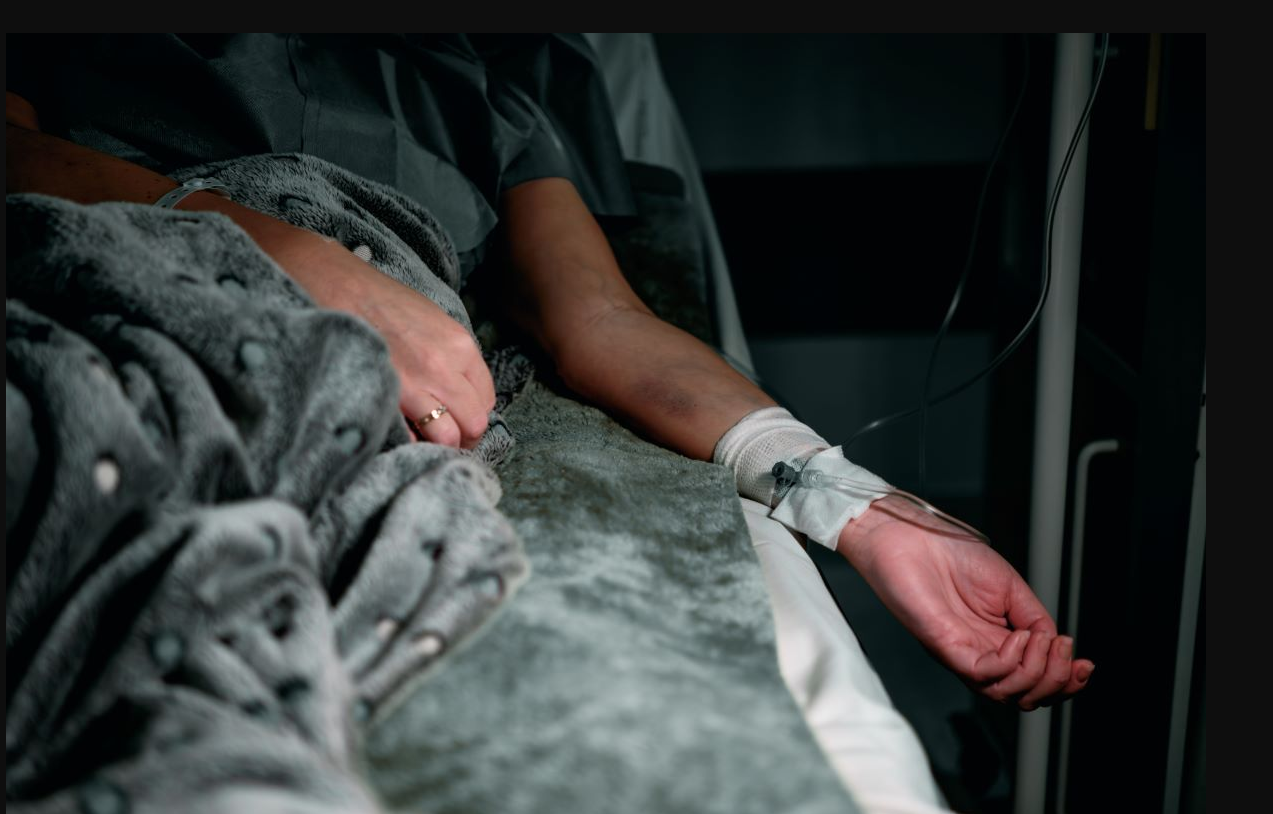
A study from India found that people with terminal illnesses often dream about deceased loved ones.
This could be due to an increased awareness of life’s fragility and an impending sense of closure.
A reminder of life’s fragility

Some dreams serve as a wake-up call. Dreaming of death may be your subconscious way of reminding you to appreciate life and cherish the people around you.
A need for connection

Some believe that dreams about deceased loved ones could be a form of spiritual communication.
If the dream brings comfort, it may be a way for your mind to maintain a connection with the person who has passed.
Fear of losing someone
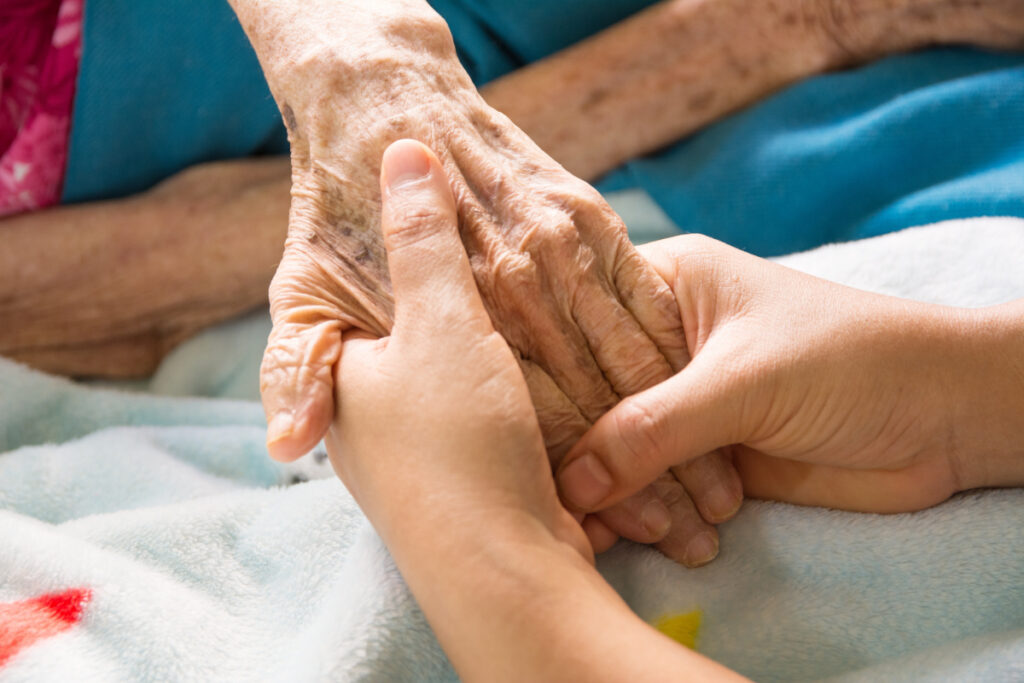
Dreams about death can sometimes reflect your fear of losing someone important in your life.
This doesn’t necessarily predict an actual loss but rather highlights your concerns and attachment.
Meaning depends on the dream’s emotion

The interpretation of the dream often depends on how you feel when you wake up.
If you feel calm, it could symbolize acceptance and transition, whereas anxiety may indicate unresolved emotions or stress.
This article is based on information from Pensionist og Healthline.
This article is made and published by Ida-Marie Palm Varbæk, who may have used AI in the preparation.