
Coughing can be annoying, but it often serves as a crucial signal from your body.
The type of cough you have – whether dry, wet, or wheezing – can reveal a lot about its cause.
Some coughs are harmless, while others may indicate serious conditions. Here’s a breakdown of different types of coughs and what they might mean.
The viral cough

A dry and often painful cough that appears suddenly. It is usually caused by viruses like the flu, COVID-19, or the common cold.
Cough suppressants with codeine can help, but expectorants won’t be effective.
The bacterial cough

A phlegmy, rattling cough that produces yellow or green mucus.
This type of cough is caused by bacterial infections and may lead to pneumonia if left untreated. Antibiotics can help, and expectorants may ease symptoms.
Whooping cough

Characterized by violent coughing fits followed by a high-pitched “whoop” sound when breathing in.
This is caused by the Bordetella pertussis bacterium and requires medical treatment. It can be particularly dangerous for infants.
Post-infection cough

A persistent, phlegmy cough that lingers after a viral infection.
It may become chronic, especially in smokers and people with lung conditions. Herbal teas and expectorants can provide relief.
When to call a doctor

If your cough lasts longer than a few weeks, produces thick yellow or green mucus, or is accompanied by fever, shortness of breath, or chest pain, you should seek medical advice.
The difference between wet and dry coughs

A wet cough produces mucus, while a dry cough does not.
Wet coughs are typically caused by infections, while dry coughs are more common with allergies or viral illnesses.
The role of mucus color

Clear or white mucus usually indicates a viral infection, while yellow or green mucus suggests a bacterial infection that may require antibiotics.
The link to asthma

A wheezing cough could be a sign of asthma or bronchial infections. If you experience frequent wheezing, consult a doctor for proper treatment.
The dangers of untreated coughs
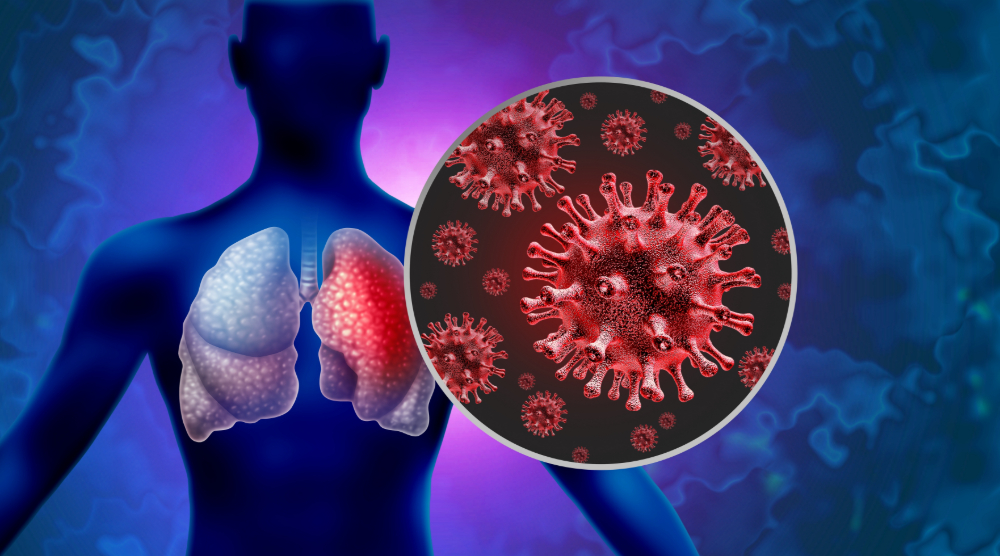
A persistent bacterial cough can lead to lung infections like pneumonia, while untreated asthma-related coughing can result in serious breathing difficulties.
Cough treatments

For dry coughs, cough suppressants can help.
For wet coughs, expectorants and drinking plenty of fluids are recommended. People with asthma may need special medication.
This article is based on information from B.T.
This article is made and published by Ida-Marie Palm Varbæk, who may have used AI in the preparation.