
Oral cancer is a type of cancer that develops in the mouth and can affect several different areas of the oral cavity.
Being aware of early symptoms and understanding the risk factors can be important, according to Mayo Clinic.
What is oral cancer?
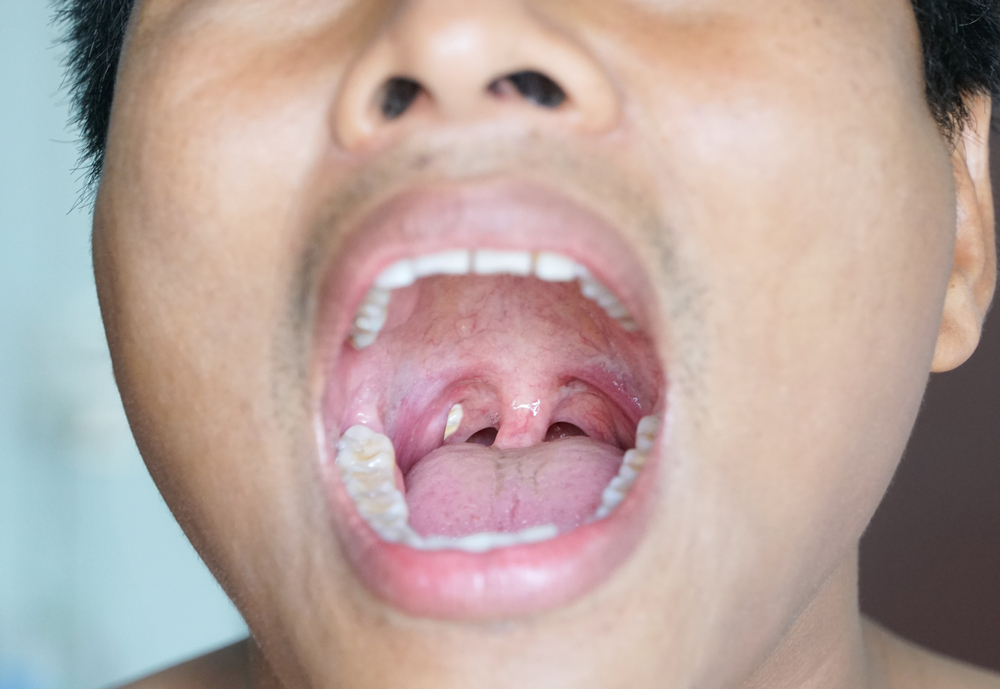
Oral cancer is the growth of cancerous cells that begins in the mouth.
It is classified as a head and neck cancer and is often treated in the same way as other cancers in this region.
Also read: Caffeinated coffee tied to lower dementia risk in 43-year study, decaf shows no benefit
Where can oral cancer develop?

Oral cancer can develop on the lips, gums, tongue, the inner cheeks, the roof of the mouth, or the floor of the mouth.
Oral cancer often begins in specific cells
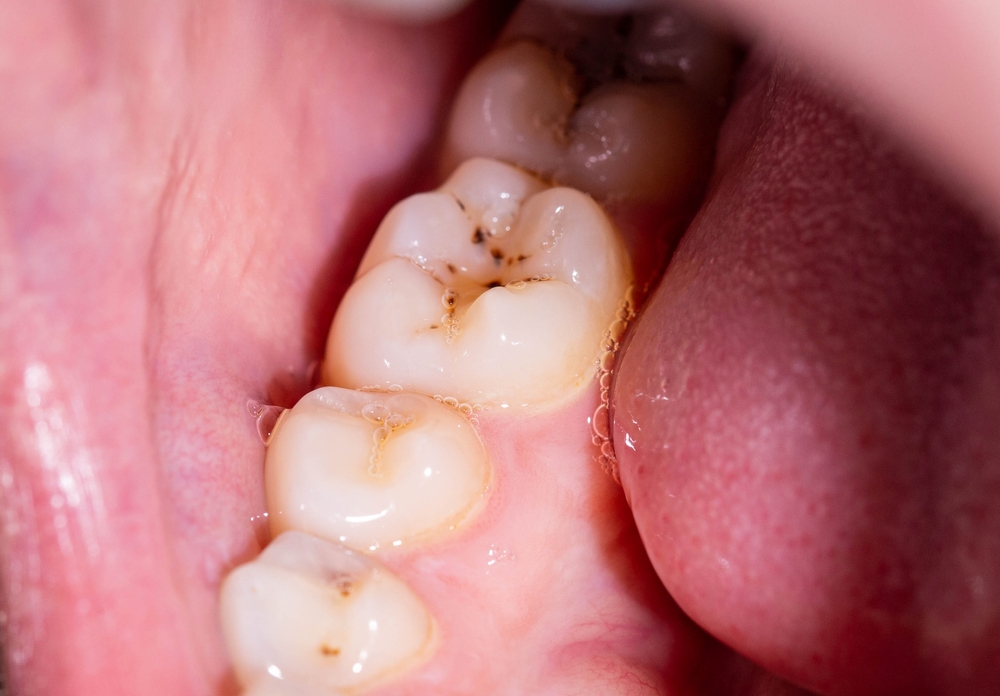
Most cases start in the thin, flat cells that line the lips and the inside of the mouth.
This type of cancer is known as squamous cell carcinoma.
Sores that do not heal
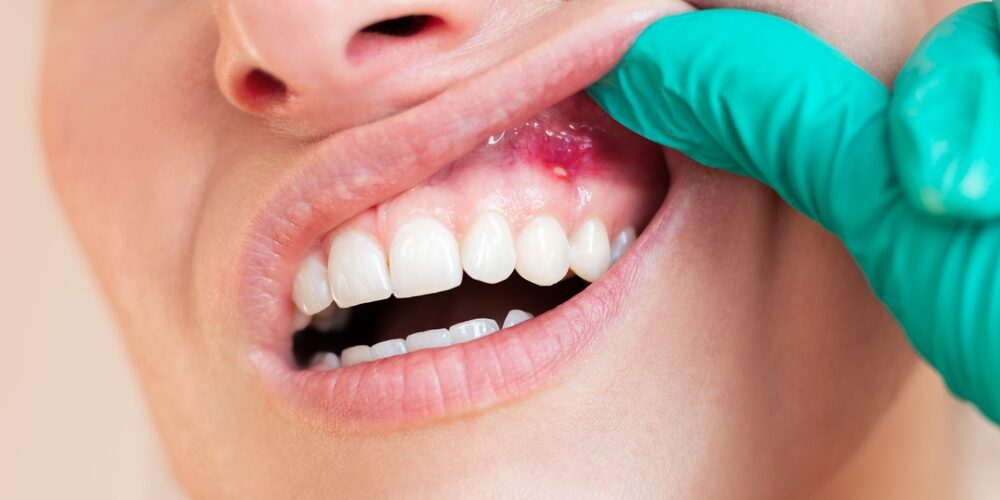
A sore on the lip or inside the mouth that does not heal may be a sign of oral cancer.
Also read: The first hour after waking: 8 morning habits chronobiology says to rethink
White or red patches
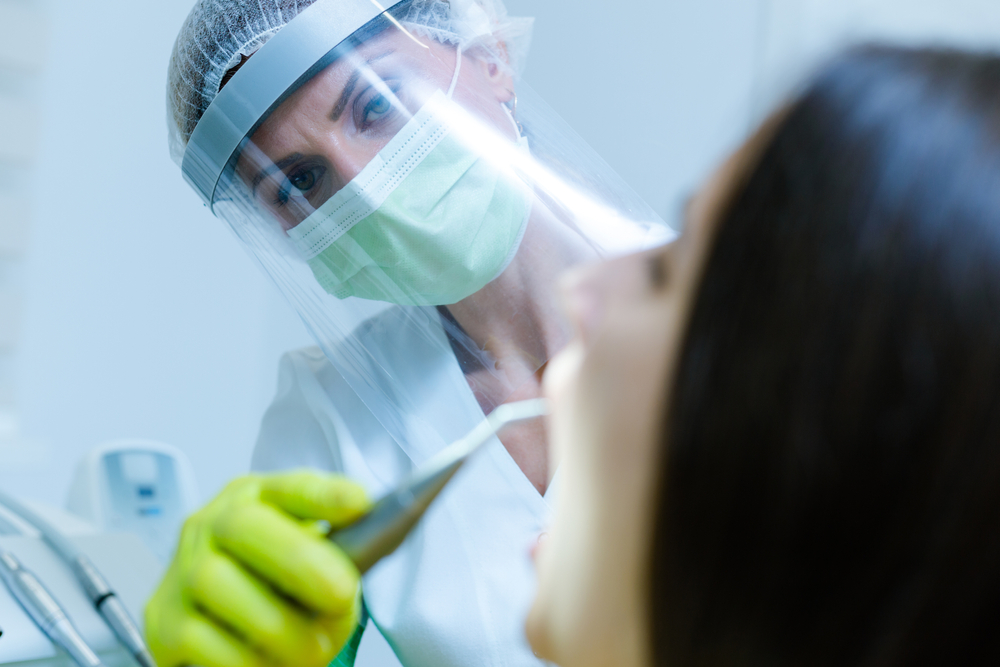
Changes in the lining of the mouth, such as white or red patches, may be a symptom of the disease.
Loose teeth can be a warning sign
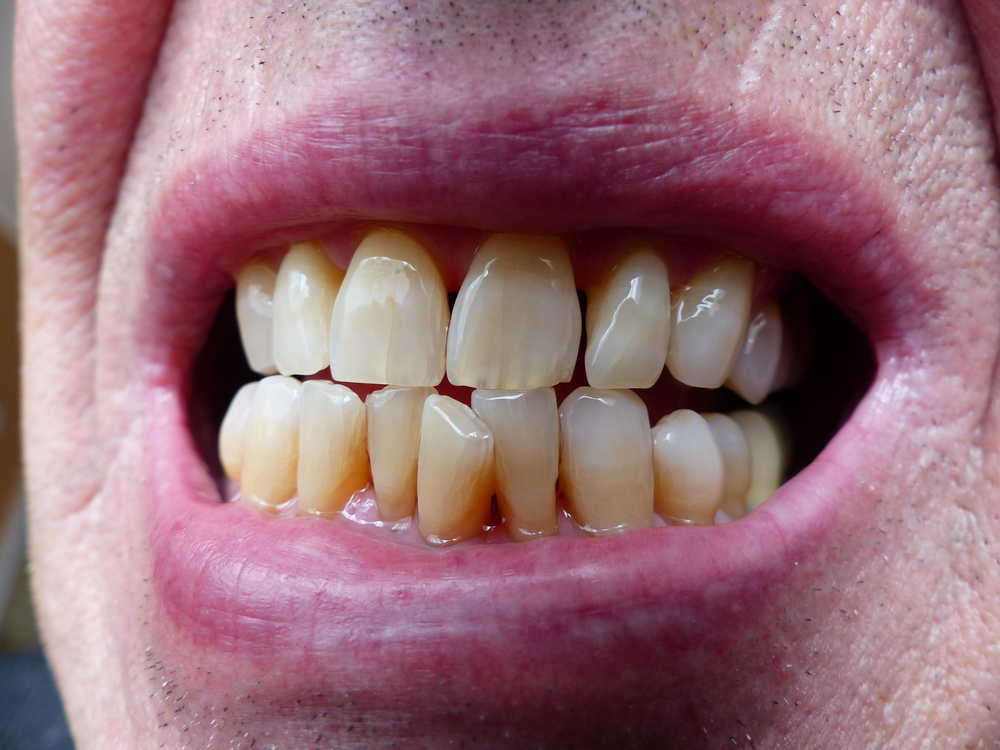
Oral cancer may cause teeth to become loose.
Lump or swelling in the mouth

A lump or other abnormal growth inside the mouth may be a possible symptom of oral cancer.
Pain in the mouth or ear

Oral cancer can cause pain in the mouth and, in some cases, ear pain.
Also read: Long-term use of e-cigarettes may increase exposure to harmful chemicals
Difficulty swallowing

People with oral cancer may experience difficulty or pain when swallowing.
Changes in the cells' DNA
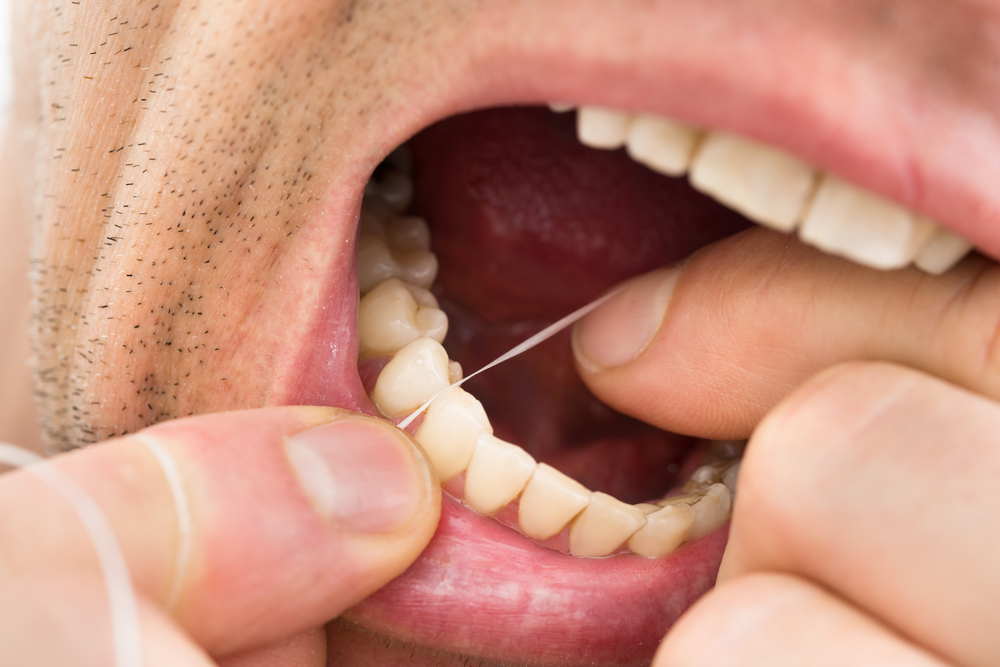
Oral cancer develops when cells in the lips or mouth undergo changes in their DNA.
These changes cause cancer cells to grow and divide more rapidly than normal cells.
The cancer can spread

Cancer cells can form a tumor that grows into healthy tissue. Over time, they may spread to other parts of the body.
Also read: Early warning signs of colorectal cancer that younger adults should not ignore
Tobacco increases the risk

All forms of tobacco, including cigarettes, cigars, pipes, chewing tobacco, and snuff, increase the risk of developing oral cancer.
Alcohol further increases the risk

Frequent and heavy alcohol consumption increases the risk of oral cancer.
The risk becomes even greater when alcohol use is combined with tobacco use.
Sun exposure and HPV also play a role
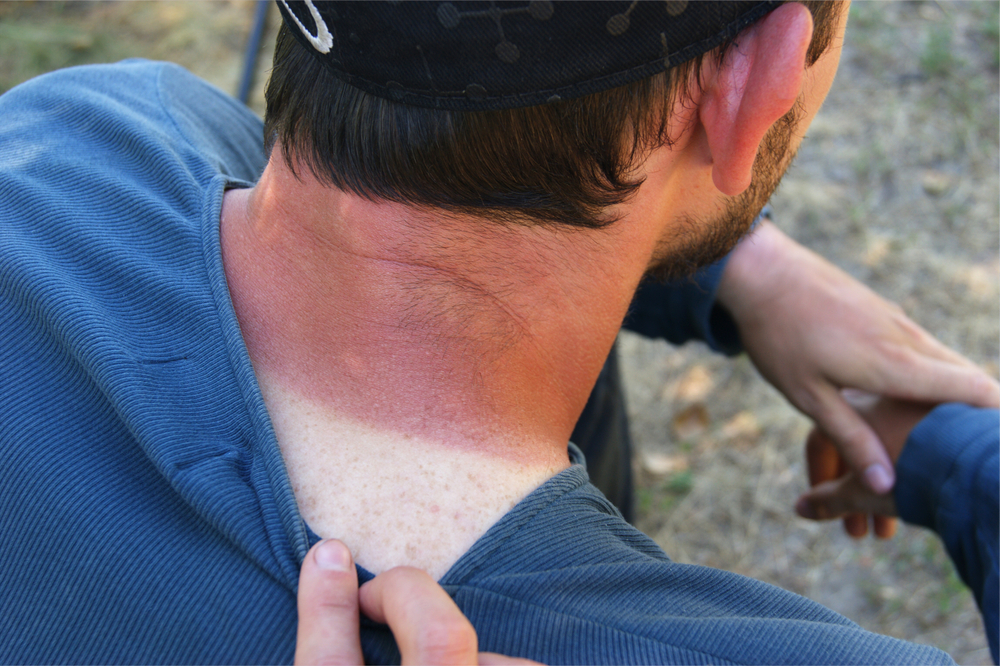
Excessive exposure to ultraviolet (UV) radiation on the lips can increase the risk of lip cancer.
Also read: The hidden cholesterol sign you might spot in your legs
Human papillomavirus (HPV) infection can also cause cellular changes that may develop into oral cancer.
How to reduce your risk

The risk of oral cancer may be reduced by avoiding tobacco, limiting alcohol consumption, protecting the lips from excessive sun exposure, considering HPV vaccination after consulting a healthcare professional, and having regular check-ups with a doctor or dentist.
This article is made and published by Ida-Marie Palm Varbæk, who may have used AI in the preparation.