
A proper diet can make a huge difference for anyone living with cirrhosis, other chronic liver diseases, or just want to take care of their liver.
Here’s your quick guide with some clear tips and foods that help keep your liver healthy and reduce risks of complications or cancer.
Get enough daily energy

To prevent your body from breaking down its own proteins, you should aim for 30–35 kcal per kg of ideal body weight every day.
This keeps your energy levels stable and preserves muscle mass.
Also read: This Is How a Heatwave Affects Your Body Minute by Minute
Eat enough protein – but the right kind
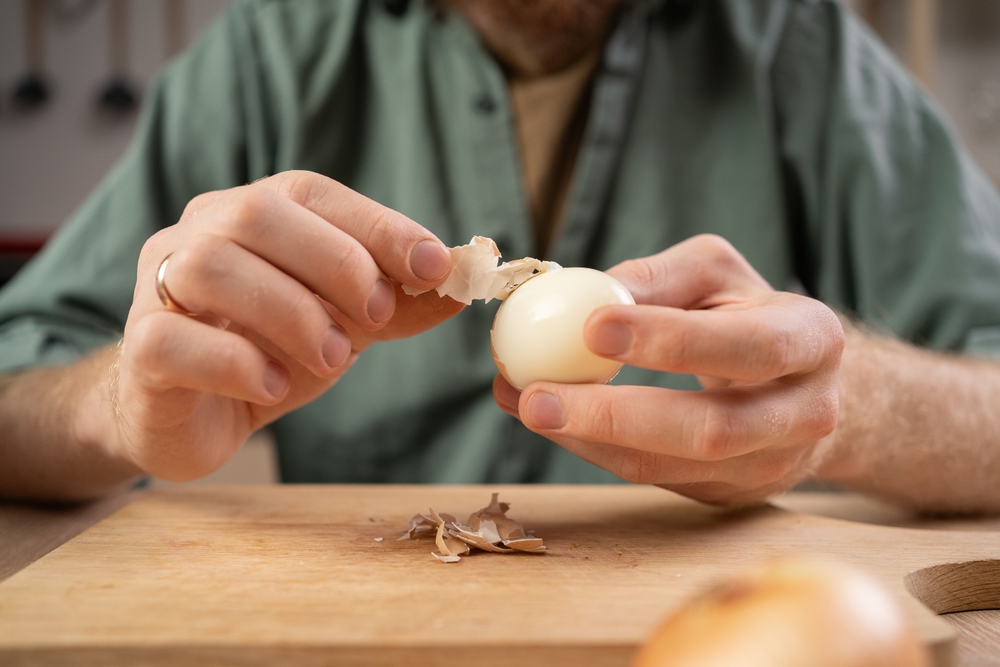
If you have cirrhosis, you need about 1.2–1.5g of protein per kg body weight daily. If you’re malnourished or have muscle loss, this is even more important.
Focus on proteins rich in BCAAs (branched-chain amino acids) as they produce less ammonia during digestion.
Choose healthy fats
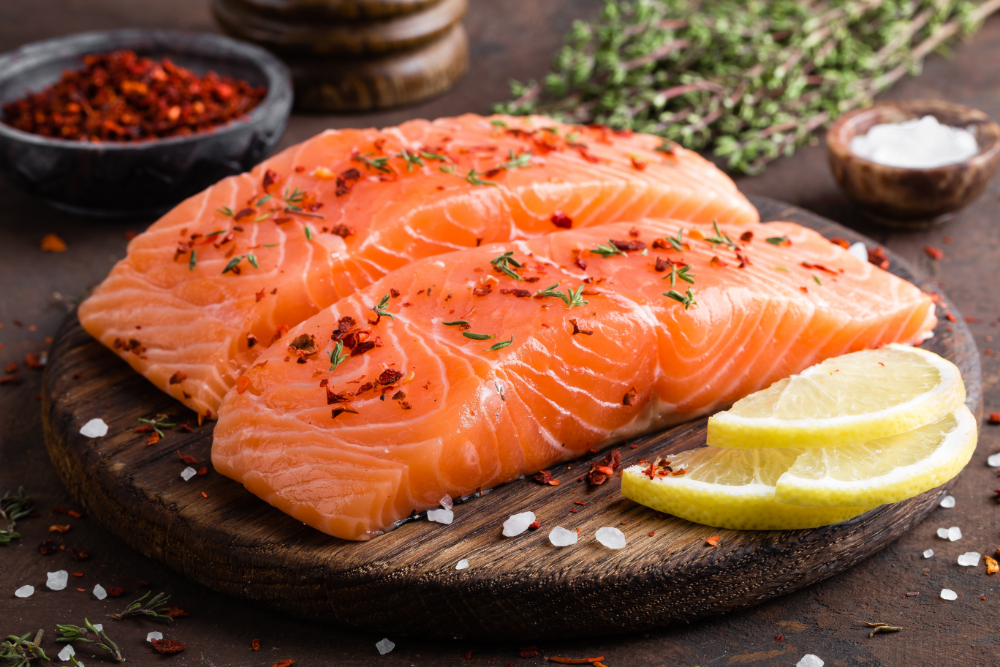
About 25 % of your total daily energy should come from fats – but choose good ones.
Omega-3 from fatty fish like mackerel or salmon and unsaturated fats from nuts and seeds are ideal.
Also read: 10 Easy Ways to Say Goodbye to Constipation for Good
Don’t skip carbohydrates
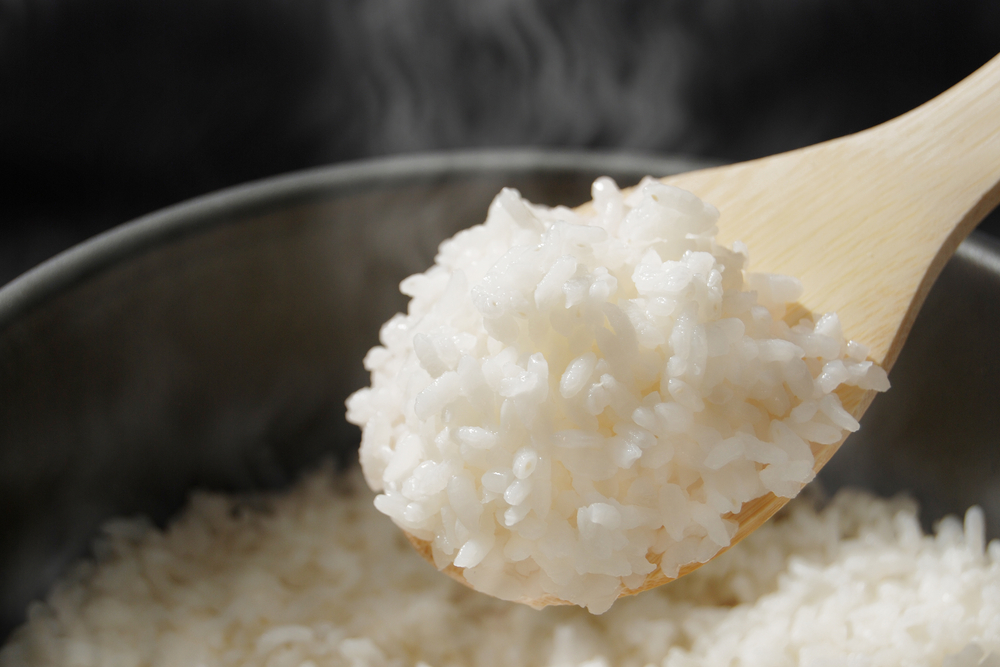
Carbs help maintain your liver’s glycogen stores.
Eat rice, potatoes, sweet potatoes, or moderate amounts of bread or pastries, but control your intake, especially if you’re overweight.
Get enough fat-soluble vitamins
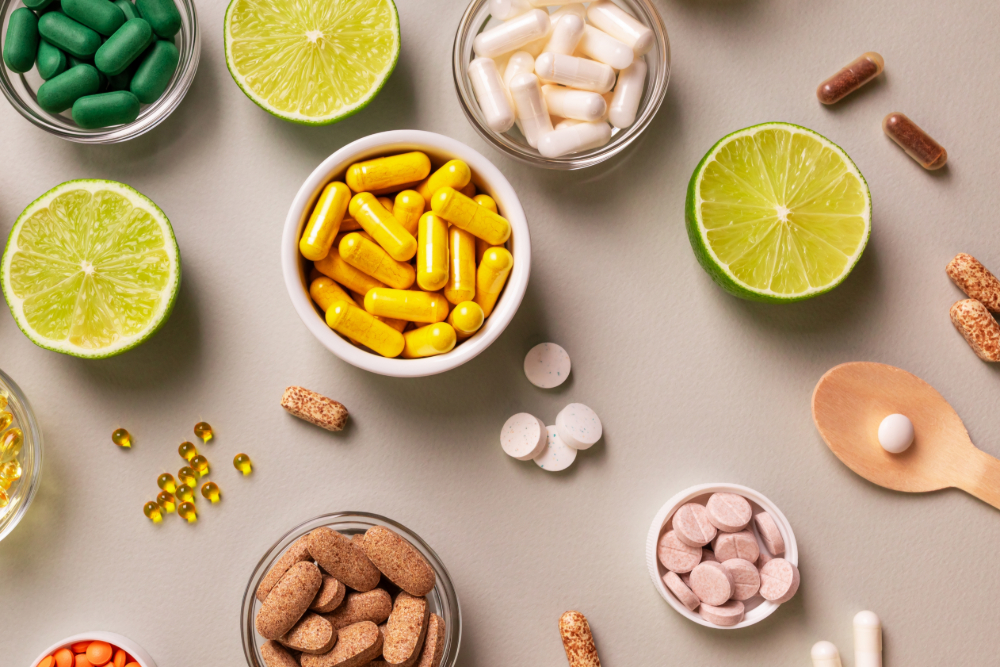
Fat-soluble vitamins A, D, E, and K are often low in people with cirrhosis. Make sure you get enough from your diet and ask your doctor if you need supplements.
Watch your salt and fluids
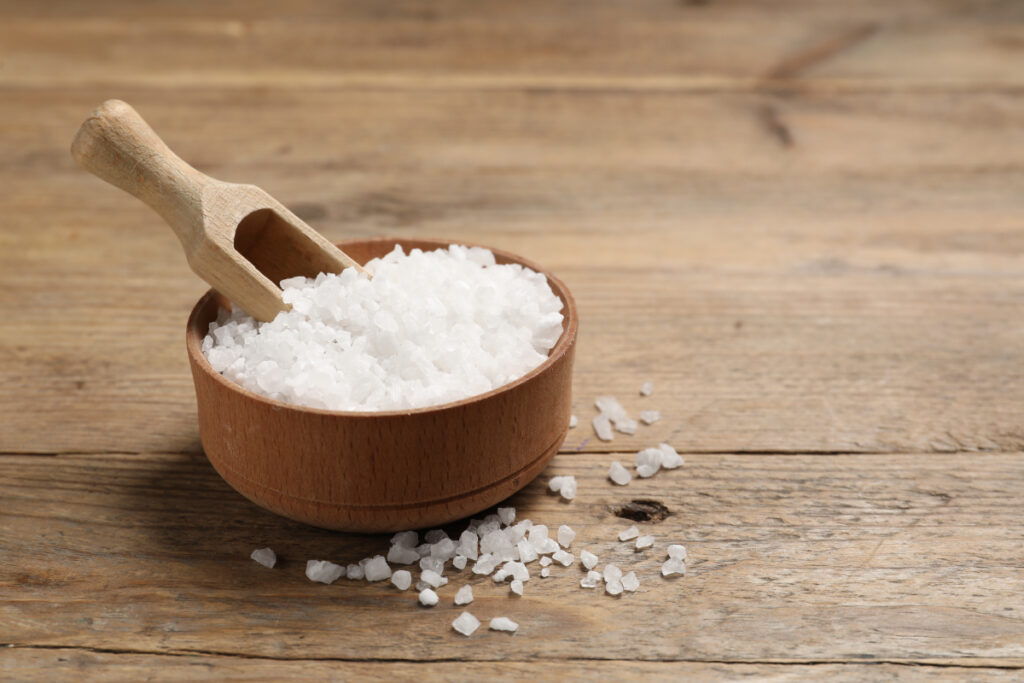
Keep your daily salt intake below 5g to reduce fluid retention.
Also read: Sip Your Way to a Healthier Blood Pressure with These 10 Drinks
Usually it’s enough to drink about 1–1½ litres of fluids a day. Everything counts towards your fluid intake – including water, coffee, tea, milk, juice and other drinks.
Eat smaller meals throughout the day

Split your meals into 4–6 small portions a day. This prevents low blood sugar and helps when the liver struggles to store energy.
A late-night snack of about 200 kcal can reduce muscle breakdown.
Include foods high in BCAAs
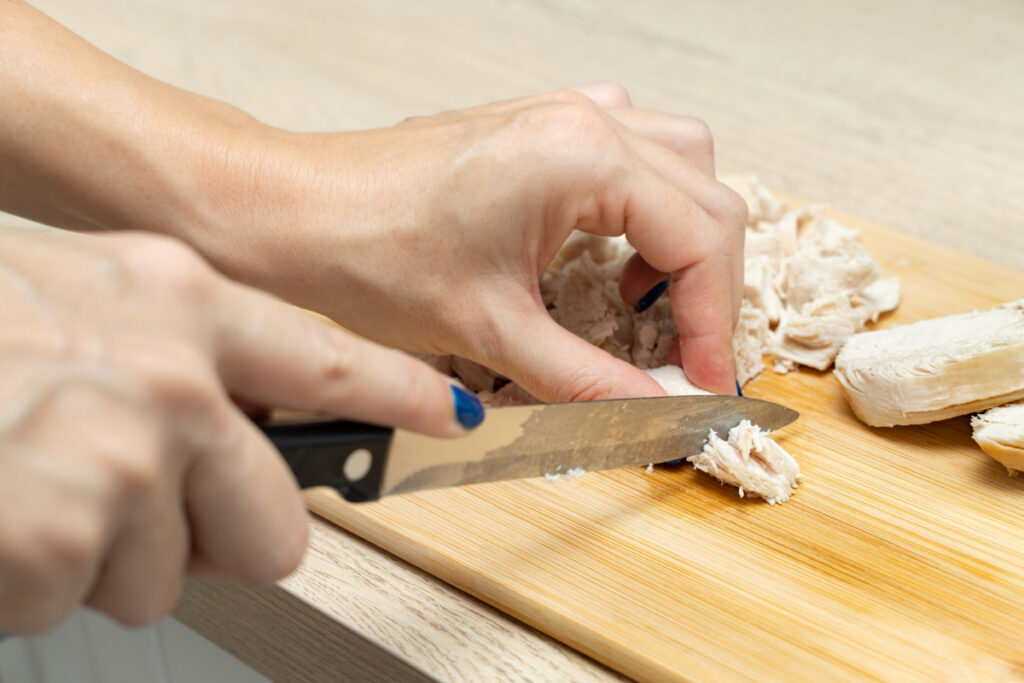
Good choices include soybeans, bean sprouts, jute leaves, pumpkin seeds, lean meats like chicken, and fatty fish like mackerel, sardines, or salmon.
Also read: The Best Breakfast to Boost Your Health After 50
These support the liver without overloading it.
Add fiber-rich foods for digestion
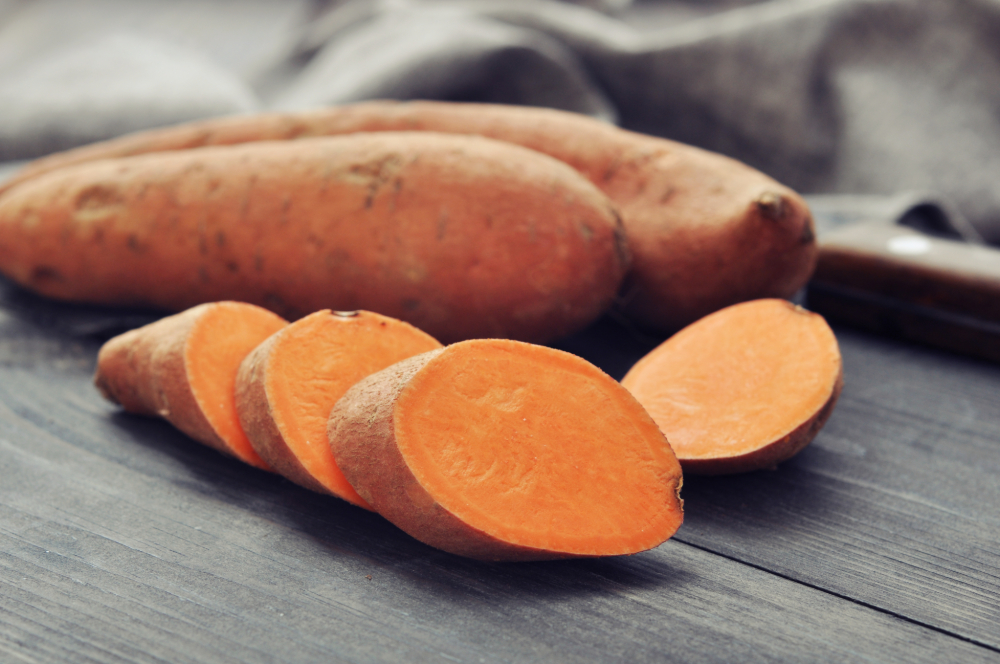
Fiber – especially soluble fiber – helps regulate blood sugar, reduce ammonia absorption, and prevent constipation.
Sweet potatoes, papaya, and soft, fresh fruits are great options.
Avoid liver-stressing foods
Say no to deep-fried foods, processed products with dyes and preservatives, organ meats, raw seafood, and strong stimulants like alcohol, coffee, or tea.
Also read: Here’s What’s Hiding in Your Laundry – You Must Clean It Now
They can all stress your liver more than necessary.
This article is based on information from Tienphong.vn og Fødevarestyrelsen.
This article is made and published by Ida-Marie Palm Varbæk, who may have used AI in the preparation.