
When the goal is weight loss, it’s worth considering whether intense workouts or daily routines are more effective.
Experts highlight everyday movement as an often-overlooked yet powerful way to burn fat.
Everyday movement counts more than you think

Walking, cycling, or cleaning can be just as valuable as a run. Small actions add up to a significant overall effect.
Realistic habits beat hard training

The key is choosing something you can stick with long-term. Intense training often loses its impact if it doesn’t feel realistic.
Also read: Runny Nose or Fever? How to Tell a Cold from the Flu
Commuting can make the difference

Walking or cycling to work can significantly contribute to weight loss over time. It requires no extra hours beyond your daily transport.
Less motivation is needed

Everyday movement feels easier than heading to the gym. You avoid the mental hurdle of planned training sessions.
Science backs it up

Studies show exercise routines often fade when used mainly as a weight loss tool. Everyday activity proves far more sustainable.
The e-bike as a smart solution
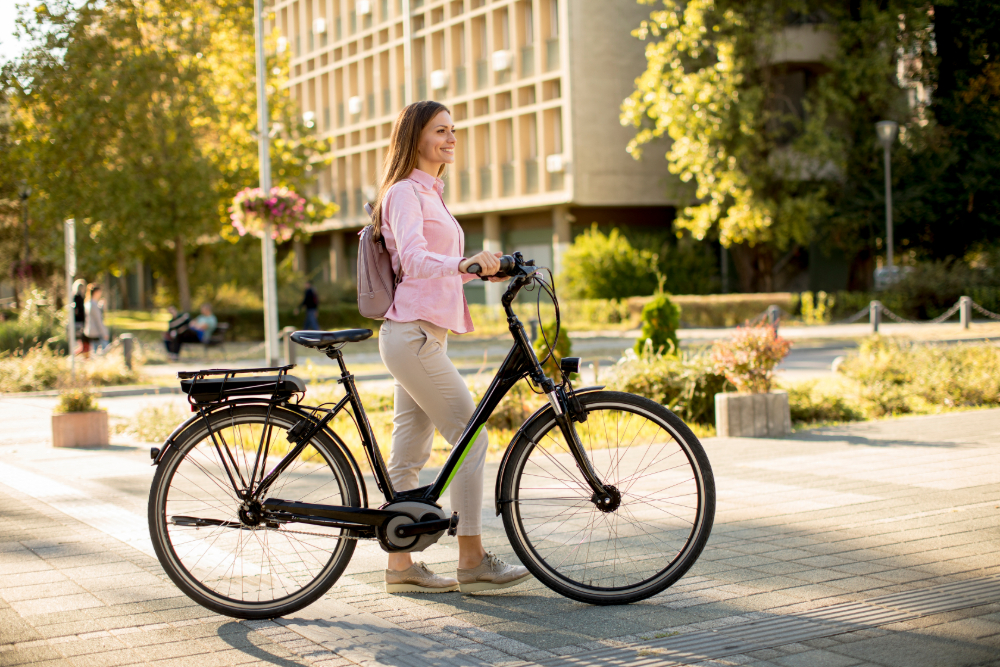
An e-bike can motivate you to leave the car behind. Even with motor assistance, it adds daily activity and calorie burn.
Also read: Simple Exercises to Relieve Your Lower Back Pain
NEAT – the hidden fat burn

“Non-exercise activity thermogenesis” refers to the energy you burn outside formal workouts. It includes cleaning, gardening, or standing up.
Small actions have big impact

Taking the stairs or standing up during phone calls makes a difference. Repeated daily, it leads to many extra calories burned.
Walk-and-talk as work culture

Walking meetings provide free exercise without stealing time. It’s an easy way to integrate movement into a busy schedule.
More trips, more calories

Carry shopping bags in multiple trips instead of all at once. Each extra round gives you steps that raise your activity level.
Also read: Here are the vitamins and minerals many people are missing
Movement equals health

All forms of activity strengthen the body. It’s about health, energy, and well-being, and not only burning calories.
This article is based on information from iForm.dk.
Also read: Eat Smart: Foods That Keep Your Mind and Body Young