
Many people struggle to meet their daily nutrition needs through food. Instead of reaching for a supplement first, here’s how to cover the most common nutrient gaps with whole foods.
Vitamin D

Few foods contain vitamin D naturally, but fatty fish like salmon, mackerel, and sardines are rich sources. Egg yolks and fortified dairy or plant milks also help cover daily needs.
Omega-3 Fatty Acids
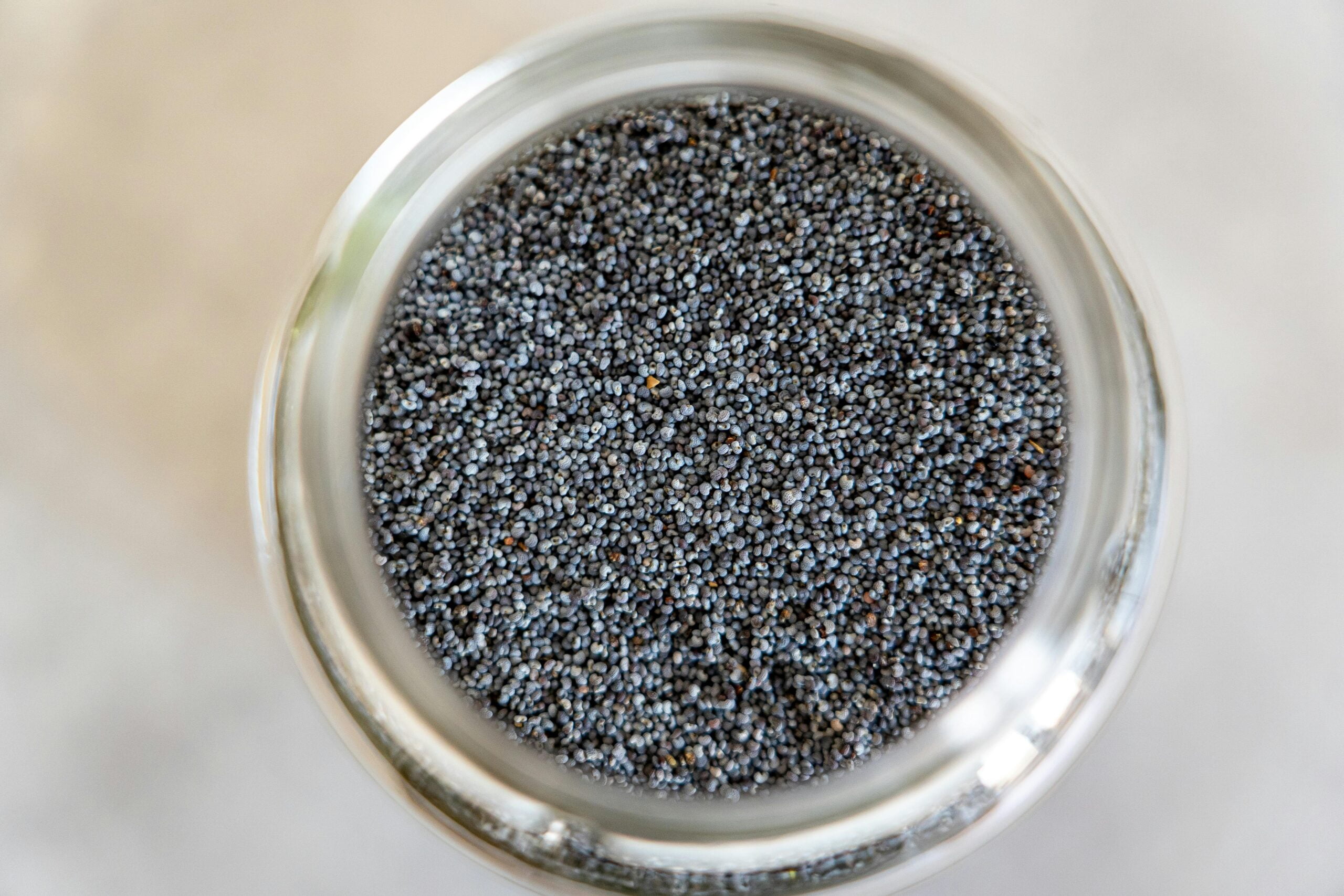
Fatty fish is the best source of EPA and DHA. For those who don’t eat fish, chia seeds, flaxseeds, and walnuts provide ALA, which the body can partly convert to EPA and DHA.
Magnesium
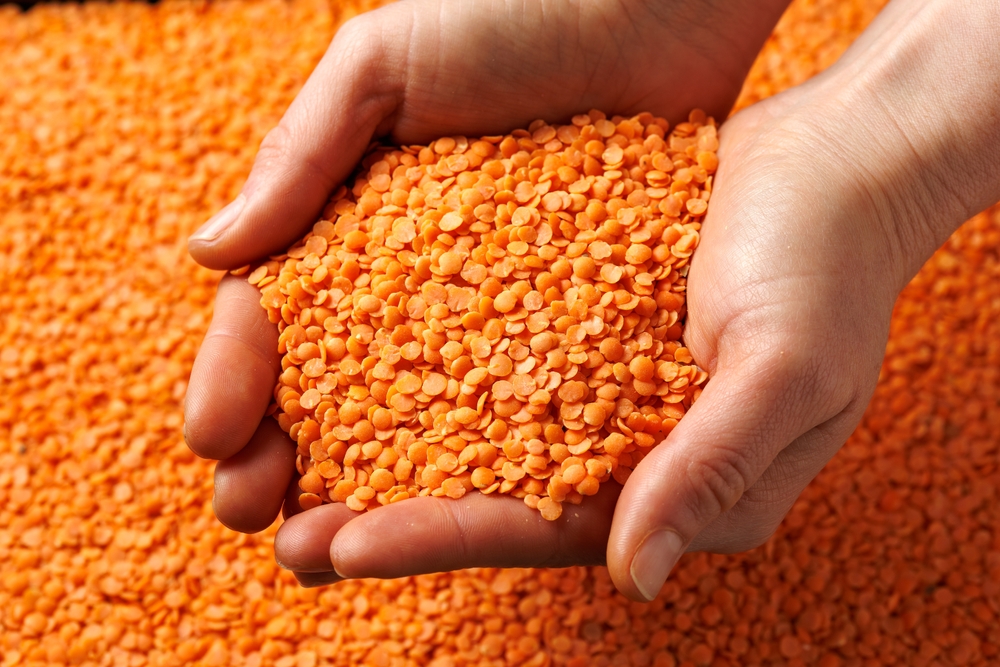
Whole grains, legumes, nuts, and leafy greens like spinach are excellent sources of magnesium. Dark chocolate is another nutrient-rich way to boost intake.
Also read: Eat Smart: Foods That Keep Your Mind and Body Young
Probiotics

Fermented foods naturally bring good bacteria to the gut. Yogurt, kefir, sauerkraut, kimchi, miso, and kombucha can all support a balanced microbiome.
Iron
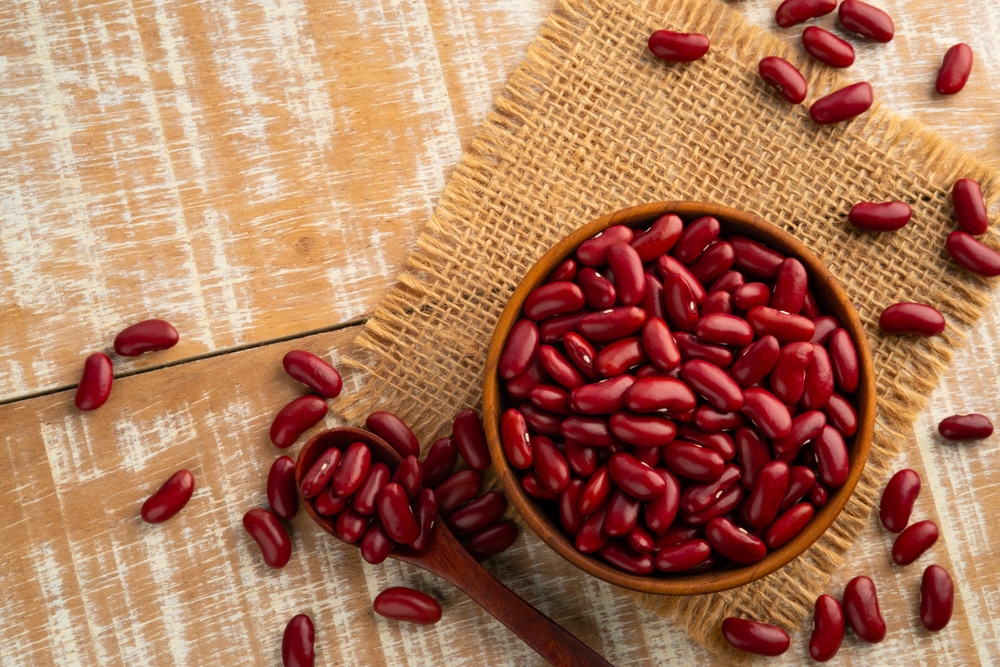
Red meat, chicken, and seafood are strong sources of heme iron, which the body absorbs easily. Lentils, beans, tofu, and spinach offer non-heme iron, best absorbed when paired with vitamin C–rich foods.
Vitamin C

Fresh fruits and vegetables are the key here. Citrus fruits, strawberries, kiwi, bell peppers, and broccoli all provide a strong boost of vitamin C.
Zinc

Shellfish, especially oysters, are among the richest sources. Beef, pumpkin seeds, chickpeas, and cashews also help maintain healthy zinc levels.
Also read: Simple Tips for Lasting Energy and a Brighter Mood
Vitamin B12

Animal products like fish, meat, eggs, and dairy are primary sources. Vegans can get B12 through fortified cereals, plant milks, or nutritional yeast.
Calcium

Milk, yogurt, and cheese remain classic calcium-rich foods. For plant-based options, try fortified soy milk, almonds, tahini, or leafy greens like kale.
Turmeric
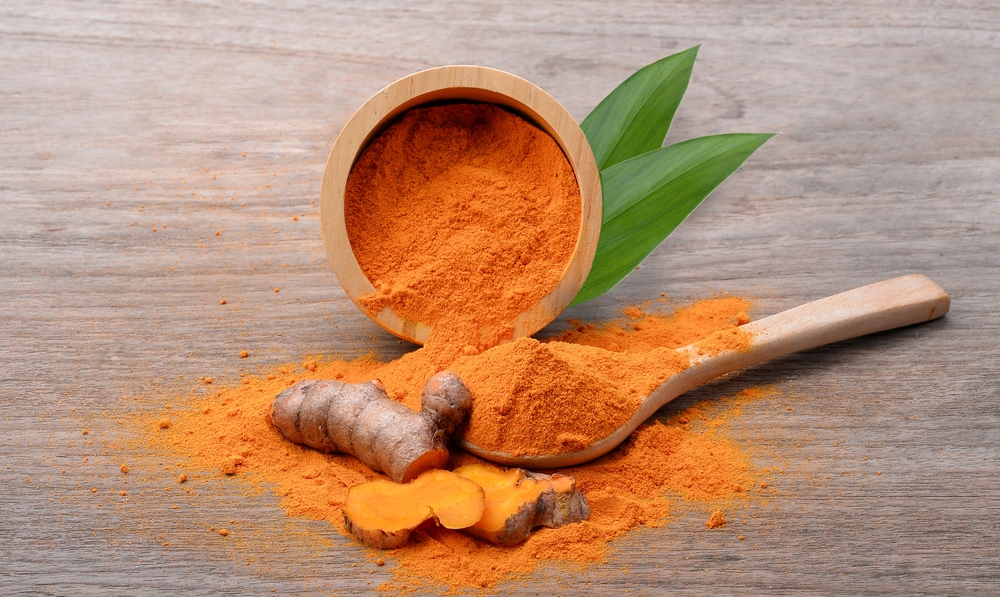
As a spice, turmeric can be added to curries, soups, or smoothies. While curcumin content is modest, regular use in cooking contributes to overall intake.
Food First

Supplements can help when needed, but food should always be the foundation. A varied, balanced diet rich in whole foods is the best way to cover nutrient needs.
Also read: Eat the Peel: Surprising Health Benefits You Didn’t Know About
Article based on information from EatingWell
Also read: Trump Says Paracetamol Leads to Autism – But Science Disagrees
This article is made and published by Mie Hermansen, who may have used AI in the preparation.