
Many people think liver problems are only caused by alcohol.
But the truth is that a number of everyday habits can quietly wear down this vital organ, often without you noticing until it’s too late.
Here’s the most harmful habits you should watch out for.
Alcohol kills liver cells

Alcohol is one of the leading causes of liver damage. Regular drinking destroys liver cells and leaves scar tissue behind, which can develop into serious illnesses.
Also read: 6 convenience foods that can help lower blood pressure
Even what seems like “a harmless glass or two” every evening can have long-term consequences.
Too many painkillers
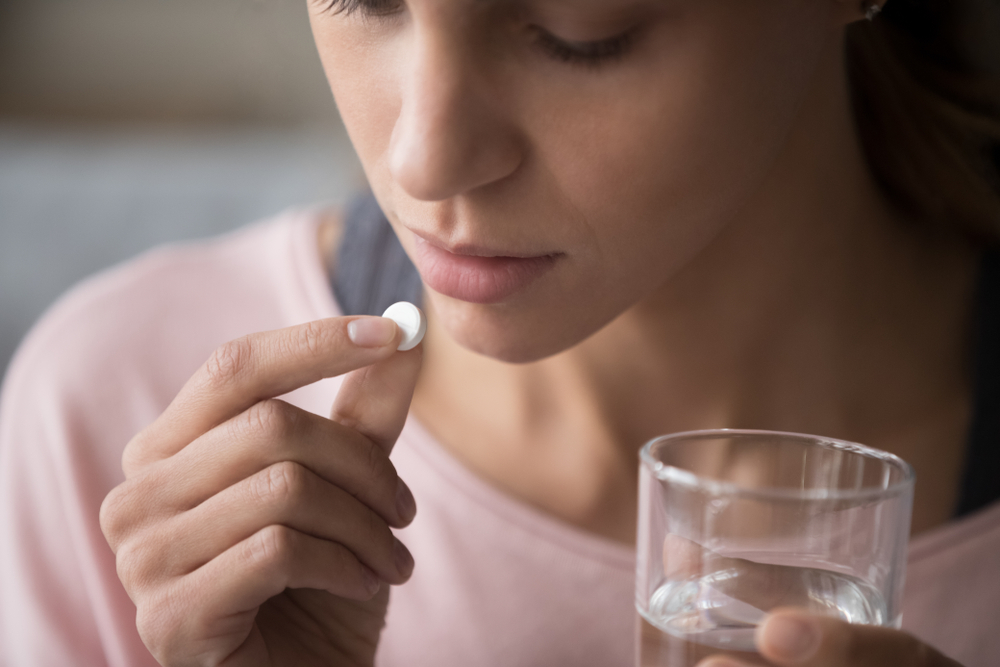
Your liver processes every medication you take, including over-the-counter ones like paracetamol.
Overuse, or combining several remedies, can overload the liver and sometimes cause irreversible damage, even if it’s “just” cold medicine or mild painkillers.
Smoking poisons the liver
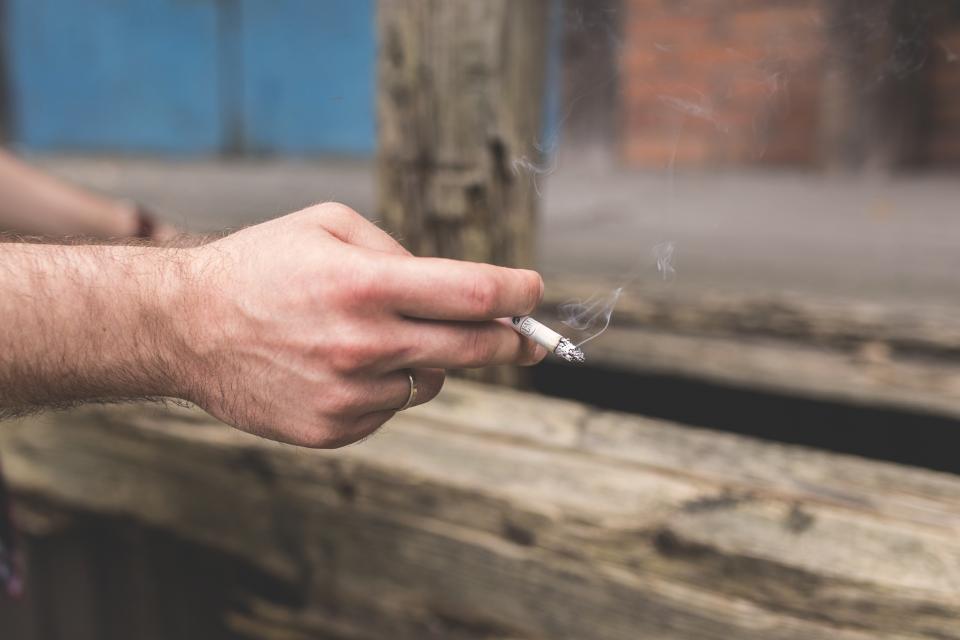
Cigarette smoke doesn’t just damage the lungs; it also harms the liver.
Also read: This Craving Could Be a Hidden Sign of Cancer
Toxins from smoke travel through the bloodstream and create oxidative stress, which injures liver cells and increases the risk of inflammation and cancer.
Lack of sleep weakens liver function

Sleep is recovery time for the liver. Without enough rest, the liver struggles to process fats and sugars properly.
This leads to fat buildup in the cells, which can turn into fatty liver disease and increase the risk of diabetes and heart problems.
Obesity and poor diet
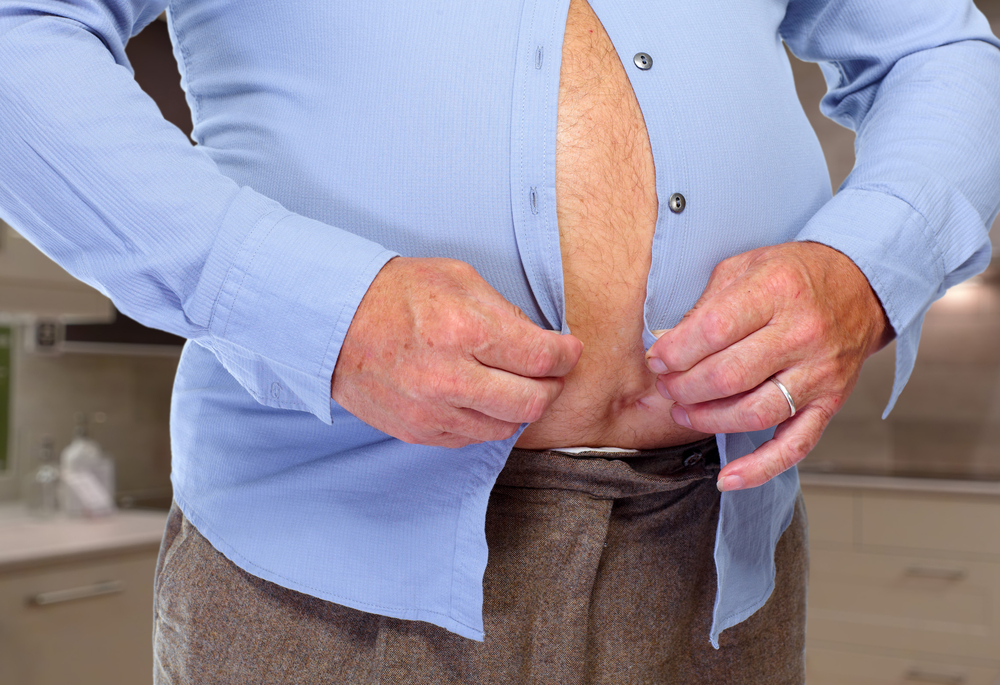
What you eat has a direct effect on your liver. A diet high in calories and fatty foods forces the liver to store fat, which over time leads to non-alcoholic fatty liver disease.
Also read: How to Prevent Athlete’s Foot - Experts Reveal Their Best Advice
At first, the only sign may be tiredness or discomfort, but inflammation is already underway.
Processed food full of additives
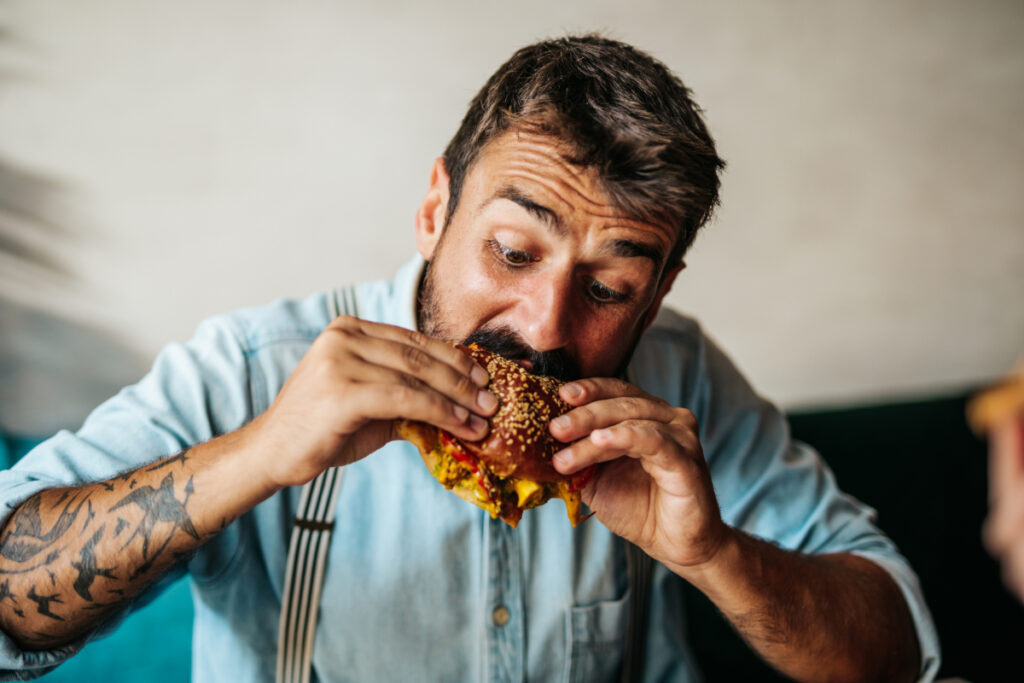
Everyday foods packed with preservatives, flavor enhancers, and artificial sweeteners put stress on the liver.
Breaking down these chemicals requires constant effort, weakening the organ’s natural resilience over time.
Too much salt
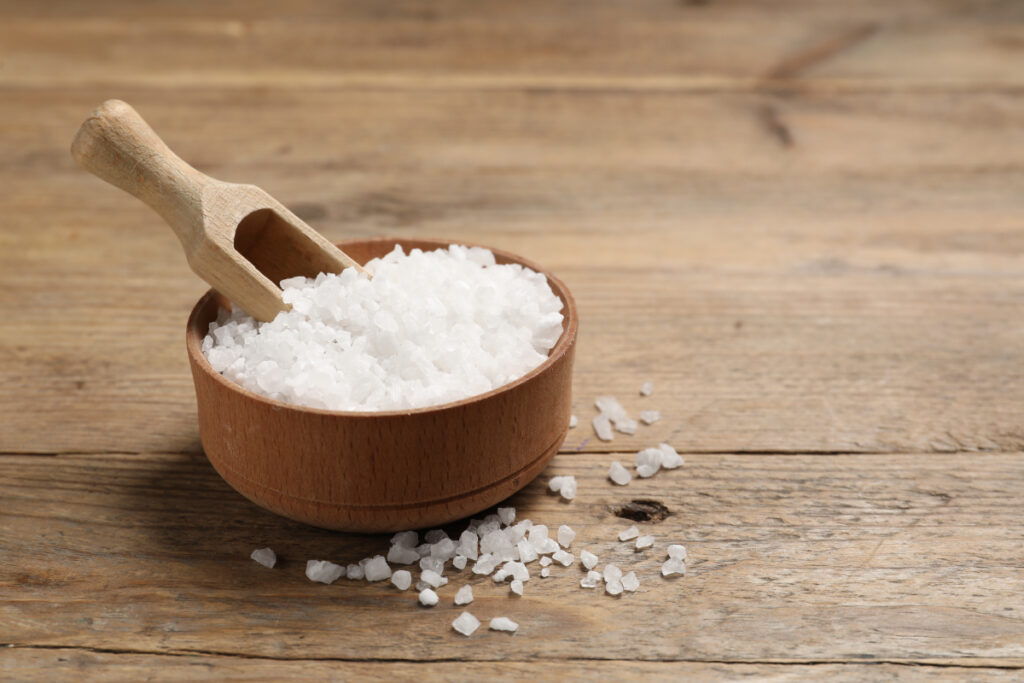
Processed food often contains excess salt. This contributes not only to high blood pressure but also to fluid retention and fatty liver, both of which strain the liver’s ability to regenerate.
Also read: Morning habits that can help lower your blood pressure
Overdoing vitamin supplements
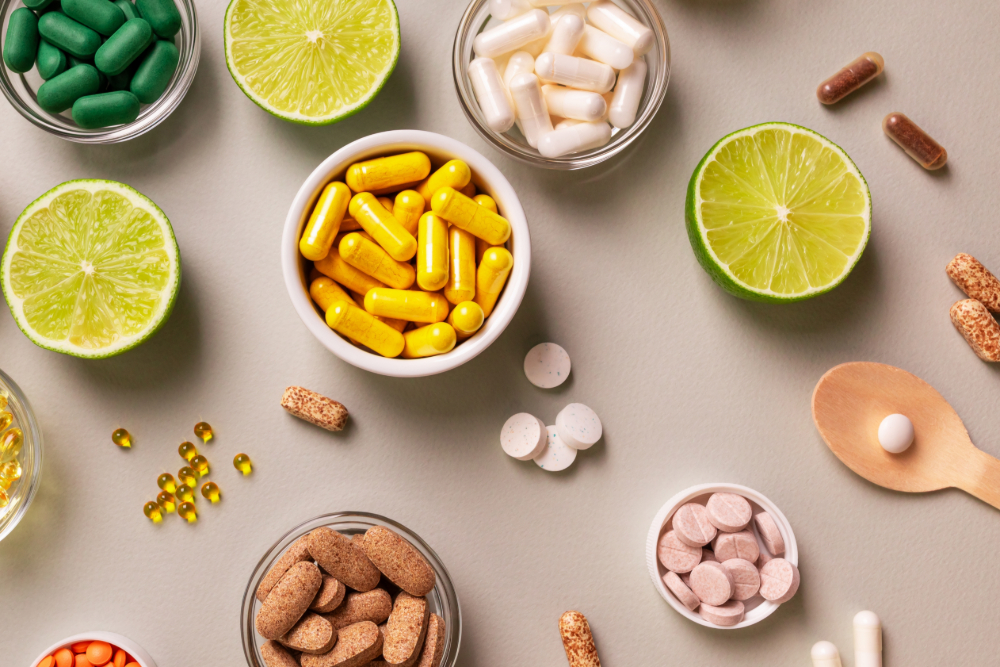
Vitamins are essential, but in excess, they can become toxic.
Fat-soluble vitamins (A, D, E, and K) accumulate in the body, forcing the liver to work overtime. Long-term overdosing can directly damage liver cells.
Hidden vitamins in supplements
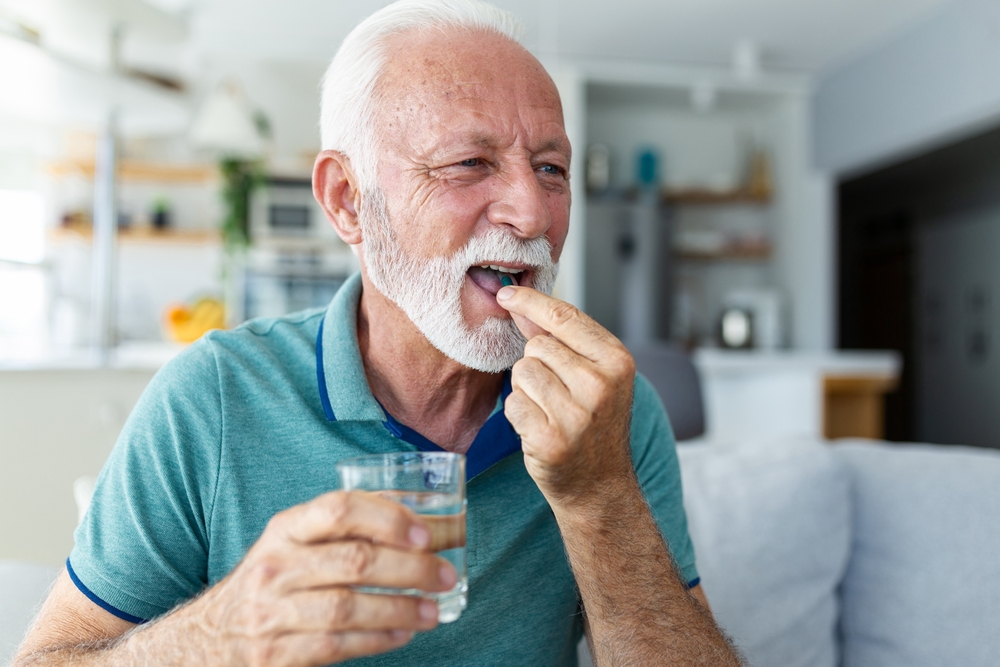
Many people underestimate how many vitamins they’re actually taking.
Multivitamins, combined supplements, and single pills often add up, easily surpassing safe levels and placing even more strain on the liver.
Also read: How to Get Your Child to Listen – Without Yelling or Fighting
Small daily habits turn into big problems
One extra painkiller, one restless night, or one more glass of wine might not seem like much.
But when these habits repeat day after day, the liver slowly loses its ability to repair itself, until the damage becomes visible and much harder to reverse.
This article is based on information from Lieknosbites.lt.