
Drinking enough water is important, but how you distribute your fluid intake throughout the day can also make a difference.
According to Real Simple, two experts explain why drinking water regularly is generally better than consuming large amounts at once.
Drink water regularly throughout the day
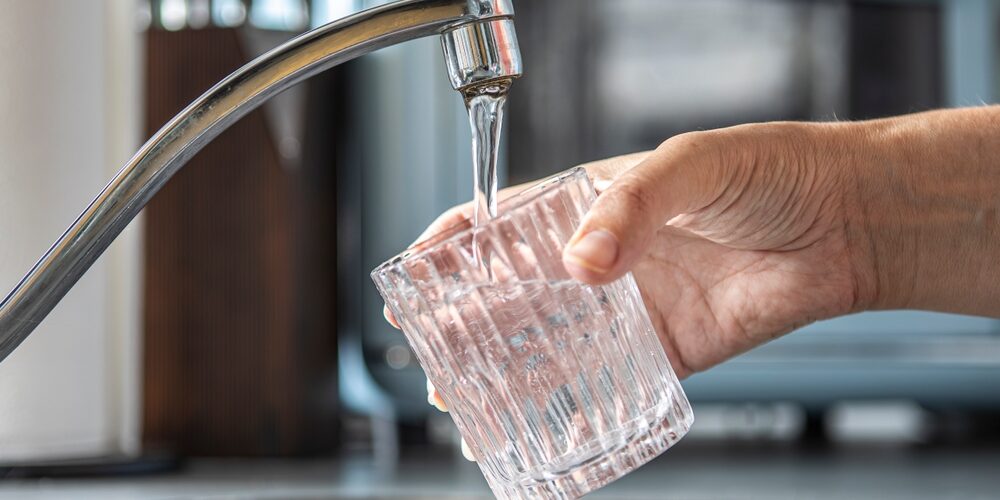
Experts generally recommend spreading your water intake evenly throughout the day.
This helps your body maintain proper hydration and reduces the likelihood of your bladder filling up suddenly.
Also read: 7 warning signs of bladder cancer most people mistake for a UTI
Start your morning with a glass of water
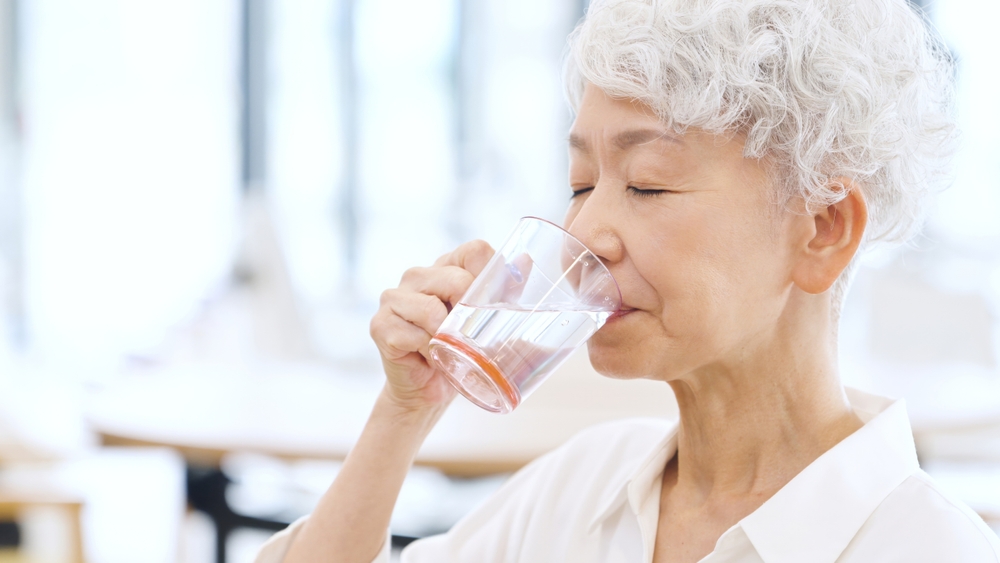
Your body naturally loses fluids overnight through breathing, sweating, and urine production.
Drinking a glass of water after waking up can therefore be a good way to replace some of the fluids lost during the night.
Pay attention to the color of your urine
The color of your urine can provide clues about your hydration levels. Pale yellow urine is usually a good sign, while darker urine may indicate that you need more fluids.
However, medications, supplements, and certain foods can also affect urine color.
Also read: How eating berries every day may protect your brain and memory after 50
Avoid drinking large amounts of water at once
Drinking a large amount of water in a short period can cause your bladder to fill up quickly.
This may lead to more frequent bathroom visits and a sudden, strong urge to urinate.
Drink extra water after intense exercise
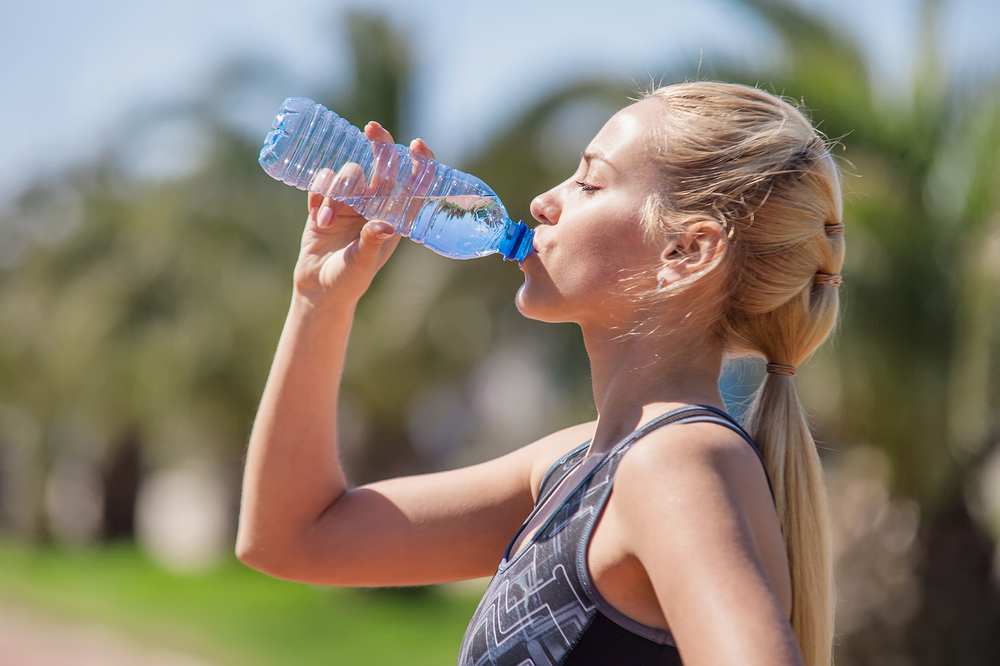
Your body loses fluids during physical activity, especially when you sweat heavily. It is therefore important to replace lost fluids after exercise.
However, experts recommend drinking gradually rather than consuming an unusually large amount of water at once.
Also read: These common medications may affect your gut for years after you stop taking them
Remember to stay hydrated in cold weather
Hot weather is not the only time your body may need extra fluids. Spending time in cold environments can also increase fluid loss.
It is therefore important to remember to drink water, particularly if you are physically active.
Adjust your water intake to your individual needs
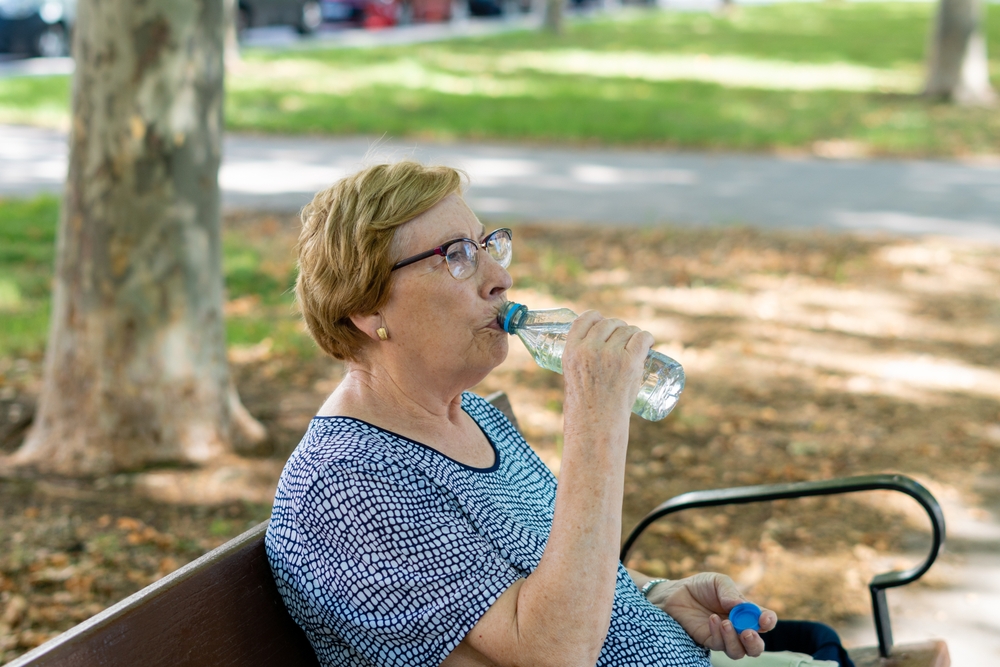
There is no single amount of water that is right for everyone. Some people need more fluids than others.
Experts therefore recommend paying attention to your body's needs rather than following a fixed rule.
Also read: A simple light box could nearly double your chances of beating depression
Drink more water in hot weather
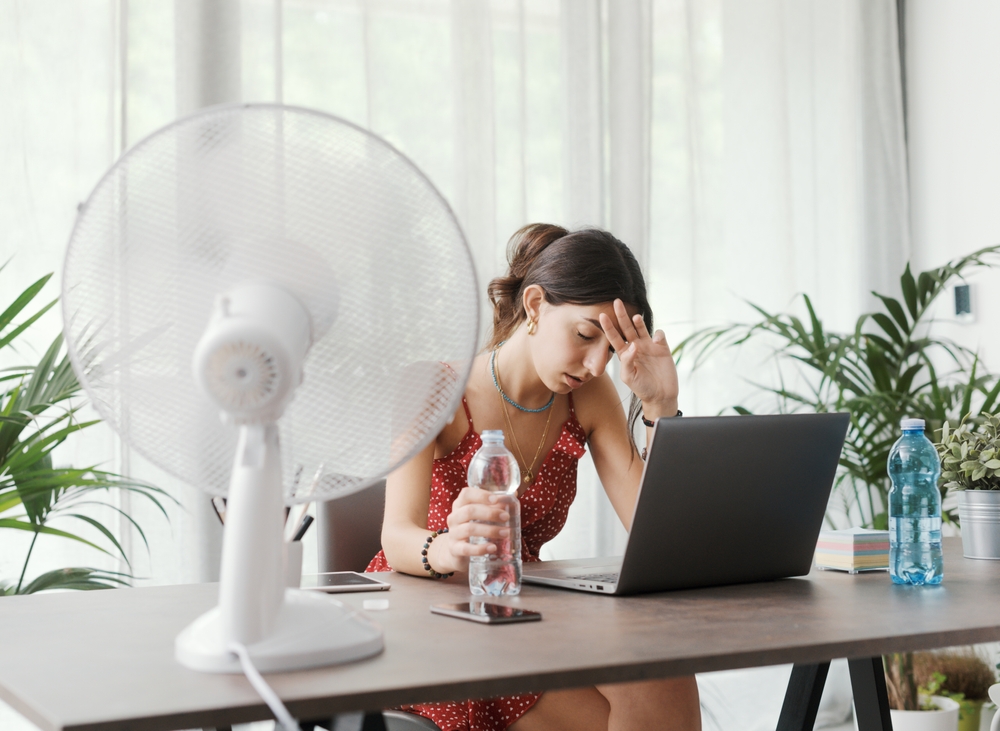
As temperatures rise, your need for water may increase, especially if you spend time outdoors or engage in physical activity.
If you sweat heavily, you may need to drink larger amounts of water more frequently to replace lost fluids.
Pay attention to hydration when you are ill

When you are sick, it is important to consume as much fluid as you can tolerate. If you are vomiting, taking small sips may be easier than drinking an entire glass of water.
In some cases, an electrolyte-containing rehydration solution may also be necessary.
Also read: Going to bed at different times could double your risk of heart attack
A regular glass of water is a suitable amount
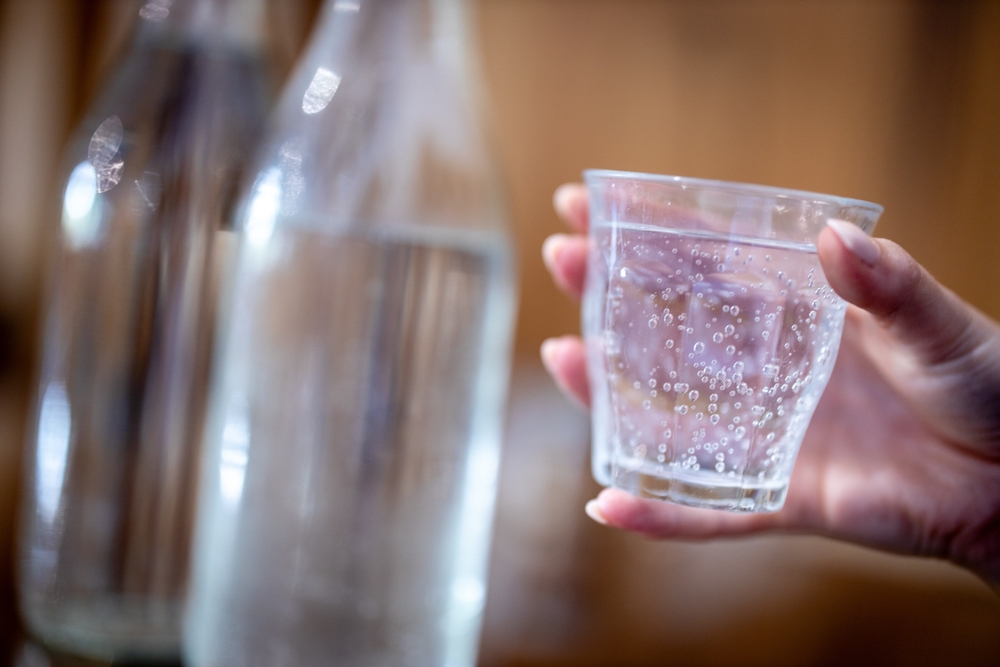
Drinking water regularly does not mean you have to take only tiny sips.
According to urologist Shaya Taghechian, drinking a glass containing approximately 240 to 355 milliliters at appropriate intervals can be a good approach.
How often you drink depends on your individual needs.
Reduce your water intake before bedtime

If you frequently wake up during the night to use the bathroom, reducing your fluid intake close to bedtime may help.
This could reduce the need for nighttime bathroom visits.
Remember electrolytes when sweating heavily

During prolonged exercise or activities that cause heavy sweating, your body loses not only water but also electrolytes.
In some situations, replacing electrolytes such as sodium may therefore be necessary to restore proper fluid balance.
You also get fluids from food

Plain water is not the only thing that counts toward your daily fluid intake. Other beverages and foods also contribute to your body's overall hydration.
This means you do not need to meet your entire fluid requirement by drinking glasses of water.
Regular bathroom visits can be a good sign
Using the bathroom every few hours can indicate that you are consuming an appropriate amount of fluids.
However, experts emphasize that your urine does not need to be completely clear throughout the day.
Older adults should pay particular attention

The recommendation to spread fluid intake throughout the day is especially relevant for older adults and people with urinary tract problems.
Drinking water more evenly throughout the day may help reduce sudden urges to urinate.
Follow medical advice if you have certain health conditions

People with certain heart or kidney conditions may have been advised to limit their fluid intake.
In these cases, it is important to follow healthcare professionals' recommendations rather than general advice about how much water to drink.
This article is made and published by Ida-Marie Palm Varbæk, who may have used AI in the preparation.