
Some people prefer ice-cold water, while others would rather drink it at room temperature or warm.
According to nutrition experts cited by Real Simple, however, temperature is rarely the most important factor when it comes to hydration and digestion.
The most important thing is getting enough fluids

According to dietitian Matthew Landry, the temperature of your water usually makes very little difference.
What matters more is making sure you get enough fluids throughout the day.
Also read: It has more potassium than bananas. Gold for the heart and muscles
Cool water is often easier to drink

Cool water can be beneficial because many people find it more pleasant to drink.
This can make it easier to drink regularly and therefore stay hydrated.
Room-temperature water works well for everyday use

Room-temperature water is typically around 20 to 22 degrees Celsius.
Gastroenterologist Edmundo Rodriguez Frias recommends either cool or room-temperature water for everyday use, according to Real Simple.
Also read: After 65, your body's needs change – here's how you should eat
Temperature does not significantly affect absorption

According to Rodriguez Frias, there is no strong evidence that the body absorbs fluids better at one particular temperature.
The choice therefore largely comes down to what feels comfortable.
Digestion is only slightly affected

Research published in The American Journal of Clinical Nutrition suggests that water temperature has only a limited effect on stomach function.
Although the temperature inside the stomach may briefly change after a hot or cold drink, this does not appear to have any significant impact on digestion.
Also read: A chemo side effect that hits millions may be preventable
Cold water can be refreshing in hot weather
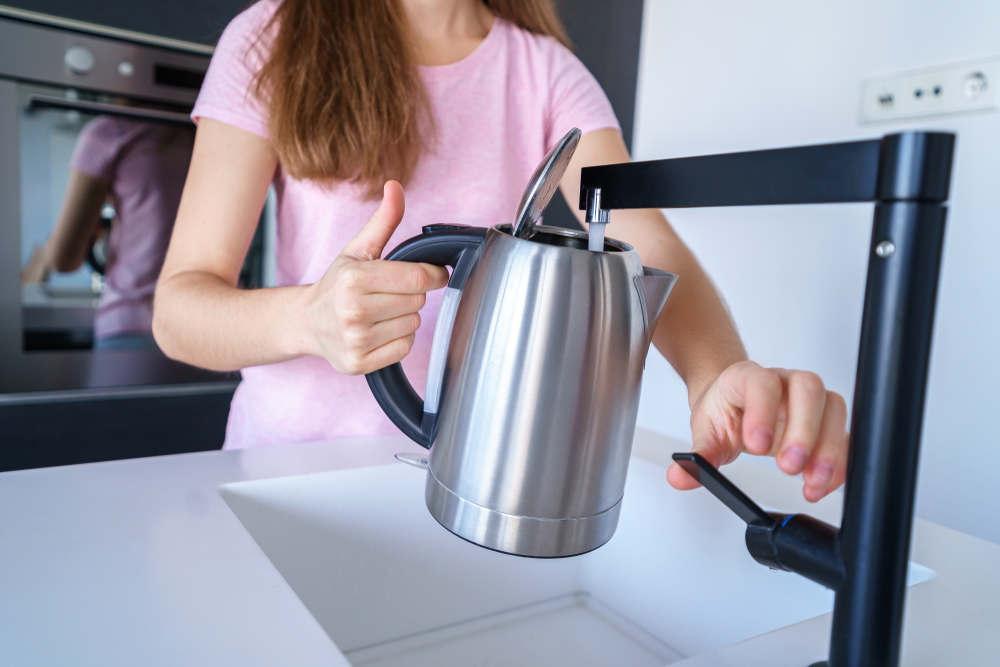
On very hot days or during physical activity, cold water can feel more refreshing.
It may also make drinking more fluids more appealing.
Ice-cold water can cause discomfort
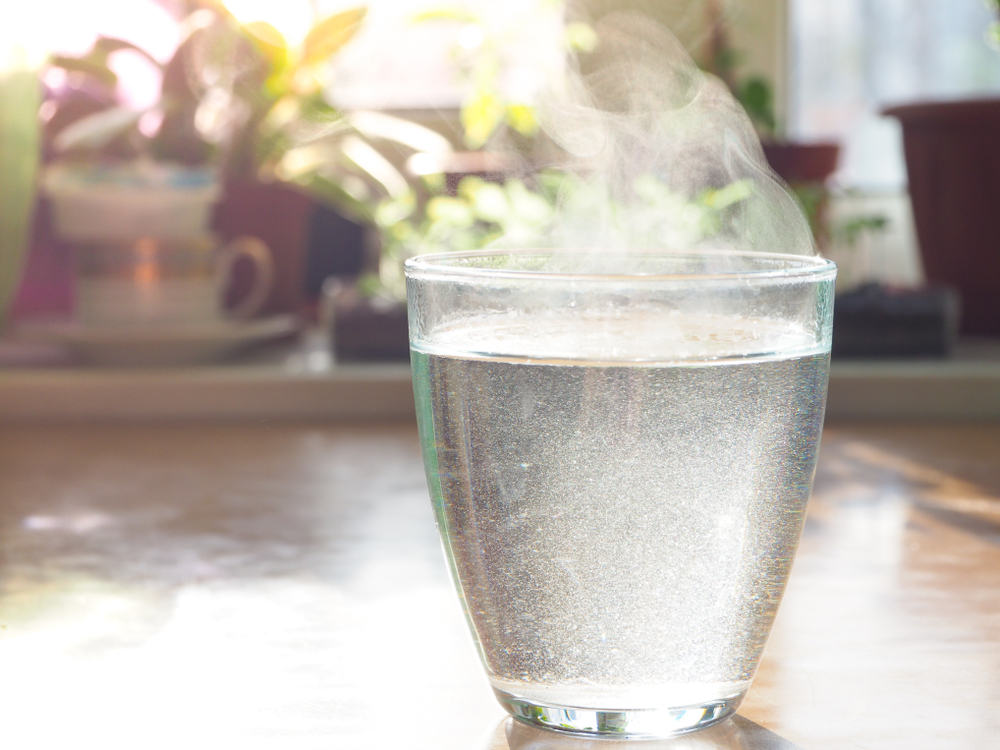
Very cold water can cause headaches or tooth sensitivity in some people.
There is therefore no reason to choose ice-cold water if a milder temperature feels better.
Also read: It has 3-4 times more fiber than a plum, but most people eat too little of it
Ice-cold water may affect appetite

A study published in the European Journal of Nutrition found that men who drank 500 millilitres of very cold water one hour before a meal ate less than they did after drinking warmer water.
However, the effect was limited, and ice-cold water is not considered a proven method for controlling appetite.
Warm water does not cleanse the body
According to Rodriguez Frias, claims that warm water can cleanse or detoxify the stomach and intestines are not supported by strong evidence.
Warm water can still be pleasant
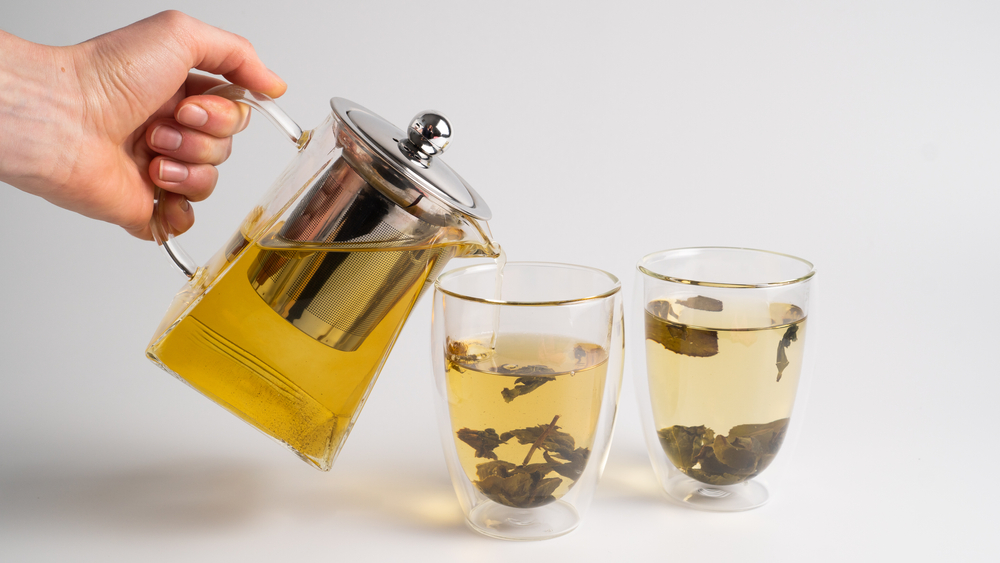
If warm water feels more comfortable for your stomach or simply tastes better, there is nothing wrong with choosing it.
Also read: Teachers noticed a troubling shift after free school meals ended
Water does not need to be cool to be a good choice.
Very hot drinks can be problematic
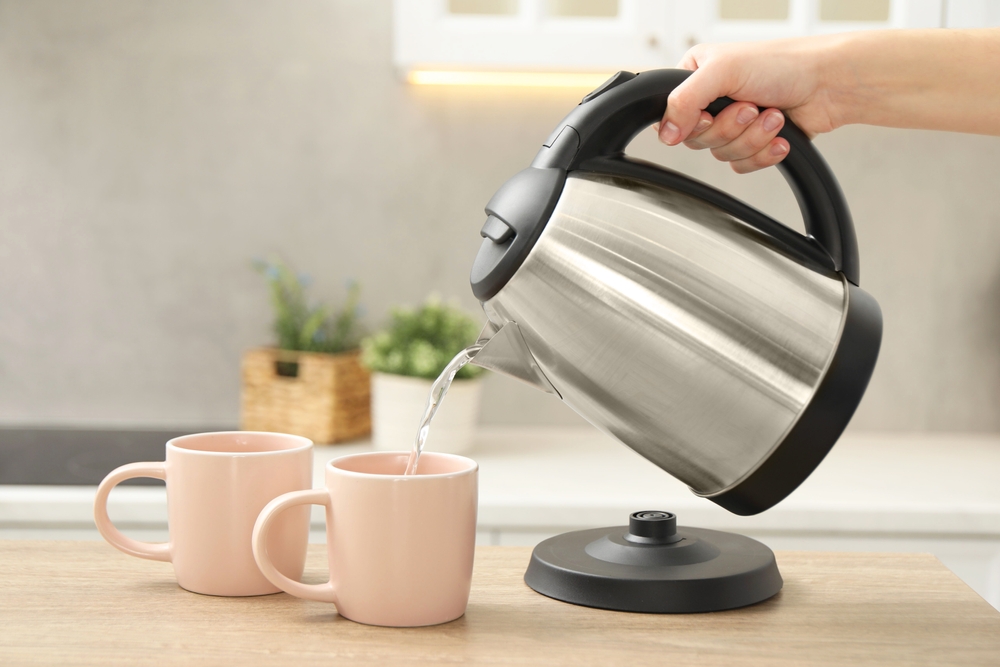
Regularly consuming liquids at temperatures of around 65 degrees Celsius or higher over an extended period has been associated with an increased risk of oesophageal cancer. Drinks should therefore not be so hot that they burn.
People with sensitivities should choose based on their symptoms

People with sensitive teeth, acid reflux, difficulty swallowing, or gastrointestinal sensitivity may have a greater need to choose a particular temperature.
In these cases, it is advisable to stick to the temperature that causes the least discomfort.
Your own preference is often the best guide

For most people, there is no reason to focus too much on the precise temperature of their water.
Experts suggest that cool or room-temperature water often works best, but ultimately, the best temperature is the one that makes it easiest to drink enough water.
This article is made and published by Ida-Marie Palm Varbæk, who may have used AI in the preparation.