
As we age, our skin changes and needs gentler care. A daily shower isn’t always the best choice for seniors.
Senior skin gets thinner
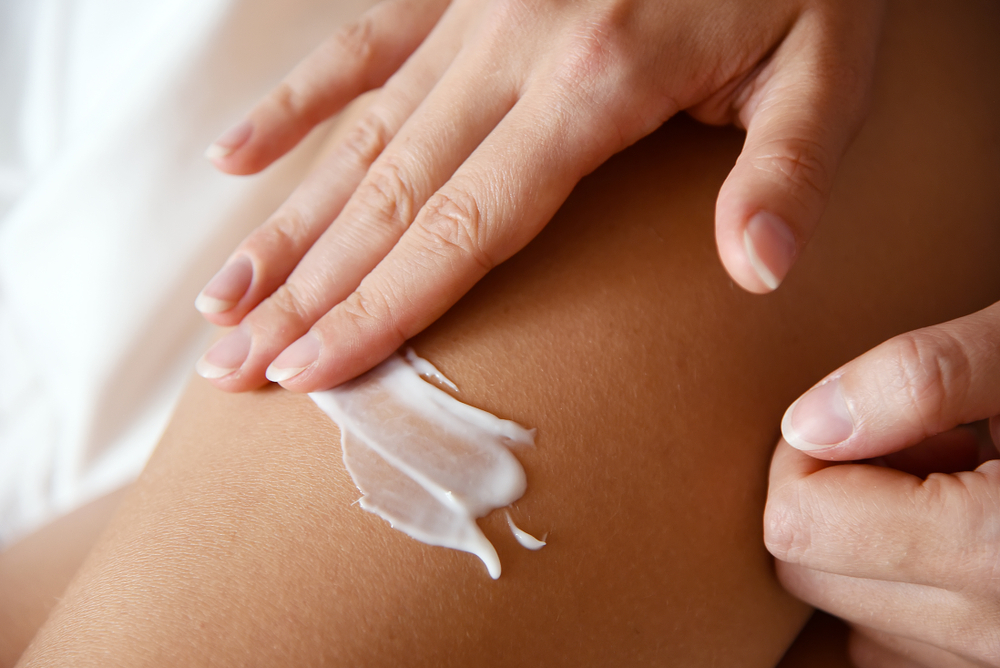
With age, the outer layer of the skin becomes thinner, making it more vulnerable to dryness, itching, and irritation.
The natural skin barrier weakens

The skin’s protective hydrolipid film loses its effectiveness over time. Washing too often can damage this barrier even more.
Two showers a week are enough
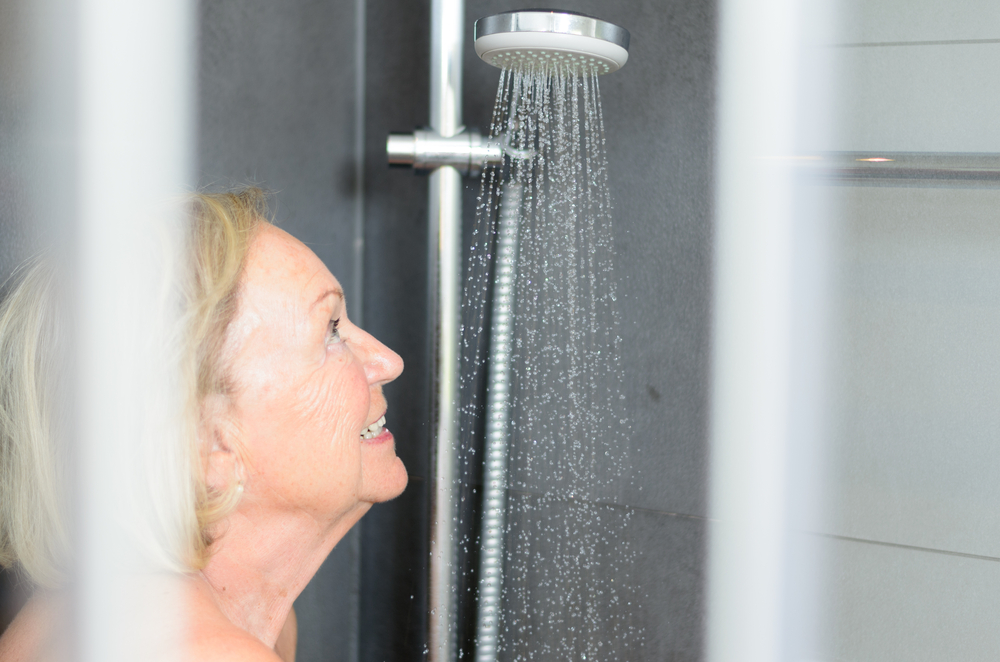
Dermatologists recommend that people over 65 limit themselves to about two full showers per week to maintain the skin’s natural moisture balance.
Also read: This Viral Drink Might Be the Secret to a Stress-Free Living
Rinse your body daily without soap
It’s still a good idea to rinse the body every day to remove sweat and dirt, but without using soap that can dry out the skin unnecessarily.
Use soap every third day
When you do use soap, keep it to once every three days. Choose gentle products like oil-based washes or dermatological bars.
Keep the water lukewarm
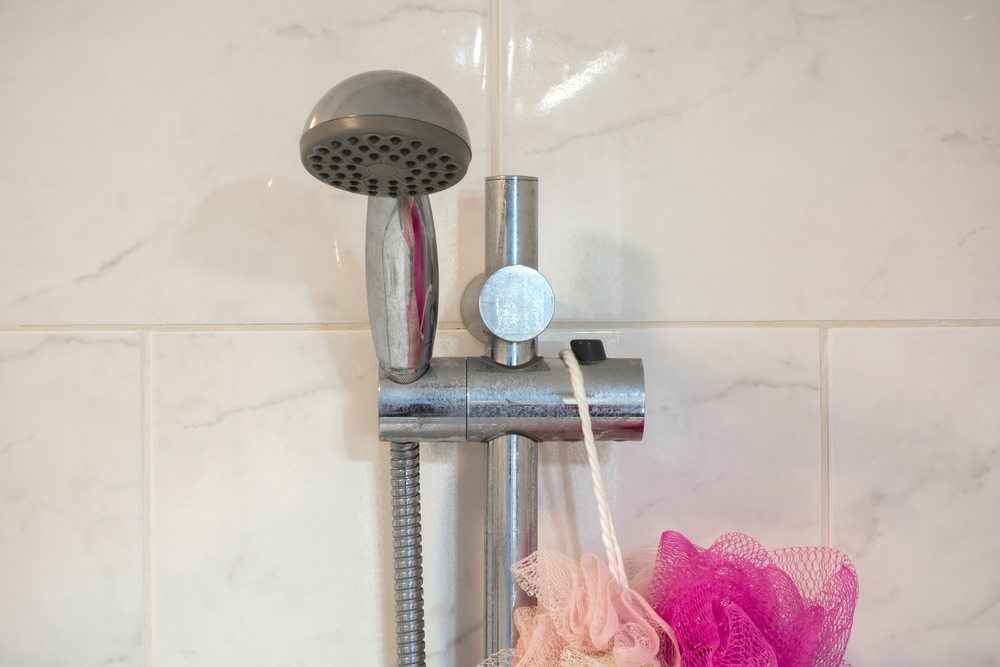
Use lukewarm water instead of hot. Hot water can dry out the skin and strip away the natural oils that help keep it protected.
Keep showers short
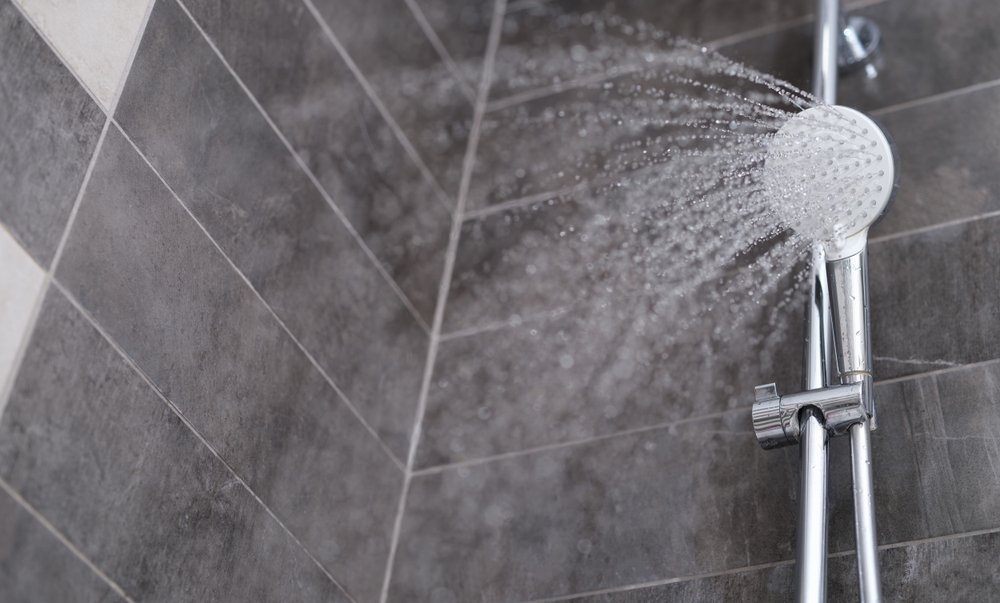
Researchers from Harvard recommend limiting showers to just 3–4 minutes to avoid putting extra stress on aging skin.
Also read: 3 Everyday Foods that Secretly Protect Your Heart
Pat yourself dry, don’t rub
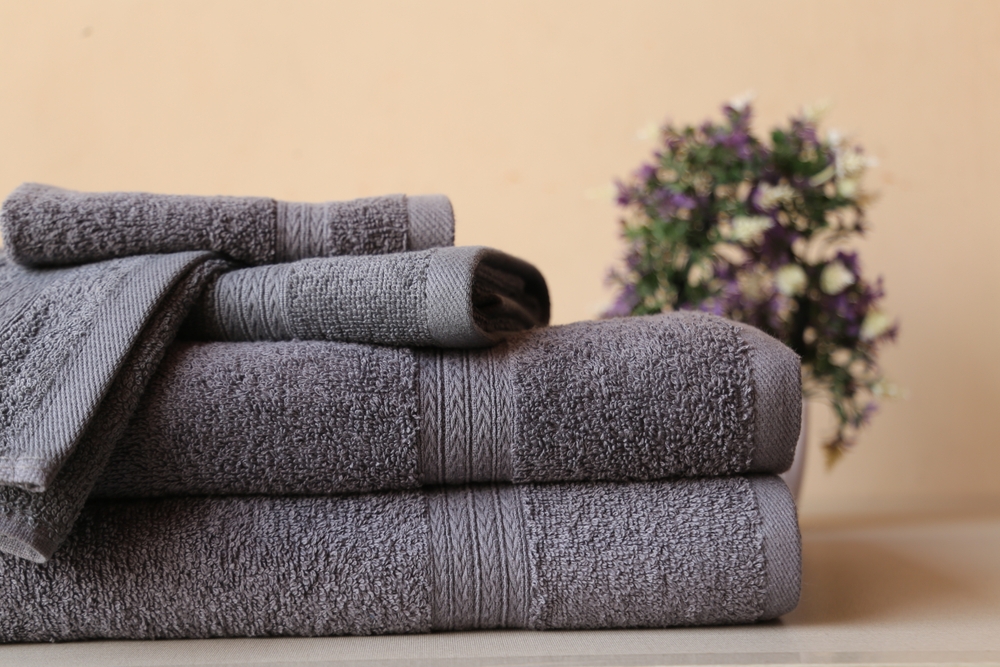
After showering, gently pat your skin dry with a towel instead of rubbing it harshly, which can irritate fragile skin.
Clean sensitive areas daily
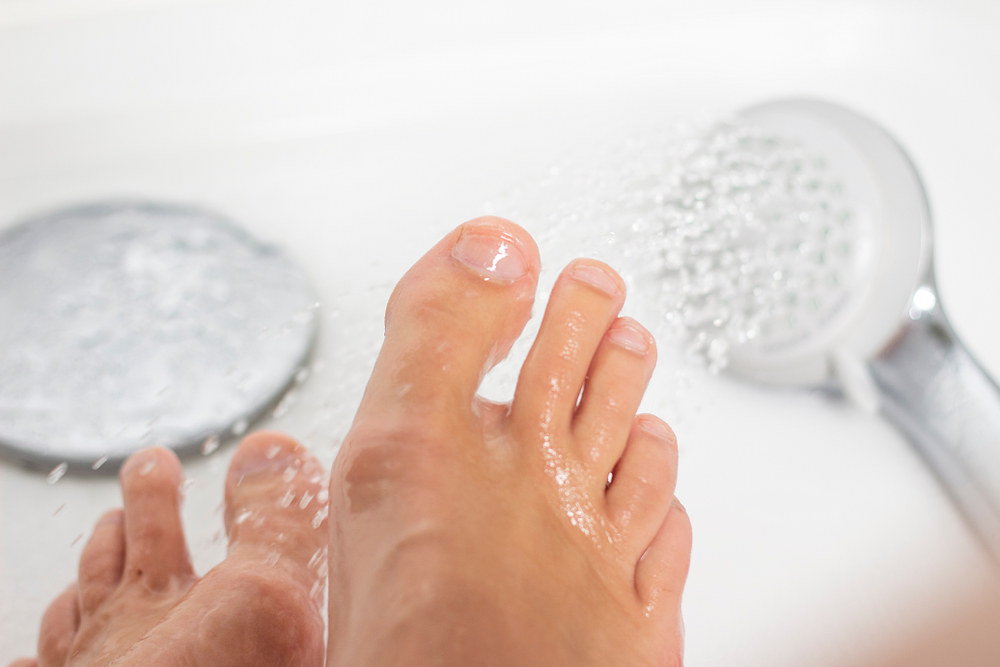
Even on days without a full shower, it’s important to wash the armpits, feet, and intimate areas every day to maintain good hygiene.
Adjust according to the season

In winter, skin tends to get even drier, so fewer showers can help. In summer, you can adapt based on how active you are and how much you sweat.
Take your overall health into account

Every person is different, so these tips should be adjusted based on your health and any skin conditions. Always talk to your doctor or dermatologist if in doubt.
Also read: Stop Wasting Money: These Natural Remedies Remove Bags Under the Eyes
Artiklen er baseret på informationer fra Futura-sciences.com.
Also read: These 3 Foods Should Be Eaten by Everyone Over 50 to Preserve Muscle Mass
This article is made and published by Ida-Marie Palm Varbæk, who may have used AI in the preparation.