
If several days pass without a bowel movement, it can lead to bloating and discomfort.
Fortunately, experts point to simple dietary changes that can help get digestion back on track. Here is what you should eat and drink.
Constipation is common

Constipation is defined as having fewer than three bowel movements per week. The condition may also involve hard, dry stools or a feeling of incomplete emptying.
Women and older adults are more often affected

Women, older adults, people with gastrointestinal conditions, and those who consume too little fiber and fluids are more likely to experience constipation.
Also read: Should you receive hormone therapy during menopause? Here’s what the research says
Lack of fiber and fluids plays a major role
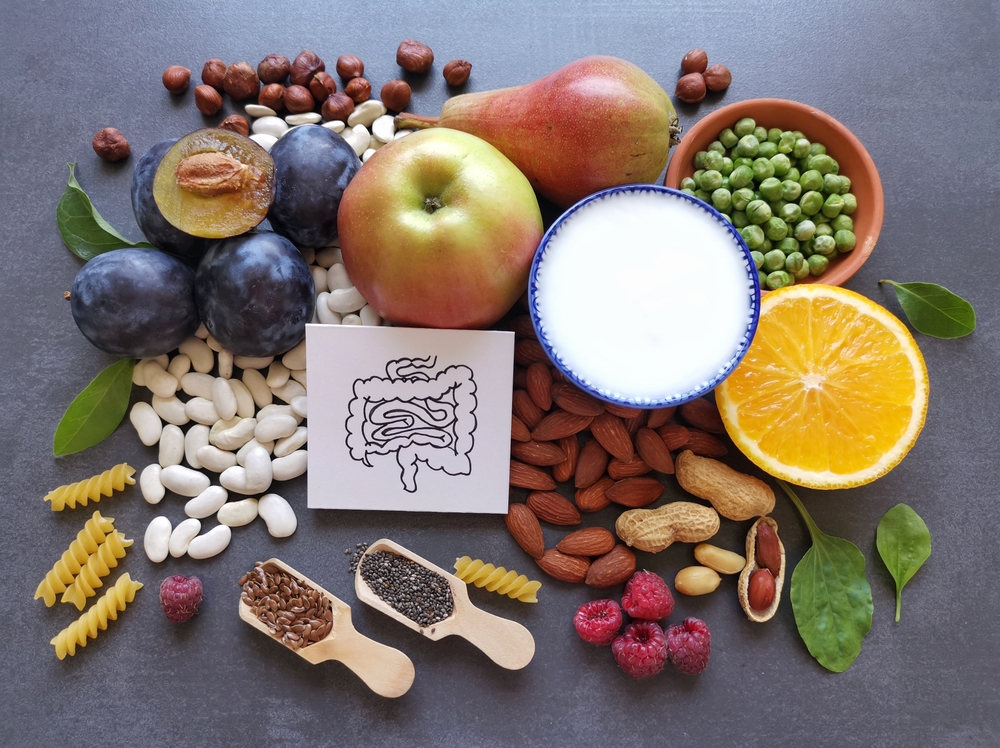
Many people do not get enough fiber and water in their daily diet, which is a significant reason why constipation is so widespread.
Fiber increases stool bulk

Dietary fiber helps by increasing the volume and water content of the stool, making it softer and easier to pass.
Fiber stimulates bowel movements

When stool becomes bulkier and softer, it stimulates the intestines to work more efficiently, helping move contents along.
There are two types of fiber
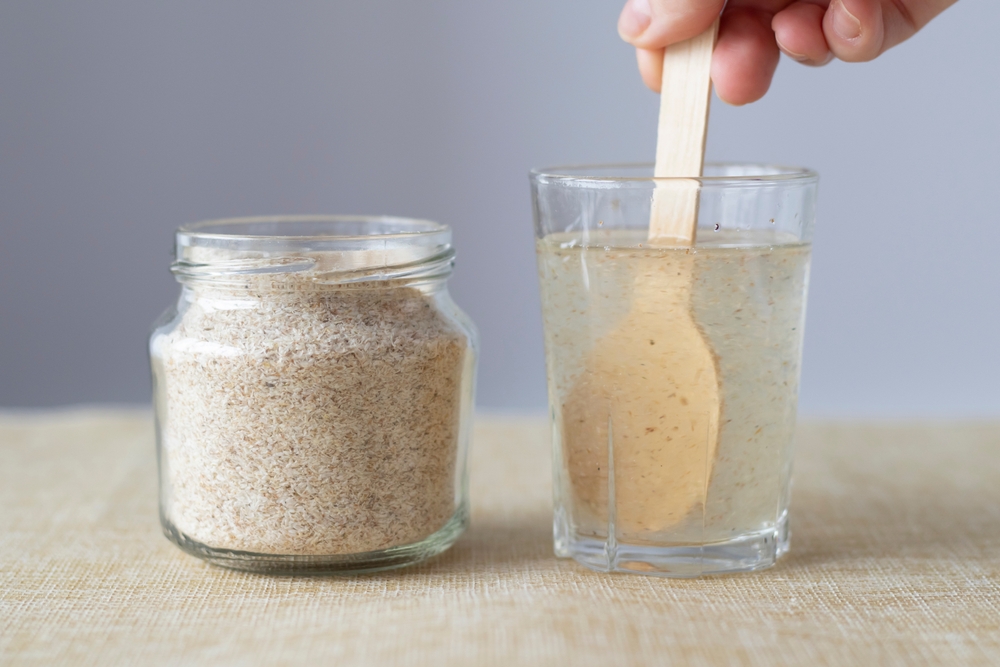
Soluble fiber attracts water and becomes gel-like during digestion, while insoluble fiber adds bulk and helps stool pass more quickly through the digestive tract.
Psyllium has strong evidence behind it
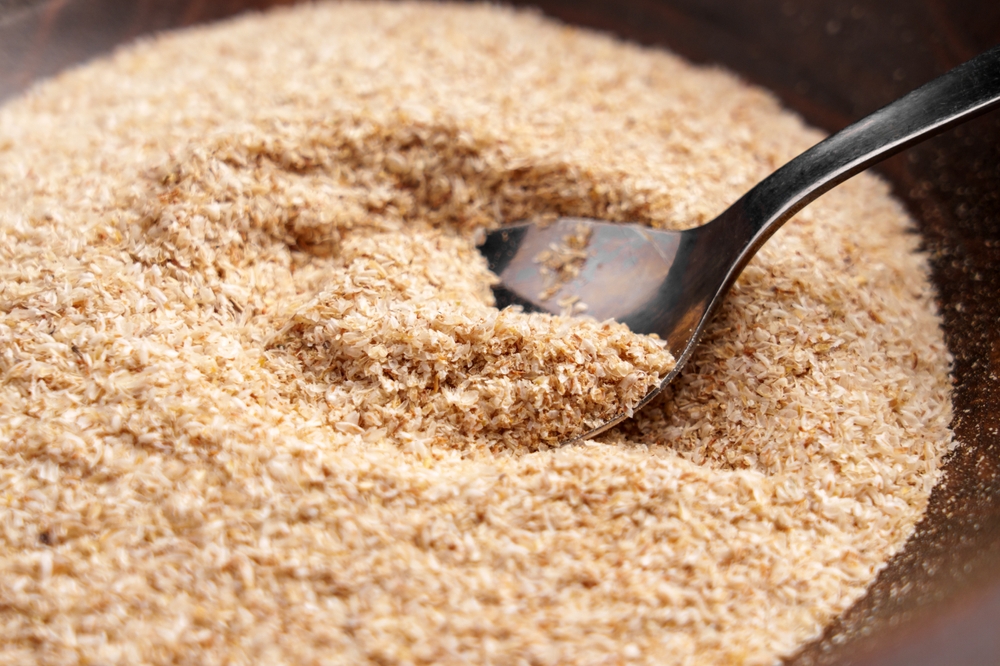
According to experts, the soluble fiber psyllium has the strongest evidence supporting its effectiveness against chronic constipation.
Gut bacteria support the process
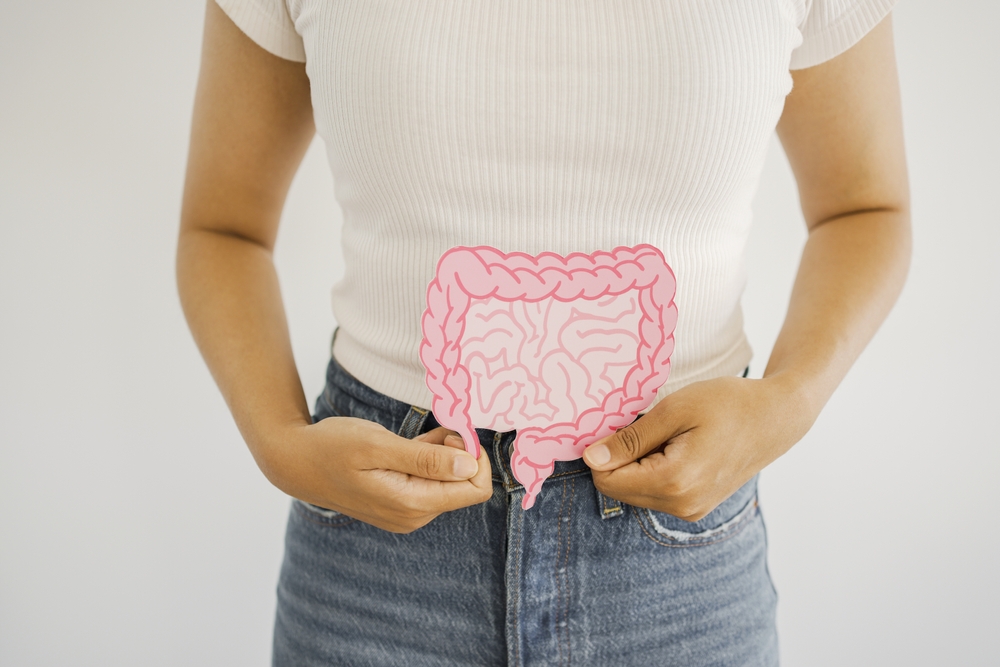
When gut bacteria break down soluble fiber, they produce short-chain fatty acids and gases that can further stimulate bowel movements.
Fiber intake should be increased gradually
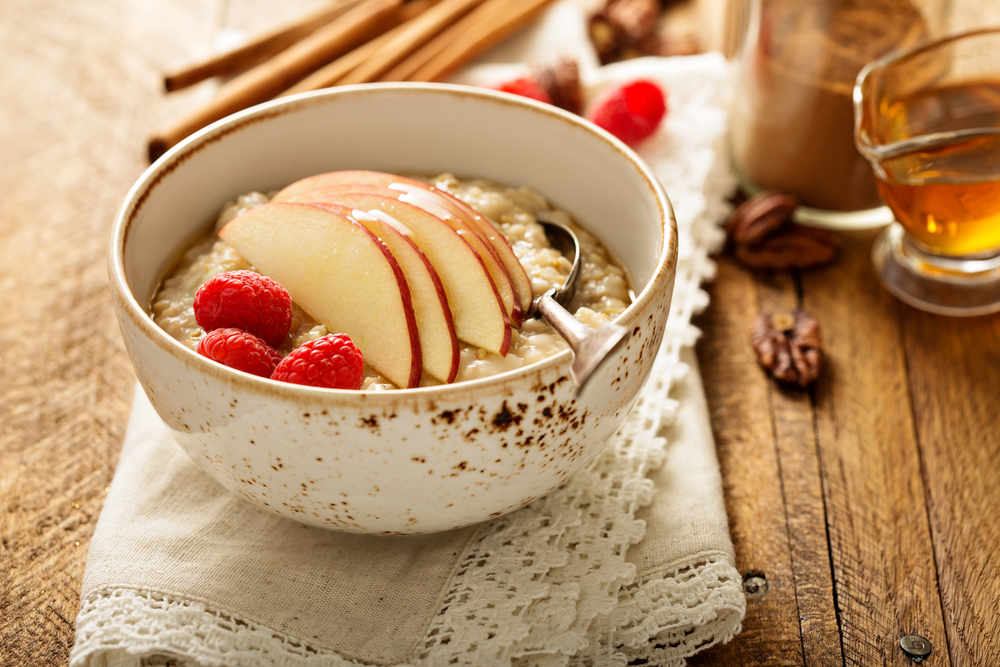
Women are advised to consume 25 to 28 grams of fiber per day, while men should aim for 28 to 34 grams. Intake should be increased gradually to avoid discomfort.
Water is essential for fiber to work

Fiber needs fluids to function properly. Without sufficient water, increasing fiber intake may instead lead to more bloating and constipation.
Also read: Floating spots before your eyes? Here’s when to take it seriously
Water helps especially in cases of dehydration

Water keeps stool softer and eases its passage, but increasing water intake alone primarily helps if a person is already dehydrated.
Kiwi has documented benefits
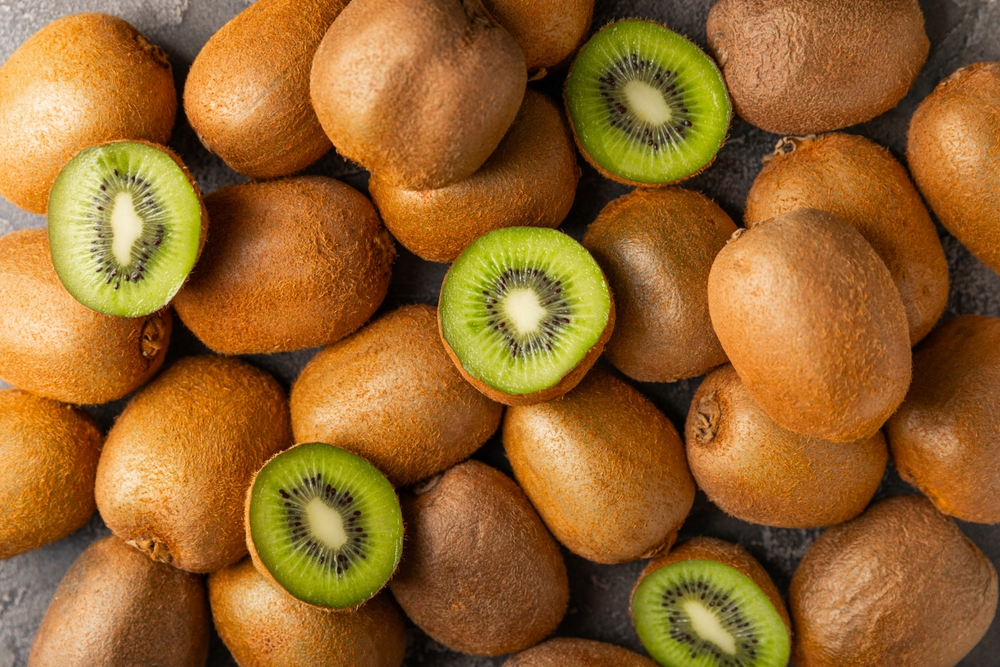
Research published in Nutrients shows that two kiwis per day can be as effective as psyllium supplements in relieving constipation. The fruit contains both fiber and fluids.
Prunes naturally stimulate the intestines
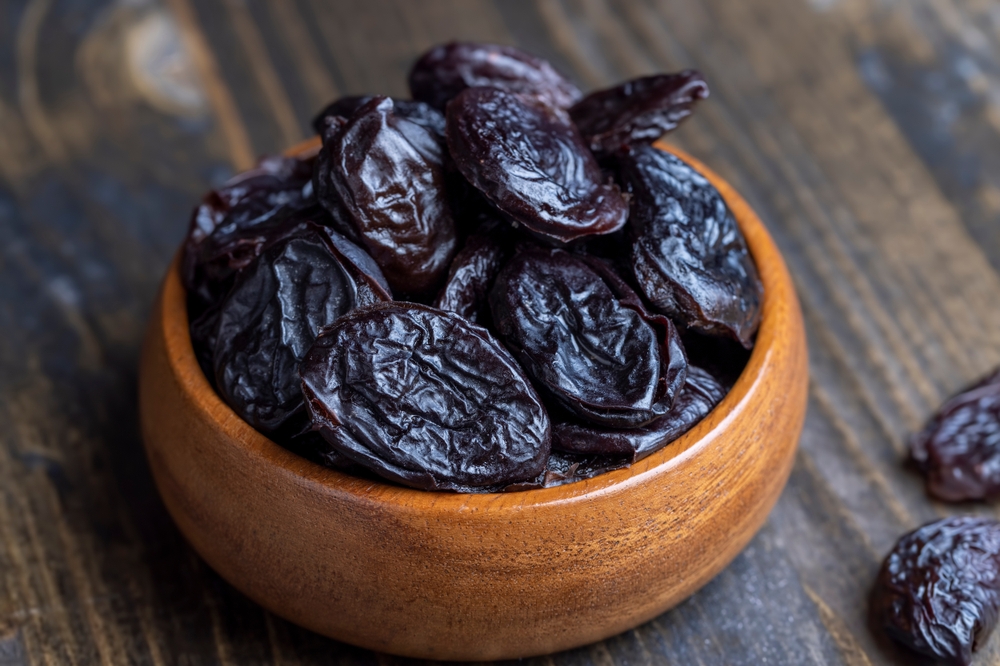
Prunes are rich in fiber and also contain sorbitol, a sugar alcohol that is not broken down during digestion.
When it reaches the colon, it can trigger a bowel movement.
Also read: Why apples deserve a place in your daily diet, according to science
Warm drinks can stimulate the system

Warm drinks such as coffee or tea in the morning can stimulate the gastrointestinal tract.
Caffeine affects the intestines, and the warm temperature may increase digestive activity.
Seek medical advice for serious symptoms

You should contact a doctor if you experience severe abdominal pain, are unable to pass gas, vomit, notice blood in your stool, or have sudden changes in bowel habits, especially if you are over 45.
Sources: Parade, and Nutrients.
Also read: Study suggests common infection may be linked to Alzheimer’s