
Frozen ready-made meals are a quick solution for many people in a busy daily routine.
However, according to several dietitians, one popular choice from the freezer aisle may burden the heart more than many realize.
Frozen pizza
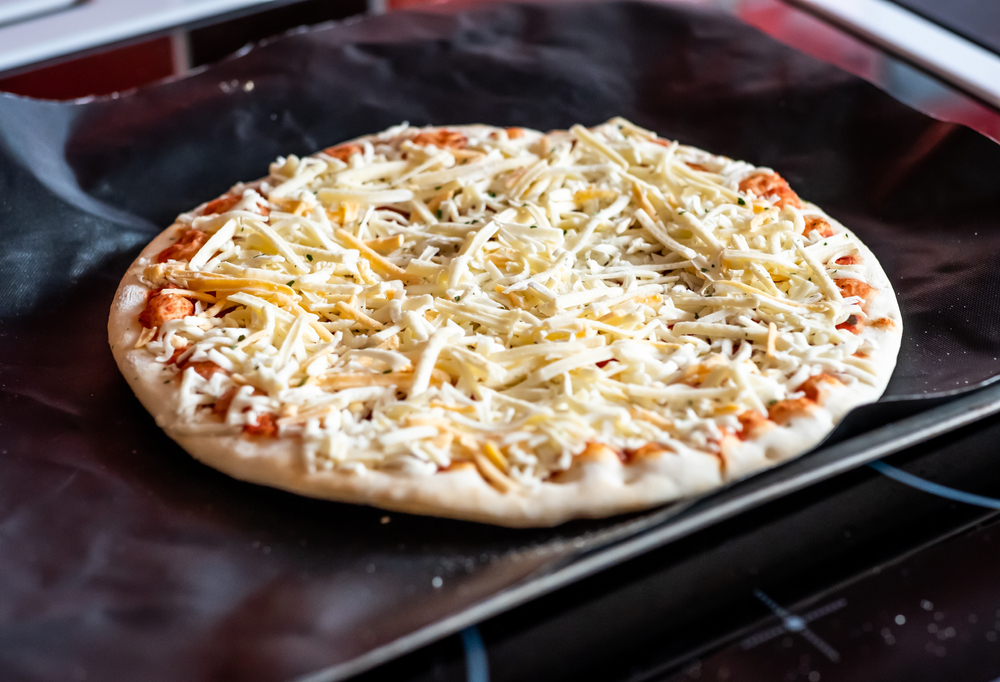
Registered dietitians point to frozen pizza as the worst freezer meal for heart health.
The heart is affected every day

Dietitian Michelle Routhenstein explains to Parade that daily food choices play a direct role in blood pressure, cholesterol levels, and inflammation.
Also read: Study tracks ADHD traits and long-term physical health outcomes
She emphasizes that diet has a major impact on the risk of heart attacks and strokes.
Hidden risks in processed foods
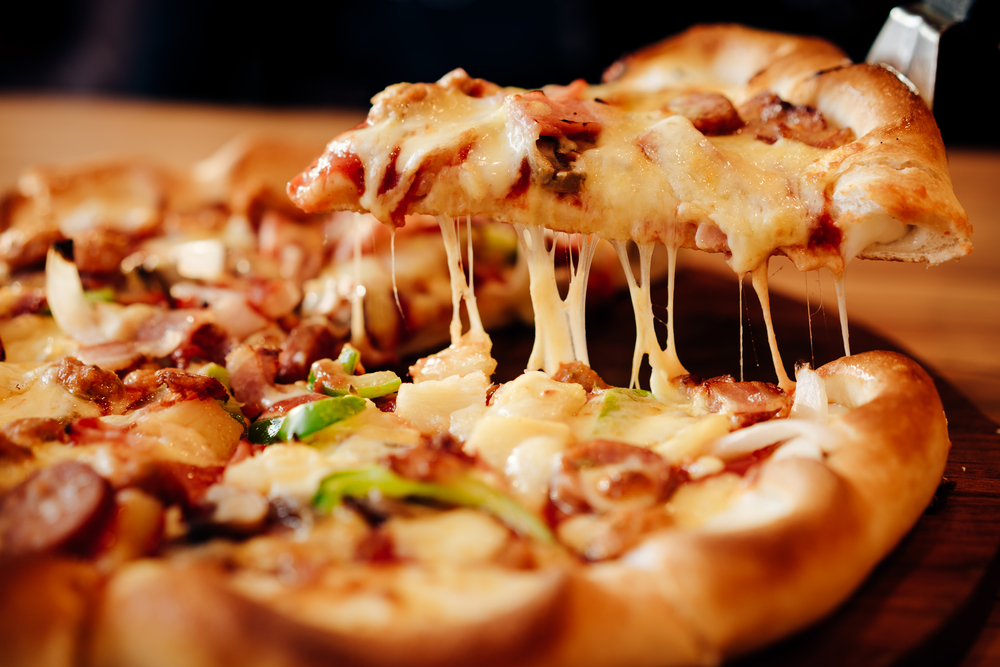
According to dietitians, many frozen meals are developed with a focus on taste and shelf life rather than nutrition.
This means that salt and processed ingredients often make up a larger share than people expect.
High sodium per serving
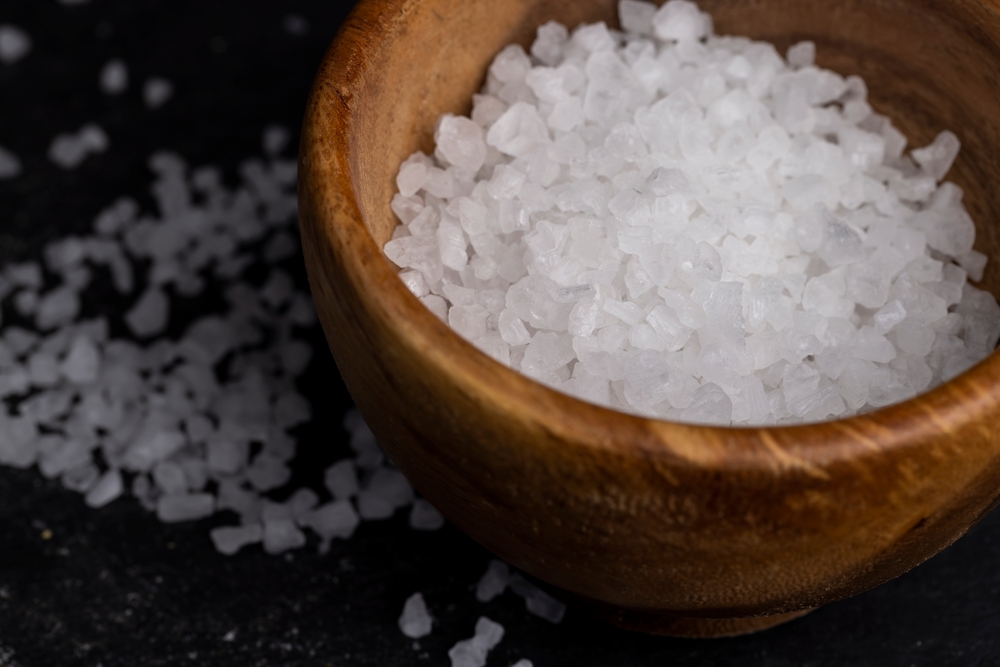
Michelle Routhenstein notes that many frozen pizzas contain between 800 and 1,500 milligrams of sodium per serving.
Also read: Nutrition expert: Protein products are not necessary
This alone can meet the recommended daily limit.
Blood pressure under strain
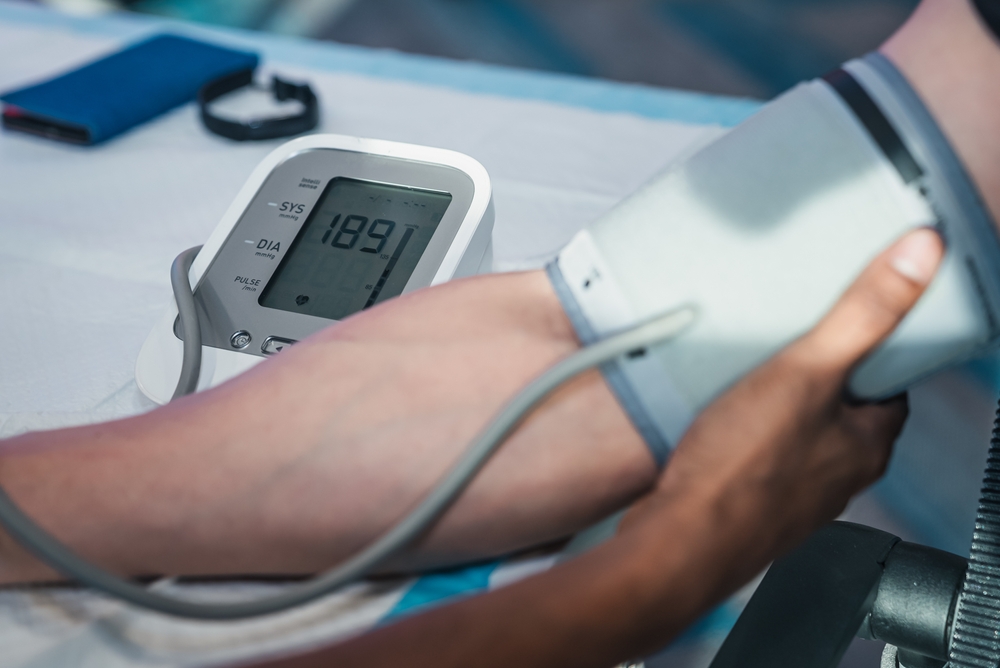
Excessive sodium intake can lead to fluid retention in the body. Michelle Routhenstein explains that this increases blood pressure and puts strain on blood vessels over time.
Saturated fat from cheese
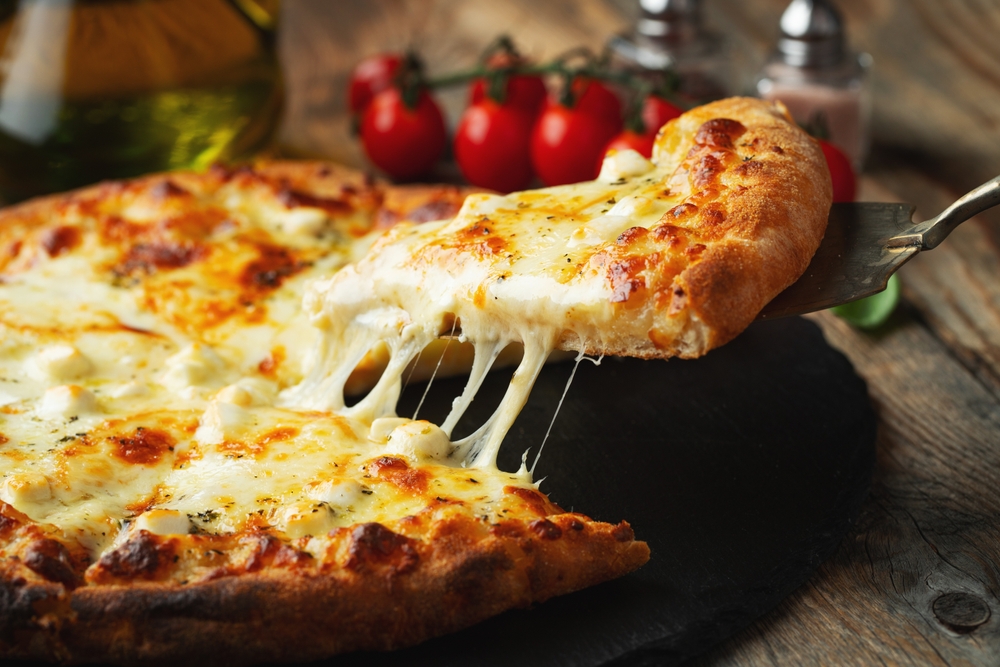
Dietitian Courtney Pelitera points out that mozzarella cheese on pizza contributes around four to five grams of saturated fat per serving.
This can negatively affect cholesterol levels.
Also read: Researchers identify possible link between kidney disease and heart damage
Cholesterol and heart disease

According to Courtney Pelitera, a high intake of saturated fat is linked to an increased risk of heart disease. This is especially problematic with frequent consumption.
Processed toppings
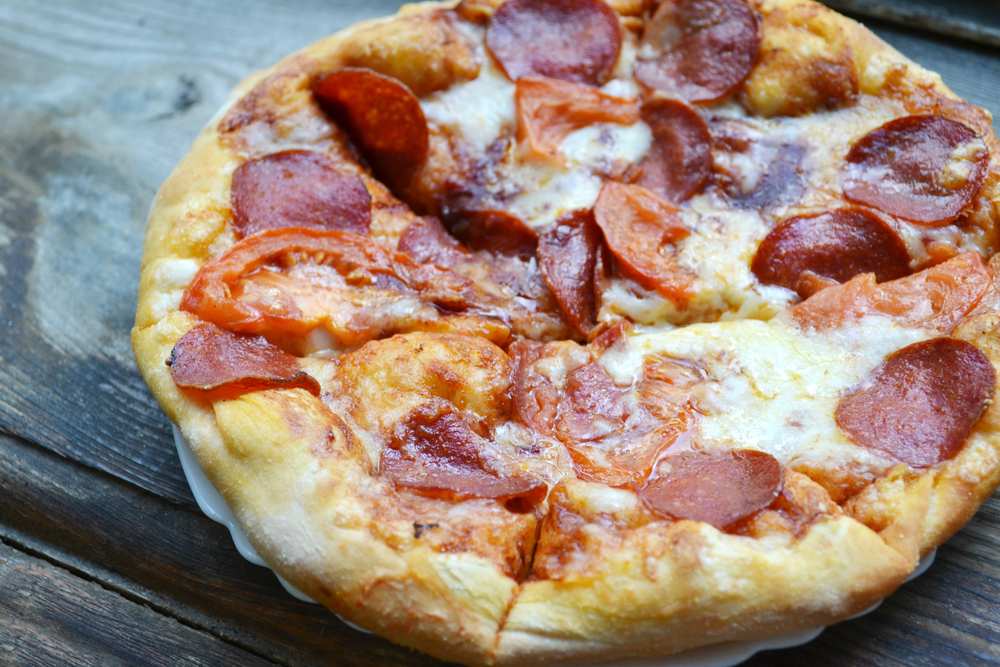
Courtney Pelitera highlights that toppings such as pepperoni and sausage are often highly processed.
They contain both large amounts of salt and saturated fat and can increase health risks.
Refined pizza crust
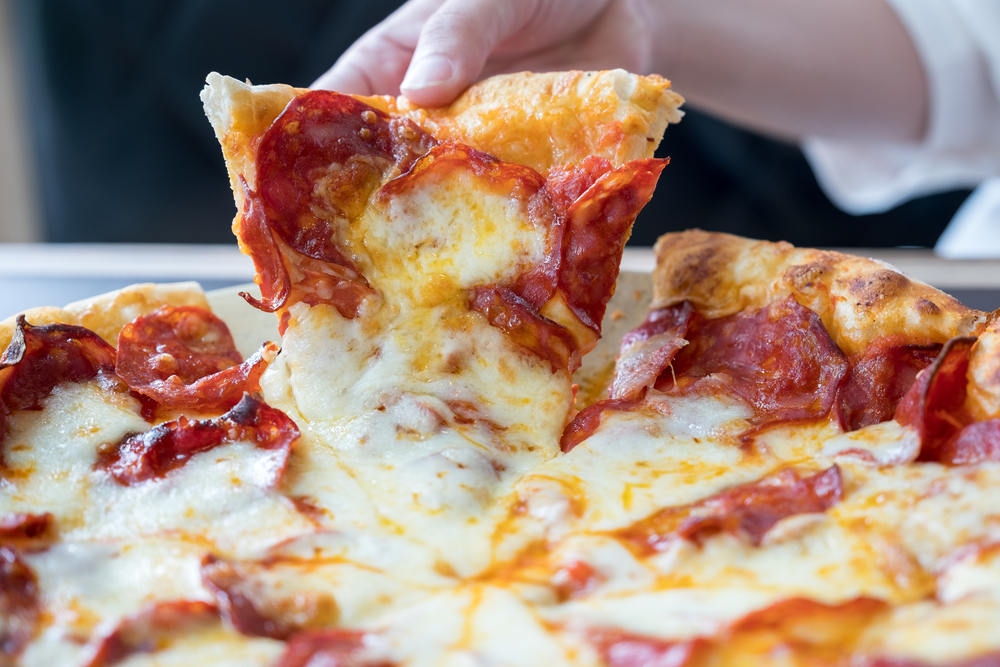
Fitness and nutrition expert Dr. Chris Mohr explains that pizza crusts typically consist of refined carbohydrates.
Also read: Scientists explore a gentler way to protect memory in Alzheimer’s
These can cause rapid spikes in blood sugar and affect cholesterol levels and inflammation.
Many hidden calories
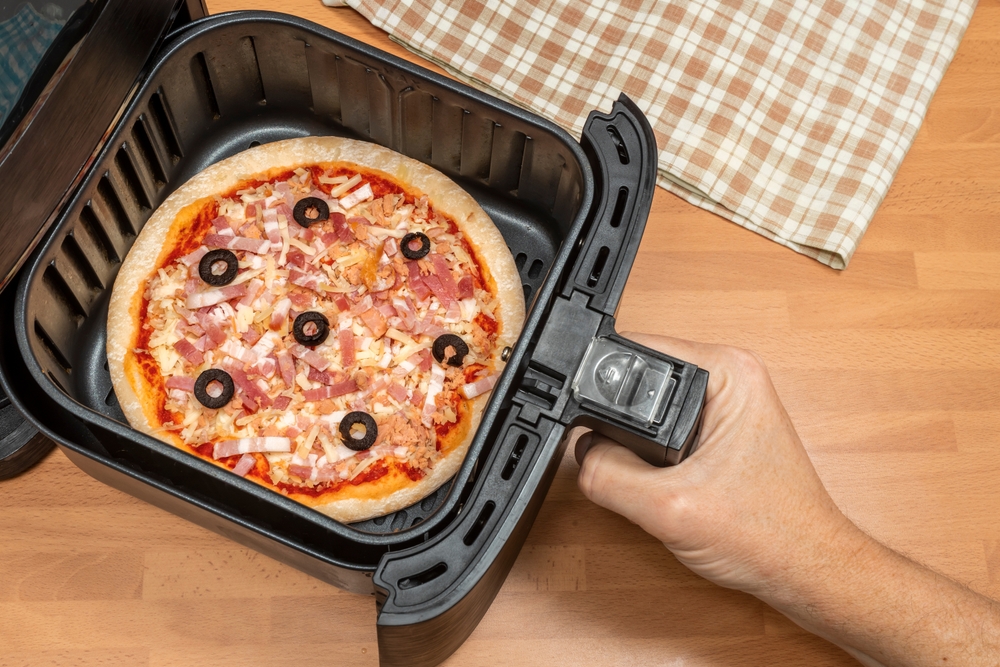
Courtney Pelitera warns that it is easy to eat multiple servings of pizza without realizing it.
A high calorie intake can lead to weight gain and increase strain on the heart.
Moderation rather than restriction
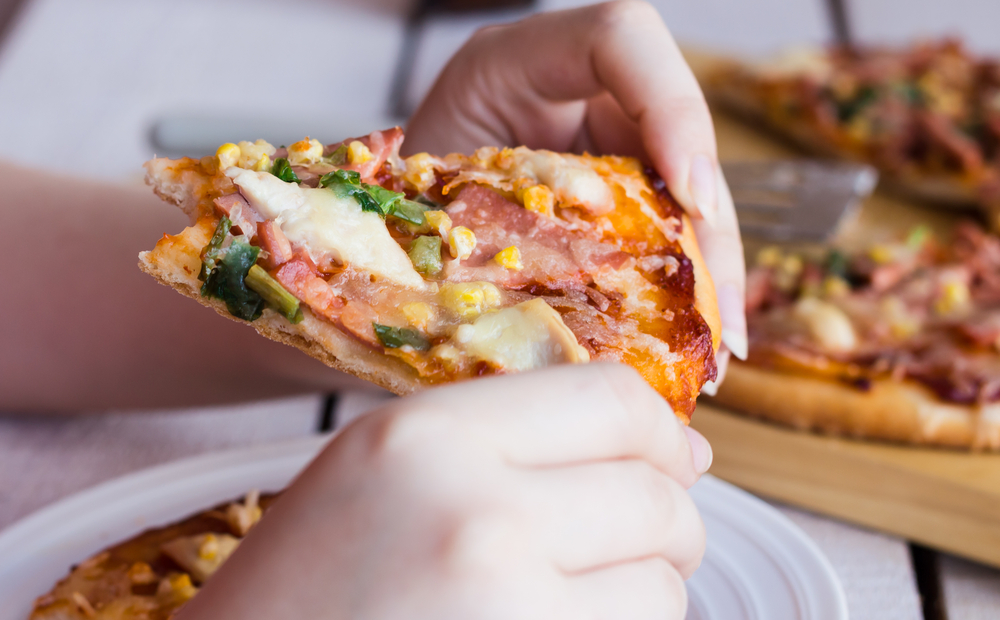
Dr. Chris Mohr stresses that frozen pizza does not need to be eliminated entirely. The problem arises when it becomes too frequent a part of the diet.
Also read: U.S. exit from WHO raises concerns over global disease surveillance
Smarter alternatives
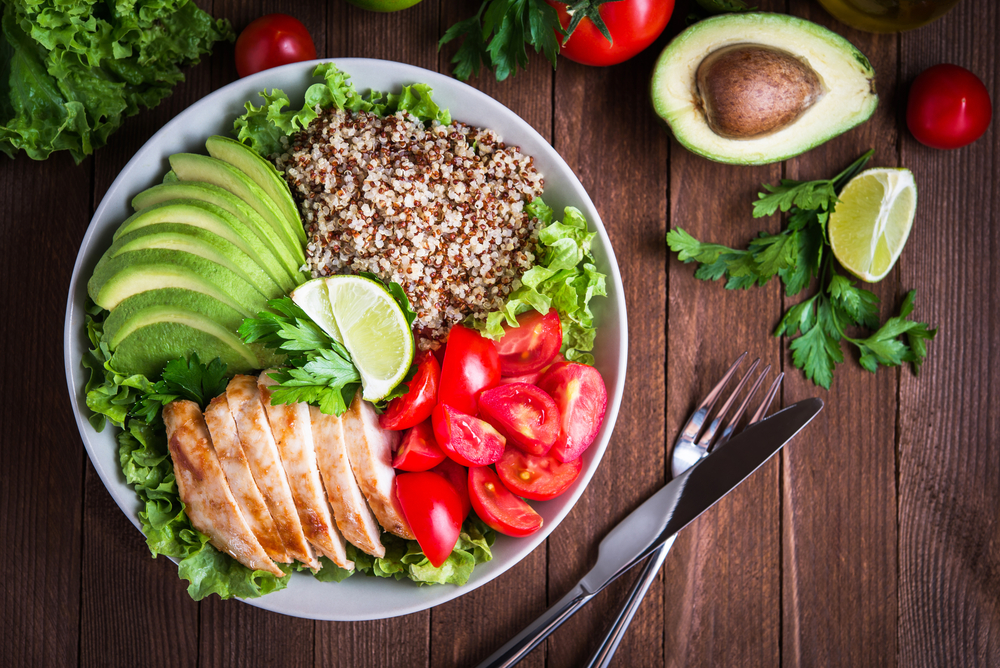
Dr. Chris Mohr mentions alternatives such as flatbread with vegetables and cheese, bowls with quinoa, vegetables, and chicken, or oven-baked fish dishes as easy options that better support heart health.
Sources: Parade.