
GLP-1 medications are used to treat conditions such as type 2 diabetes and obesity, but they can also affect the body's intake of essential nutrients.
According to WebMD, around one in five people develop a nutrient deficiency within the first year of treatment.
Vitamin D
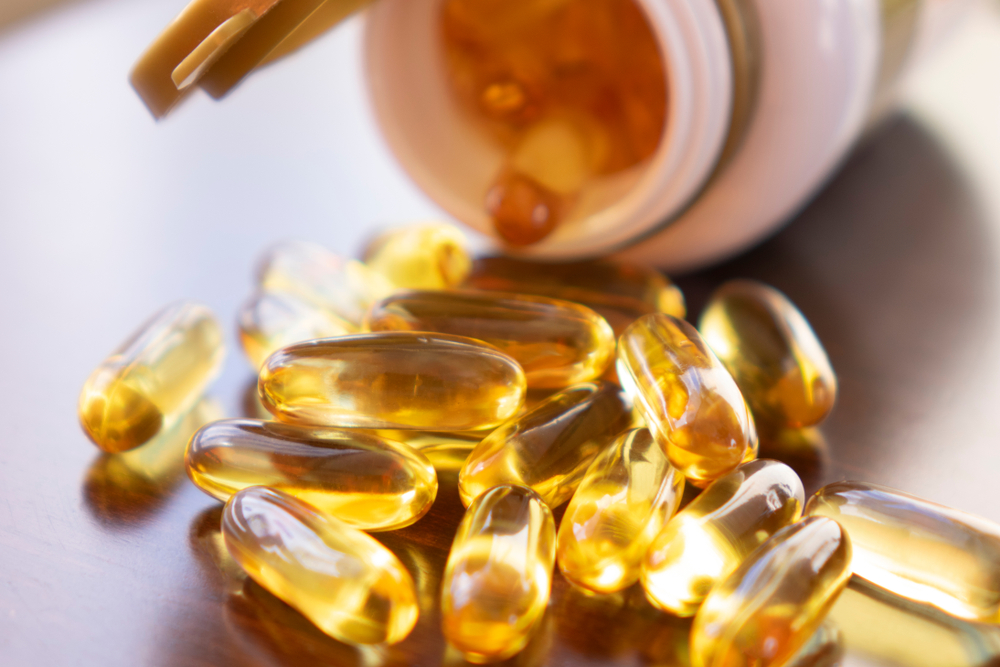
Vitamin D deficiency is the most common vitamin deficiency among people taking GLP-1 medications. Around 13 percent develop a deficiency within the first year, according to WebMD.
This can affect bone health, muscle function and the immune system. Fatty fish, fortified dairy products and breakfast cereals are good sources of vitamin D.
Also read: Had gestational diabetes? Your long-term type 2 diabetes risk may be 7 times higher
Protein
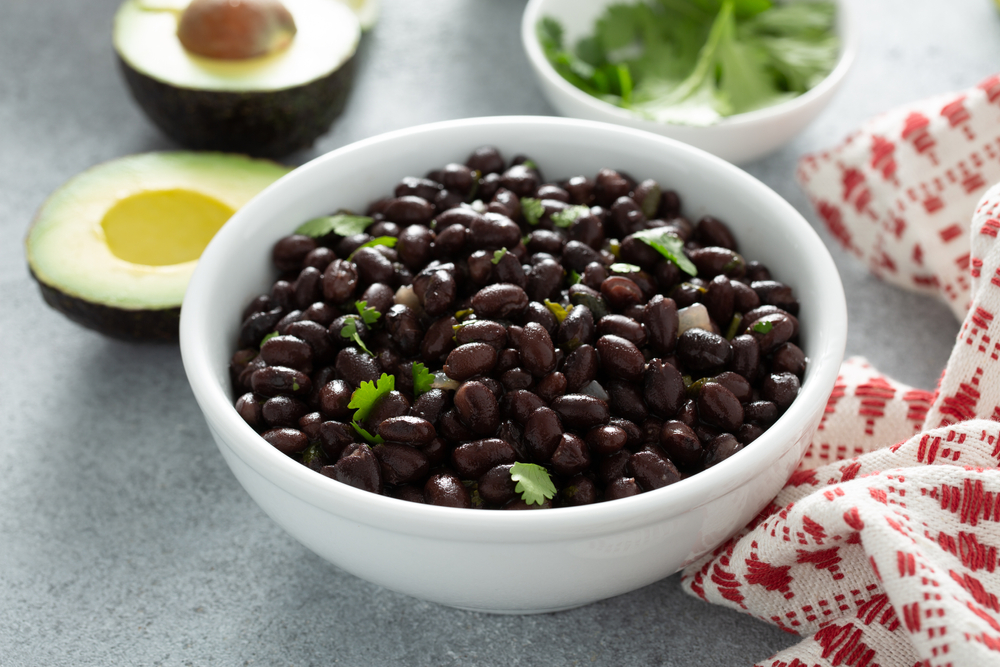
A reduced appetite can make it difficult to consume enough protein. This is particularly important during weight loss, when the body may lose both fat and muscle mass.
Protein is found in foods such as lean meat, dairy products, beans, nuts and seeds.
Vitamin C
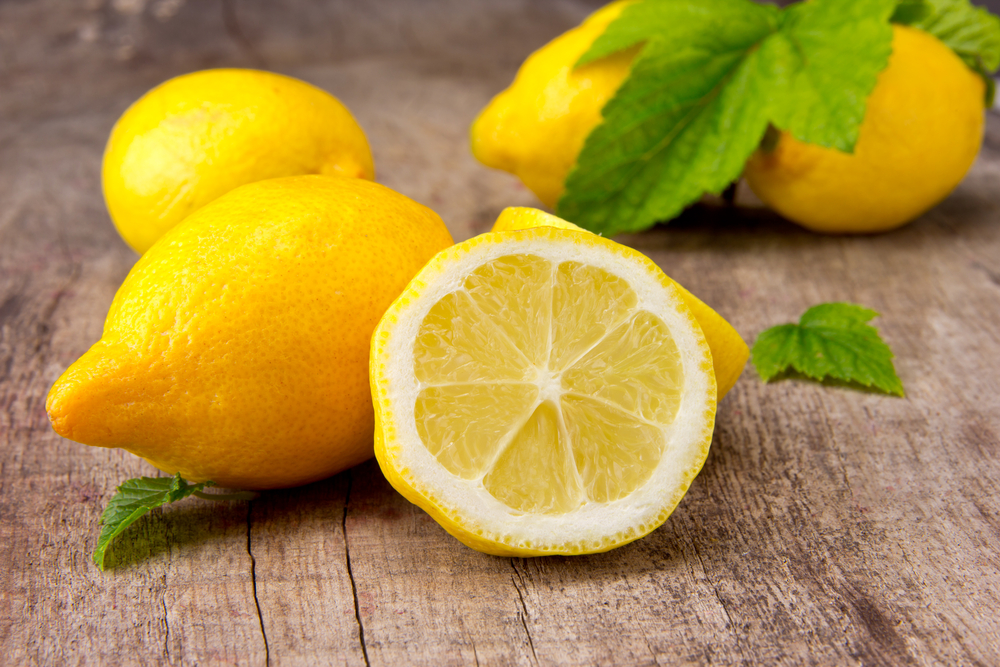
When appetite decreases, eating enough fruit and vegetables can become more challenging. As a result, vitamin C intake may also decline.
A deficiency can cause fatigue, bleeding gums, bruising and slower wound healing. Citrus fruits, strawberries, tomatoes and potatoes are good sources of vitamin C.
Also read: This type of sleep is linked to an 80% lower risk of Parkinson's disease
Iron
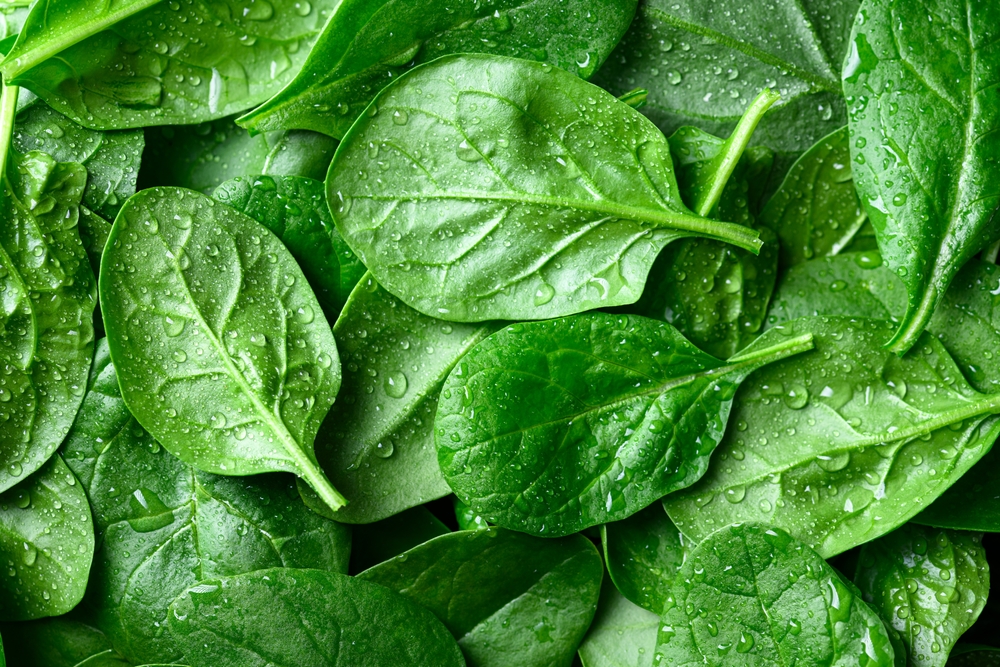
Reduced appetite and nausea can make it harder to eat enough iron-rich foods. According to WebMD, research also suggests that GLP-1 medications may reduce the body's ability to absorb iron.
A deficiency can lead to anaemia, fatigue, pale skin and shortness of breath. Iron is found in foods such as lentils, spinach and organ meats.
Vitamin A

Vitamin A is a fat-soluble vitamin that requires dietary fat for proper absorption. GLP-1 medications slow gastric emptying, and high-fat meals can cause digestive discomfort.
Low vitamin A levels can affect vision and immune function. Carrots, sweet potatoes and leafy green vegetables are good sources.
Also read: Pope Leo XIV faces difficult time as family battles serious illness
Magnesium

Nausea, vomiting and diarrhoea are common side effects of GLP-1 medications and can reduce the body's magnesium levels.
A deficiency may cause muscle cramps, fatigue, weakness and an irregular heartbeat. Magnesium is found in whole grains, beans, fish and green vegetables.
Folate

Folate is essential for the body's production of red blood cells and DNA. Inadequate intake can lead to fatigue, weakness, mouth sores and anaemia.
People experiencing a reduced appetite may therefore need to pay particular attention to their folate intake. Leafy green vegetables, eggs and whole grains contain folate.
Also read: Poor sleep during pregnancy may affect your baby's brain, study finds
Calcium
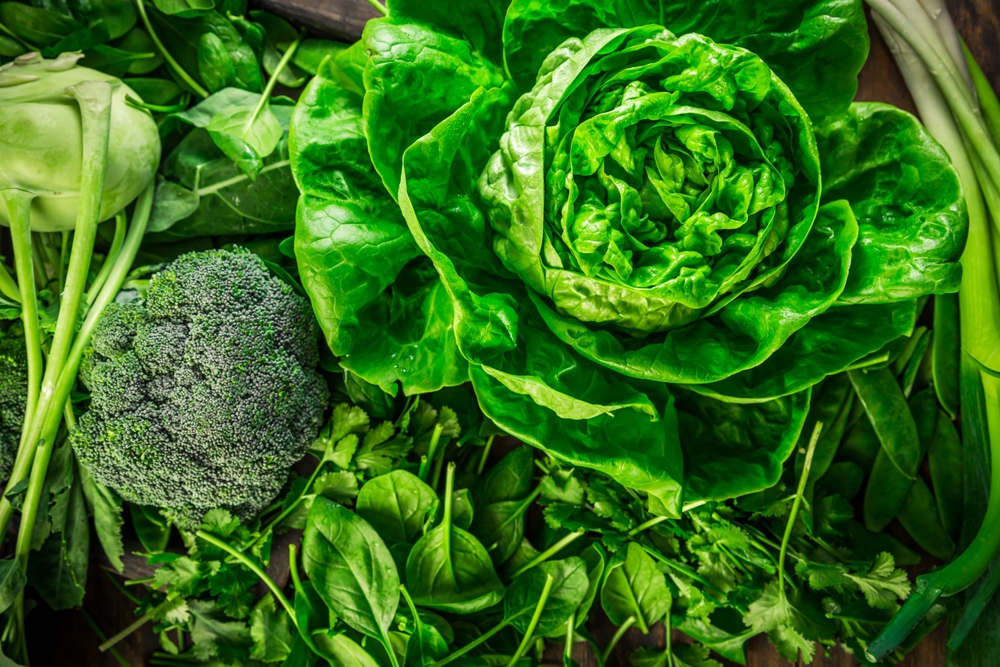
Calcium is essential for maintaining strong bones, particularly during rapid weight loss. Together with vitamin D, this mineral plays an important role in bone health.
Good sources of calcium include low-fat dairy products, leafy green vegetables and fortified plant-based drinks.
Zinc
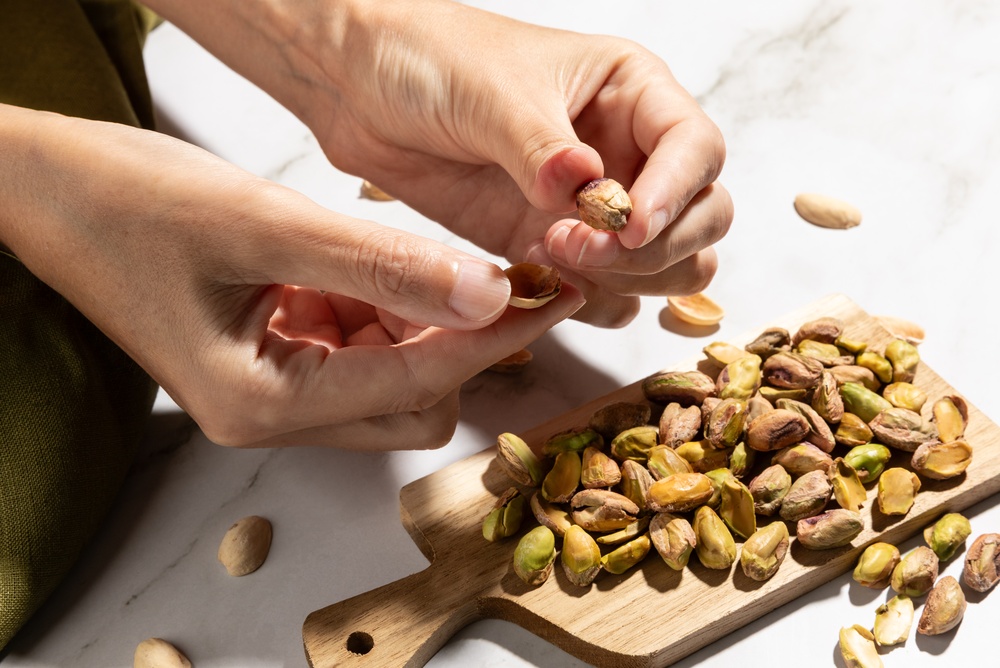
Zinc supports the immune system, wound healing and the senses of taste and smell. Eating less during GLP-1 treatment can lead to reduced zinc intake.
A deficiency may cause frequent infections, slow wound healing and changes in taste. Zinc is found in meat, shellfish, nuts and seeds.
Also read: Five-year teen brain study points to two habits parents often overlook
Vitamin B1
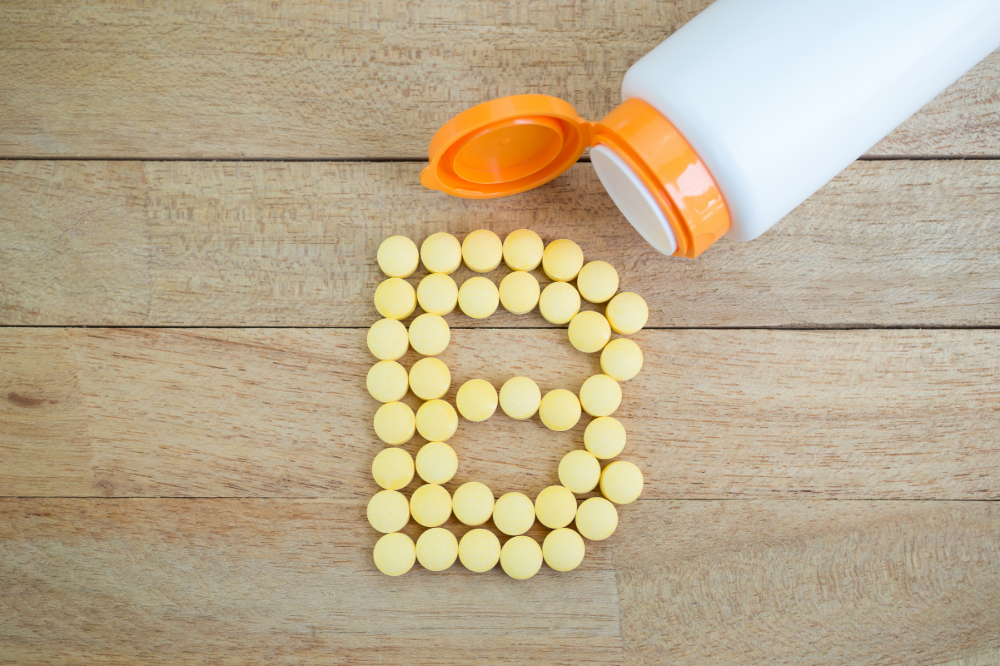
Vitamin B1, also known as thiamine, helps the body convert food into energy and supports the nervous system. Because the body stores only small amounts, reduced food intake can quickly affect thiamine levels.
A severe deficiency can cause weakness, balance problems, confusion and nerve damage. Whole grains, lean meat and fish are good sources.
Vitamins E and K

Like vitamin A, vitamins E and K are fat-soluble. Inadequate intake over an extended period can affect various bodily functions, including the blood's ability to clot.
Nuts, seeds and leafy green vegetables are good sources of these vitamins.
Vitamin B12
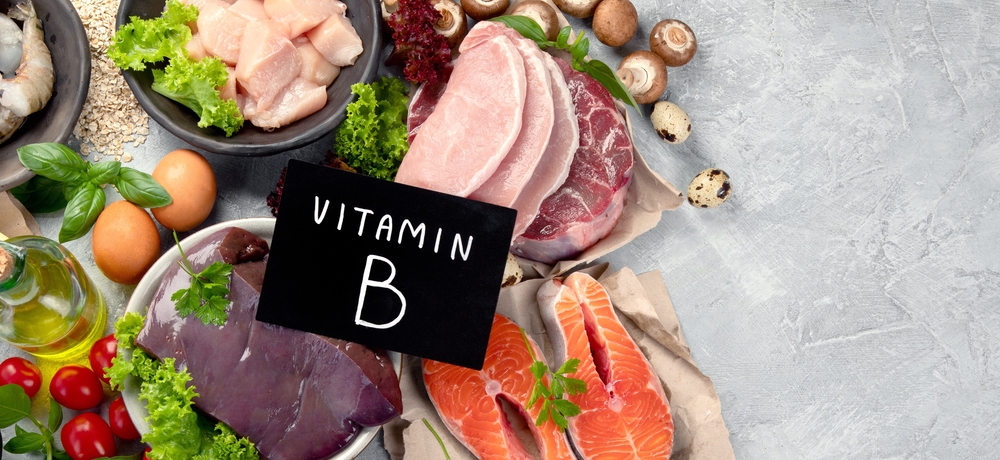
GLP-1 medications may affect the amount of stomach acid the body uses to release vitamin B12 from food.
Insufficient vitamin B12 can cause fatigue, memory problems, mood changes and tingling sensations in the hands. Meat, fish, poultry and dairy products contain this vitamin.
How to get enough nutrients during treatment
According to WebMD, eating smaller, more frequent meals can make it easier to consume enough food when appetite is low. Taking a short walk before meals may also help stimulate appetite.
Smoothies and broth can be alternatives when regular meals seem unappealing. However, it is recommended to avoid drinking large amounts of liquid immediately before and during meals.
This article is made and published by Ida-Marie Palm Varbæk, who may have used AI in the preparation.