
In a world filled with constant light, notifications, and digital distractions, many people underestimate how vital sleep is for brain health.
According to Dr. Pedro Schestatsky, a neurologist with a PhD from Harvard, poor sleep habits over time can create the perfect conditions for developing Alzheimer’s.
Sleep is a biological necessity

Dr. Schestatsky emphasizes that sleep is not a luxury but an essential biological need that many people today neglect due to an always-on lifestyle.
Chronic sleep deprivation harms the brain’s cleaning system
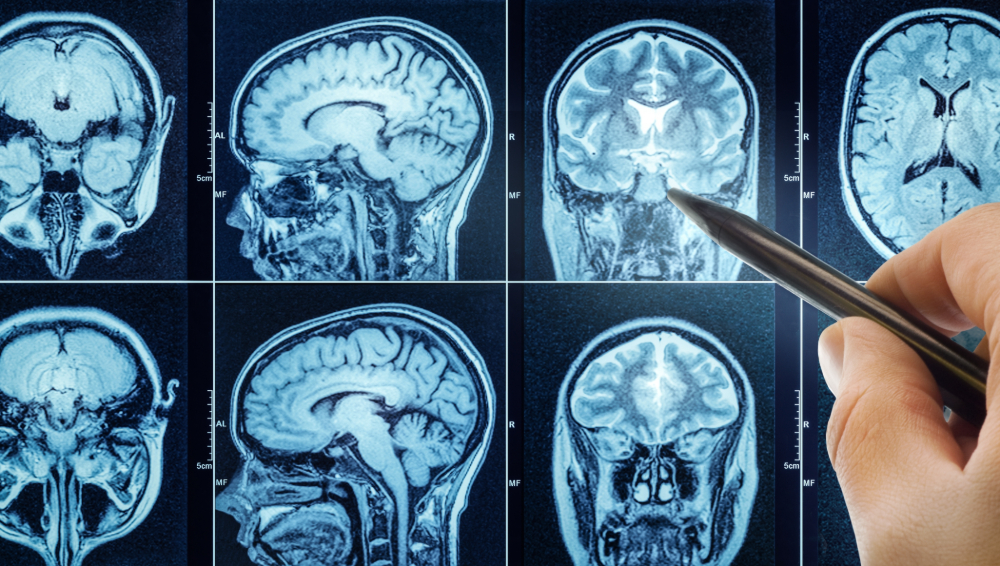
When you get too little sleep for years, the brain loses its ability to clear out toxins, leading to a buildup of waste like beta-amyloid, which is linked to Alzheimer’s.
Also read: Get Glowing Skin & a Strong Immune System With These Vitamin C-Rich Veggies
The brain’s garbage disposal

During sleep, the glymphatic system activates to remove metabolic waste and toxic proteins from brain tissue. Insufficient sleep disrupts this crucial cleansing process.
Sleep apnea disrupts the brain’s oxygen supply

People with sleep apnea experience frequent breathing interruptions, causing hypoxia and inflammation in the brain.
If you have symptoms, you should get checked, as untreated apnea can worsen cognitive decline.
Only 4 % are metabolically healthy

Dr. Schestatsky points out that 96 % of the population already has some metabolic imbalance, which compounds the damage that poor sleep can cause the brain.
Also read: One Simple Dental Habit Could Help Prevent Heart Attacks and Diabetes
Digital stimuli create constant stress

Overexposure to digital devices keeps the brain in a state of perpetual alertness, increasing the risk of insomnia, depression, and ultimately, neurological disorders.
Stress can accelerate cognitive decline

Chronic stress combined with poor sleep and genetic predispositions creates what Dr. Schestatsky calls a "culture medium" that can speed up brain aging.
Conscious breathing as mental strength training

Conscious breathing works like "mental weightlifting" by slowing down the breath, reducing stress levels, and improving sleep quality, giving the brain a better chance to recover.
A regular sleep routine is key

A consistent sleep routine without screens before bed can help restore a healthy circadian rhythm, giving the brain the time it needs to clear out harmful toxins.
Also read: One Daily Portion of This Food Could Cut Your Risk of Heart Disease by 43%
Small changes protect your brain

Practical steps like limiting screen time, practicing breathing exercises, and checking for signs of sleep apnea can make a huge difference for your long-term brain health.
This article is based on information from Em.com.br.
Also read: Dad's 15-Minute Bedtime Hack Goes Viral – And It's Changing How Parents Put Kids to Sleep
This article is made and published by Ida-Marie Palm Varbæk, who may have used AI in the preparation.