
Granola is a popular choice for both breakfast and snacks, but how healthy is it really on a daily basis?
Here is an overview of how the body is affected, based on nutrition and research, according to EatingWell.
Heart health

Granola contains oats, which are rich in beta-glucan, a type of soluble fiber that can help lower cholesterol.
A study published in the European Journal of Nutrition shows that oats can reduce total cholesterol and LDL cholesterol, as well as positively influence BMI and waist circumference.
Also read: Are cold beverages bad for your health? Here’s what science says
Contains blood pressure-lowering antioxidants

Oats in granola contain antioxidants called avenanthramides, which are associated with lower blood pressure and improved heart function, according to a study published in Current Developments in Nutrition.
Can keep you full longer

The soluble fiber in granola slows digestion and can reduce hunger between meals. This contributes to a more stable sense of satiety.
May influence appetite hormones

Beta-glucan in oats can increase hormones such as cholecystokinin and peptide YY, which help regulate appetite, according to a study published in Current Nutrition Reports.
May promote healthy gut bacteria

A study showed that high-fiber granola can increase the amount of gut bacteria that help regulate blood sugar, according to research published in Frontiers in Nutrition.
Also read: New guidelines recommend earlier cholesterol screening
Can provide a nutritional boost
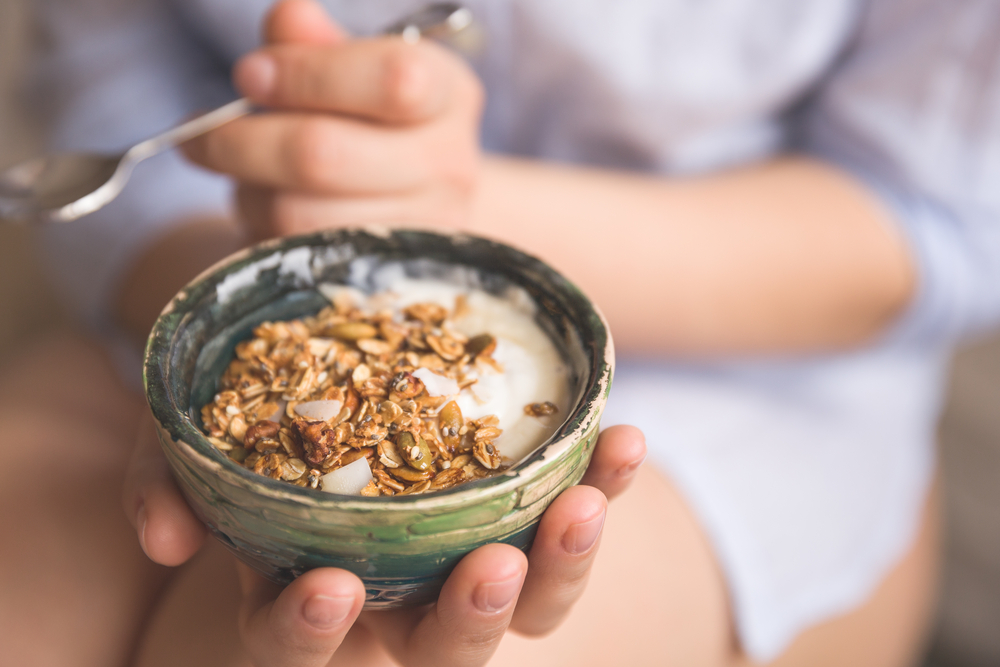
Granola is often eaten with other nutrient-rich foods such as yogurt, milk, and fruit, which can improve overall diet quality and increase nutrient intake.
Contains fiber, protein, and healthy fats
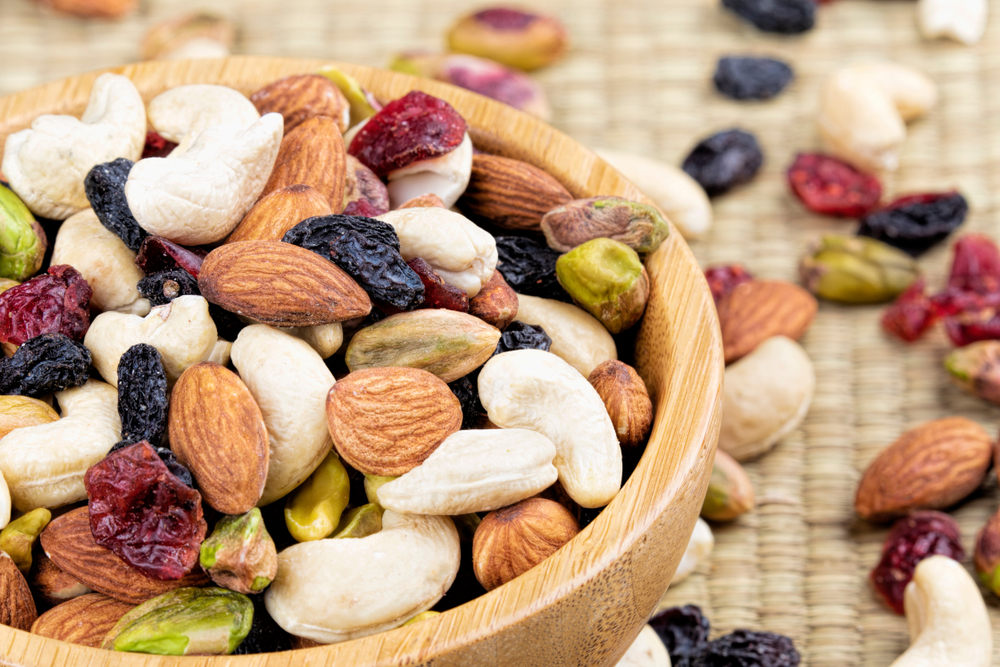
Granola typically consists of whole grains, nuts, and seeds, which contribute dietary fiber, plant-based protein, and healthy fats.
Can be high in calories

Depending on the ingredients, granola can be high in calories, fat, and sugar, making portion size important.
May contain a lot of sugar

Some varieties have a high content of added sugar, which can have negative long-term effects on the immune system, heart health, and the risk of diabetes.
Also read: Over 50? Here’s why you shouldn’t shower every day
Not suitable for everyone

People with allergies to ingredients such as nuts should avoid granola or choose varieties without these ingredients.
Can be adapted for healthier choices

By choosing granola with lower amounts of added sugar and less saturated fat, it can become a healthier everyday option.
Can be eaten in several ways

Granola can be eaten as a snack, with yogurt or milk, or used in bars, making it a versatile food.
Sources: EatingWell, European Journal of Nutrition, Current Developments in Nutrition, Current Nutrition Reports, and Frontiers in Nutrition.
Also read: Specific risk groups are advised to pay particular attention to prostate cancer screening
Also read: Young man’s cancer case highlights overlooked early symptom