
Moisture in walls can be difficult to diagnose because it may come from condensation in the room or water inside the wall itself. Architects and construction specialists often use a simple aluminum foil test to get an initial indication of the cause. The test usually takes between 24 and 48 hours.
What moisture in walls can mean
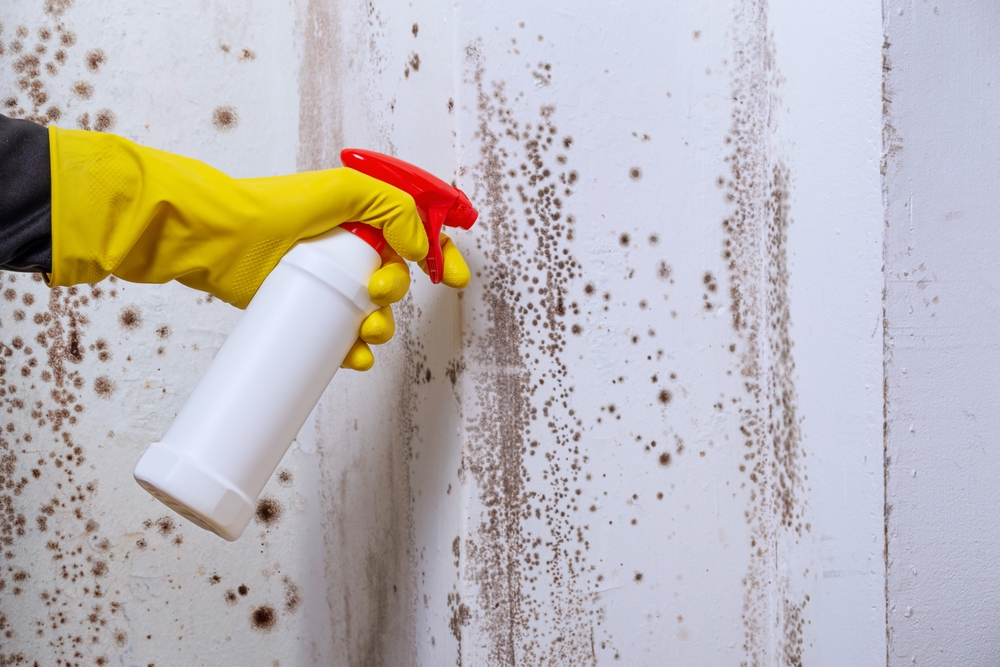
Moisture on walls is a common issue, especially in older homes and in areas such as kitchens. What may look like a simple stain can also be a sign of leaks or structural damage in the building.
Why aluminum foil can reveal moisture
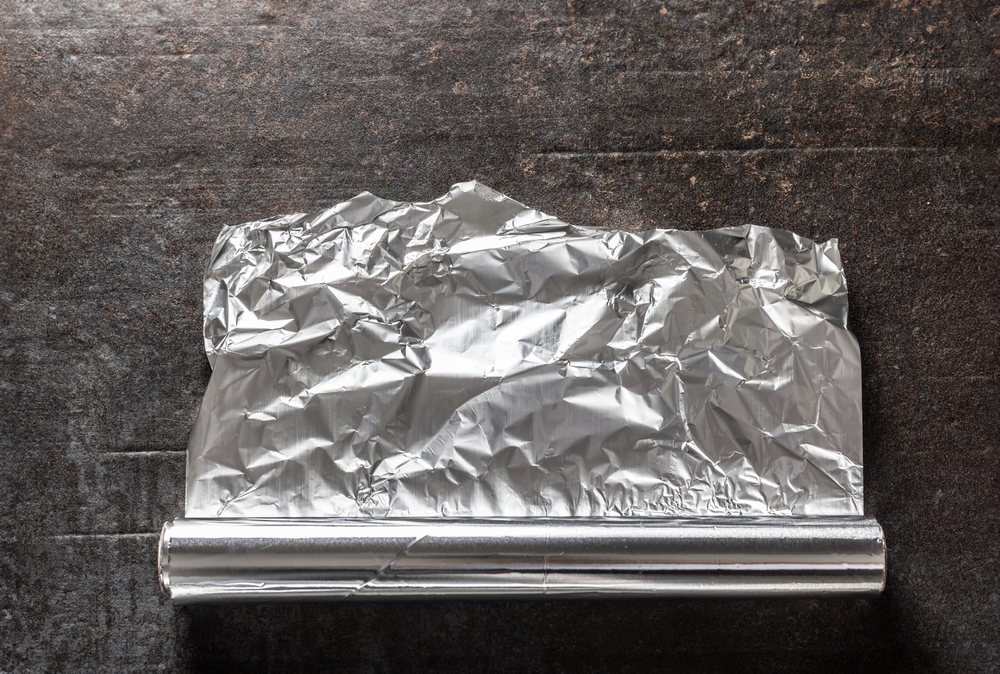
Aluminum foil works because it creates an isolated area on the wall. When the foil is properly sealed, it blocks airflow and prevents evaporation in that specific spot.
How the test shows where the moisture comes from
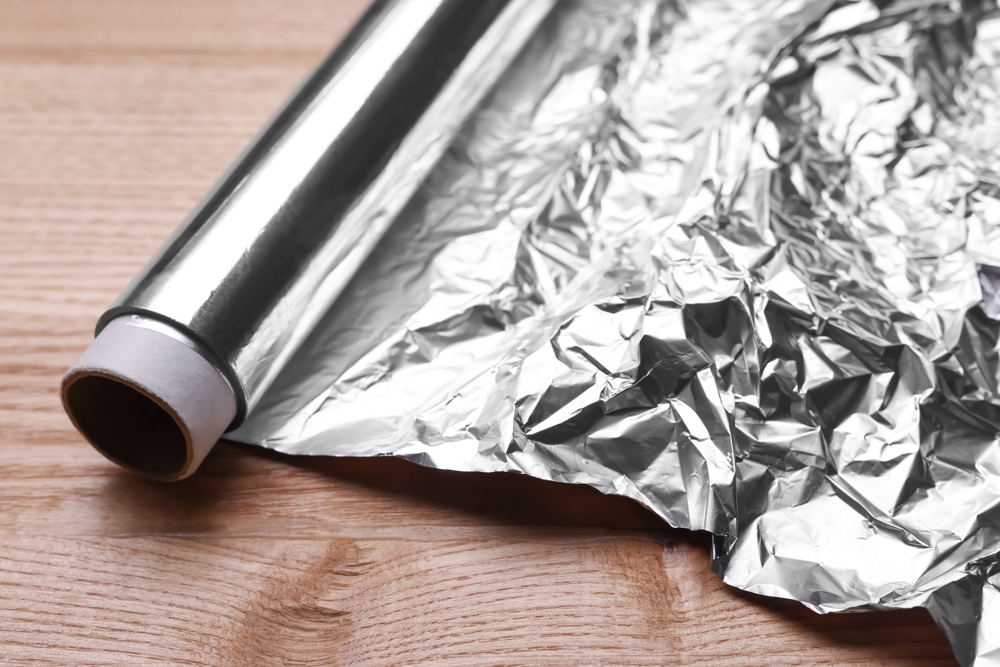
After several hours, condensation patterns reveal the source. If moisture appears on the inner side of the foil, it usually means the water is coming from inside the wall.
Also read: How eating oatmeal every day affects your cholesterol
When the problem is condensation in the room
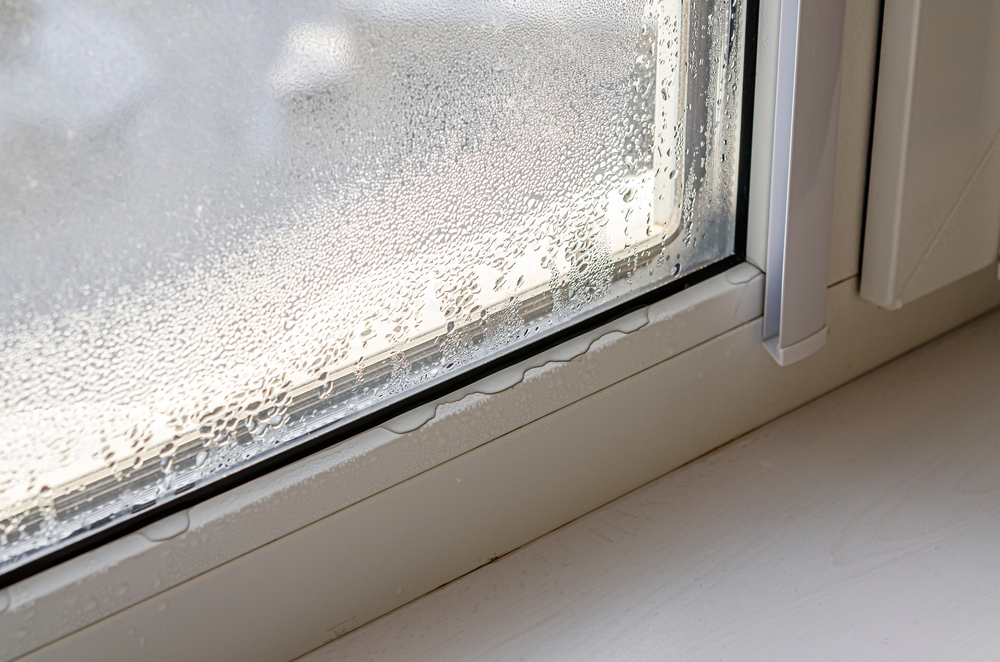
If the inner side of the aluminum foil stays dry, the issue is likely caused by condensation from humidity in the air. This often happens after cooking or showering.
Which walls this test works best on
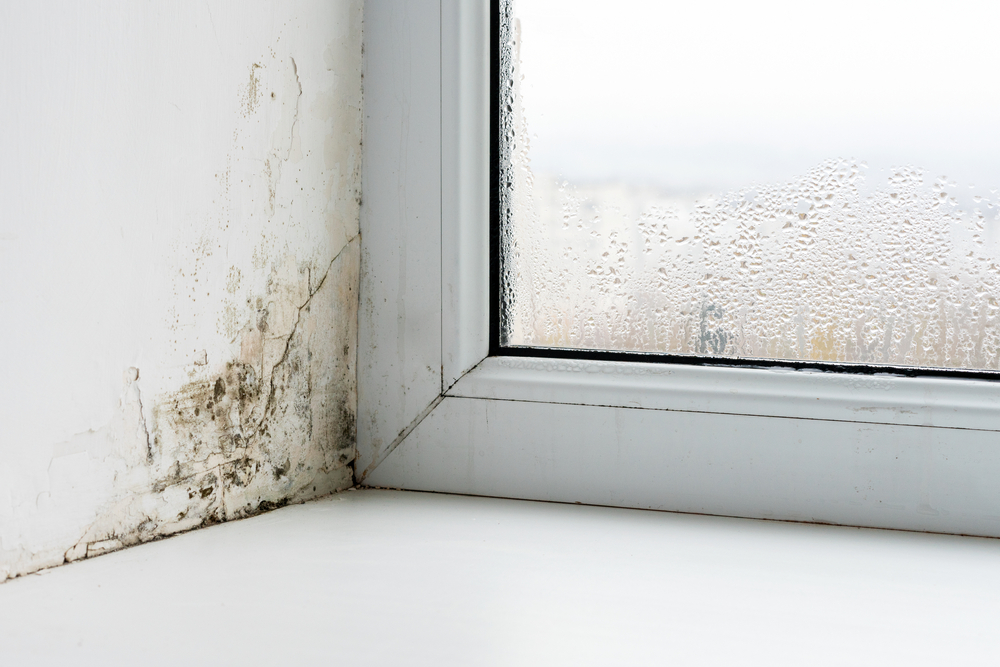
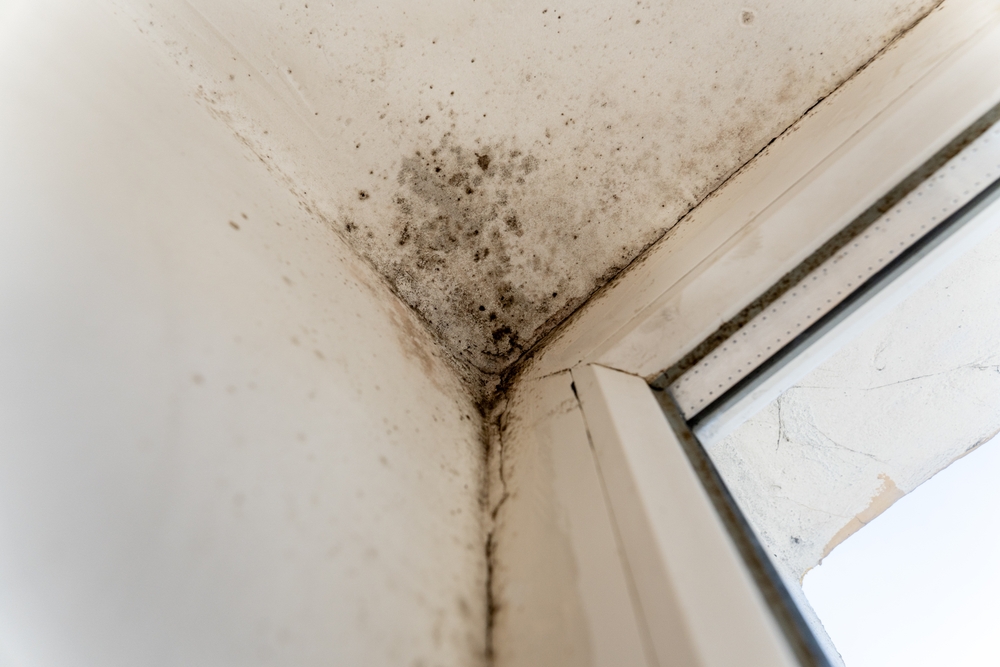
This method is particularly useful for kitchen walls, older homes, walls with dark stains or peeling paint, and areas where it is unclear whether the problem is condensation or a leak.
Materials needed for the test
The test requires only simple materials. These include aluminum foil, strong adhesive tape, a dry cloth, an optional thermometer, and a camera or phone to take photos.
Clean the area before starting
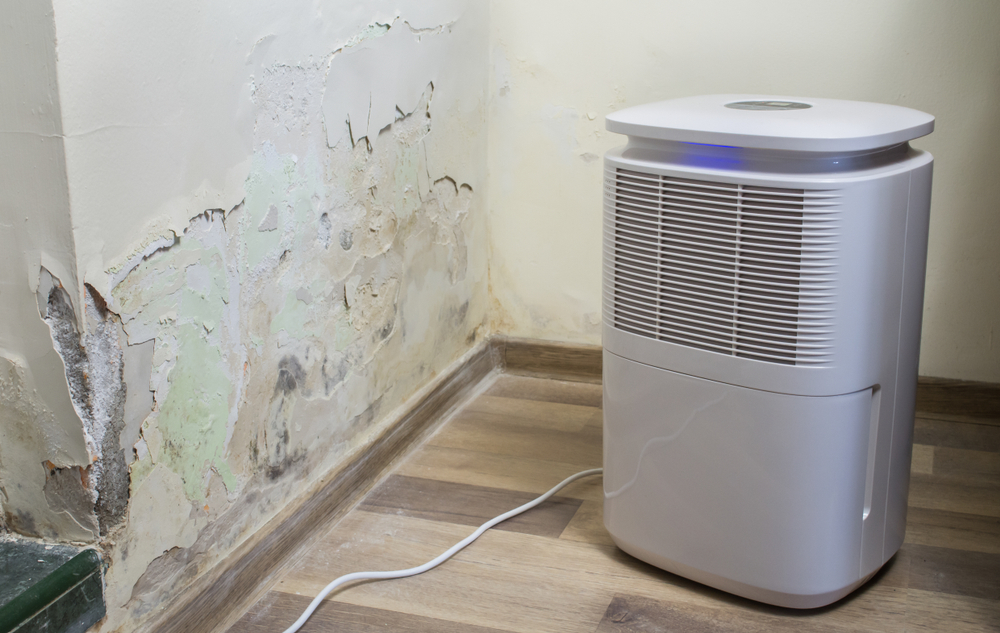
Begin by wiping the wall with a dry cloth. Avoid using water because it may affect the test result.
Also read: Kidney stones: seasonal patterns and prevention
Cut a piece of aluminum foil
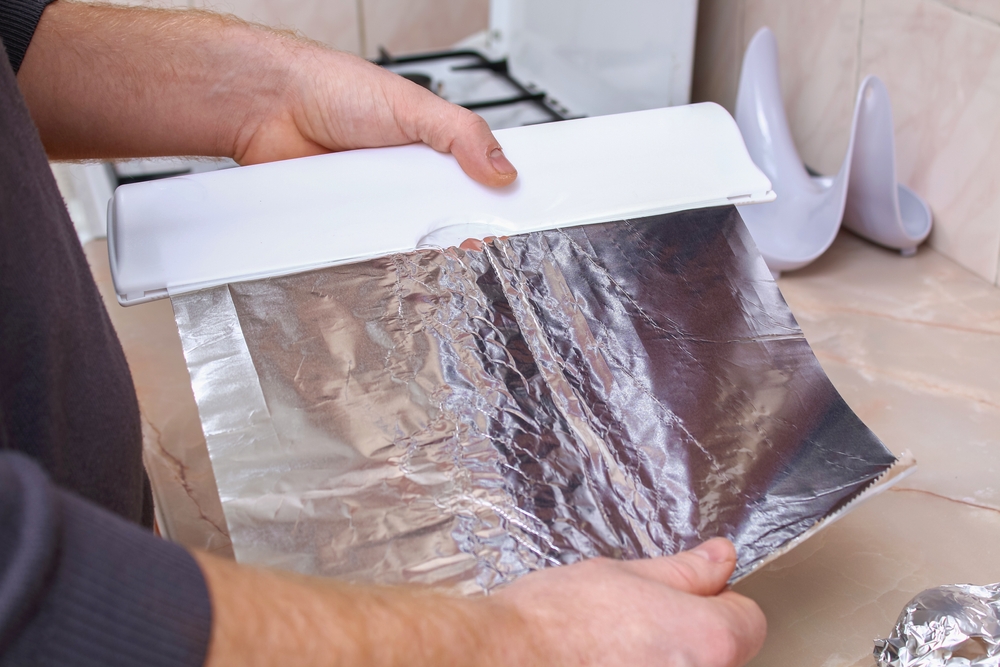
Cut a sheet of foil slightly larger than the area you want to test. This makes it easier to seal the edges properly.
Place the foil on the wall
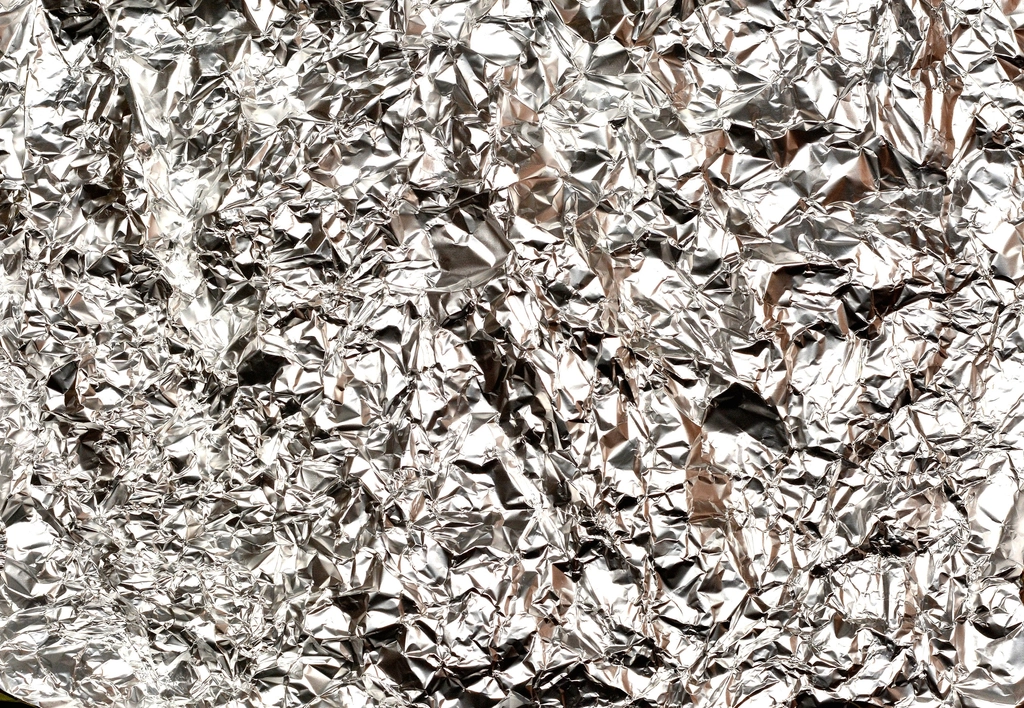
Press the foil flat against the wall so it fully covers the selected area.
Seal the edges carefully

Use strong tape to seal all edges. The center of the foil should remain tight and completely closed so that no air enters.
Leave the test for 24 to 48 hours
The foil should remain untouched for at least one day and up to two days to allow moisture to appear if present.
Also read: Common reasons for bloating in everyday life
How to interpret the results
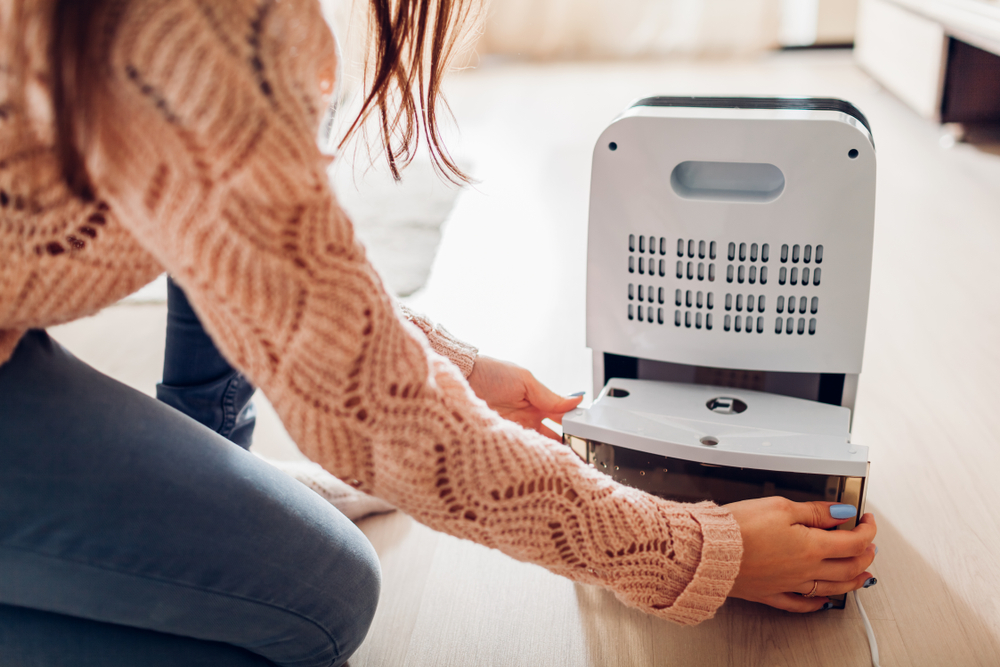
When you remove the foil, check the side that was touching the wall. Water droplets, dark marks, or efflorescence suggest moisture inside the wall. If the foil is dry, the problem is likely condensation from indoor humidity.
Signs that a specialist may be needed

Large stains, active mold, peeling wallpaper, a strong musty smell, or bubbling paint can indicate more serious issues. In these cases, a professional inspection may be necessary.
How to prevent moisture in the home
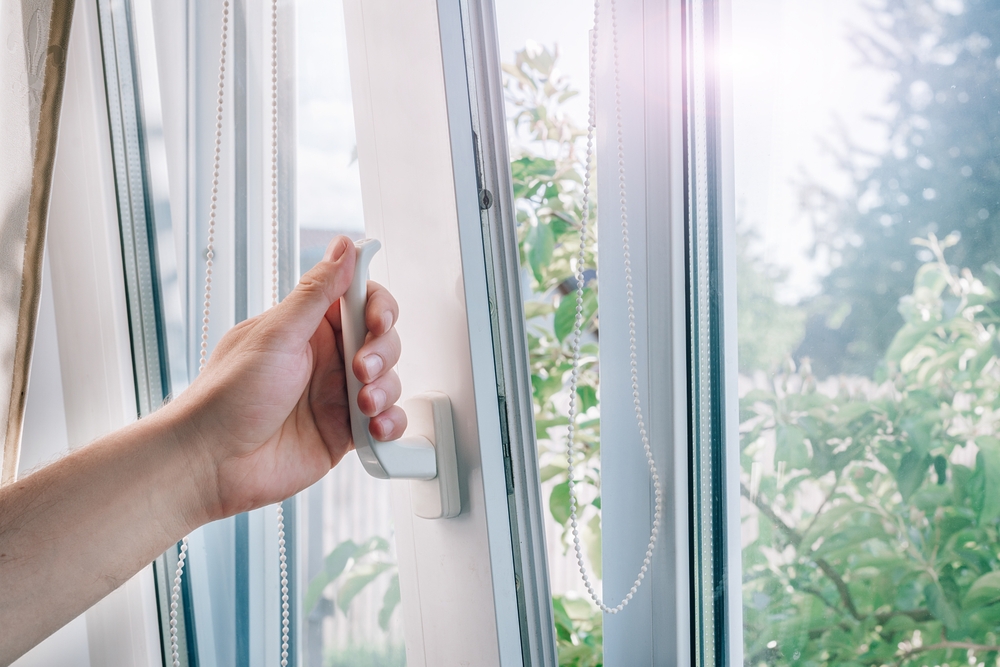
Prevention helps avoid costly repairs. Ventilate the kitchen after cooking, open windows after showering, check window seals regularly, keep floors near walls dry, and repair water leaks as soon as possible.
Kilder: El Imparcial
Also read: New findings offer insight into how sleep deficits influence brain activity
Also read: How kefir can affect your body if you drink it every day