
Hanging from a bar might seem simple, but it’s a serious test of grip strength, endurance, and upper-body stability.
Whether you’re training for pull-ups or just want to challenge yourself, knowing how long you can dead hang is a great fitness benchmark.
Here are 10 key insights about dead hang times and what they mean for different fitness levels.
What Is a Dead Hang?
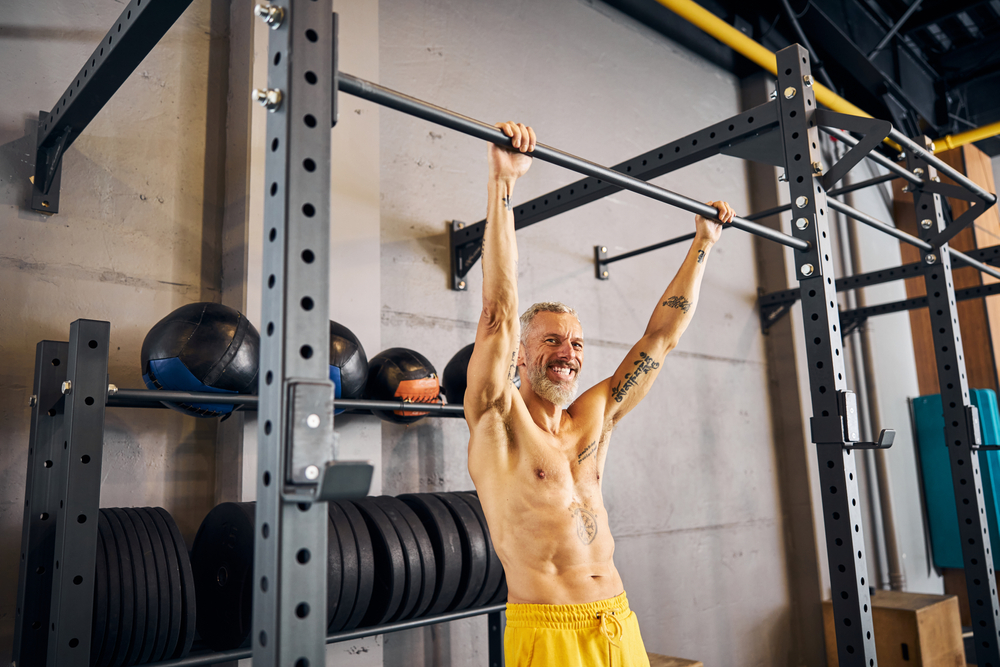
A dead hang is an isometric exercise where you grip a pull-up bar and hang with fully extended arms, keeping your feet off the ground.
It builds grip strength, shoulder stability, and core endurance—all crucial for mastering pull-ups.
Why Should You Do Dead Hangs?

Beyond preparing you for pull-ups, dead hangs strengthen your forearms, improve shoulder mobility, and can even help decompress your spine after heavy lifting sessions.
They’re a simple but effective way to build endurance in key upper-body muscles.
How to Perform a Proper Dead Hang
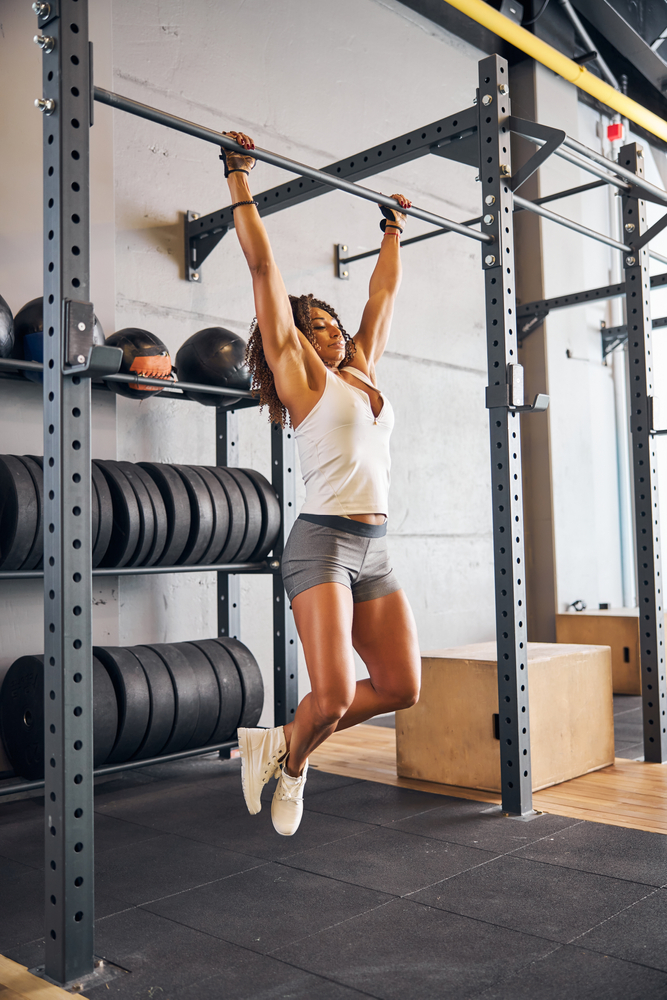
Grip the bar with an overhand grip, hands shoulder-width apart. Engage your core, keep your shoulders stable, and avoid excessive swinging. Hang as long as you can while maintaining good form, then gently step or hop down.
Beginner Dead Hang Time Expectations
If you’re new to dead hangs, lasting 10-15 seconds is a solid starting point. Your grip will likely give out quickly, but consistent training will help improve endurance.
Intermediate Dead Hang Goals
For those with moderate fitness levels, 60-90 seconds is a strong benchmark. At this stage, your grip and shoulder strength should allow you to hold on much longer.
Advanced Dead Hang Targets

Athletes with significant grip and upper-body strength can aim for 2-3 minutes. This level of endurance suggests well-developed muscles in the hands, forearms, shoulders, and core.
Elite Dead Hang Achievements

Hanging for more than 3-5 minutes puts you in elite territory. Competitive athletes, rock climbers, and experienced lifters often train for extreme grip endurance and can maintain a dead hang for impressive durations.
How Age and Sex Affect Dead Hang Performance
Men typically outperform women in dead hangs due to greater relative grip strength. Additionally, younger individuals tend to have better endurance, while grip strength naturally declines with age. However, training can significantly counteract these effects.
The Role of Body Weight in Dead Hang Success

A lower body fat percentage and higher muscle mass improve dead hang times. Lighter individuals with strong grip strength generally find it easier to hang longer, while excess weight can make the exercise more challenging.
How to Improve Your Dead Hang Time
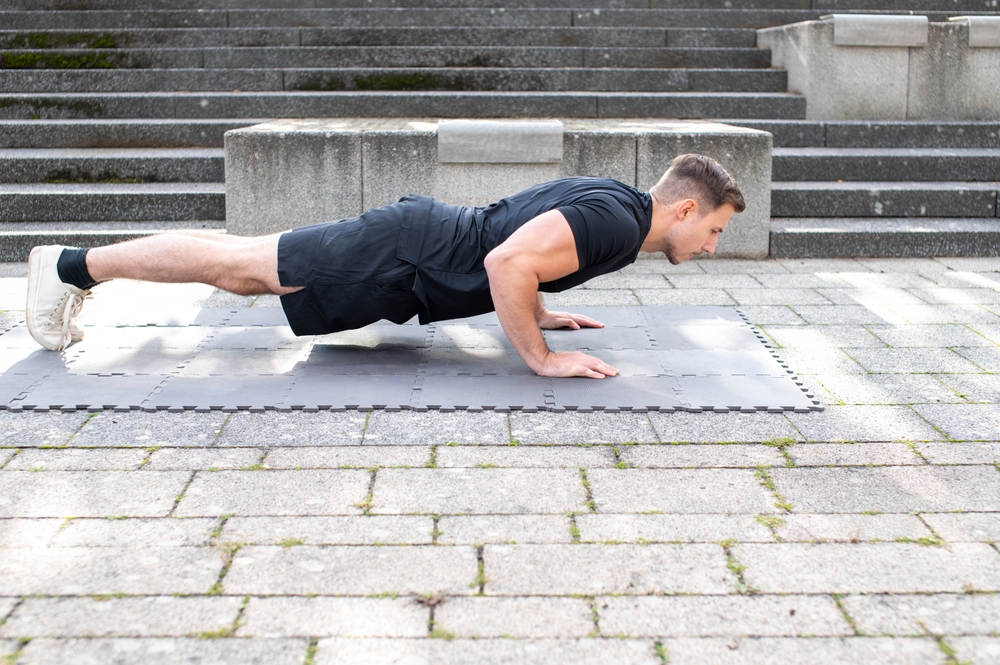
Train regularly by incorporating forearm, wrist, and grip exercises like farmer’s carries, wrist curls, and fingertip push-ups. Also, work on shoulder stability with exercises like scapular pull-ups and face pulls to enhance your dead hang endurance.
Artiklen er baseret på informationer fra Marathon Handbook
This article is made and published by Mie Hermansen, who may have used AI in the preparation.