
Many illnesses can be contagious even before you notice them. Here is a brief overview of how long the most common infections can be transmitted to others.
Influenza

You can spread the virus before symptoms begin.
You are most contagious during the first three to four days, but you can transmit the infection for about a week or longer, especially if you are a child or have a weakened immune system.
Common cold

The common cold is contagious one to two days before symptoms appear and typically for a total of one to two weeks.
Also read: Warm baths show potential in managing high blood pressure
You are most contagious during the first days, when symptoms are more severe.
COVID-19

COVID-19 can be transmitted two to three days before symptoms appear. Keep your distance until symptoms improve and you have been fever-free for three days.
If you have no symptoms, you should stay home for 10 days after a positive test.
Mononucleosis

Mononucleosis is contagious from the time of infection, even before symptoms appear.
Also read: How to reduce the risk of cancer, according to doctors
It can be transmitted during the illness and for up to 18 months after recovery.
Norovirus

Norovirus causes stomach pain, vomiting, and diarrhea. It is most contagious during the illness and in the days following, but it can be transmitted for two weeks or more.
Good hand hygiene is therefore important.
Conjunctivitis
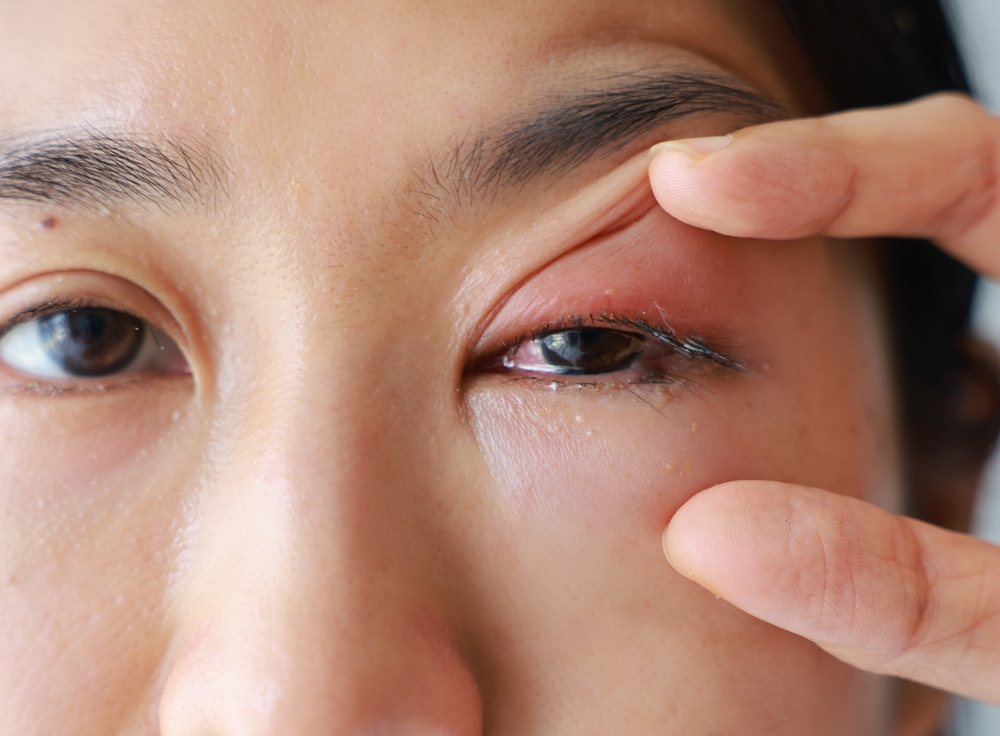
Conjunctivitis is contagious as long as you have symptoms. In cases of bacterial infection, contagiousness ends 24 hours after starting antibiotics.
Also read: Extended fasting improves blood pressure in new study
The viral form is also contagious one to two days before symptoms appear.
Measles
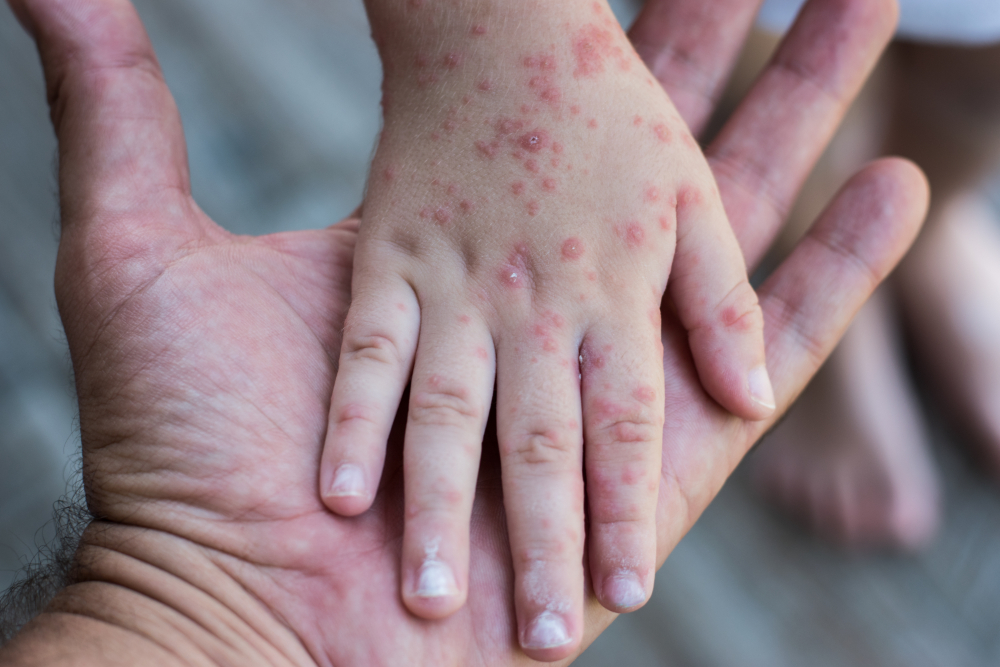
Measles spreads easily through the air. You are contagious from four days before the rash appears until four days after it has disappeared.
Hand, foot and mouth disease

Hand, foot and mouth disease is most contagious during the first week, but it can spread for several weeks.
It is transmitted through coughing, sneezing, saliva, and fluid from blisters.
Also read: Study: 18 percent change working life due to tinnitus
Whooping cough

Whooping cough spreads through airborne droplets for two to three weeks after the cough begins. Antibiotics can shorten that period.
Impetigo
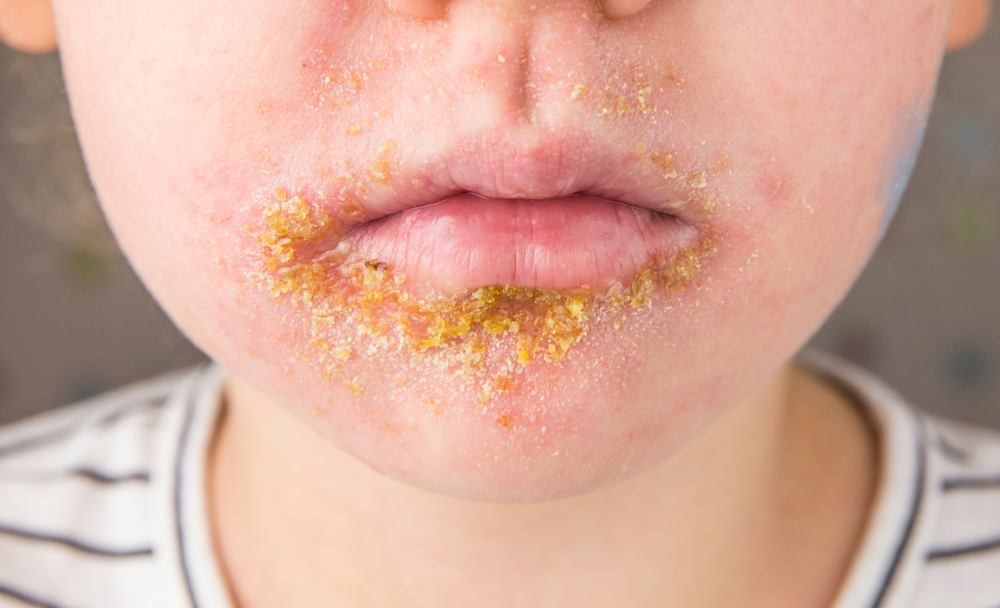
Impetigo spreads through contact with the sores. Good handwashing helps prevent infection, and the condition can be treated with antibiotics.
MRSA
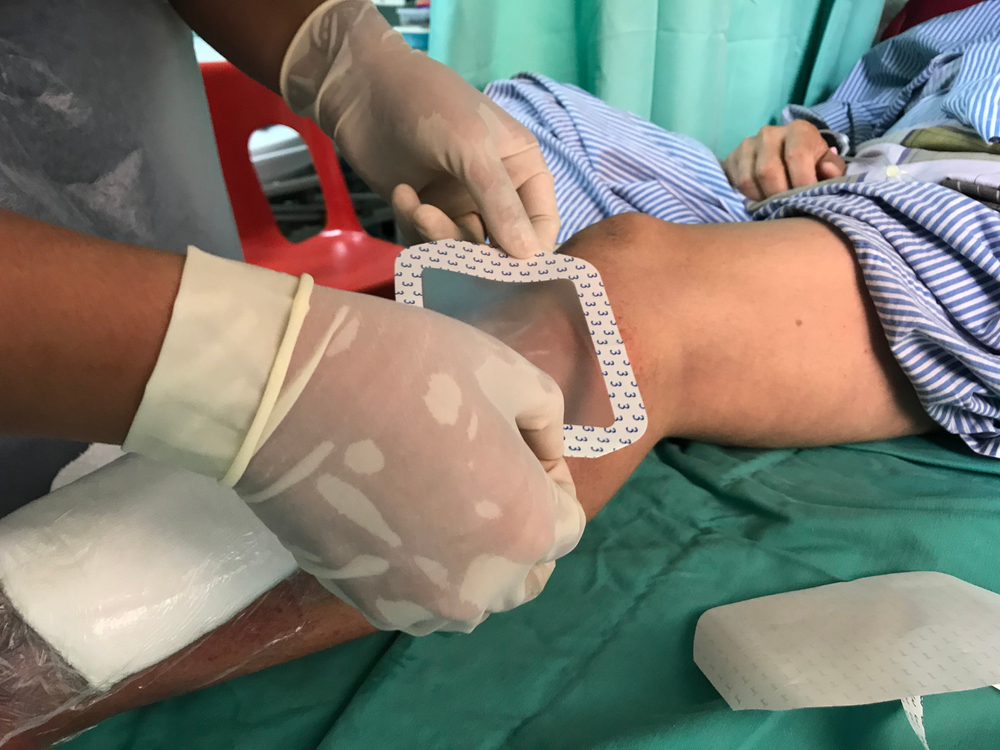
MRSA spreads through direct contact with wounds or contaminated objects. Follow the treatment carefully to avoid further transmission.
E. coli

E. coli spreads through unclean hands, food, or water. It is contagious during illness and sometimes for a longer period. Handwashing protects you from infection.
Also read: These personality traits can influence your lifespan
Common cold

The common cold is contagious as long as you have symptoms and possibly a little longer. Cover your mouth and nose when coughing or sneezing.
Chickenpox
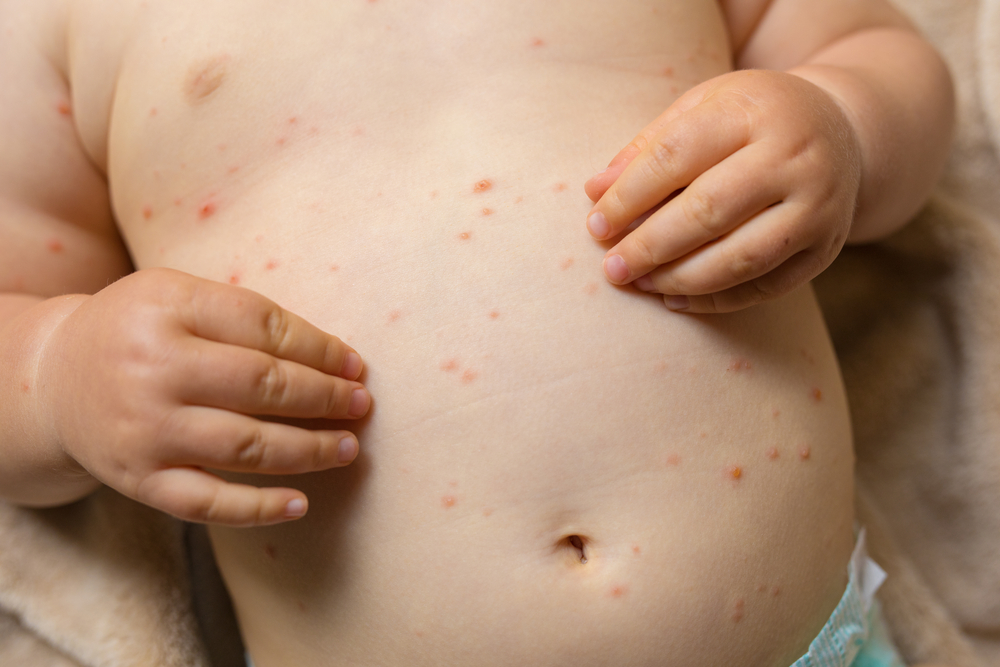
Chickenpox is highly contagious. A child should stay home until all blisters have dried and formed scabs.
Shingles
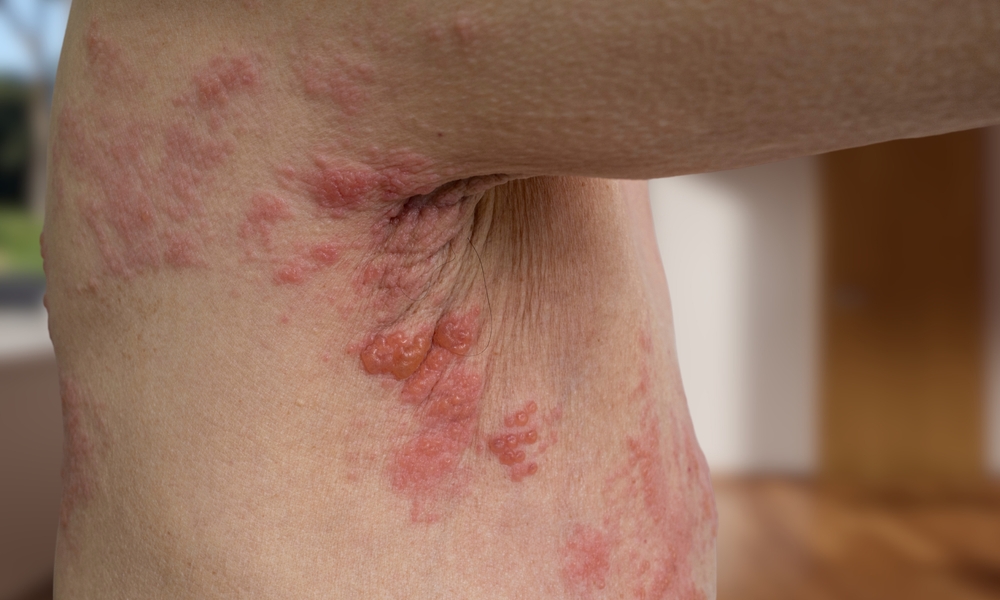
Shingles can cause chickenpox in others through the fluid in the blisters if the person exposed has not been vaccinated or previously infected.
Sources: WebMD.