
Many believe the golden rule for a healthy life is 10,000 steps a day, but this target doesn’t necessarily suit everyone. Here’s how many steps you should aim for daily, based on your age.
Why Count Your Steps?

Counting steps is an easy way to keep track of your daily activity. Regular walking can improve cardiovascular health, boost energy levels, reduce stress, and strengthen muscles and joints.
Step Goals for Children and Teenagers (Ages 6-17)

Recommendation: 12,000–16,000 steps daily
This age group needs high levels of physical activity to support growth, development, and maintaining a healthy weight.
Step Goals for Adults (Ages 18-40)

Recommendation: 7,000–10,000 steps daily
Adults in this age group should focus on maintaining fitness and preventing lifestyle-related diseases through daily walking and exercise.
Step Goals for Middle-Aged Adults (Ages 41-60)

Recommendation: 6,000–8,000 steps daily
For middle-aged adults, it’s important to prioritize keeping muscles and joints strong by incorporating small changes like taking the stairs or going for short walks.
Step Goals for Seniors (Ages 61 and Older)

Recommendation: 4,000–6,000 steps daily
For seniors, moderate walks can help maintain mobility, reduce the risk of chronic illnesses, and improve mood.
Adjust Your Step Goals

These recommendations are a helpful guide, but the key is finding a routine that works for you. Start with small goals and gradually increase your activity.
Tips to Reach Your Daily Step Count

- Take the stairs instead of the elevator.
- Go for a walk during your lunch break.
- Park farther away from entrances when running errands.
- Use a pedometer or fitness tracker.
- Invite friends or family for a walk to make it social and fun.
Steps and Health in Balance

It’s not just about hitting a specific number of steps—it’s about building an active lifestyle that supports your health and fits your needs.
Your Path to a Healthier Life
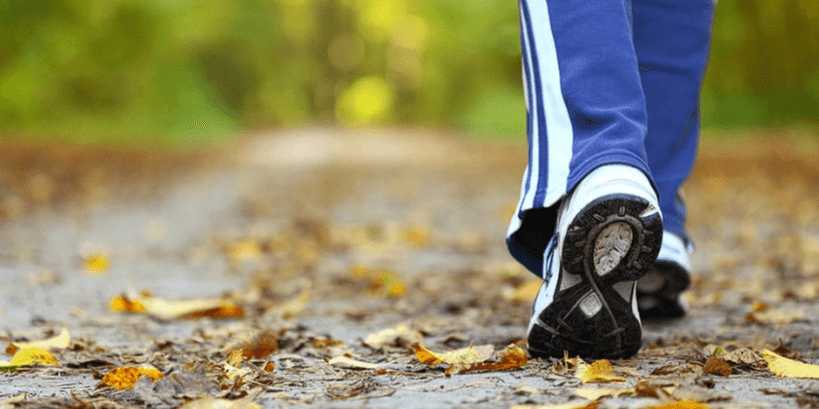
No matter your age, small daily steps can lead to significant health benefits. Find your balance and take it one step at a time toward a healthier lifestyle.
This article is based on information from Dagens.com
This article is made and published by Club Welltica, who may have used AI in the preparation.