
If your clothes itch or irritate, the material may be the cause.
People with sensitive skin should pay attention to the textiles they choose, as both fibers and treatments can affect the skin, according to Healthline.
Why fabrics can irritate the skin

Irritation often occurs when a material creates friction, feels rough against the skin, or traps heat, which can lead to discomfort.
Chemicals in clothing can be a cause

Some clothing is treated with chemicals such as formaldehyde to prevent wrinkles, and this can irritate the skin even in products marketed as environmentally friendly.
Also read: Cruise ship affected by virus with mortality rate of up to 40 percent
Wash new clothes before use

New clothing may contain dust and chemicals from production, so it can be beneficial to wash it, especially if you have sensitive skin.
Seams and details can cause irritation

Rough stitching, labels, closures, and loose threads can create irritation and discomfort when in contact with the skin.
Allergy to synthetic materials

Some individuals may develop allergies to materials such as polyester, which can lead to skin reactions.
Skin conditions increase sensitivity

With conditions such as eczema and psoriasis, certain textures can be particularly problematic and should be avoided.
Also read: Your face may reveal your chances of surviving cancer
Natural materials are often better

Natural fibers typically reduce friction and overheating and are therefore often a better choice for sensitive skin.
Cotton is a safe choice

Cotton is breathable, soft, and used in many types of clothing, making it popular among people with sensitive skin.
Linen is light and hypoallergenic

Linen is a durable and cooling material that is also hypoallergenic and suitable for sensitive skin.
Hemp has beneficial properties
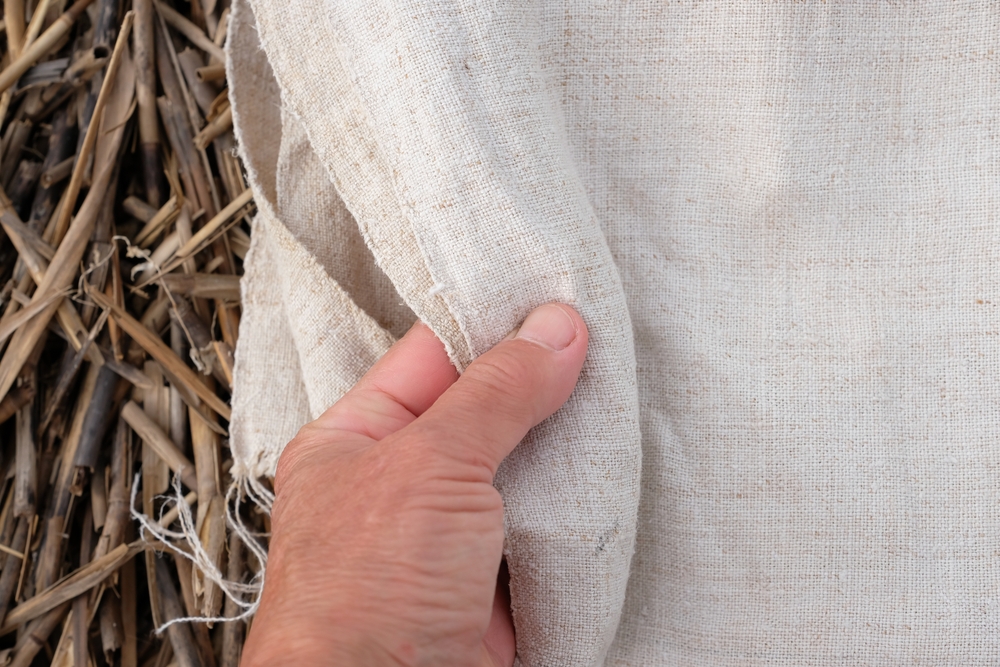
Hemp is breathable, antibacterial, and wicks moisture away from the body, although it is often blended with other fibers to make it softer.
Also read: This is why there are stickers on fruit – and what happens if you eat them
Silk is soft and smooth
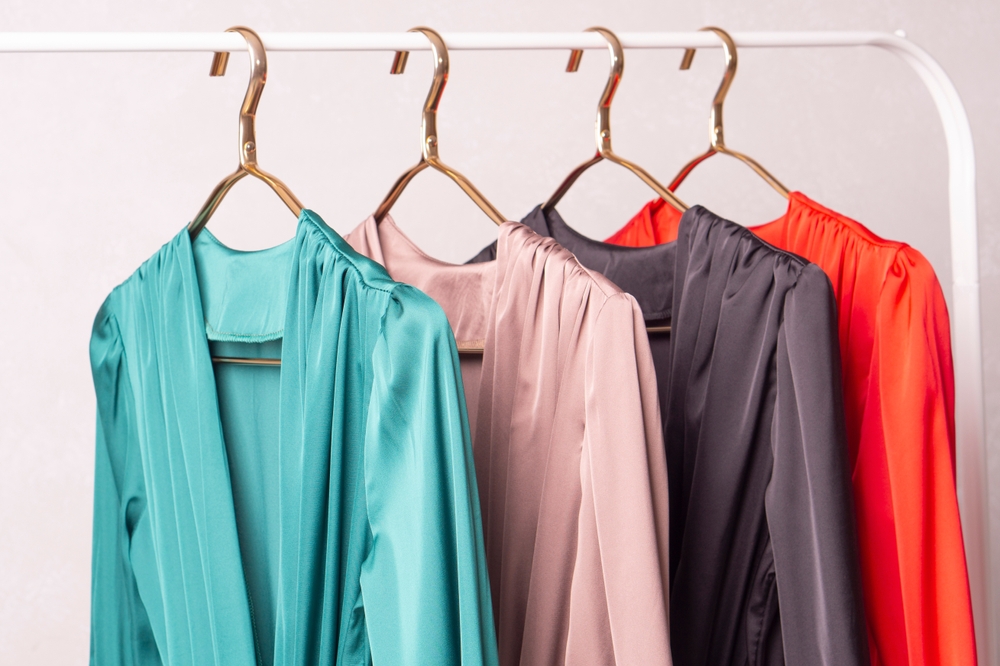
Silk is a very soft and smooth material that feels comfortable against the skin and can be a good choice.
Wool can irritate some people
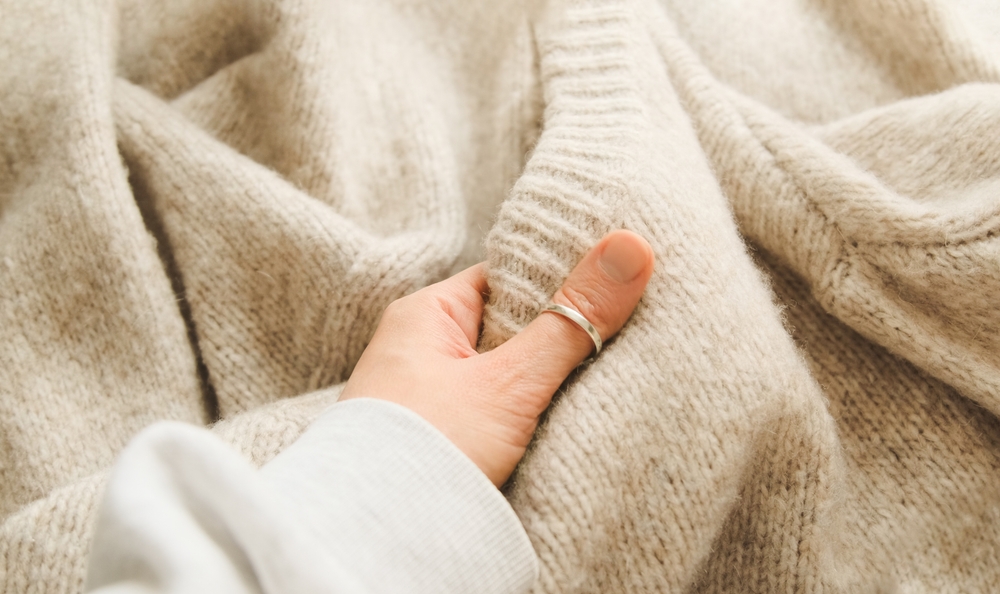
Wool insulates well and wicks moisture, but it can feel itchy for people with sensitive skin, although fine merino wool is often softer.
Cashmere is soft but expensive

Cashmere is a very soft, lightweight, and warm material that rarely feels irritating, but it is also more expensive.
Bamboo is not entirely natural
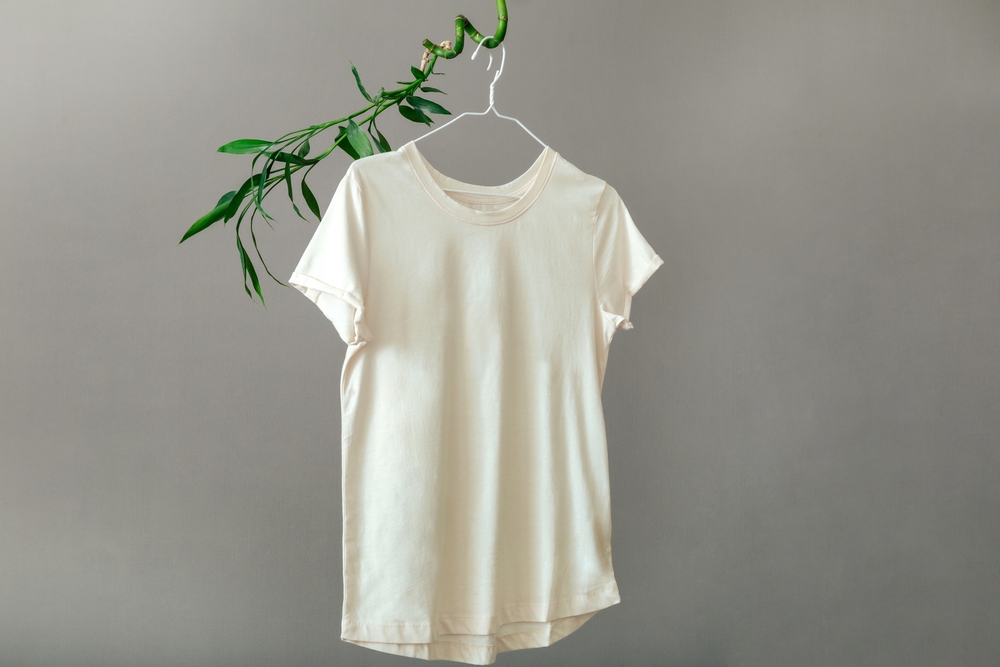
Bamboo fabric is produced through chemical processing and is therefore semi-synthetic, although it is still soft, breathable, and quick-drying.
Also read: How blueberries can affect your blood pressure if you eat them regularly
Synthetic materials can cause problems

Synthetic fibers such as polyester and nylon can trap heat, be less breathable, and create friction, which is not ideal for sensitive skin.
Synthetic fibers can retain odor

Materials such as polypropylene can retain odor because bacteria accumulate in the fabric.
Blended fabrics are common

Most textiles consist of a blend of fibers, but a high cotton content is often perceived as more comfortable.
Cotton is recommended for skin conditions

Cotton is often highlighted as the best choice for eczema because it is soft, cooling, and absorbs sweat.
Also read: Study examines cardiac arrest risk linked to common blood pressure drug
Silk regulates temperature

Silk can help regulate body temperature while feeling soft against the skin.
Choose clothing carefully

By reading clothing labels and testing different materials, you can find the fabrics your skin responds best to.
Consult a professional if needed

For specific skin issues, it may be a good idea to consult a dermatologist about the choice of materials.
Sources: Healthline.
This article is made and published by Ida-Marie Palm Varbæk, who may have used AI in the preparation.