
Ultra-processed foods make up a large part of modern diets and are often linked to an increased risk of cardiovascular disease.
However, new research published in Circulation suggests that the picture is more nuanced. Some processed products may, in fact, be a reasonable choice.
Ultra-processed foods make up the majority
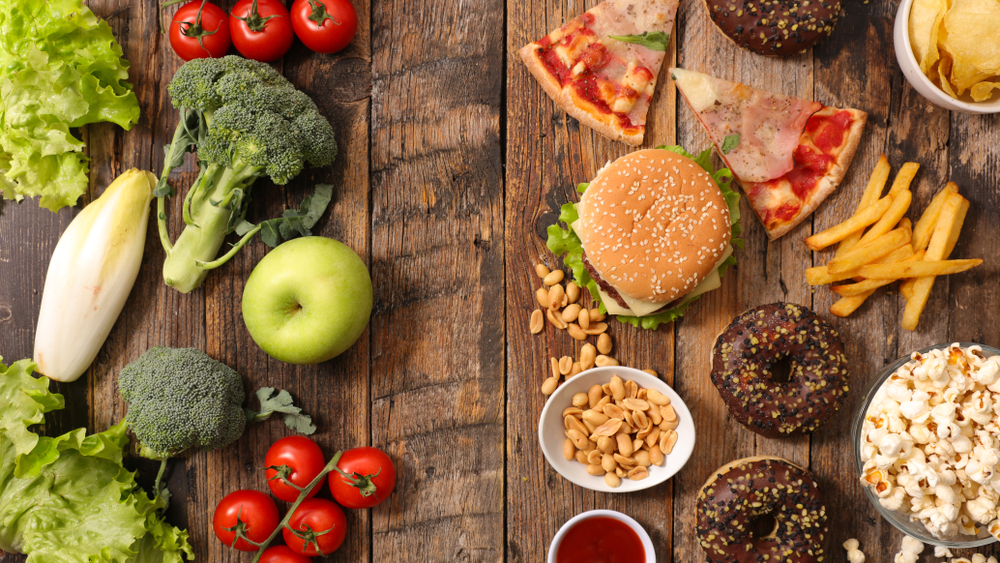
A high intake of ultra-processed foods is widespread and problematic, especially in the Western world.
For example, around 60 percent of calories in the United States come from these products, and teenagers fare the worst, with lower scores for heart health.
Also read: Identifying early symptoms of breast cancer
They are linked to serious health problems

Several recent studies associate ultra-processed foods with cardiovascular disease, chronic illnesses, and an increased risk of premature death.
Many supermarket items are processed

More than 70 percent of items in supermarkets contain processed elements, making it more difficult to avoid them entirely in everyday life.
Not all ultra-processed foods are equally harmful
According to the American Heart Association, there are significant differences among products within this category.
Some may be less harmful or even associated with a lower risk of cardiovascular disease.
Also read: More than 1,000 chemicals tested – these may potentially affect gut microbiota
Whole grain products and yogurt

Products such as whole-grain breakfast cereals and yogurt are mentioned as examples of ultra-processed foods that may carry a lower, or even be associated with a reduced, risk of heart disease compared with soda and processed meat.
Choose green options

There are so-called green options that can make healthy eating more accessible. These include lightly salted nuts and seeds, as well as legumes.
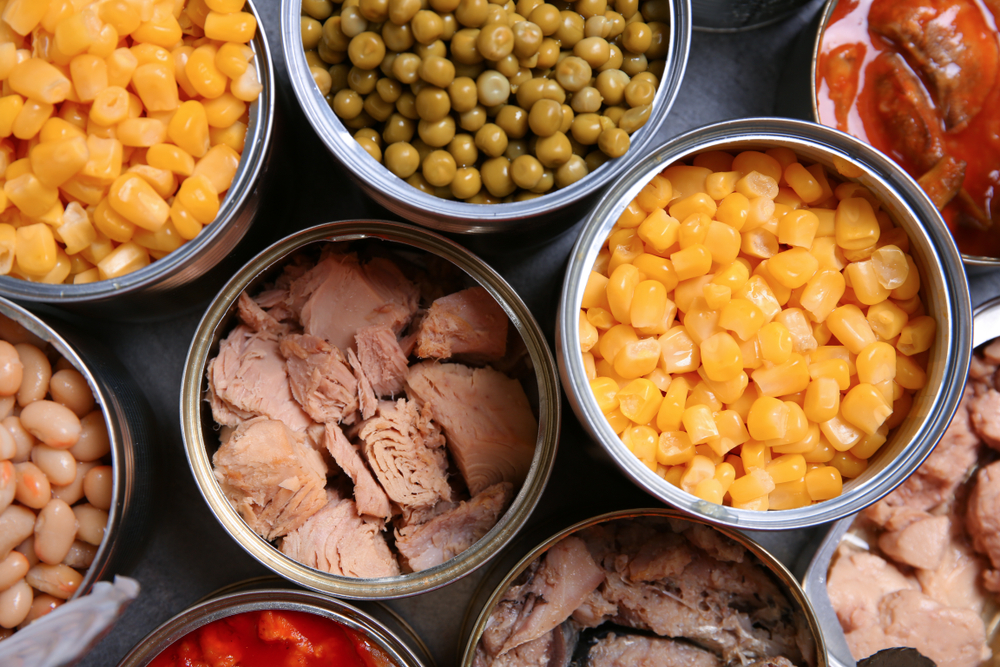
Canned legumes and fish

Low-sodium beans, as well as canned tuna, salmon, or chicken packed in water, are highlighted as better options.
Frozen vegetables

Frozen fruits and vegetables are mentioned as practical solutions that can help maintain a healthy diet without sacrificing convenience.
Also read: Researchers see possible link between finger length and brain development
High-fiber breakfast cereals
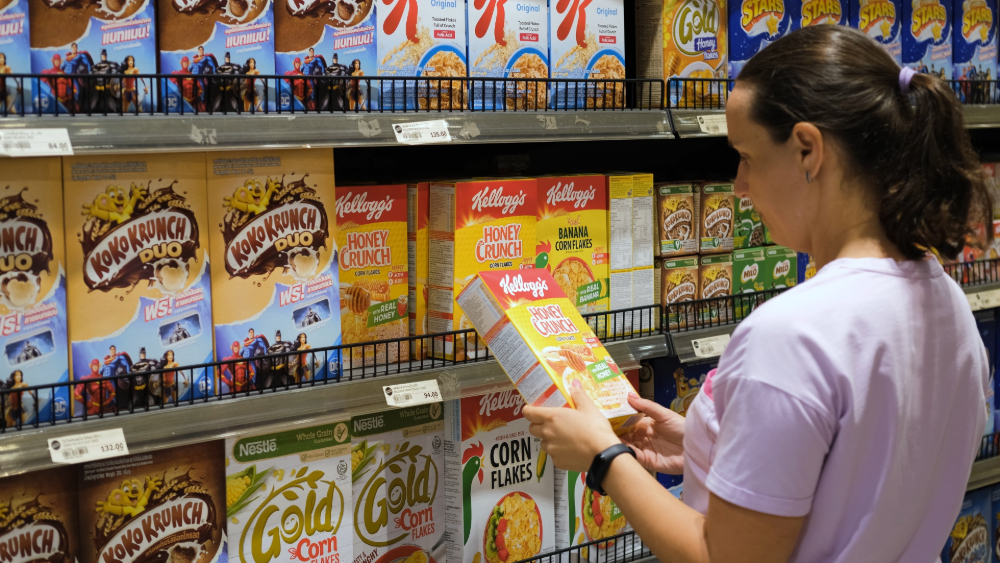
Breakfast cereals high in fiber and with minimal sweeteners are highlighted as a better choice among processed products.
Limit the red foods

Processed meats such as sausages, nuggets, and hot dogs, as well as sugar-sweetened beverages, rank high on the list of foods that should be limited for the sake of heart health.
White bread and sweet snacks

White bread, tortillas, and rolls, as well as cakes, candy, and fruit snacks, are mentioned as products that may increase the risk.
Minimally processed items can also be problematic

Red meat, butter, pork and beef fat, as well as sour cream, are highlighted as foods that may negatively affect heart health.
Also read: Everyday eating habits examined in relation to gum disease
Natural sweeteners are still sugar

Sugar, honey, and maple syrup are minimally processed but remain concentrated sources of sugar and are therefore less beneficial for the heart.
Small substitutions can make a difference

It is recommended to choose sparkling water with fruit instead of soda and to opt for plain yogurt with fruit instead of sweetened varieties.
Check the ingredient list

Products containing whole grains, legumes, yogurt, or nuts are highlighted as better choices, while long ingredient lists with additives, emulsifiers, and sweeteners should be avoided.
Prepare food more efficiently

Using frozen ingredients, canned beans, and frozen whole-grain products can save time in the kitchen.
Also read: Organs most commonly affected by cancer
It is also recommended to prepare larger portions and freeze them so that healthy meals are ready for busy days.
Sources: Real Simple, Circulation, and American Heart Association.