
Too much sodium can be a hidden threat to your heart, often raising your blood pressure without you noticing.
The good news is that there are plenty of tasty foods that are naturally low in sodium and can help keep your blood pressure in check while still satisfying your taste buds.
Fresh and frozen vegetables
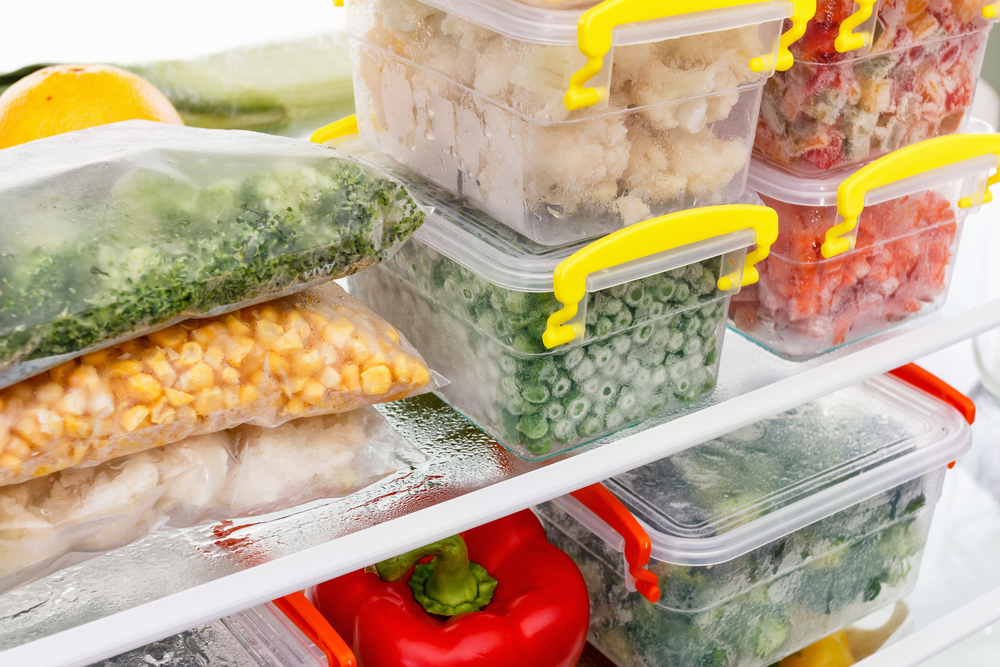
Vegetables without sauces or seasoning mixes usually contain less than 50 mg of sodium per serving, making them an ideal choice for heart-healthy meals.
Be mindful that canned vegetables and ready-made dressings often contain a lot of salt. Instead, try balsamic vinegar and edamame beans for flavor.
Also read: Subtle Signs That You Might Have Liver Problems
Potatoes and sweet potatoes
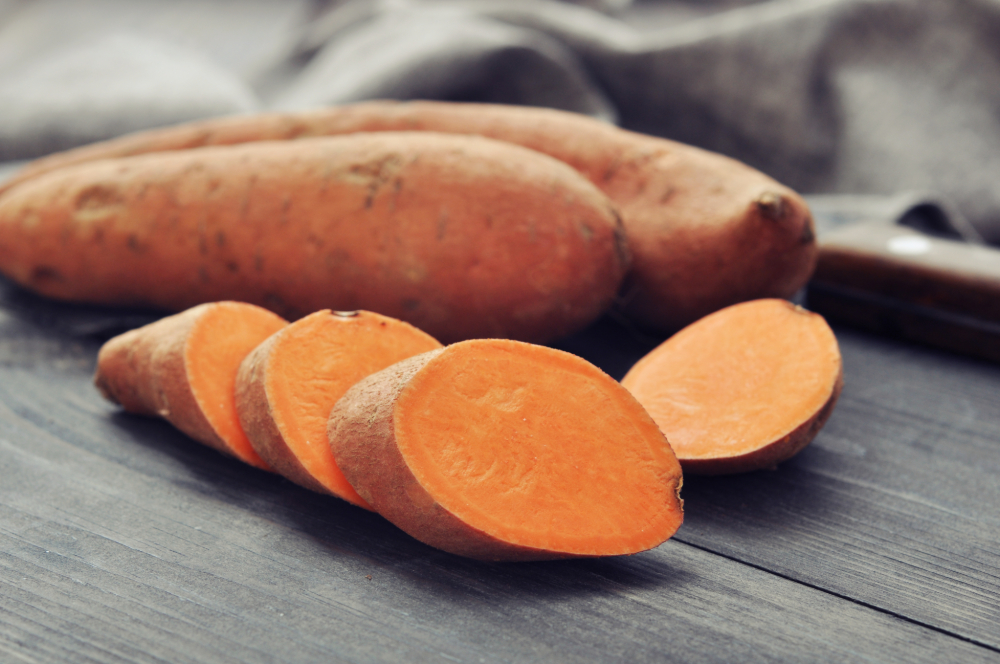
Both regular and sweet potatoes are naturally low in sodium and high in potassium, which helps the body flush out excess sodium.
For extra flavor, top baked potatoes with low-sodium salsa or sprinkle cinnamon over sweet potatoes.
Unsalted nuts
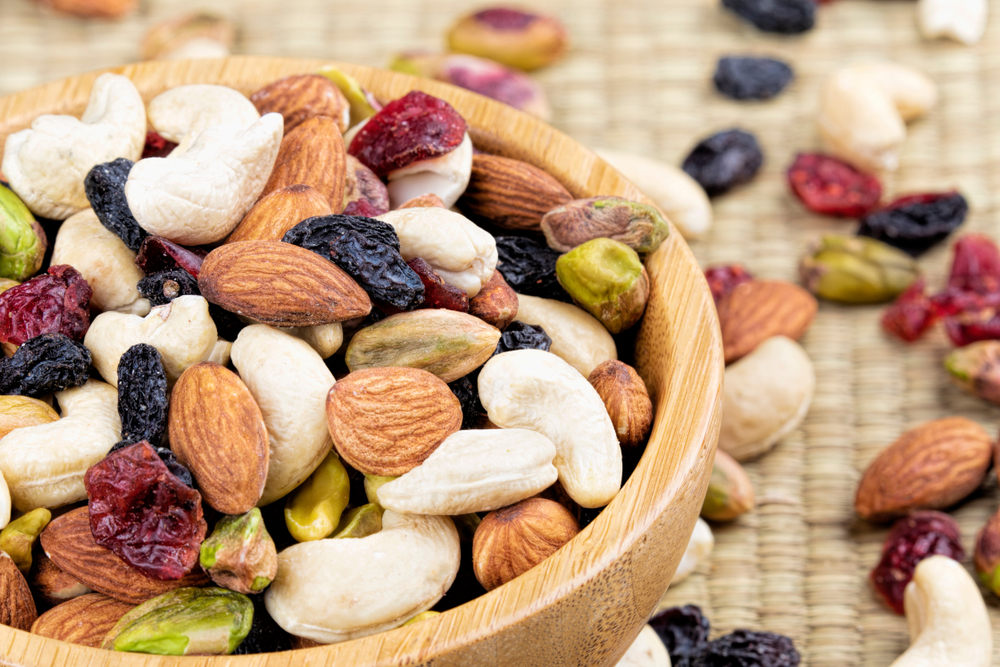
Nuts without added salt, preferably in the shell, have zero sodium and are packed with healthy fats and fiber.
When they’re in the shell, they also take longer to eat, which can help prevent overeating. Unsalted popcorn can also be a great snack option.
Also read: These Foods May Help Slow the Aging Process From Within
Fruit for natural sweetness
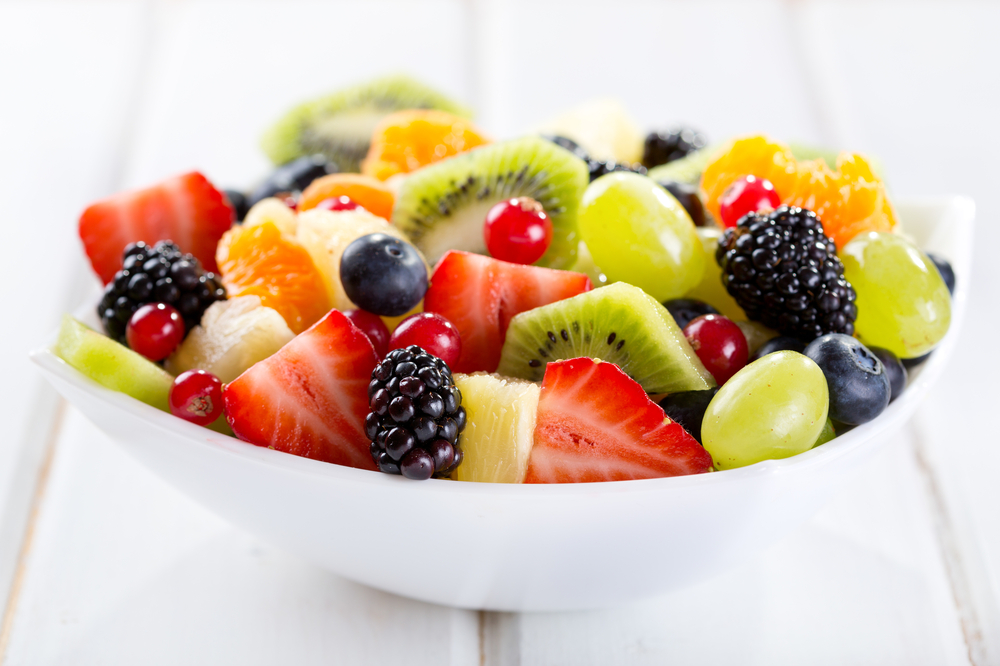
Fruit is naturally low in sodium and can replace sugary snacks.
Apples, apricots, papayas, pears, and bananas are excellent choices. Bananas are also high in potassium, which supports heart health.
Plain yogurt
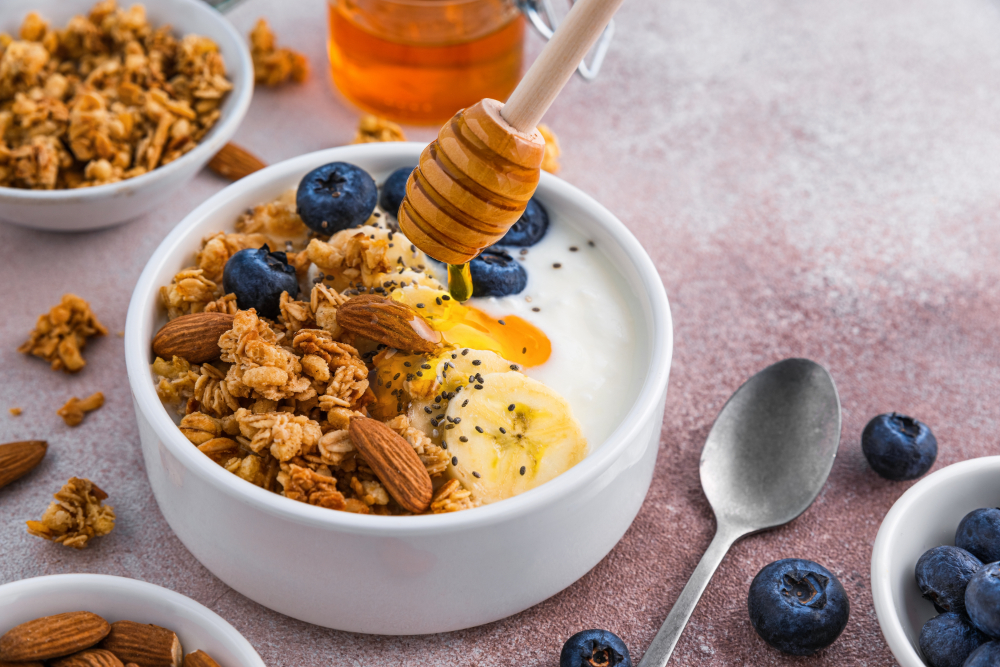
Yogurt is low in sodium but high in calcium and potassium. Stick to plain varieties without added sugar, and mix in fresh fruit and nuts for extra taste and nutrition.
Beans and whole grains

Beans, lentils, and whole grains like oats are good for both blood pressure and cholesterol.
Also read: Mosquito repellents under the microscope: What works and what’s a waste of money
Use dried beans or low-sodium canned options. Add fruit, nuts, and spices like cinnamon to oatmeal for extra flavor.
Avoid hidden sodium sources
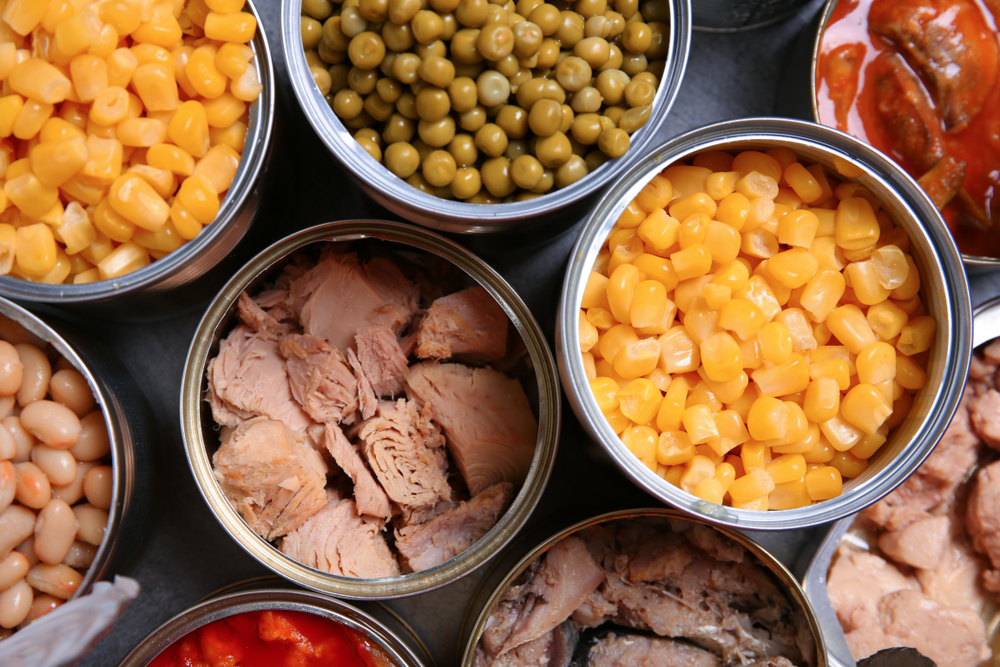
Many processed foods contain high amounts of sodium, even if they don’t taste salty. Check nutrition labels and look for “reduced sodium” or “no salt added” products.
Season with herbs instead of salt
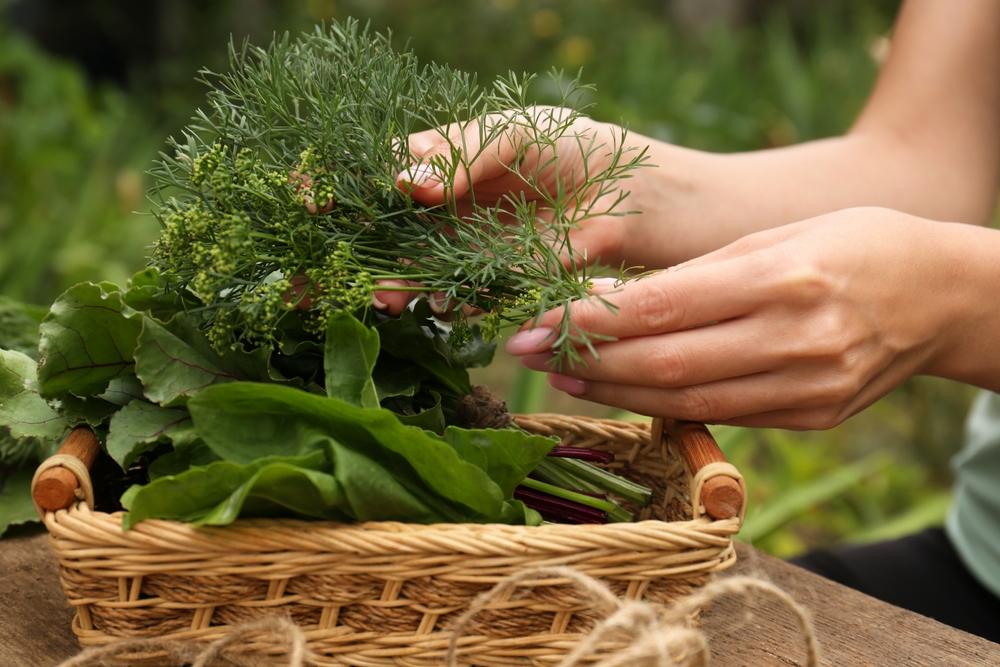
Pepper, lemon juice, onion, chili, jalapeño, and fresh herbs can boost flavor without adding sodium. Try turmeric, rosemary, paprika, garlic, or cayenne for variety.
Start your day with oatmeal
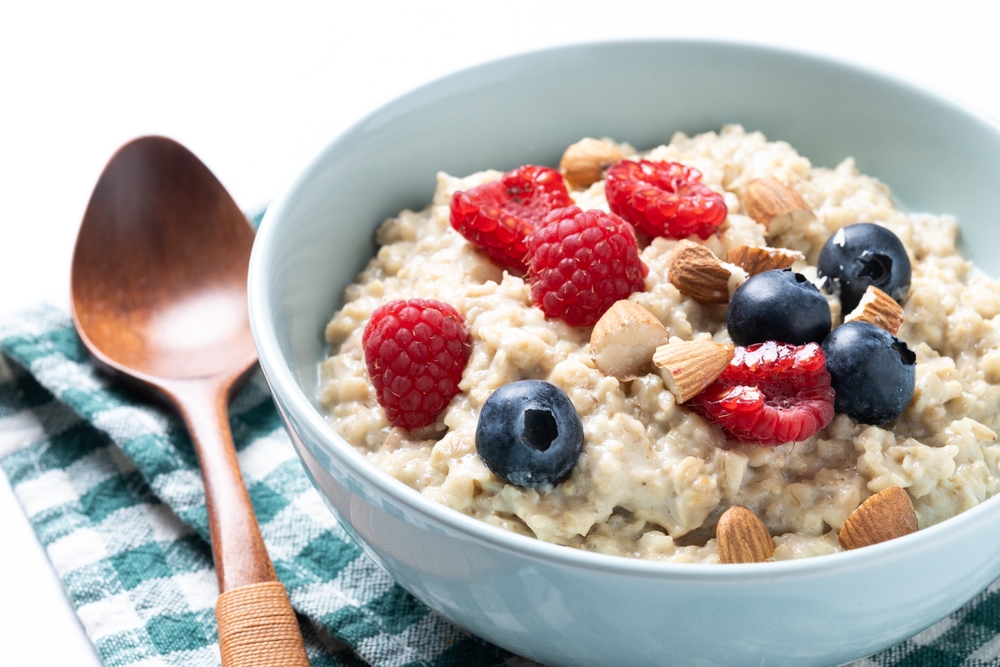
A bowl of oatmeal topped with berries, fruit, nuts, and a sprinkle of cinnamon is a simple and heart-friendly breakfast.
Also read: How Your Behavior Today Might Reveal a Childhood Without Enough Love
Choose no-salt-added varieties so you control the flavor.
Experiment with recipes

Low sodium doesn’t have to mean boring.
Use fresh ingredients and try different combinations of fruit, vegetables, grains, and spices to keep your meals healthy and exciting.
This article is based on information from Healthline.com.
Also read: Boost Your Workout Naturally With This Simple Food
This article is made and published by Ida-Marie Palm Varbæk, who may have used AI in the preparation.