
Many people with high blood pressure wonder if pork can still be part of their diet.
The answer is yes, as long as you choose carefully and pay attention to salt, fat, and portion sizes, according to Everyday Health.
Choose pork carefully
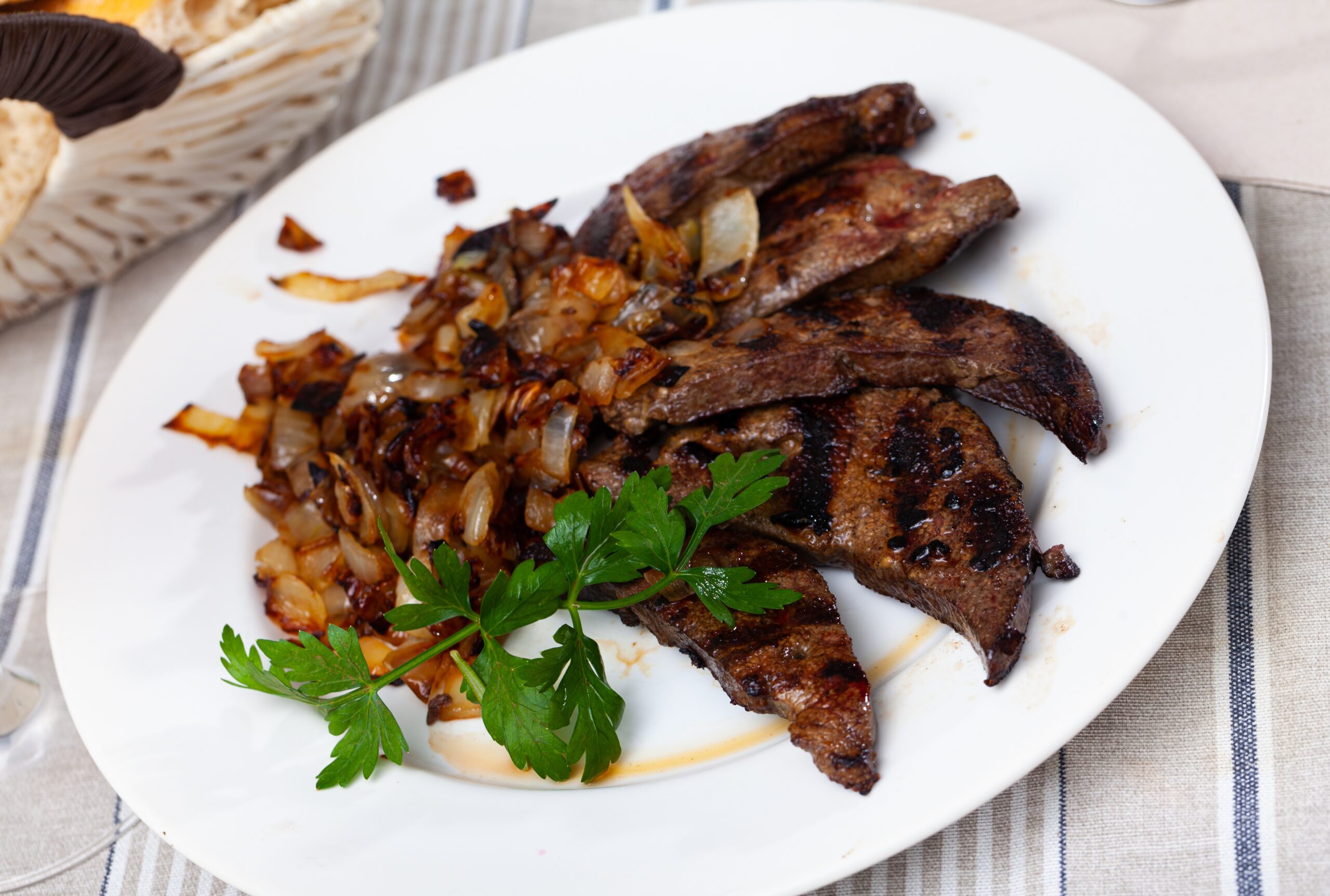
People with high blood pressure can still eat pork if they select the right cuts and control how much they eat.
Avoid too much salt
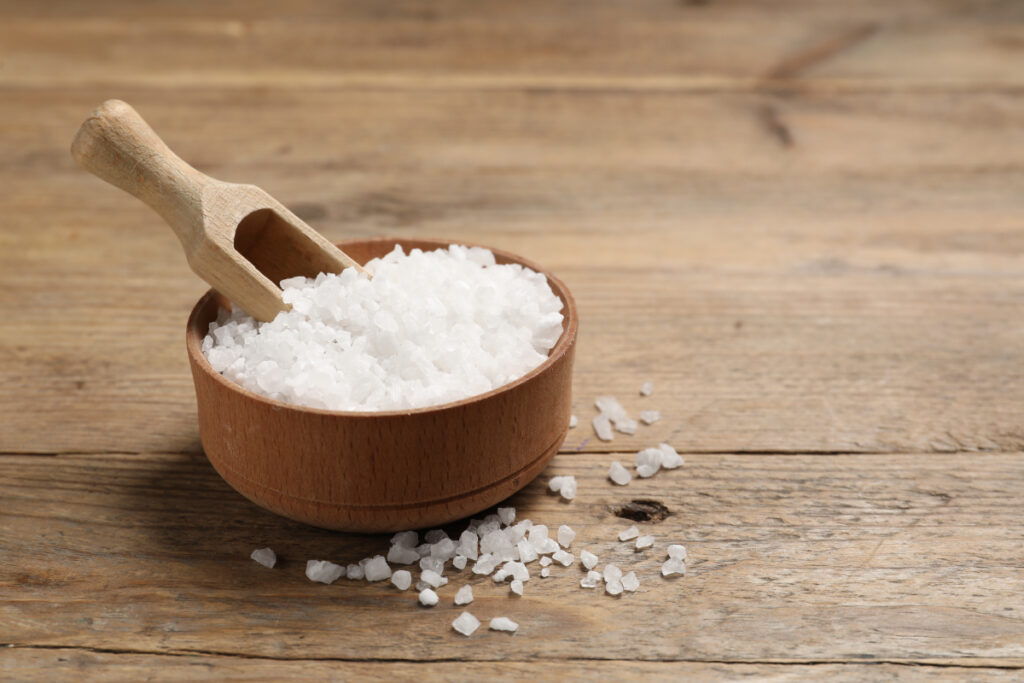
Salt can cause the body to retain water, which increases pressure on the heart and blood vessels and raises blood pressure.
Also read: Large study examines safety of anxiety and sleep medications during pregnancy
How the body reacts to salt
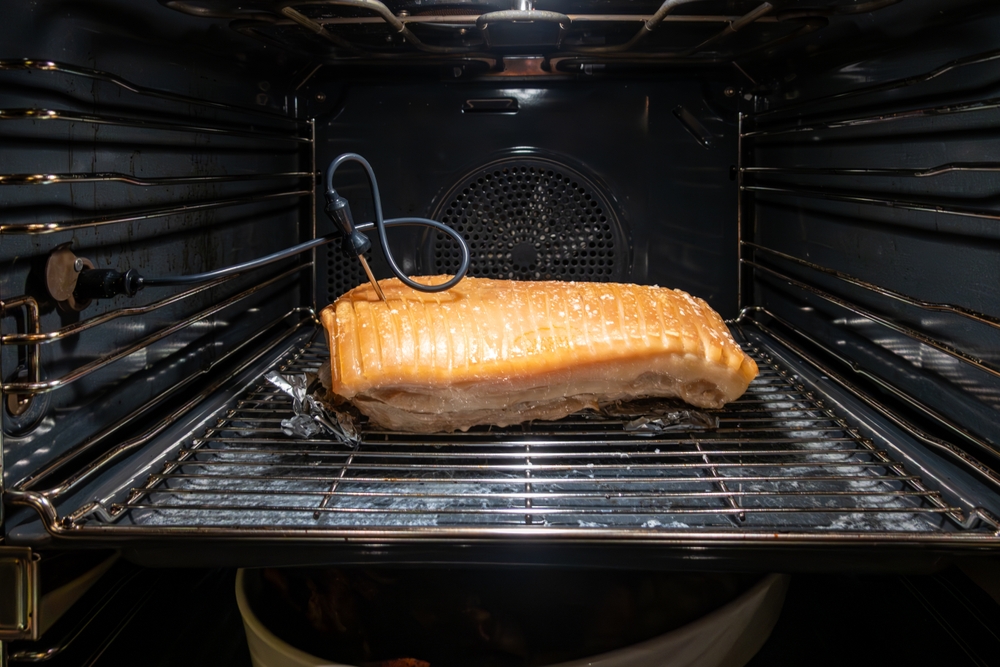
When you eat salty foods, your body holds onto water to balance salt levels, which can lead to higher blood pressure.
Recommended sodium intake
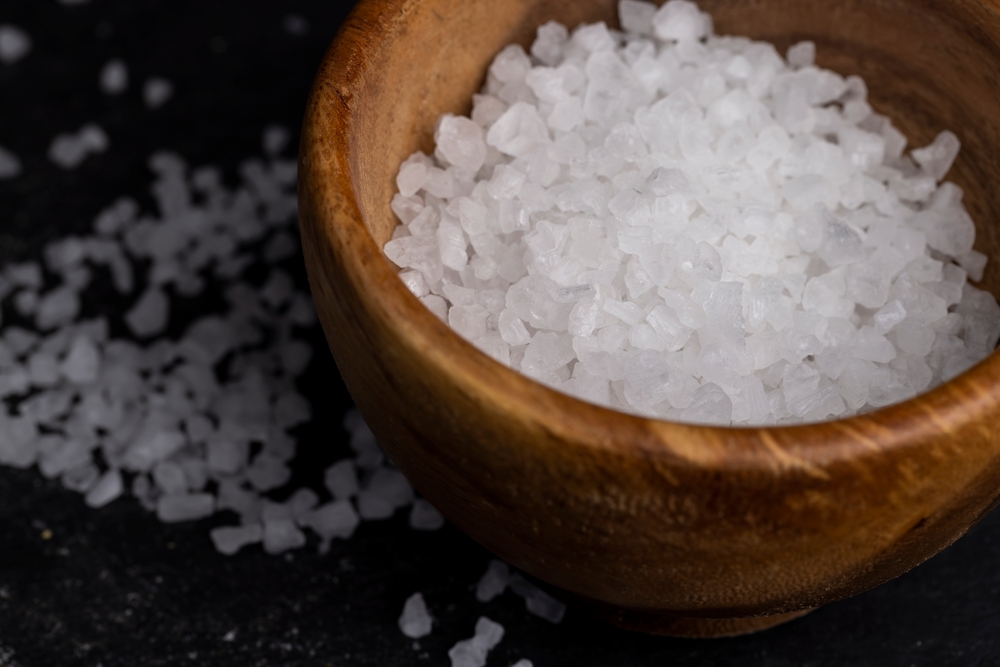
Most people should limit sodium to no more than 2,300 mg per day, with an ideal target of 1,500 mg, according to The American Heart Association.
The impact of fat on blood pressure
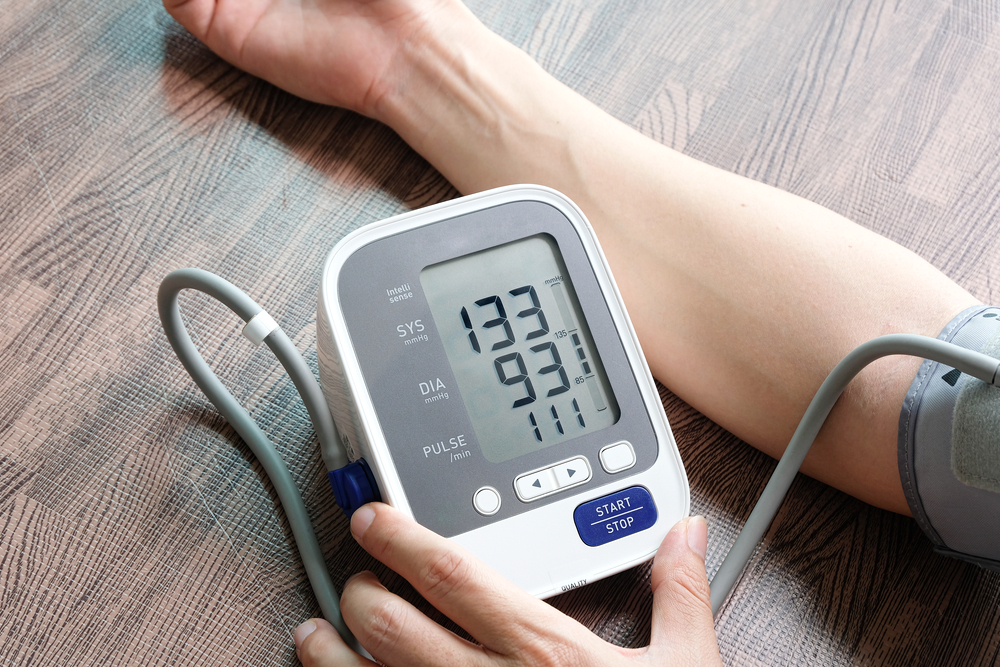
Fatty foods are high in calories, which can lead to weight gain and increase the risk of high blood pressure.
Pork is leaner today

Modern farming has made pork leaner than it was in the past, making it a better option than before.
Also read: Scientists find method to lose weight while protecting bones
Nutrients in lean pork

Lean pork provides important nutrients such as iron, vitamins, and minerals.
Processed pork
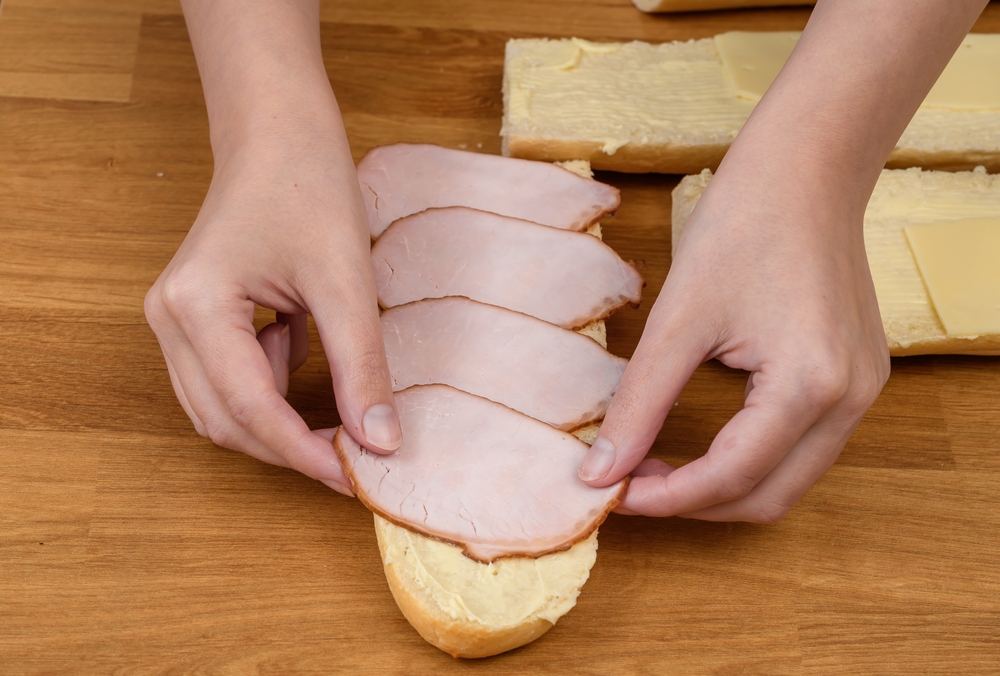
Foods like ham, bacon, and sausage are often high in sodium and can raise blood pressure, especially in those sensitive to salt.
Pick lean cuts
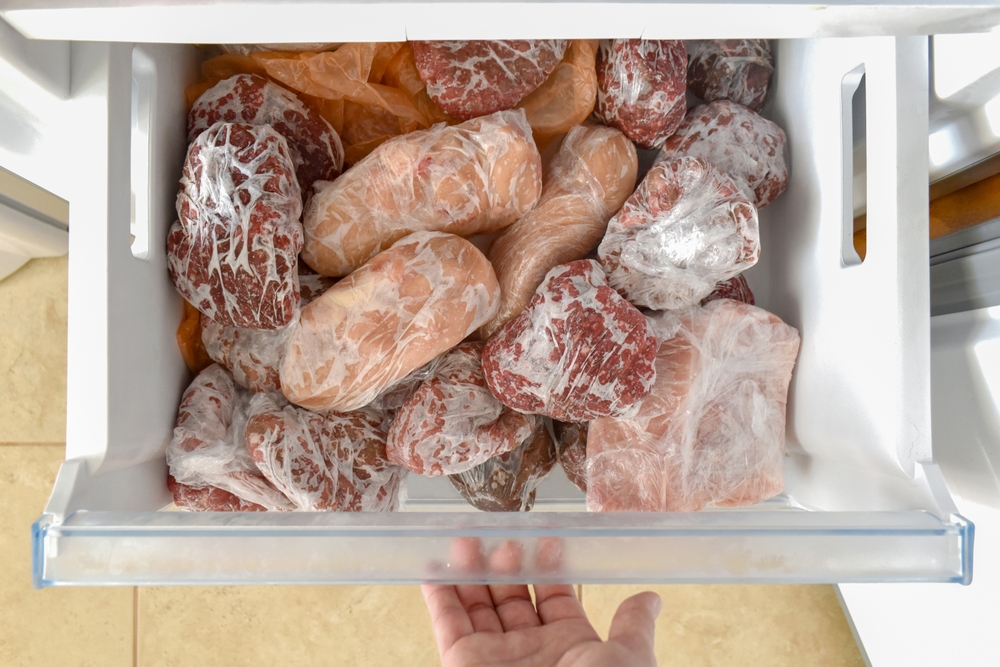
A serving of pork tenderloin contains much less sodium compared to processed options like ham and bacon.
Trim visible fat
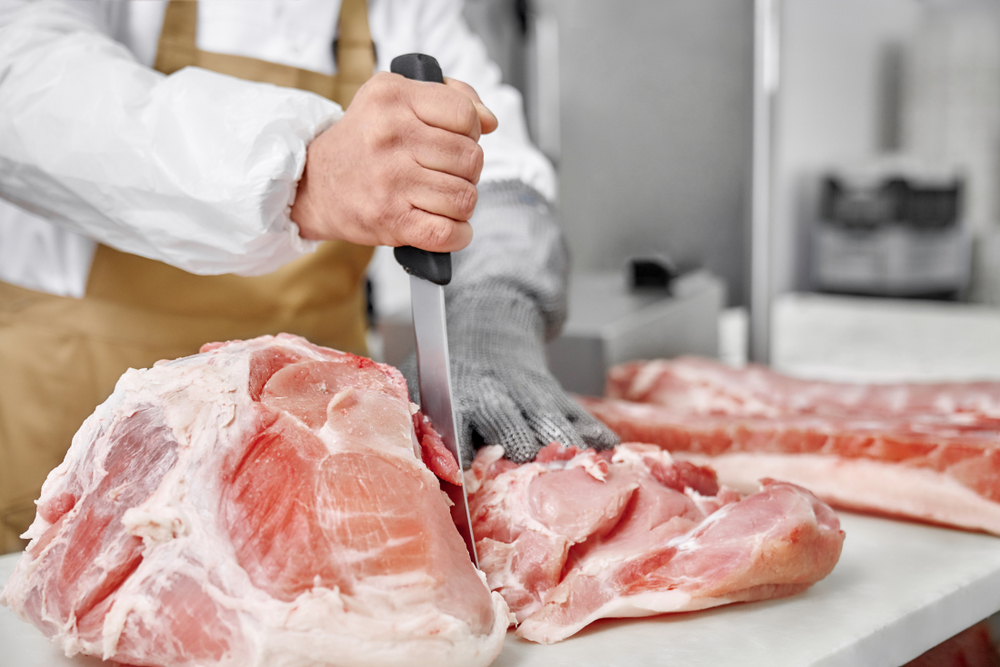
Removing visible fat before cooking helps reduce the calorie content.
Also read: Are you taking the right type of vitamin D? Researchers offer new insights
Skip adding salt

Instead of salt, use fresh herbs and spices to enhance flavor.
Use healthier cooking methods
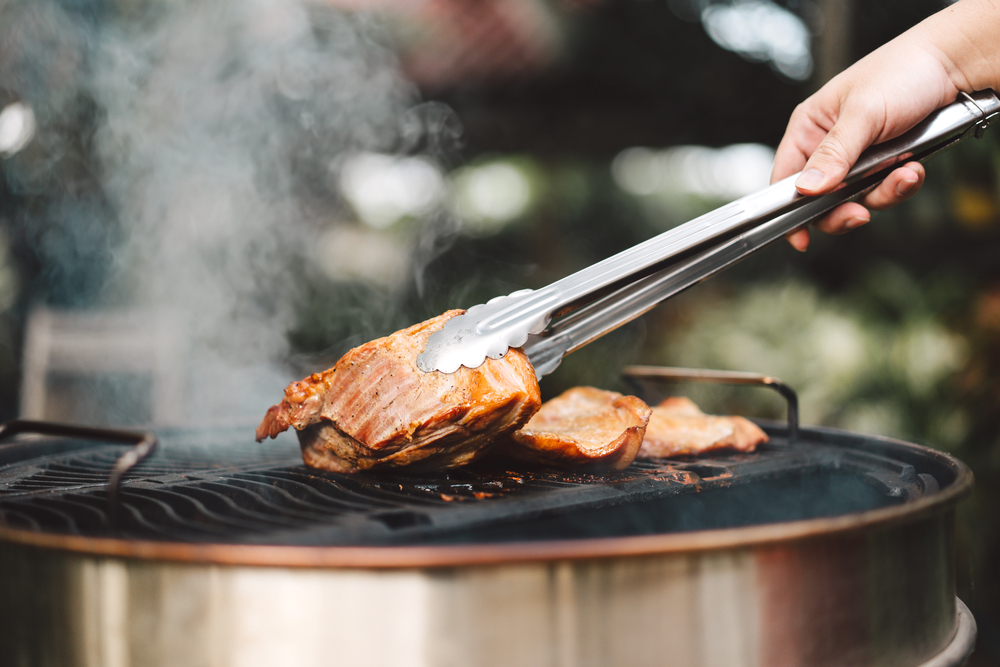
Grilling, broiling, and roasting are considered more heart-healthy ways to prepare pork.
Be mindful of marinades
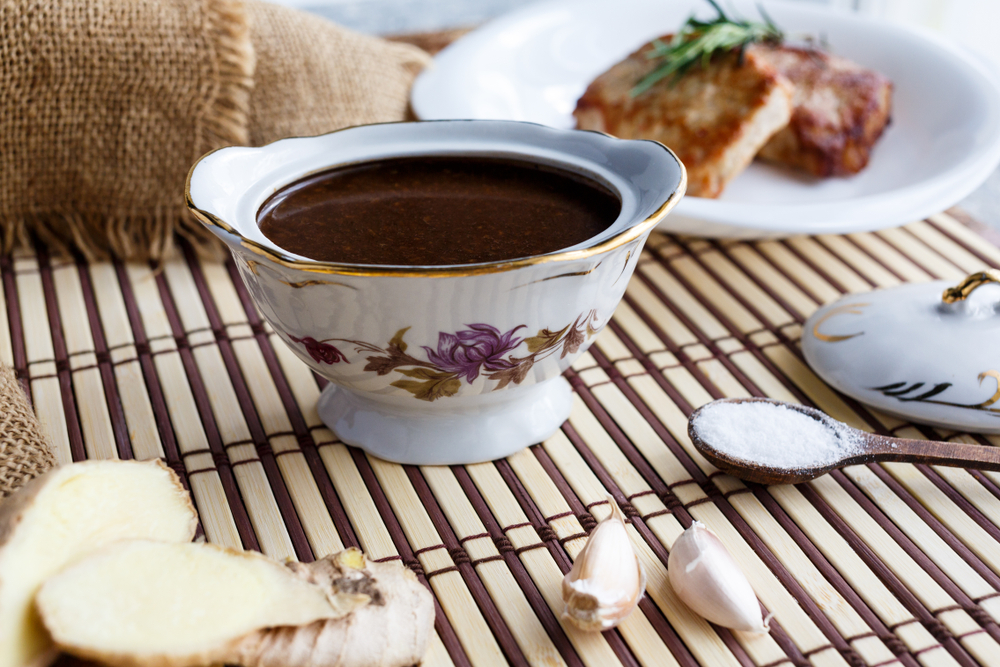
Marinades and sauces can add extra sodium, sugar, and fat, so it is better to choose fat-free dressings or vinegar-based options.
Watch your portion sizes
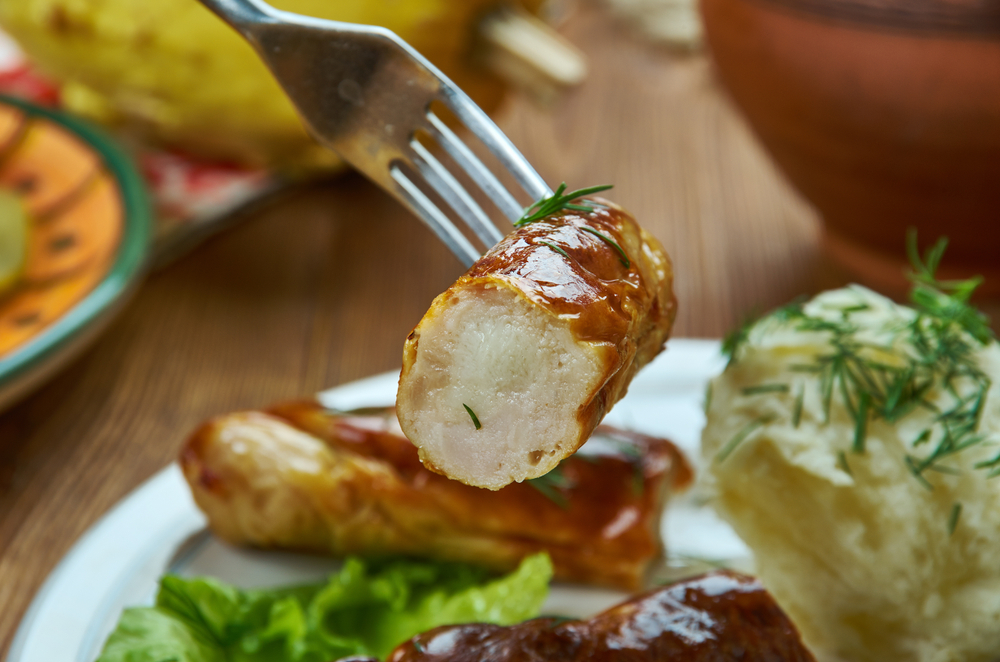
A proper serving of lean pork is about 3 ounces, roughly the size of a deck of cards.
Also read: How lemons can affect your body if you eat them every day
Limit processed pork
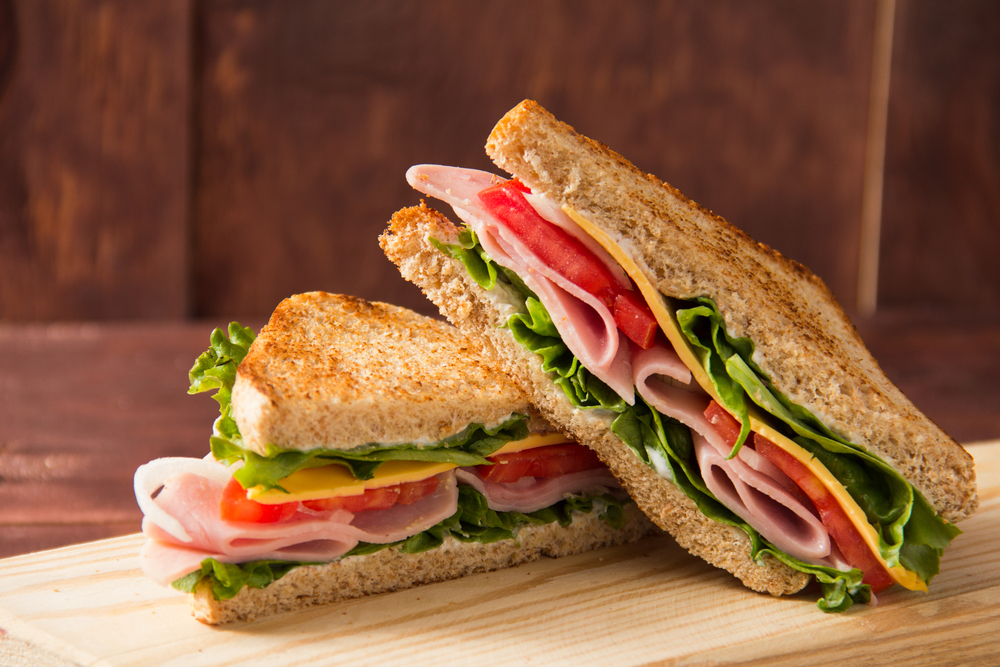
Processed pork products should be eaten only occasionally and in small amounts.
Sources: Everyday Health and The American Heart Association.
Also read: Your daily cup of coffee or tea may benefit the brain
This article is made and published by Ida-Marie Palm Varbæk, who may have used AI in the preparation.