
Bread is a staple in many meals, from breakfast to lunch and dinner.
Although all bread can fit into a balanced diet, some types provide far more nutrients than others.
Lack of whole grains in the ingredient list

A healthier bread lists whole grains or whole wheat as the first ingredient. If it only says wheat flour without the word “whole,” it is often a less nutritious choice.
Very low fiber content

Bread made with refined grains often contains under 2 grams of fiber per slice. Fiber is important for digestion, stable blood sugar levels, and can support heart health.
Also read: Trump’s public schedule expands after health criticism
High levels of added sugar
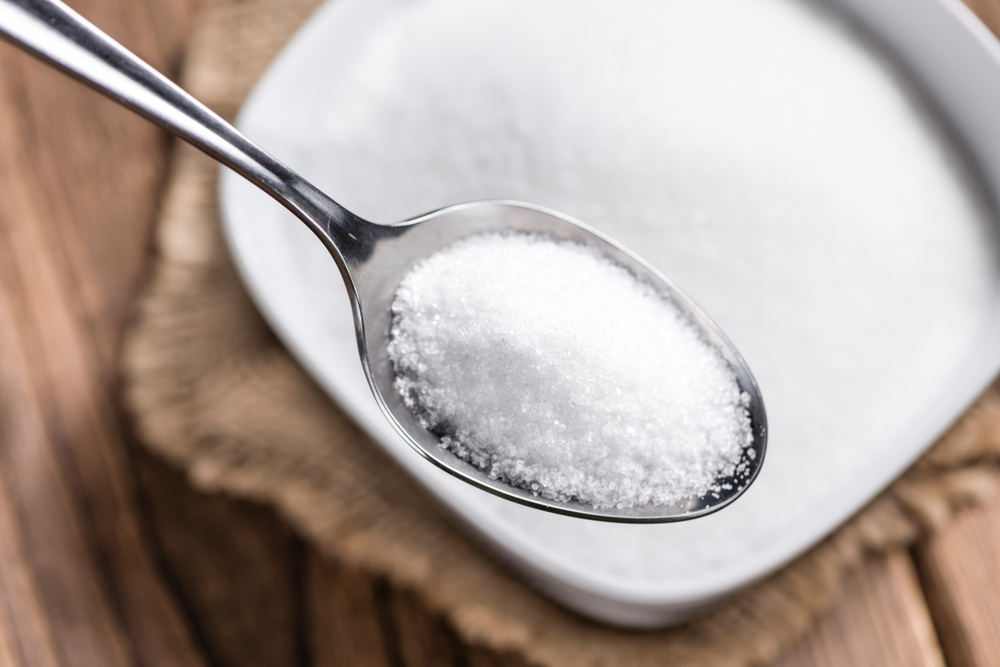
Added sugar can appear in bread as molasses, cane sugar, or syrup. A better option is bread with no more than about 5 grams of sugar per slice.
Use of multiple refined flours
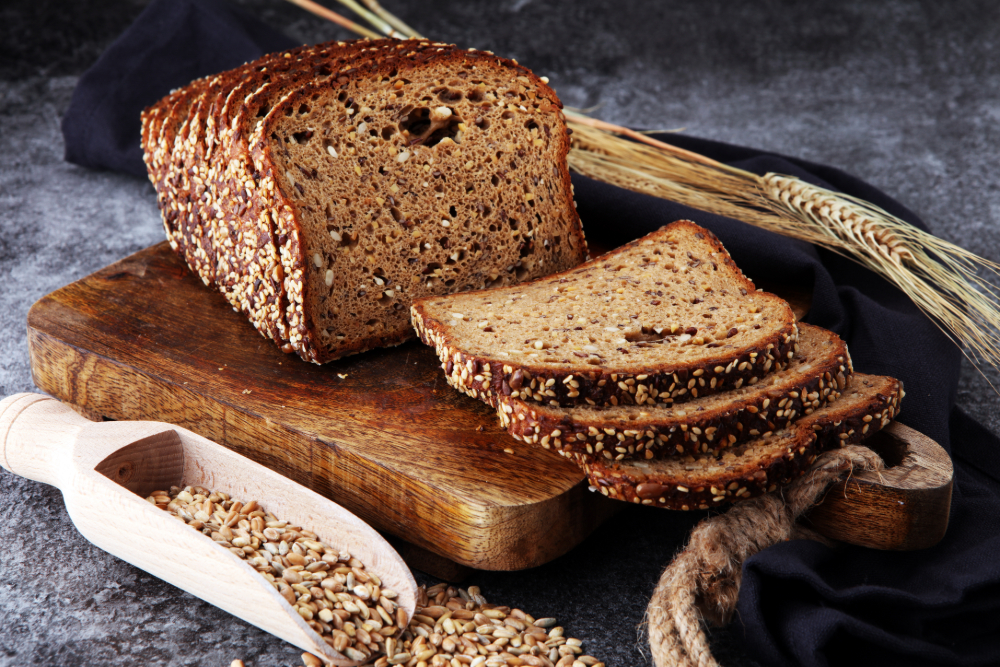
Bread may also contain other refined starches such as tapioca, maltodextrin, or white rice flour, which lack many of the grain’s natural nutrients.
Long ingredient list with additives

If the ingredient list is very long and filled with preservatives and emulsifiers, it may indicate a less healthy bread with many unnecessary additives.
Too much sodium
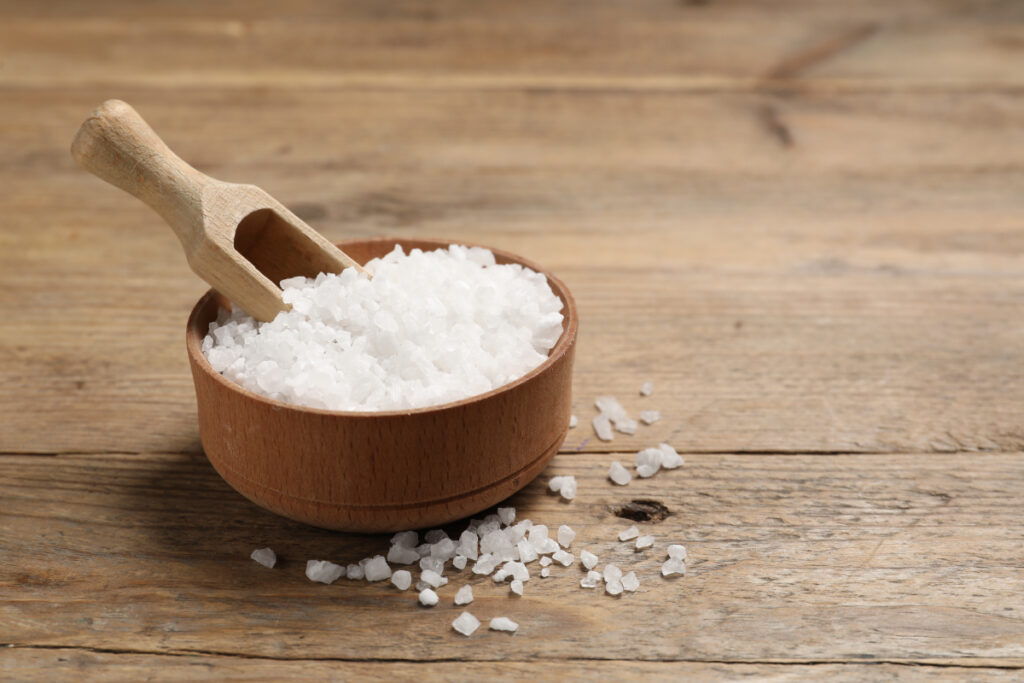
A healthier bread should ideally contain under about 160 mg of sodium per slice.
Also read: Study reports complete tumor elimination in pancreatic cancer mouse models
Too much salt over time can contribute to high blood pressure and strain the heart and kidneys.
Low protein content
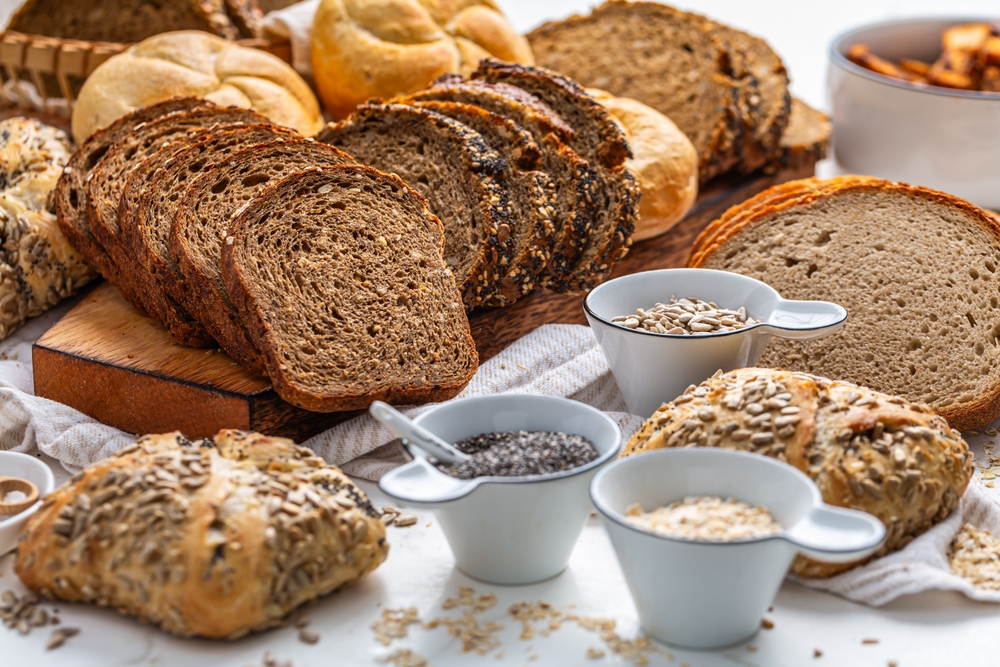
Whole-grain bread often also provides protein. A better choice is bread with at least 3 grams of protein per slice, as it increases satiety and supports the body’s structure.
Whole grains provide more vitamins and minerals

Whole grains contain fiber, healthy fats, iron, zinc, vitamin E, and several B vitamins, many of which are lost in refined flour.
Marketing can be misleading
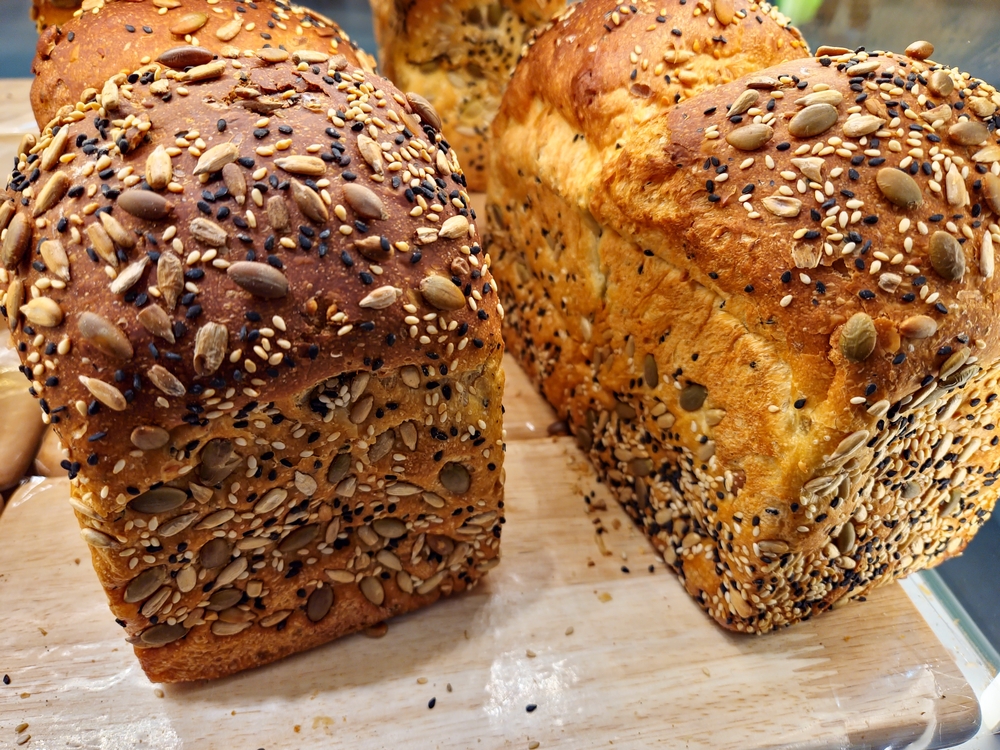
Terms such as “multigrain” or “wheat” do not necessarily mean whole grain. It is safer to look for “100 percent whole grain” or an official whole-grain label.
Also read: Long-term immune memory observed after experimental breast cancer vaccine
Fiber supports gut health

Soluble fiber acts as a prebiotic that nourishes beneficial gut bacteria and can improve overall digestion.
Refining removes nutrients
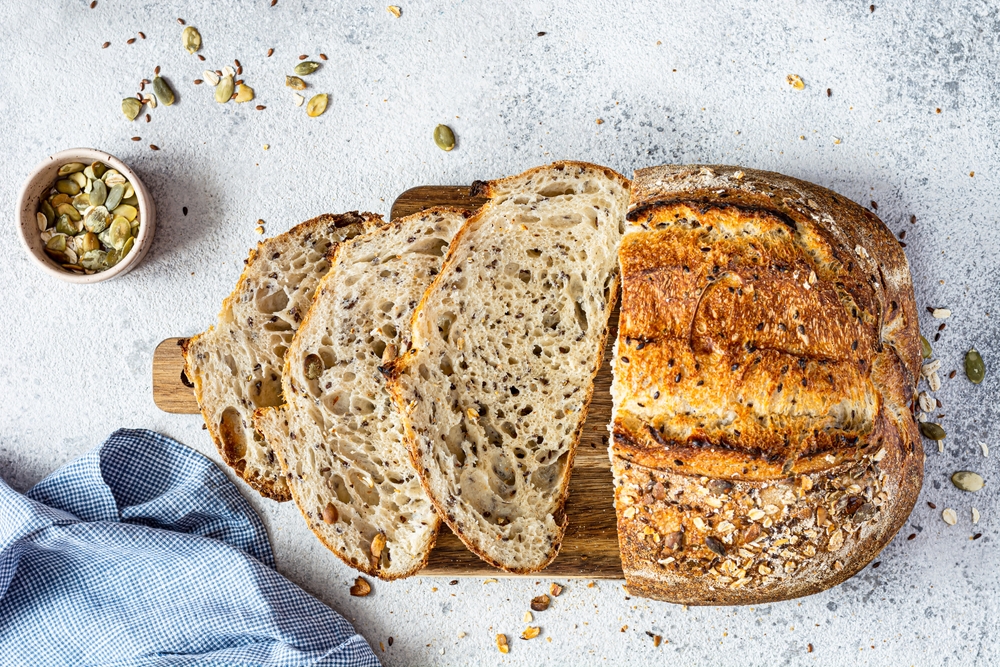
When grains are refined, the bran and germ are removed, reducing both fiber and micronutrients in the finished bread.
Bread does not have to be perfect
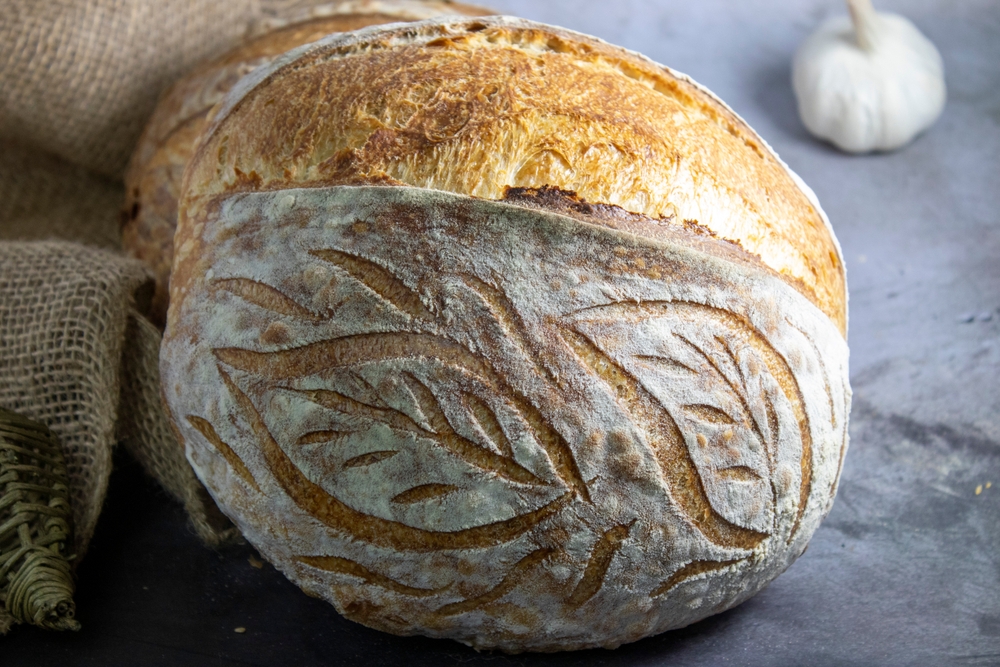
Almost no type of bread meets all ideal nutritional criteria.
The most important thing is to find a balance between nutrients and enjoyment, so the bread fits you and your family’s needs.
Also read: This happens to your gut if you eat stewed apples
Sources: Real Simple.
Also read: Dermatologists question the effectiveness of collagen supplements