
Hot nights can make it difficult to fall asleep and lead to a poorer night's sleep.
According to The Conversation, as cited by ScienceDaily, several simple measures around the home can help keep your bedroom cooler.
Sleep in the coolest room in the house

If your bedroom is on the top floor or faces south or west, it may be one of the warmest rooms in your home.
During a heatwave, it can therefore be beneficial to sleep on the ground floor or in a north-facing room.
Also read: A professor ran a longevity study on himself: His biological age came back 15 years younger
Keep the sun out

Close curtains or blinds on windows that receive direct sunlight.
This helps reduce the amount of heat absorbed by floors, walls, and furniture. External shading can be even more effective.
Ventilate at the right time
Only open your windows when the air outside is cooler than the air inside.
This is often early in the morning, in the evening, or at night. If it is hotter outside, opening the windows may make your home even warmer.
Also read: One plate rule, 10 dinners under 600 calories that still leave you full
Create cross-ventilation
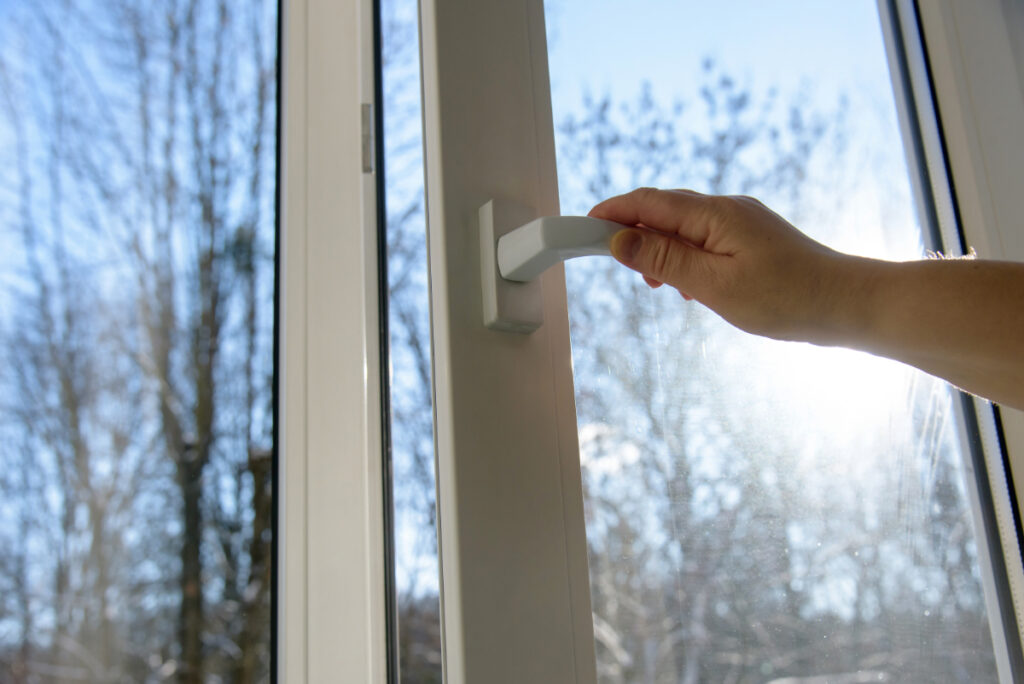
Open windows or doors on opposite sides of your home when the outside air is cool.
This can help remove the heat that has built up during the day.
Reduce heat from household appliances
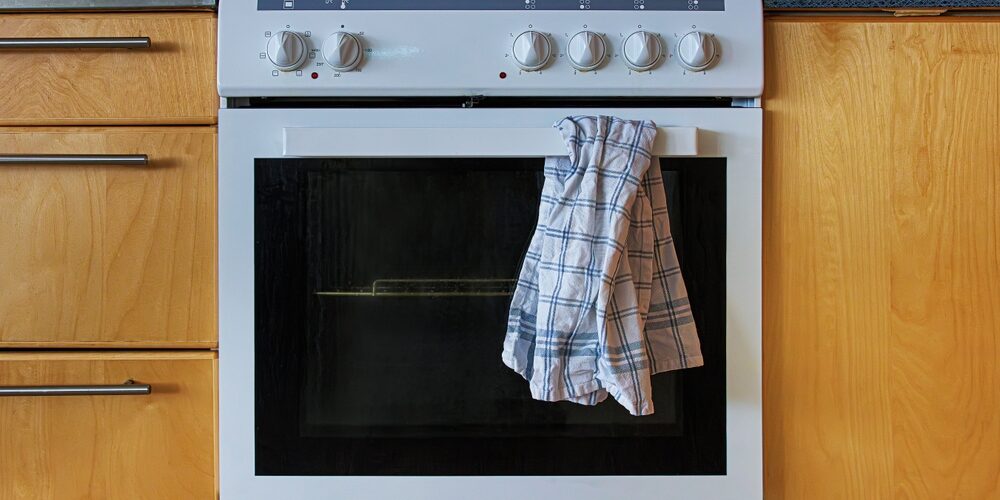
Ovens, stovetops, tumble dryers, washing machines, and dishwashers all generate heat.
Whenever possible, use them early in the day or later in the evening when temperatures are lower.
Also read: This unexpected symptom can appear after a solar eclipse
Use extractor fans
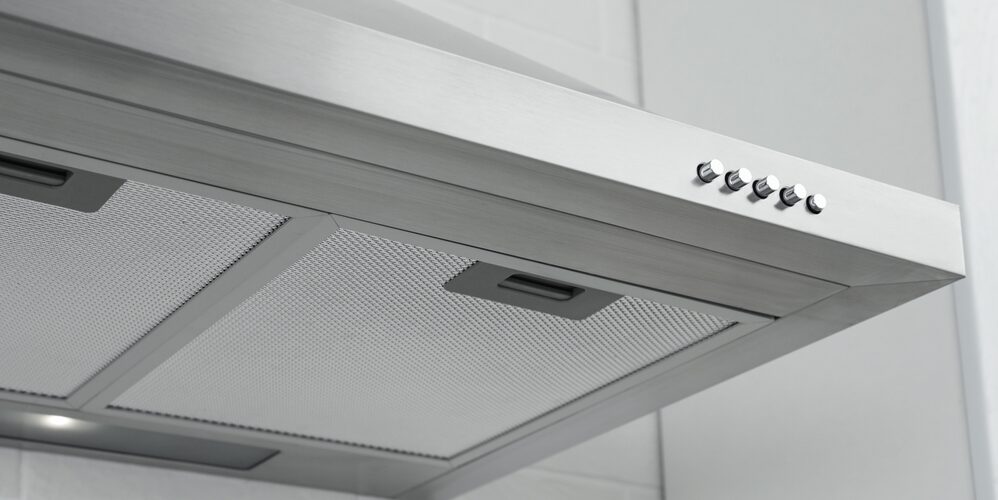
When cooking or showering, a kitchen extractor hood or bathroom exhaust fan can remove warm, humid air before it spreads throughout the rest of the home.
Choose lightweight bedding
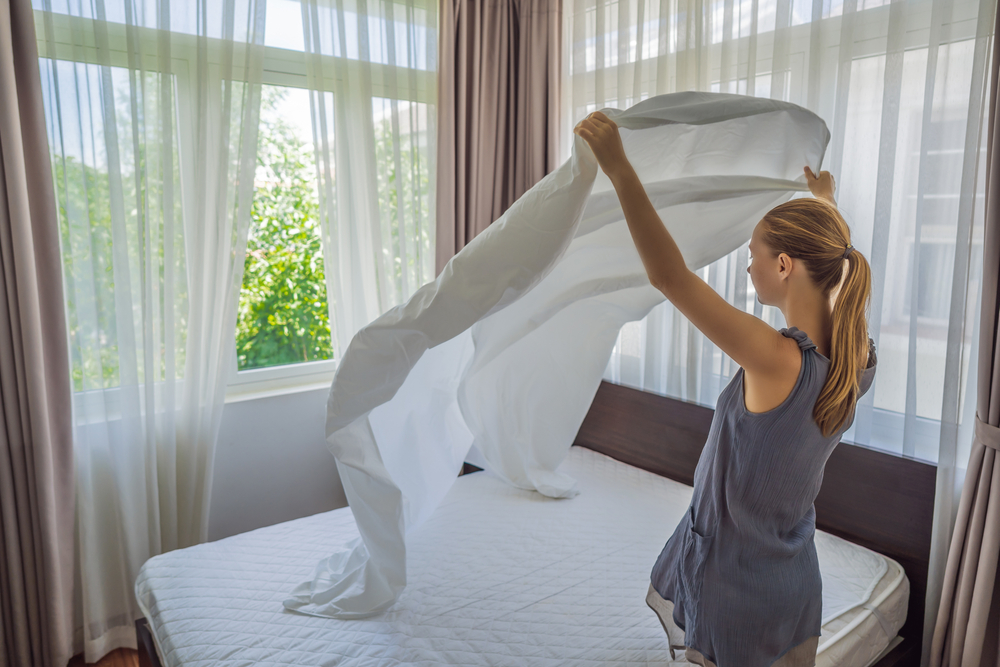
Lightweight sleepwear and bedding can help your body release excess heat.
Cotton and linen are often recommended because they feel cool and breathable, while heavy duvets and dense synthetic fabrics can trap heat and moisture.
Be aware of sunrooms
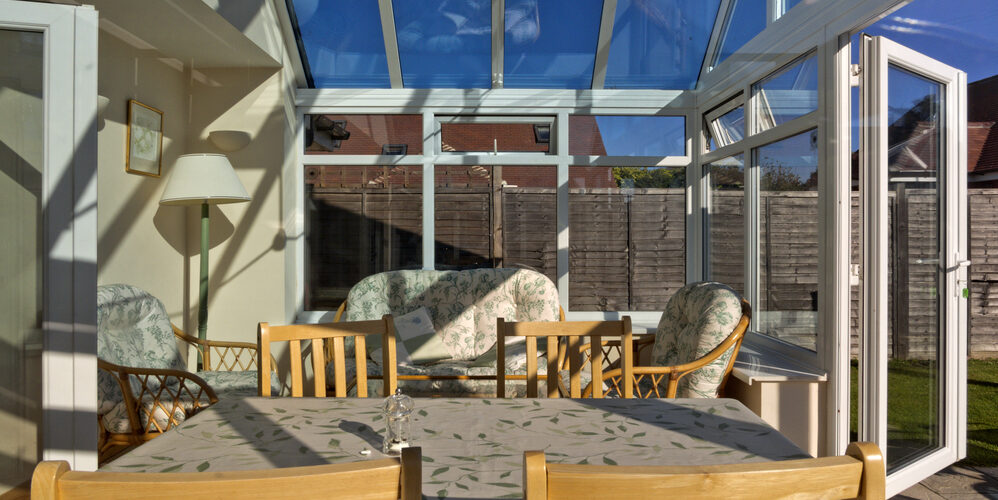
Sunrooms can become extremely hot because sunlight heats the glass and surrounding surfaces.
Also read: Can you stand on one leg for 10 seconds? The answer predicts your risk of dying in the next 7 years
Good ventilation and keeping the doors to the rest of the house closed can help prevent the heat from spreading.
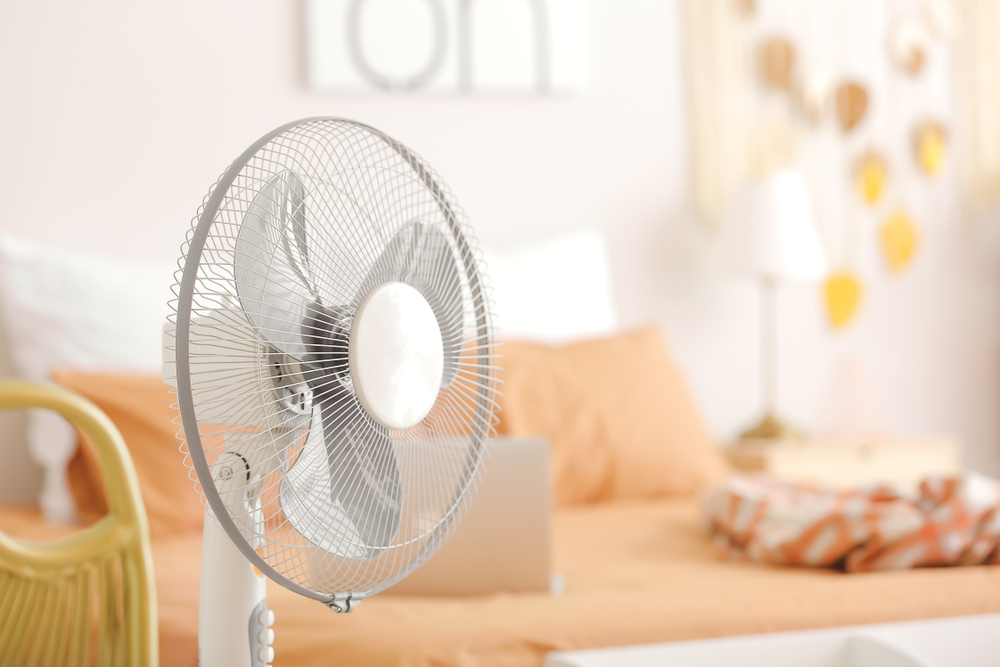
Use a fan wisely
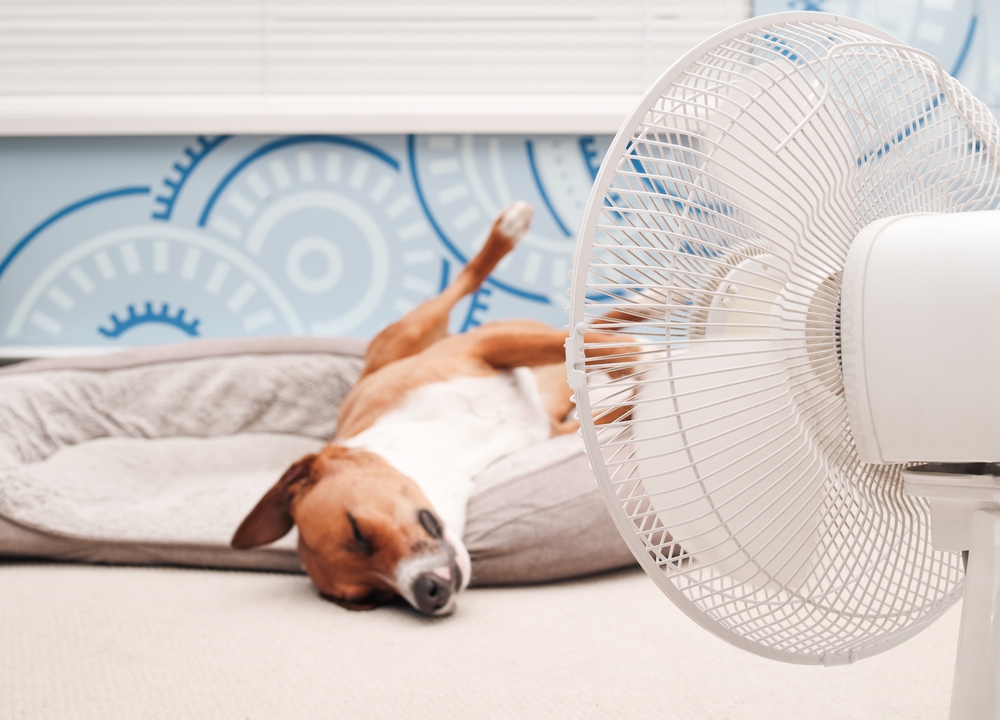
A fan does not cool the air itself but keeps it moving, allowing sweat to evaporate more easily.
Drink plenty of water, and stop using the fan if you feel unwell or become dizzy.
Try a cooling pillow or ice pack
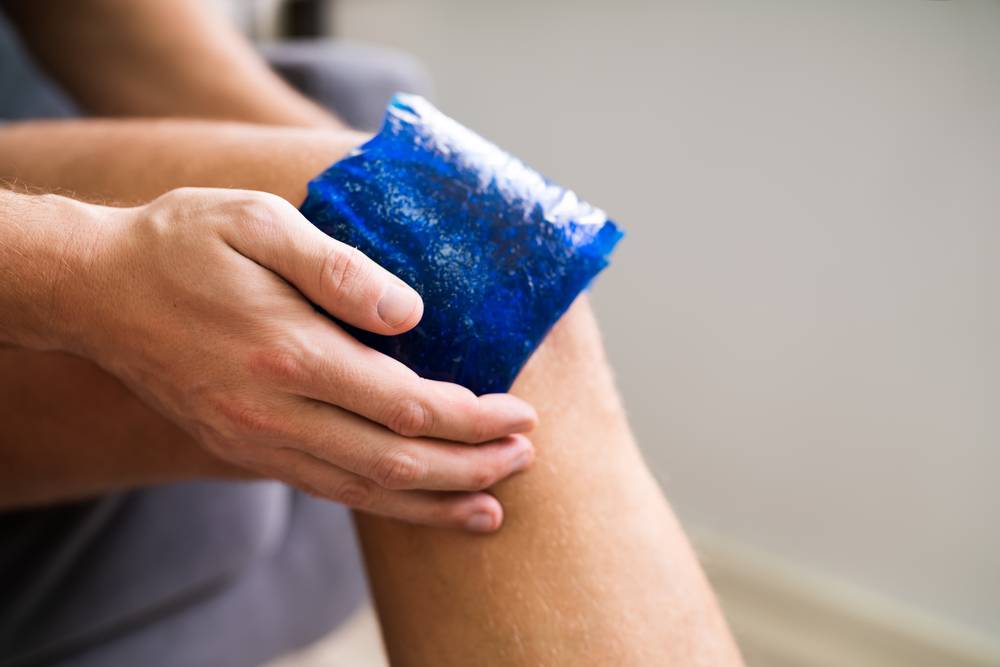
Reusable cooling packs or cooling pillows can make sleeping more comfortable.
Also read: Woman suffers stroke in her sleep and shares the first warning signs
Wrap them in a cloth before use to avoid direct contact with your skin and to prevent moisture from building up in your bedding.
Remember that humidity also matters

High humidity makes it harder for sweat to evaporate, making it more difficult for your body to release excess heat.
Combining several measures works best
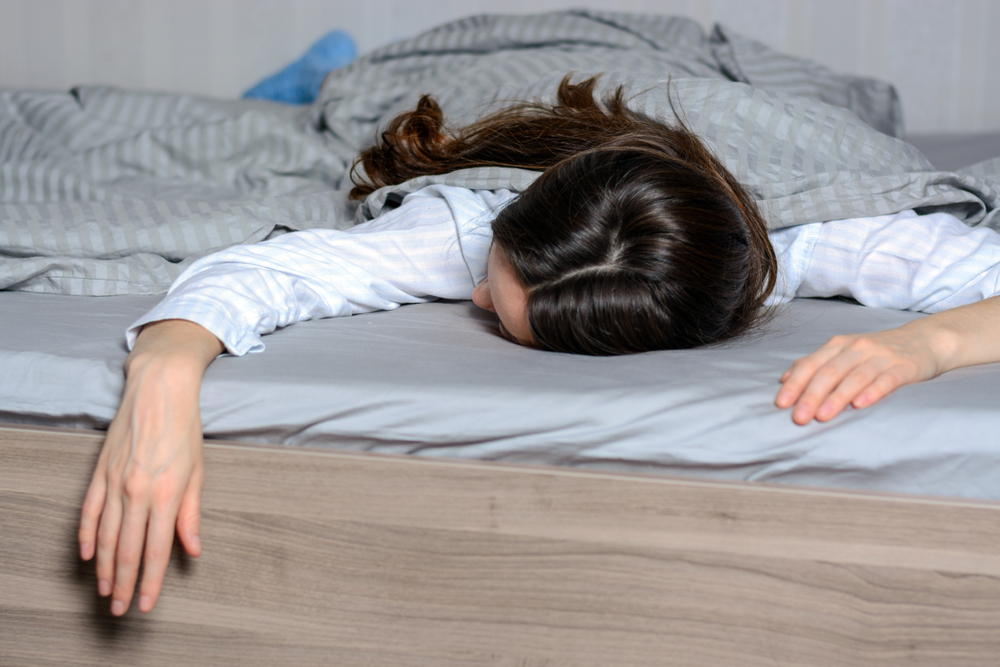
According to The Conversation, the best results are often achieved by combining several strategies.
Keep the sun out during the day, ventilate when temperatures drop, reduce indoor heat sources, sleep in the coolest room available, and choose lightweight bedding.
This article is made and published by Ida-Marie Palm Varbæk, who may have used AI in the preparation.