
Maintaining a regular bowel routine is not always easy.
According to Verywell Health, several everyday habits can support digestion and help make bowel movements more regular.
Keep a regular routine
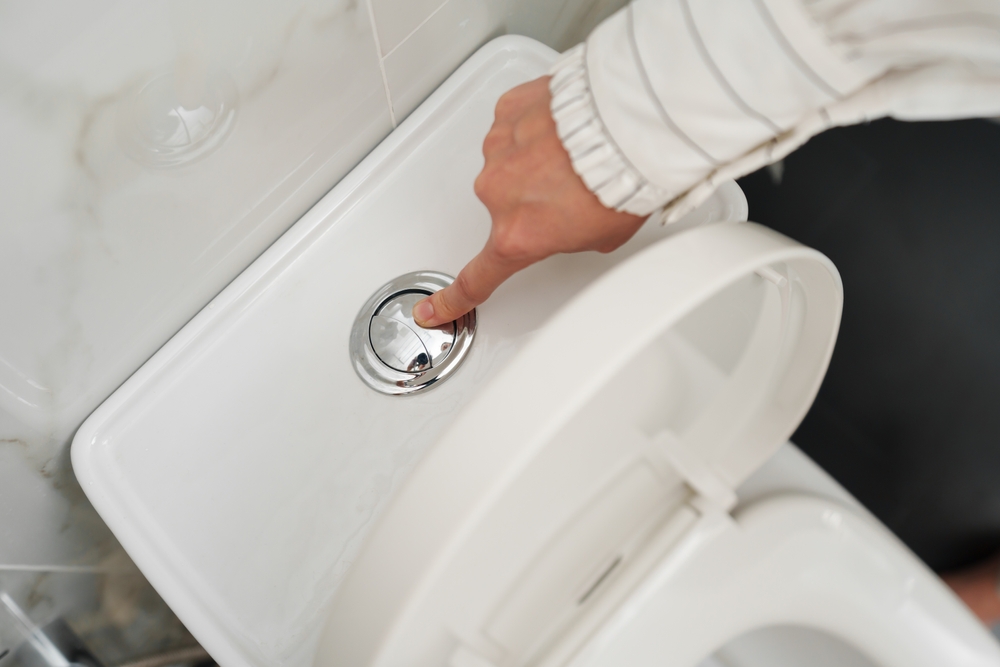
Try to eat your meals at roughly the same time every day, and set aside time for a toilet visit after breakfast or other large meals.
Eat more fiber

Fiber adds bulk to stool, making it easier to move through the intestines.
Also read: Cancer doctors recommend limiting the use of this type of soap
Vegetables, fruit, and whole grains are all excellent sources of fiber.
Get the recommended amount of fiber

Verywell Health recommends around 25 grams of fiber per day for women and 38 grams per day for men, although individual needs may vary.
Drink enough fluids

Staying well hydrated can soften stool, making it easier to pass, according to a study published in BMC Public Health.
Sit correctly on the toilet
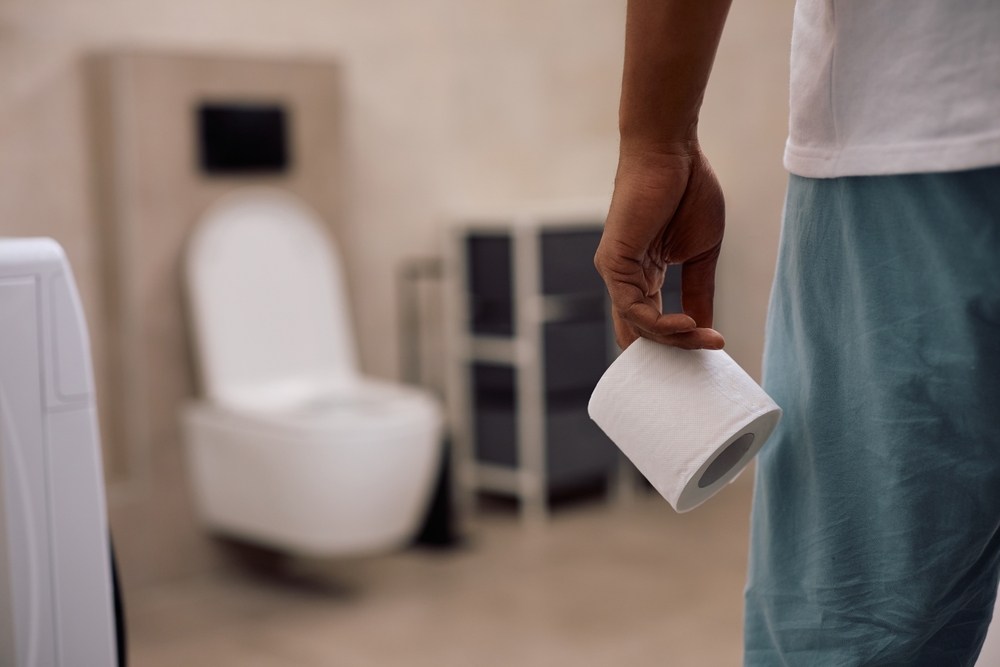
A squatting position can help the muscles relax and make it easier to empty the bowels.
Also read: How to keep your olive oil fresh for longer
Limit low-fiber foods

A diet high in processed foods and low in fiber can make stools harder and bowel movements less regular.
Be mindful of certain foods
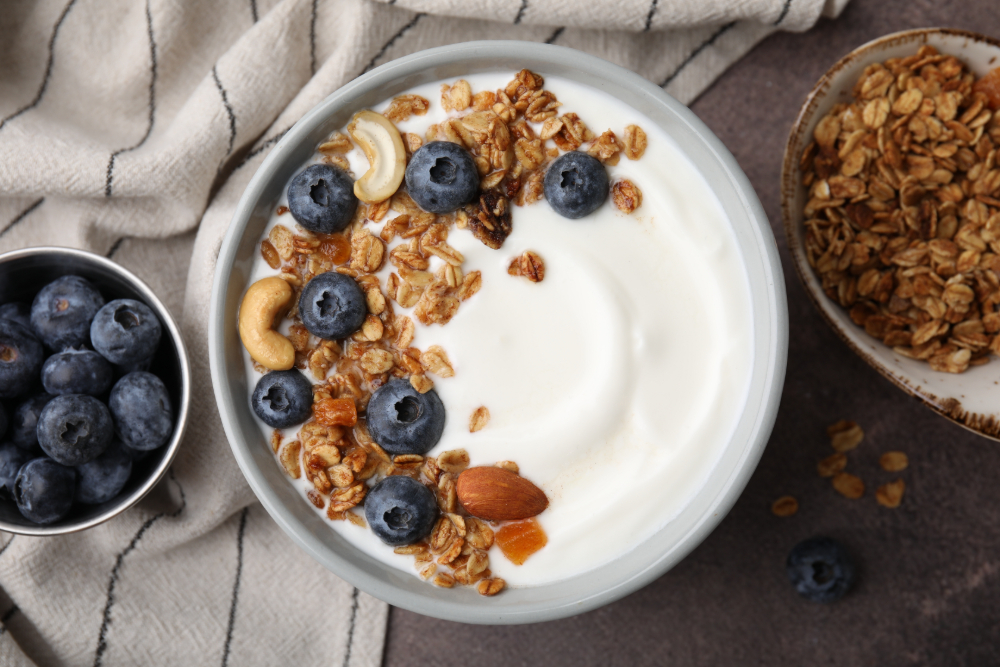
Refined grains, dairy products, tender cuts of meat, bananas, and cooked or canned fruit are all relatively low in fiber, according to a study published in the International Journal of Surgery.
Avoid excessive alcohol

Heavy alcohol consumption can contribute to dehydration, making it more difficult to maintain regular bowel movements.
Prioritize a consistent sleep schedule

A regular sleep-wake cycle can support the body's natural rhythms, including healthy bowel function.
Also read: Analysis of nearly 877,000 patients suggests GLP-1 may affect smell and taste
Stay active every day
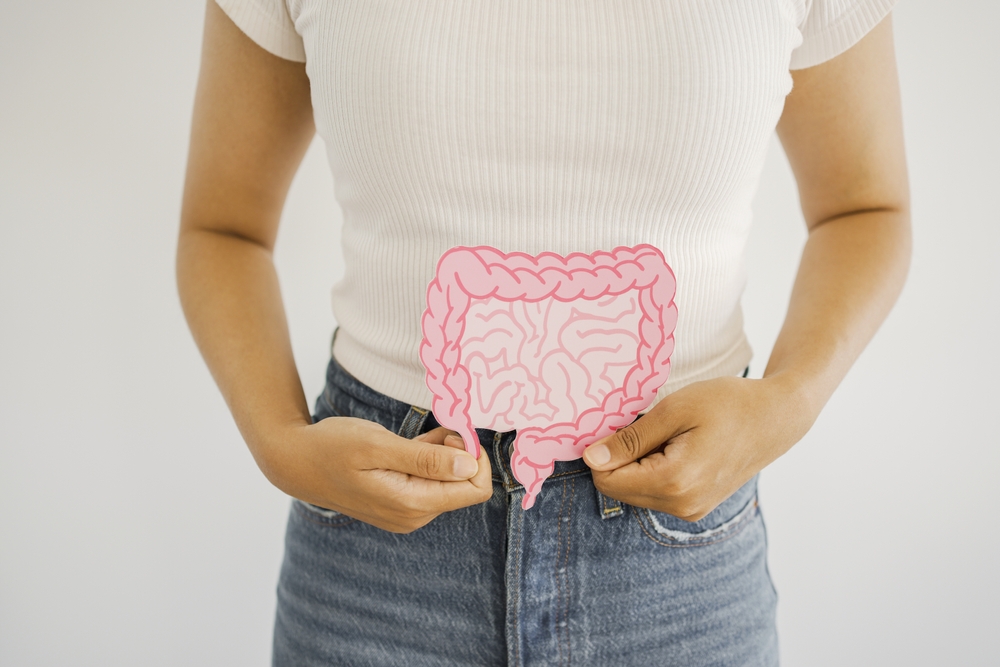
Light physical activity can promote healthy digestion. Certain yoga poses may also provide additional benefits.
Use supportive treatments when necessary
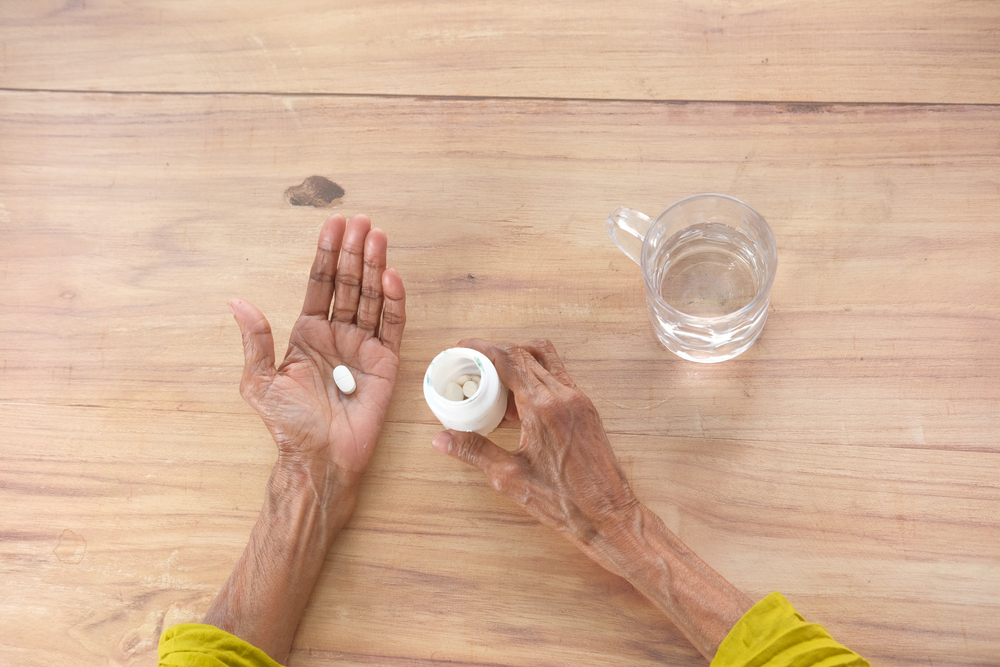
Suppositories, enemas, or laxatives may be used for short-term relief under the guidance of a healthcare professional.
Biofeedback may be an option
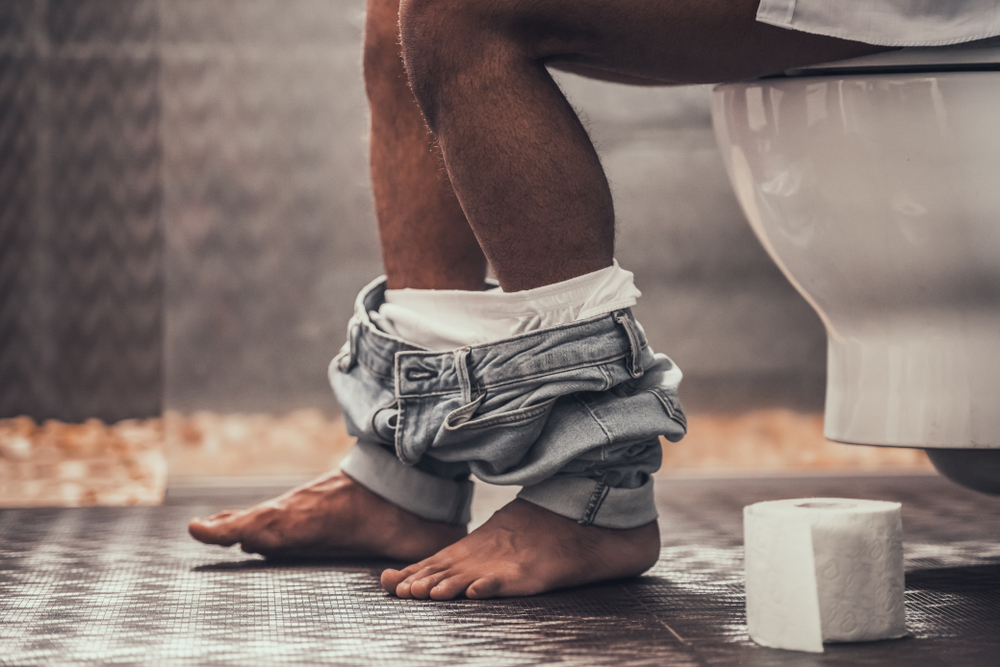
Biofeedback therapy can help train the muscles involved in bowel movements, improving coordination between pushing and relaxation, according to a study published in the Turkish Journal of Gastroenterology.
Also read: Barack Obama makes rare admission about his health
Also read: This happens to your body if you lift weights every day
This article is made and published by Ida-Marie Palm Varbæk, who may have used AI in the preparation.