
For many people, bloating is more than a minor discomfort and can significantly affect daily life.
According to gastroenterologists, there are both effective and ineffective ways to address the problem.
How does bloating feel?

Bloating is described as a tight, swollen, and often gassy sensation in the abdomen.
For some, it comes and goes, while others experience it almost daily, which can make even simple activities uncomfortable.
Also read: Study suggests earlier signs of kidney disease may be overlooked
Bloating is rarely dangerous

Although bloating can be very bothersome, Dr. Jason Korenblit, a physician specializing in gastroenterology, emphasizes that in the vast majority of cases it is not dangerous and is only very rarely caused by serious illness.
Many different causes

Bloating can occur for several reasons, including swallowing air, constipation, food intolerances such as lactose intolerance, hormonal changes, foods that ferment in the gut, and stress.
Air in the stomach from everyday habits

Talking quickly, chewing gum, drinking carbonated beverages, or using straws can lead to swallowing more air, which doctors say can directly contribute to bloating.
Hormonal fluctuations play a role

Many women experience bloating before or during menstruation.
Also read: Researchers examine fingernails as a marker of biological ageing
Hormonal changes are often cited as one of the common explanations for why the abdomen feels more bloated during certain periods.
The common mistake many people make

A widespread approach is to eliminate entire food groups to test what triggers bloating.
According to experts, however, this is a poor idea if done without professional guidance.
Risk of nutrient deficiencies

Dr. Trisha Pasricha, a physician specializing in gastroenterology, explains that removing entire food categories without the help of a dietitian can make it difficult to obtain all the nutrients the body needs.
Also read: Ultra-processed foods linked to higher death risk among cancer survivors
Restrictive diets are not a long-term solution
Although a doctor may, in some cases, recommend a more restrictive diet to identify the cause of bloating, it is not intended as a permanent solution.
Focus on individual ingredients
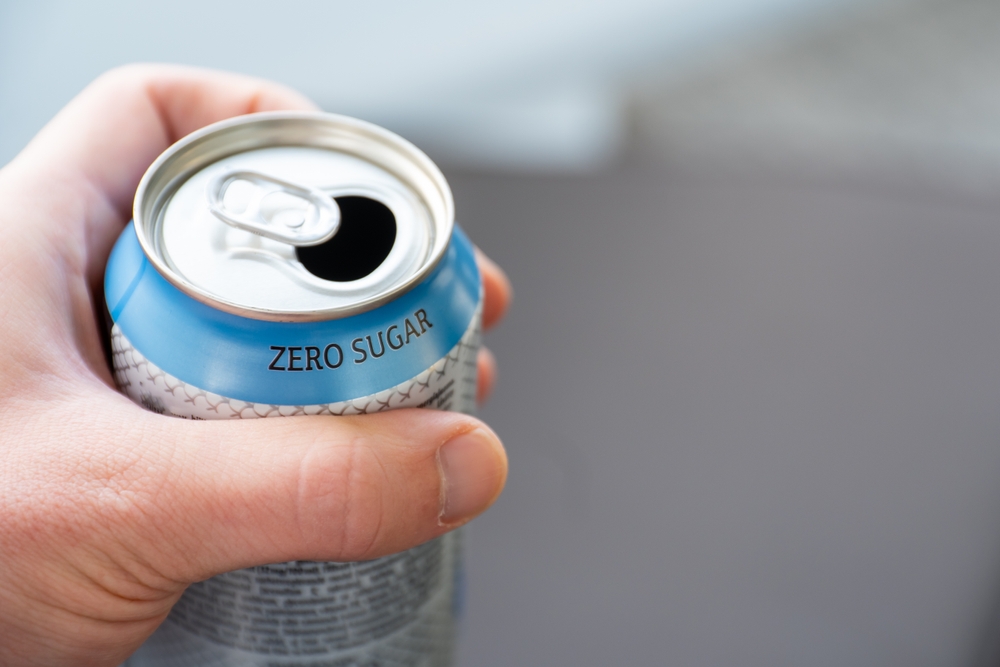
According to Dr. Paul Feuerstadt, a physician specializing in gastroenterology, it may be more appropriate to eliminate specific ingredients, such as artificial sweeteners or foods high in fructose, rather than entire food groups.
One change at a time

It is recommended to remove only one food or ingredient at a time.
If several things are excluded simultaneously, it becomes difficult to determine what actually affects the symptoms.
Also read: Researchers highlight nutrition concerns linked to ozempic and wegovy
Quick relief for occasional bloating

In isolated cases, over-the-counter medication can help by breaking up gas bubbles into smaller parts that the body can handle more easily.
Small everyday measures

A short walk, ginger tea, and avoiding carbonated drinks can, according to Dr. Korenblit, relieve bloating in the moment.
Seek help for persistent problems

If bloating is a recurring issue, it is recommended to consult a doctor and keep a food diary tracking diet, bowel movements, sleep, and stress, so the doctor can better identify the cause.
Sources: Parade.
Also read: Here is the age when the risk of cardiovascular disease begins to increase