
Even a few minutes can make a big difference for your mental well-being.
Here are some simple habits, recommended by psychologists and therapists, that can help reduce stress levels in under ten minutes.
Progressive muscle relaxation
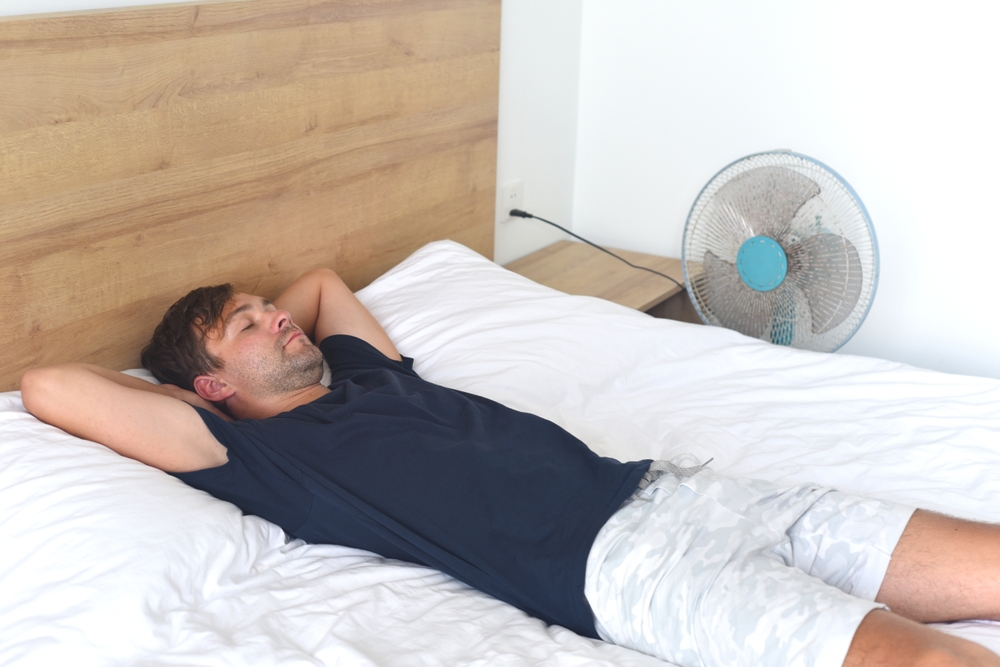
A surprising amount of stress hides in our bodies without us noticing.
Sit or lie down, starting with your hands or feet. Tense one muscle group for five seconds, feel the tension, then fully release for 10–15 seconds. Move systematically through your entire body.
Also read: Common mistakes that might damage your brain
This exercise helps release physical tension and restores calm and balance.
A 10-minute walk in nature

Fresh air and movement are powerful ways to lower stress. Put on your shoes, step outside, and focus on a steady rhythm.
Keep your phone away and observe your surroundings, the colors, the sounds, the ground beneath your feet.
This mindful attention to nature and movement helps your mind settle.
Also read: Eight sports that keep your brain young, according to neurologist
The butterfly hug

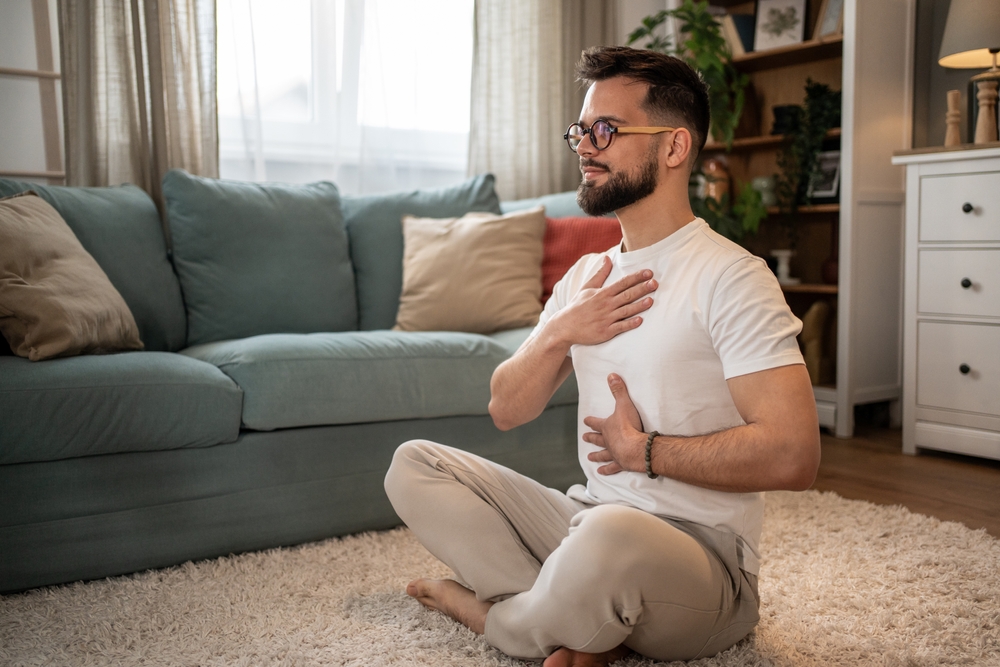
This gentle practice feels like a hug from within. Cross your arms over your chest with your fingertips just below your collarbones, close your eyes, and breathe deeply.
Then begin to alternately tap your left and right hands in a slow, even rhythm. Continue for a few minutes until you feel calmer and more centered.
Shake it out

Stress often builds up in the body, and sometimes you need to physically release it.
Set a timer for five to ten minutes and shake your arms, legs, and shoulders. You can dance, jump, or move however feels right.
Also read: Common signs that may suggest you have ADHD
This helps your nervous system discharge excess energy and shift out of fight-or-flight mode.
Shift the story
Much of our stress comes from the stories we tell ourselves. Take ten minutes to identify your inner narrative.
Ask yourself what you’re saying, then what else might be true. Reframing your thoughts can release the hold of negative beliefs and create room for self-compassion and calm.
Safe place guided imagery

When your thoughts start to spiral, create a mental refuge. Picture a place where you feel safe and relaxed, perhaps a beach, a quiet room, or an imaginary garden.
Also read: How to tell if your stress is really early-stage Alzheimer’s
Engage your senses by noticing what you see, hear, and feel. This guided visualization can quickly ease stress and help you return to a sense of peace.
Focused breathing
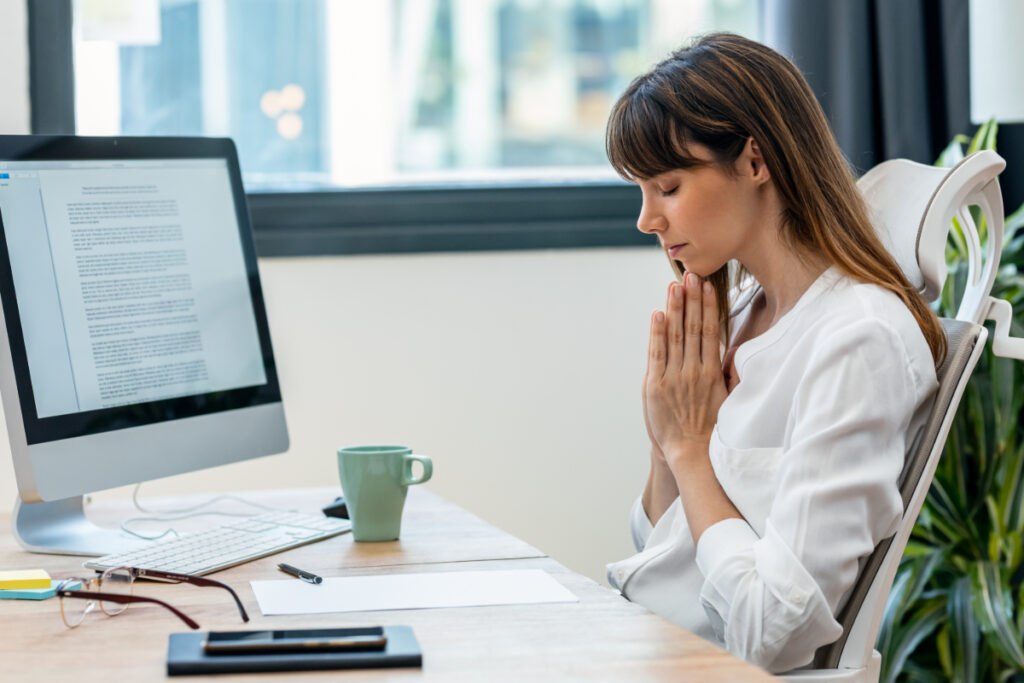
Conscious breathing can activate the body’s relaxation response.
Inhale slowly through your nose for four seconds, hold briefly, and exhale through your mouth for six seconds. Repeat for a few minutes to calm both body and mind.
Ten-minute journaling

Writing down your thoughts can release mental tension. Spend ten minutes freely expressing what’s on your mind without judgment.
Also read: Wellness expert shares her simple rituals for a happier life
This simple act can bring clarity, perspective, and relief.
Gratitude practice
Each day, list three things you’re grateful for, big or small. This quick practice shifts focus from stress to positivity and helps you feel more grounded.
Short meditation

Sit somewhere quiet, close your eyes, and focus on your breath or a single word, such as “calm.” When your mind wanders, gently bring it back.
Even five minutes can significantly reduce stress hormones.
Stretch it out

Simple stretches can loosen tight muscles and improve circulation.
Roll your shoulders, reach your arms overhead, and bend forward while breathing deeply. These small movements can offer both physical and mental relief.
This article is based on information from Real Simple.
This article is made and published by Ida-Marie Palm Varbæk, who may have used AI in the preparation.