
It’s easy to confuse dry skin with dehydrated skin — but understanding the difference could completely change how your skin looks and feels.
Here’s what you need to know to finally get your skincare right.
Dehydrated skin lacks water — not oil

Anyone can have dehydrated skin, even if they have oily or combination skin.
It’s a temporary condition where the skin lacks moisture, making it appear dull, tight, or tired-looking.
Dry skin is not a condition

Dry skin is a natural skin type, just like oily or combination.
It lacks natural oils (lipids), which causes flakiness, rough texture, and a higher tendency for irritation and redness.
Use the ‘pinch test’ to check for dehydration

Gently pinch the skin on your cheek or hand. If it snaps back immediately, you’re likely hydrated.
If it takes a second to return to normal, your skin may be dehydrated.
Signs of dehydrated skin
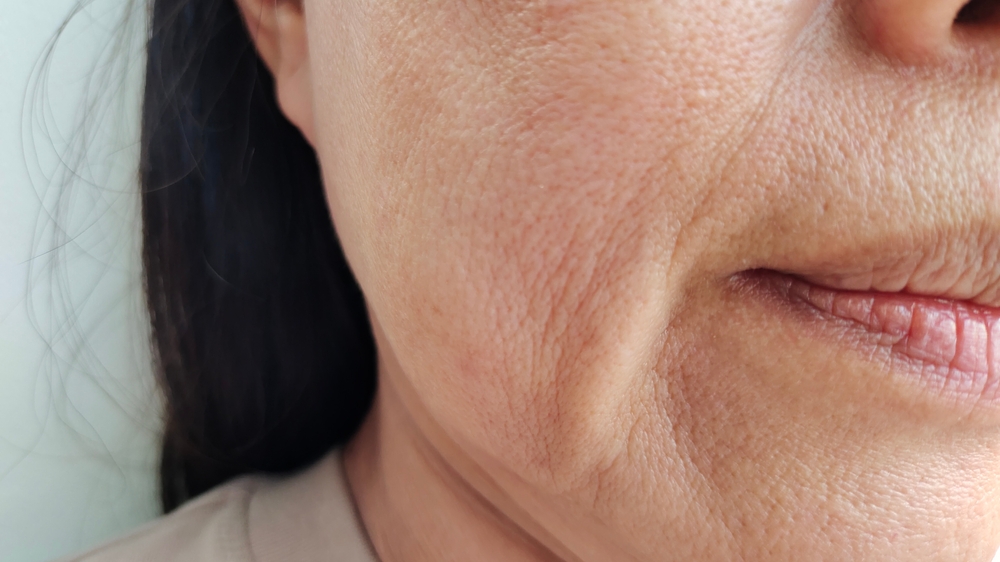
Besides dullness and loss of elasticity, dehydrated skin often comes with dark under-eye circles, itchiness, and fine lines that are more visible than usual.
Signs of dry skin

With dry skin, you’ll likely notice flaking, redness, and rough patches. It may also worsen conditions like eczema or dermatitis and feel uncomfortable after cleansing.
Hydration versus moisturization

Hydration adds water to the skin, while moisturization locks it in.
Dehydrated skin needs ingredients that attract water, whereas dry skin requires oils and butters to seal moisture in.
Choose the right ingredients for your skin’s needs

For dehydrated skin, look for hyaluronic acid, glycerin, aloe, or honey.
For dry skin, focus on ingredients like shea butter, nut and seed oils, ceramides, and colloidal oatmeal.
Ingredients to avoid if your skin is sensitive
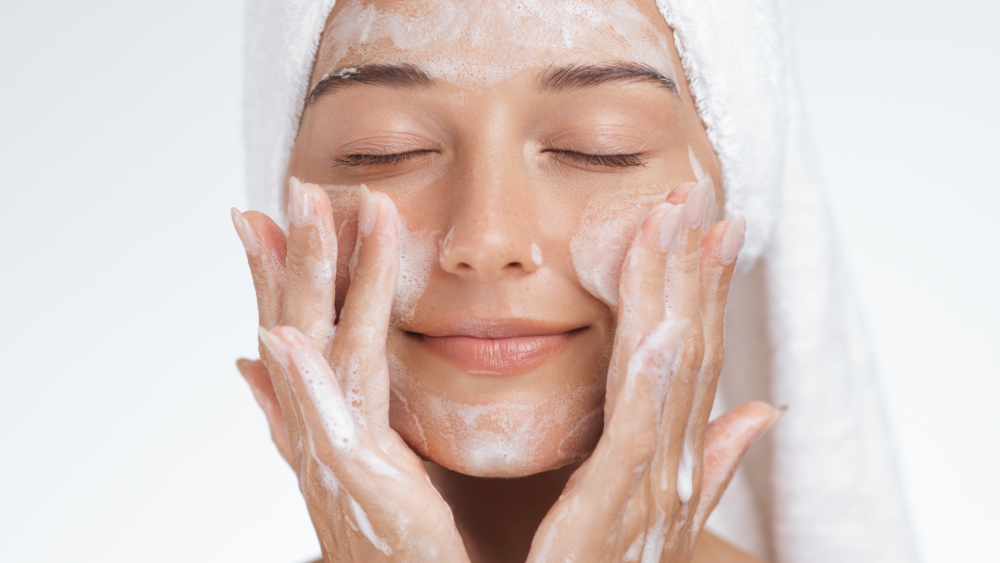
Fragrance, alcohol, essential oils (if undiluted), and harsh physical exfoliants like sugar scrubs can all worsen dry or dehydrated skin.
Be gentle with your skincare routine.
Boost your routine from the inside out

Dehydrated skin often benefits from drinking more water and eating hydrating foods like watermelon and cucumber.
A face mist during the day can also provide a quick refresh.
Don’t wait to seek professional help
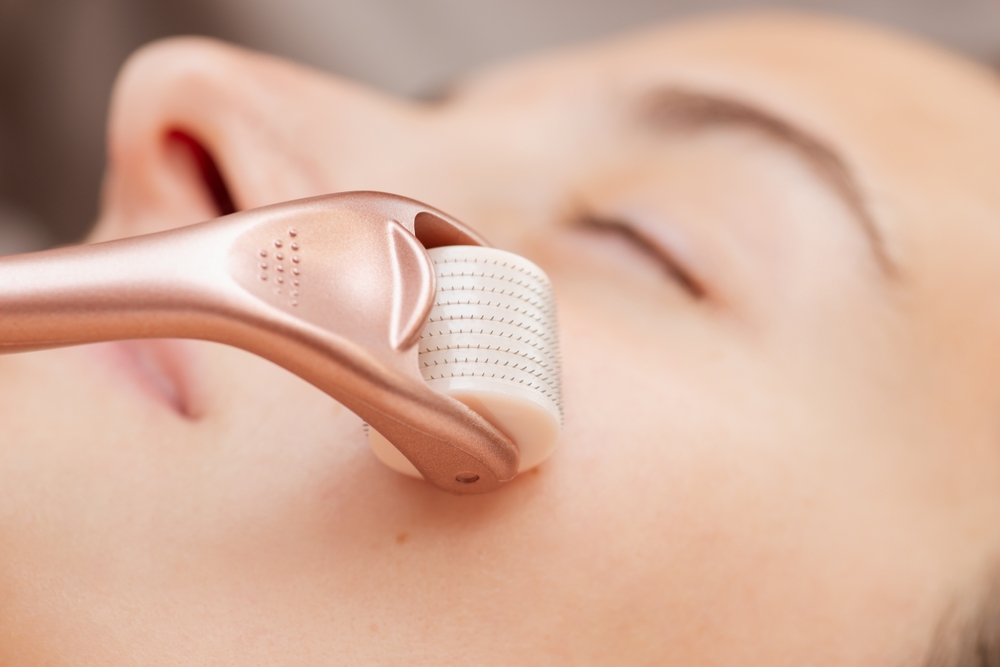
If your skin doesn’t respond to over-the-counter treatments or gets worse, consult a dermatologist.
They can help determine whether you need hydration, moisturization, or both — and guide you toward the right products or prescriptions.
This article is based on information from Healthline.com.
This article is made and published by Ida-Marie Palm Varbæk, who may have used AI in the preparation.