
New dietary guidelines published by the USDA maintain the recommendation of three daily servings of dairy products, which can include cheese.
But how does cheese actually affect blood pressure? Physicians specializing in cardiology and dietitians explain what happens both immediately and over time.
Cheese provides important nutrients
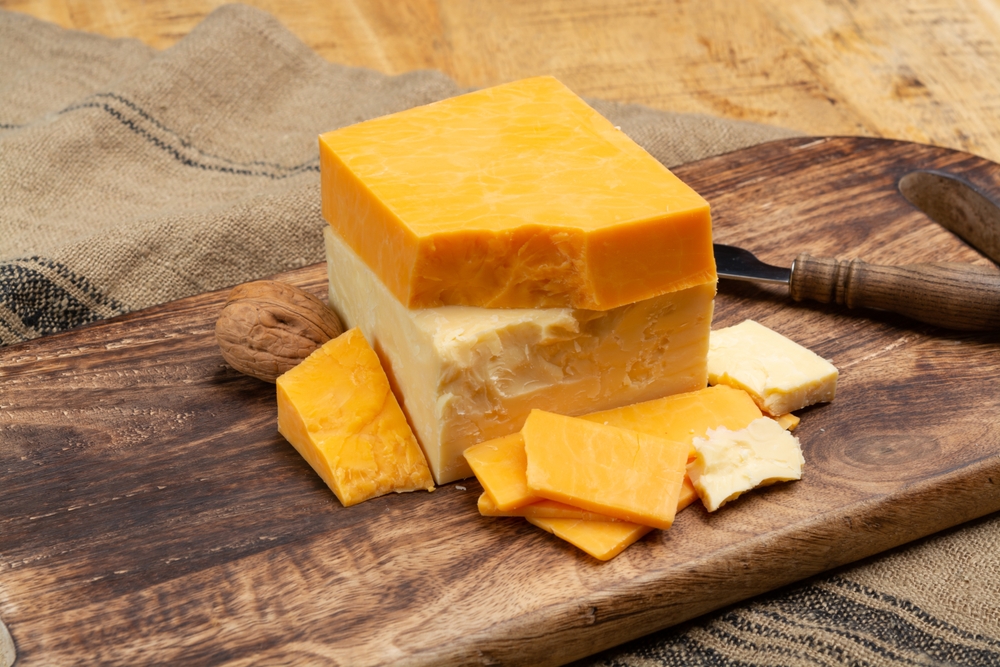
Cheese contains calcium, potassium, and bioactive peptides, which are especially found in fermented dairy products.
Many people lack calcium
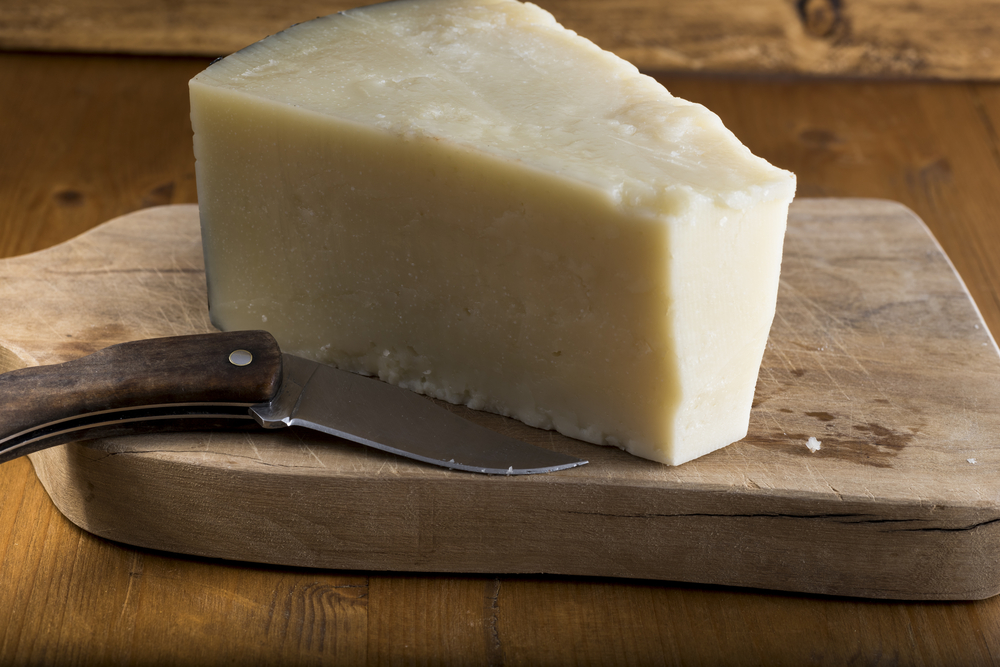
A large portion of the population does not meet their calcium needs. Cheese can be one of the foods that helps increase intake.
Also read: Almost seven million healthy life years lost to breast cancer due to these six lifestyle risks
Impact on blood pressure

According to dietitian Jess Rybka, cheese generally has no immediate effect on blood pressure when consumed.
Limited knowledge about acute effects
Joy Gelbman, a physician specializing in cardiology, explains that there is limited research on the short-term effects of cheese on blood pressure.
Daily intake showed no change in one study
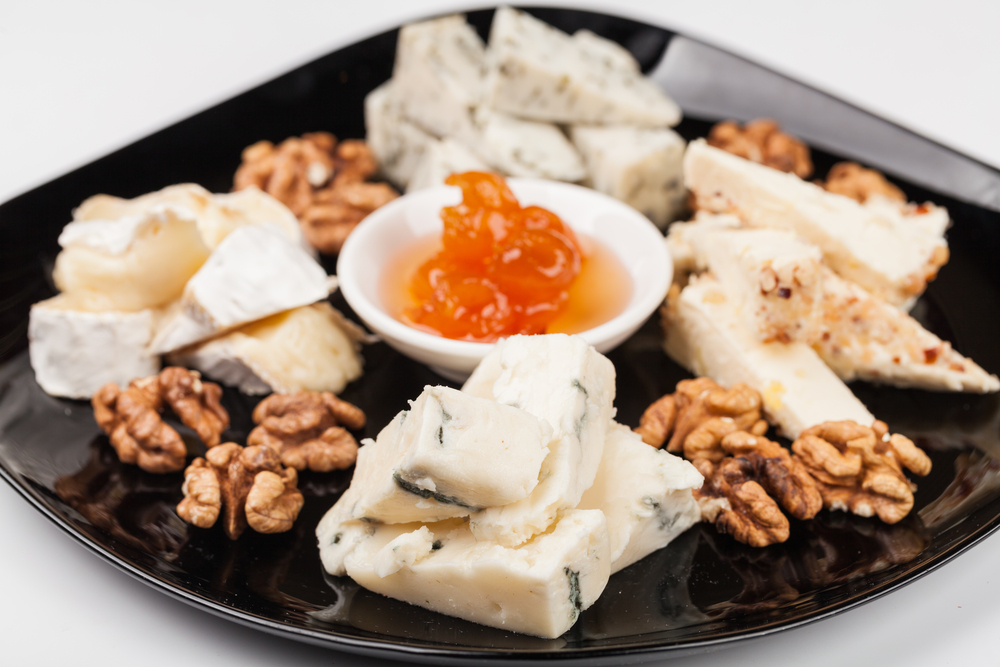
A randomized controlled study published in The American Journal of Clinical Nutrition found that six weeks of daily consumption of regular full-fat cheddar did not change daytime blood pressure compared with a dairy-free diet.
No difference between low-fat and full-fat cheese

According to Joy Gelbman, several studies have found no difference in blood pressure between people who eat low-fat cheese and those who choose full-fat varieties.
Also read: White House explains rash seen on president Trump’s neck
Ultra-processed cheese is the exception

However, all the experts point to one clear exception: ultra-processed cheese. This type can negatively affect blood pressure.
High salt content can raise blood pressure
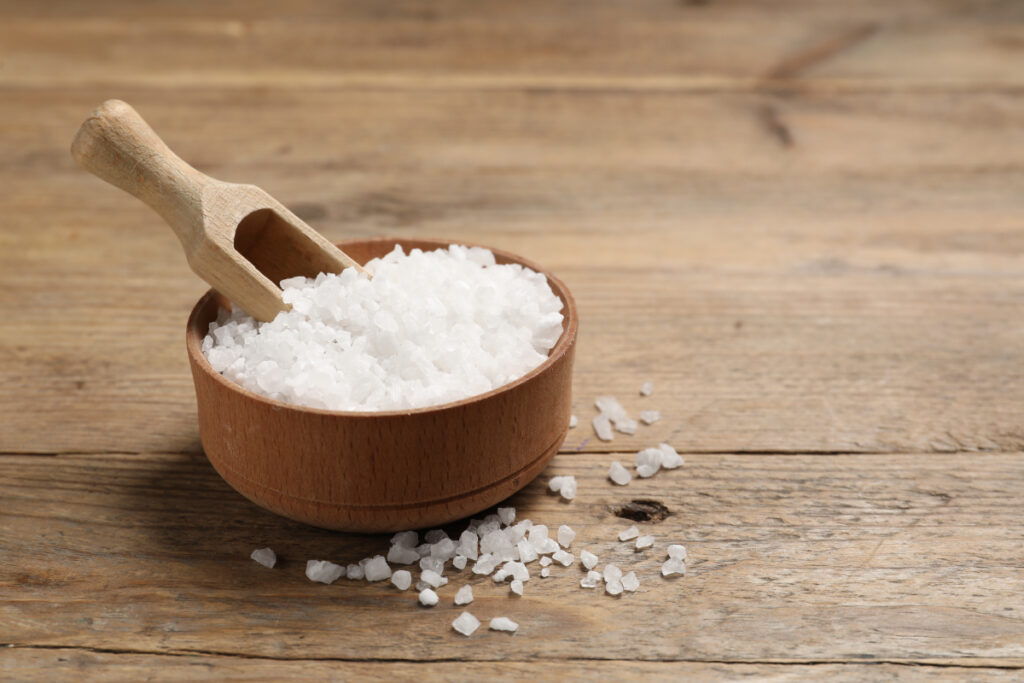
Ultra-processed cheeses often contain high levels of sodium. When consuming large amounts of sodium, the body draws water into the blood vessels to dilute it, increasing blood volume and thereby blood pressure.
Saturated fat also plays a role
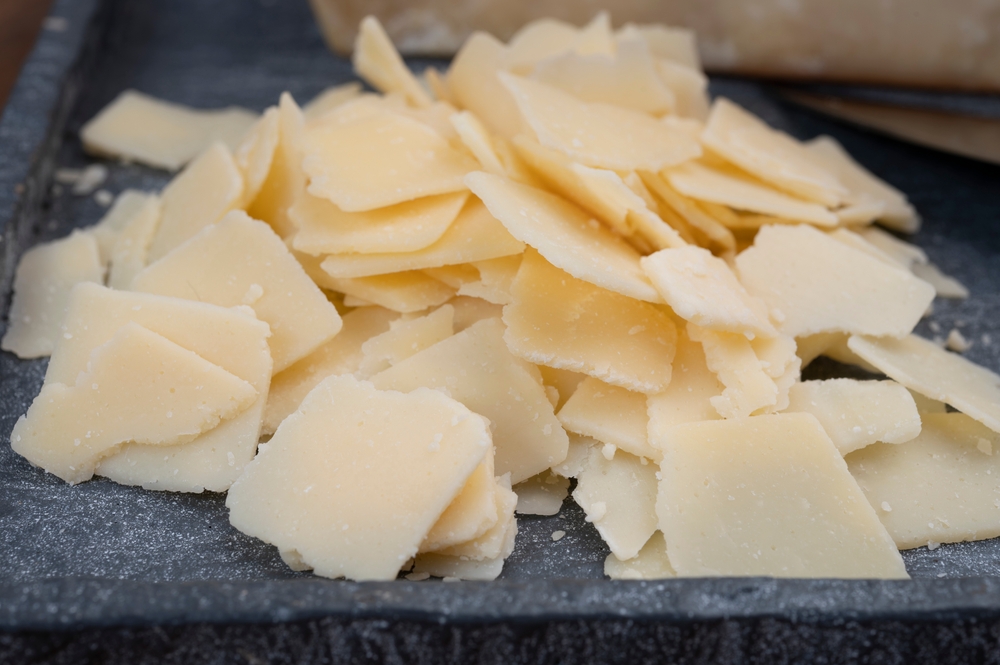
According to Randy Gould, a physician specializing in cardiology, research shows that a diet high in saturated fat can contribute to elevated blood pressure.
Therefore, the fat content of cheese is also worth paying attention to.
Also read: Three tablets may help accelerate the elimination of sleeping sickness
Choose cheeses with less sodium
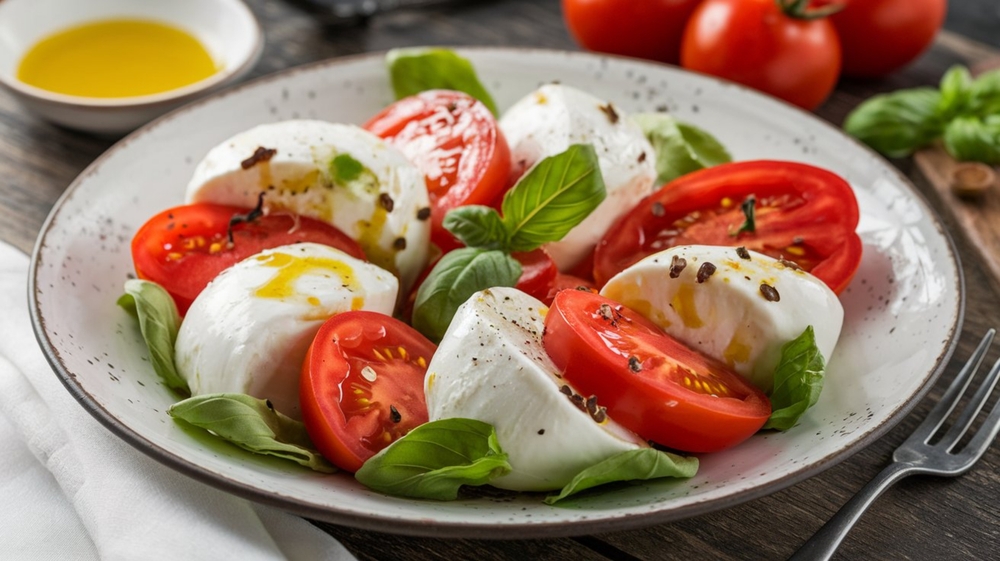
Randy Gould recommends choosing cheeses with lower salt content, such as Swiss cheese, fresh mozzarella, and ricotta.
Feta, Parmesan, blue cheese, and ultra-processed cheeses typically contain more sodium and should be eaten less frequently.
Balance your overall salt intake

If you eat cheese daily, you should take the salt content into account and adjust your other food choices throughout the day.
Consider low-fat varieties if you have high cholesterol
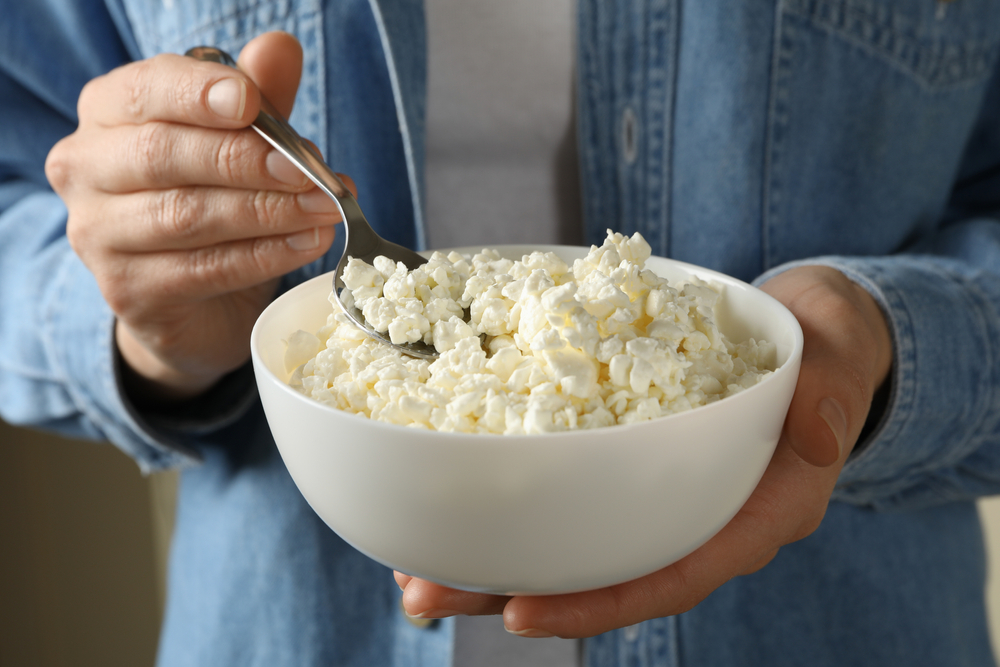
People with elevated cholesterol may benefit from choosing low-fat cheeses such as reduced-fat mozzarella, ricotta, or cottage cheese, as they contain less saturated fat and are less likely to increase LDL.
Also read: How almonds can affect your body if you eat them every day
Use cheese as a flavor enhancer rather than the main ingredient
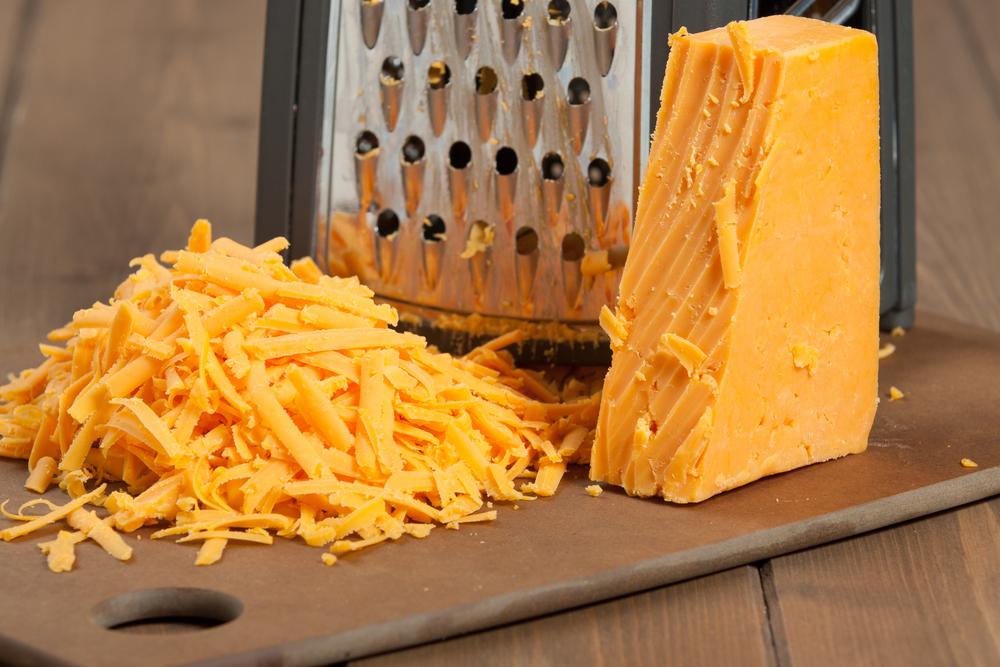
Dietitian Abbey Sharp recommends viewing cheese as a supplement rather than the centerpiece of a meal. Finely grated or stronger cheeses can provide plenty of flavor in smaller amounts.
Combine with protein and vegetables

For example, when making pizza, Sharp suggests cutting the amount of cheese in half and instead adding protein-rich grilled chicken and potassium-rich vegetables, as well as serving a salad on the side to increase satiety and fiber intake.
Eat potassium-rich foods with salty cheese
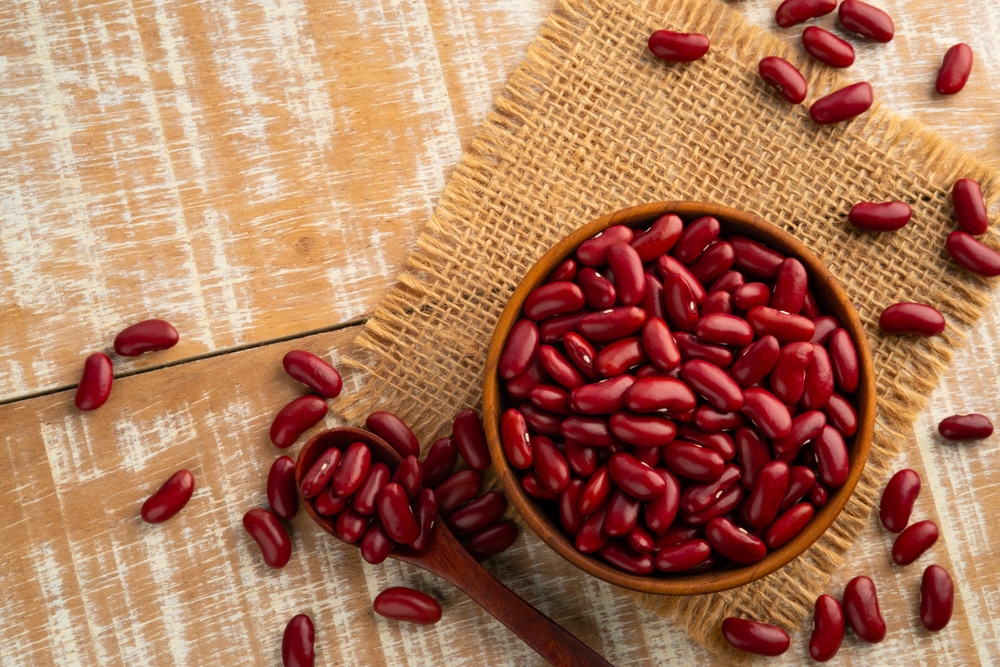
If the cheese contains sodium, it may be beneficial to pair it with potassium-rich foods such as vegetables or beans to reduce its impact on blood pressure.
The key is to choose wisely
If you want to protect your blood pressure, it is important to choose cheeses that are not ultra-processed and do not contain high levels of sodium or saturated fat.
Also read: Consumer council warns: Several popular deodorants contain problematic substances
In this way, cheese can remain part of your diet without placing strain on the heart.
Sources: Parade, USDA og The American Journal of Clinical Nutrition.