
Most people notice a small lump or swelling on their body at some point. Often it disappears, and nothing more comes of it. But doctors warn that ignoring such changes can sometimes mean missing important early signals.
Why we notice them
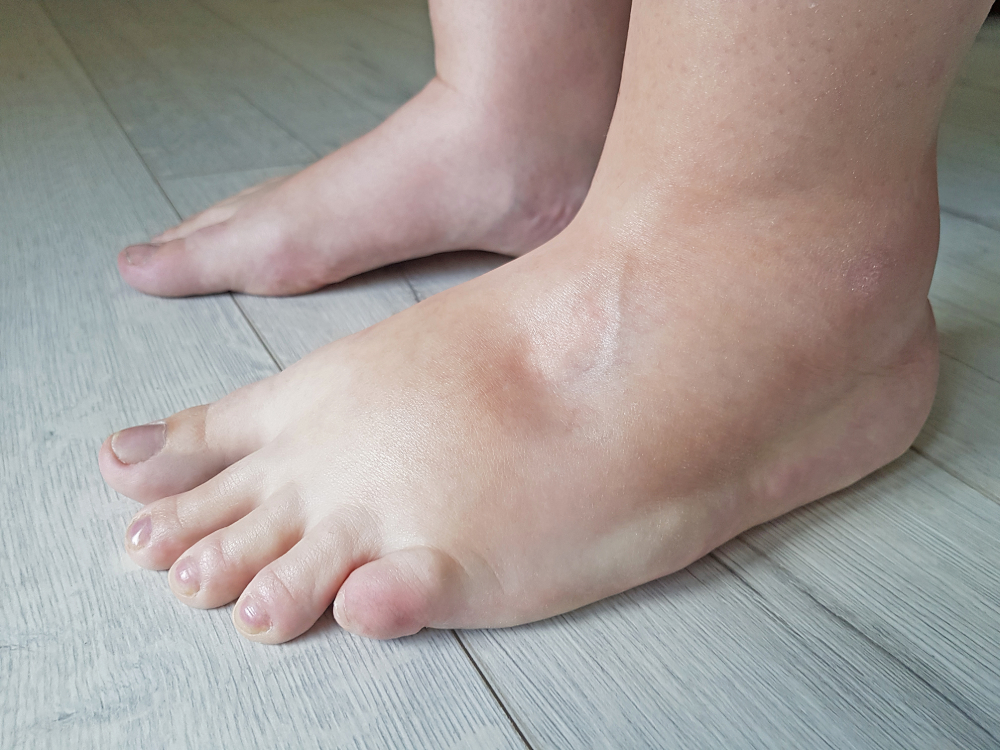
Small lumps under the skin or sudden swellings often appear without warning. Because they are painless, many people do not pay much attention to them at first.
When they seem harmless

According to the article, many lumps are benign and go away on their own. This leads people to assume there is no reason to worry or seek medical advice.
The risk of delay

Ignoring changes in the body can be risky. Early detection is often linked to better outcomes if treatment is needed.
Also read: Genetic predisposition to blood sugar spikes may increase Alzheimer’s risk by 69 percent
Fear as a barrier

Lumps can trigger fears of serious illness. For some, the anxiety around a possible diagnosis leads them to avoid seeing a doctor.
Low awareness

Awareness around lumps and swellings is generally low. They do not always cause pain or obvious symptoms, which makes them easy to overlook.
Rapid growth

Prof. Dr. S M Fayaz from KIMS Hospitals Bengaluru explains that a lump growing quickly over days or weeks should be checked by a physician.
No change over time

If a lump remains the same size for more than two weeks, it may require further evaluation by a medical professional.
Also read: Lifelong alcohol consumption increases the risk of colorectal cancer
Hard or fixed lumps

Lumps that feel hard, are attached to surrounding tissue, or do not move easily when pressed are listed as warning signs.
Pain and skin changes

Persistent pain, tenderness, redness, warmth, dimpling, or sores in the skin over a lump should not be ignored.
Symptoms affecting the body

Unexplained fever, night sweats, or weight loss occurring alongside a lump can indicate a more serious condition.
Regular self checks

The expert recommends checking the skin, breast tissue, neck, underarms, and groin at least once a month to spot changes early.
Also read: How to find the healthiest frozen ready-made meals
When to see a doctor

Online information cannot replace medical expertise. Any concerning lump should be discussed during routine checkups, and changes over time should be noted.
Sources: Times of India
Also read: Donald Trump dismisses fears of Alzheimer’s despite family history of the disease