
Most people consider brain health to be just as important as physical health, but few know how to take concrete steps to protect it.
New research suggests that lifestyle plays a crucial role. Here are key insights and habits from the report, according to NBC News.
The importance of the brain
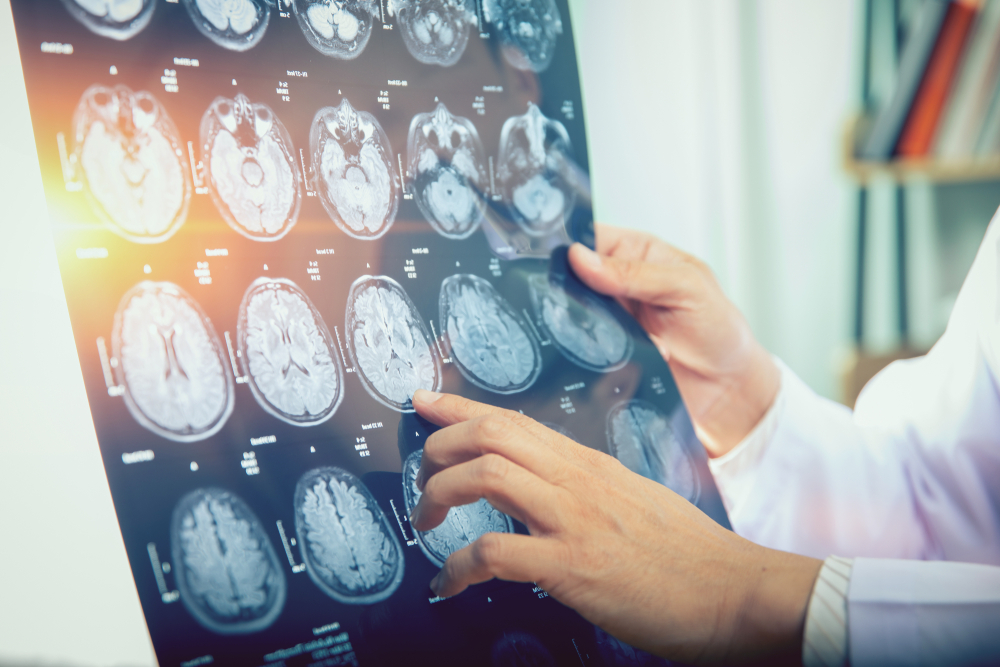
A study from the Alzheimer’s Association shows that 99 percent believe brain health is just as important as physical health.
Lack of knowledge about brain health

Although 88 percent consider it very important to maintain brain health, only 9 percent say they know a lot about how to do so.
Also read: More young people are getting cancer - researchers still searching for the cause
Sleep

Half of those surveyed get at least seven hours of sleep most nights, which is highlighted as an important part of a healthy lifestyle.
Healthy diet

Only 39 percent consistently follow a healthy diet, even though nutrition is a key factor in brain function.
Physical activity

34 percent are physically active most days, which is an important habit for supporting brain health.
Mental stimulation

42 percent experience sufficient mental stimulation, which helps keep the brain active and functioning well.
Also read: Methamphetamine linked to one in six heart attacks in new study
The combination of habits

Research shows that it is the interaction between sleep, activity, diet, and mental engagement that best supports the brain over time.
Genes are not the only factor

Although genetics can influence the risk of dementia, it is emphasized that lifestyle also plays a major role and that genes alone do not determine the outcome.
Lifestyle changes can improve function

The U.S. POINTER study showed that individuals with structured changes in diet and exercise achieved cognitive results comparable to people up to two years younger.
Brain health is influenced by multiple factors

Alzheimer’s develops as a result of several interacting factors, not just genetic conditions.
Also read: Dietary supplements for hair loss may interfere with cancer treatment
Midlife is a critical period

The ages between 35 and 64 are highlighted as particularly important for preventing dementia, as changes in the brain can begin decades before symptoms appear.
The brain requires maintenance

The brain is compared to an engine, where ongoing maintenance can prevent more serious problems later on.
Good brain function means clear thinking

82 percent associate good brain health with the ability to think clearly and make sound decisions.
Treating health conditions can help

Conditions such as sleep apnea should be treated early, as they can have a significant impact on brain health later in life.
Also read: These jobs provide the most steps in daily life
Sensory loss should be taken seriously

Hearing and vision loss are highlighted as often overlooked factors that can negatively affect the brain.
Alcohol should be limited

It is important to avoid excessive alcohol consumption to protect the brain.
Social isolation increases risk

Social isolation is a significant risk factor for dementia and accounts for a portion of cases globally.
It is never too late to start

Even in older age, lifestyle changes can have a positive effect on brain function.
Also read: Simple eye test could help detect Alzheimer’s sooner
Sources: NBC News, Alzheimer’s Association, and the U.S. POINTER study.
This article is made and published by Ida-Marie Palm Varbæk, who may have used AI in the preparation.