
A study published in JAMA Network Open suggests that a number of simple physical tests may provide insight into how the body ages, according to Health.
However, the findings should be interpreted with caution, as the researchers only identified associations.
The study included 13,000 older adults
The researchers studied around 13,000 adults from Taiwan who were at least 65 years old. Most of the participants were women.
Balance can be tested on one leg

Participants were asked to stand on one leg with their eyes open for up to 30 seconds. They performed the test twice, and their longest time was recorded.
Also read: 24 of 25 women with lash extensions had mites living in their lashes
Lower-body strength was assessed
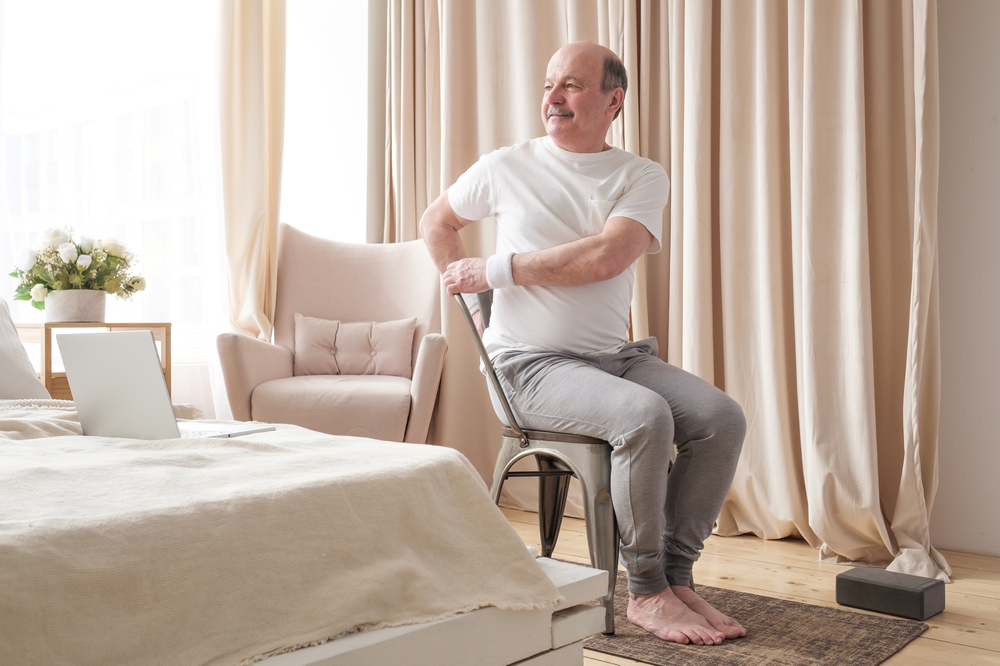
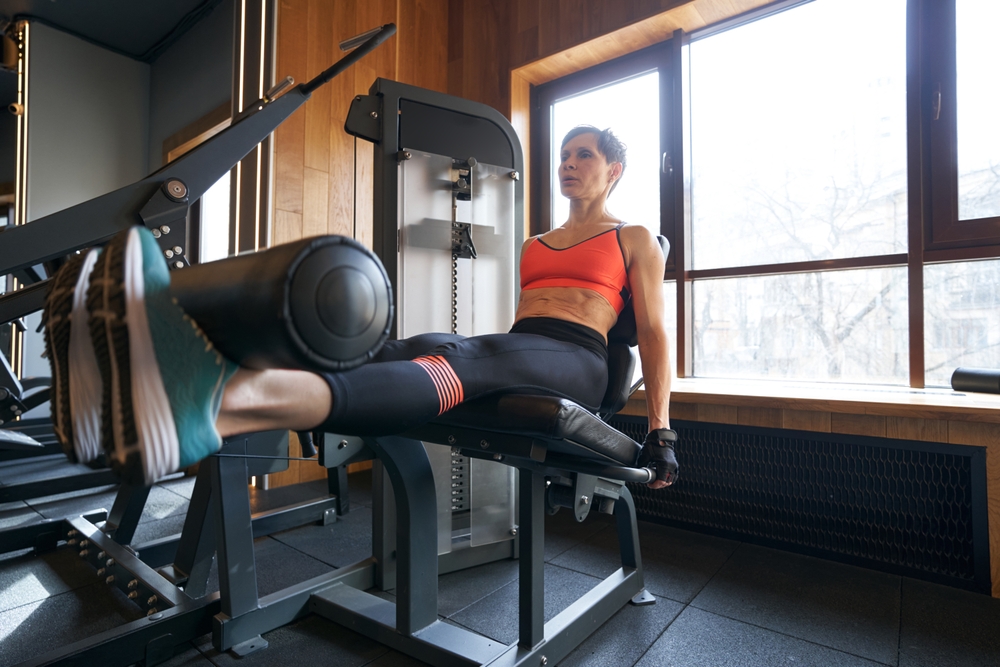
Participants repeatedly stood up from a chair without using their arms. Their arms had to remain crossed in front of their chests during the test.
Step test
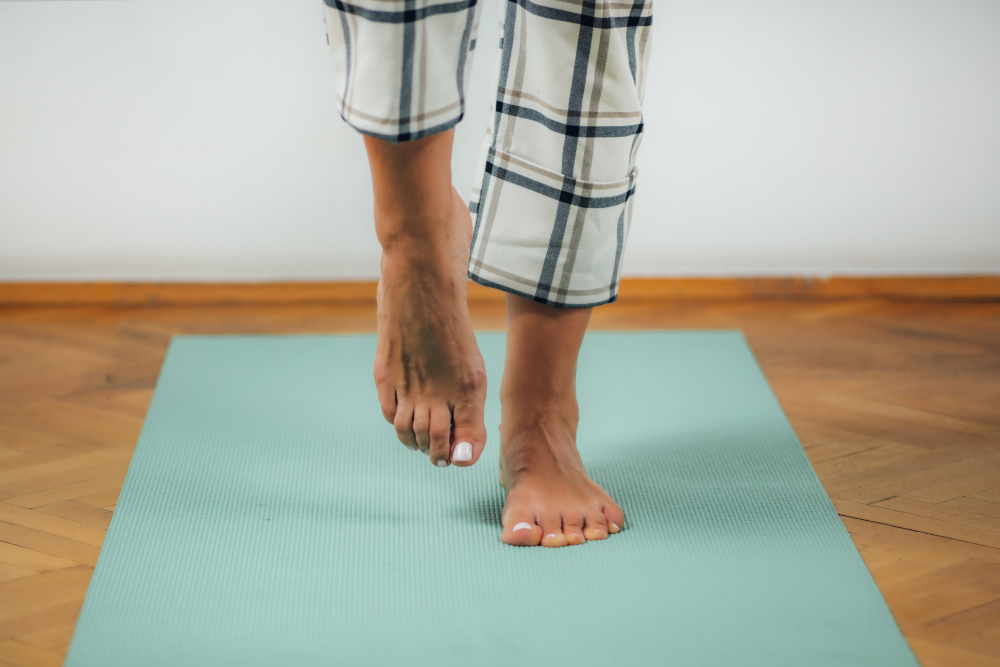
For two minutes, participants stood in place and alternately lifted one leg and then the other. The test was used to assess their fitness.
Moving around a cone measured agility

Participants stood up from a chair, walked around a cone approximately 2.4 metres away and sat down again. The fastest of two attempts was recorded.
Arm strength was also assessed
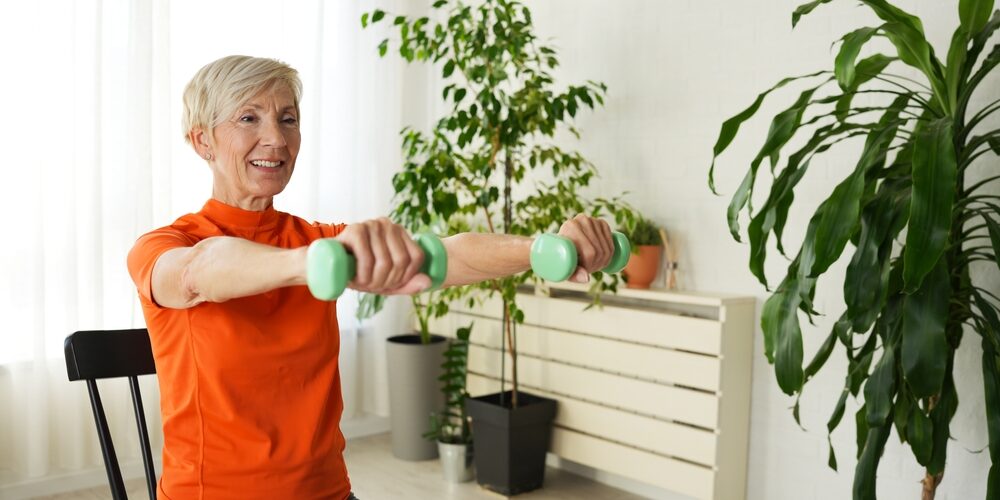
Women performed arm exercises using a weight of around 2.3 kilograms, while men used around 3.6 kilograms. They performed the exercise for 30 seconds.
Also read: Banana accused of ruining blueberries’ benefits – but is it true?
Hands had to meet behind the back

One of the tests measured participants’ flexibility by asking them to reach both hands behind their backs.
Overlapping fingers resulted in a positive measurement, while a gap between the fingers resulted in a negative measurement.
Leg flexibility was measured while seated
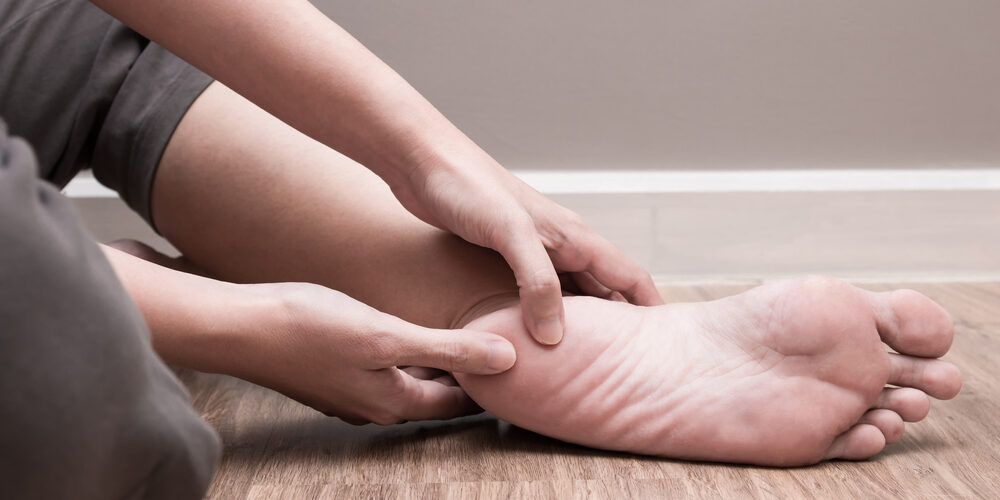
In another test, participants reached their fingertips towards the toes of an extended leg while keeping the other leg bent.
The distance or overlap between the fingers and toes was recorded.
Also read: Where you live may matter more for dementia risk than what you eat
Lower mortality

People with the best results had a lower risk of dying during the average seven-year follow-up period compared with those who performed the worst.
Men and women had different results

Among men, the lowest mortality was associated with good results in balance and agility. Among women, strong lower-body strength was particularly associated with a lower risk.
Falls are a significant risk
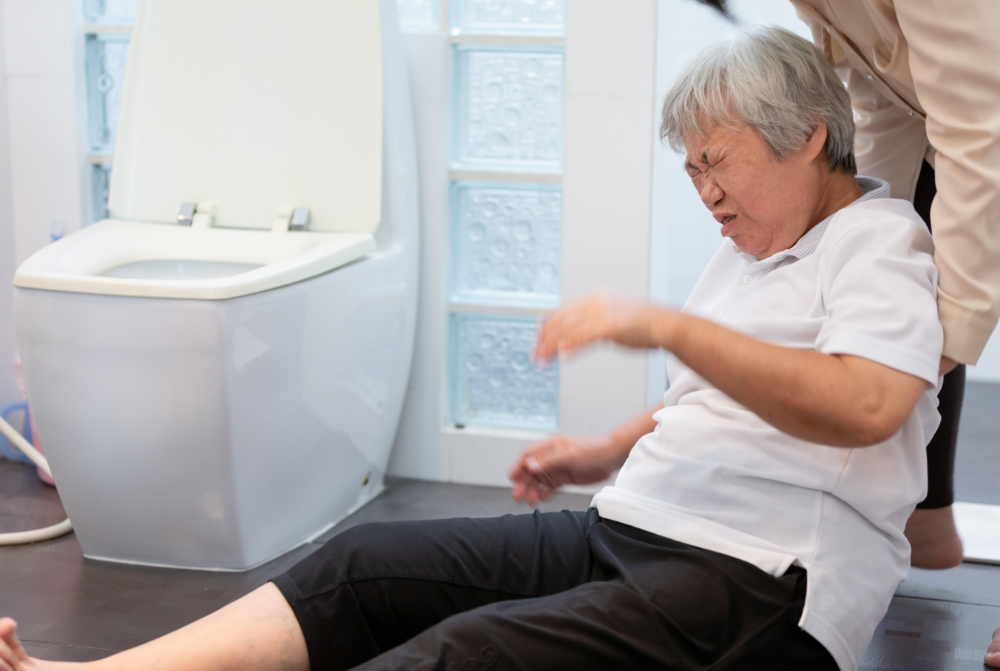
Falls are the most common cause of injury among people aged 65 and older. The risk of dying as a result of a fall increases with age.
The tests provided only a snapshot
Participants’ physical abilities were assessed at a single point in time. The researchers therefore did not track changes in their strength, balance, agility and fitness over the years.
Also read: Sleeping with the lights on may be changing the structure of your heart
The findings do not prove cause and effect
The study was observational. It therefore cannot establish that poor test results directly lead to a higher risk of death.
The findings may not apply to everyone

Most participants had a BMI within the normal range. The findings may therefore not necessarily apply to older adults with frailty or chronic illnesses.
At-home testing requires caution
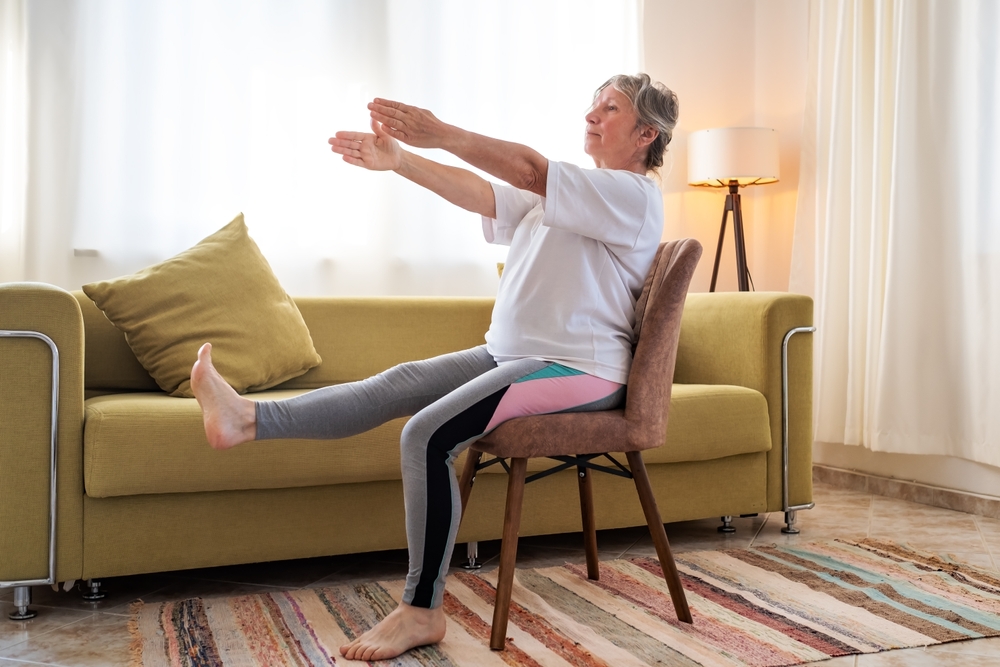
The tests can be tried using a stable chair and sufficient space.
However, people with pain, poor balance or a history of falls should speak to a doctor before attempting unsupported or timed challenges.
Also read: What to expect when getting checked for prostate cancer
The tests can highlight areas for improvement
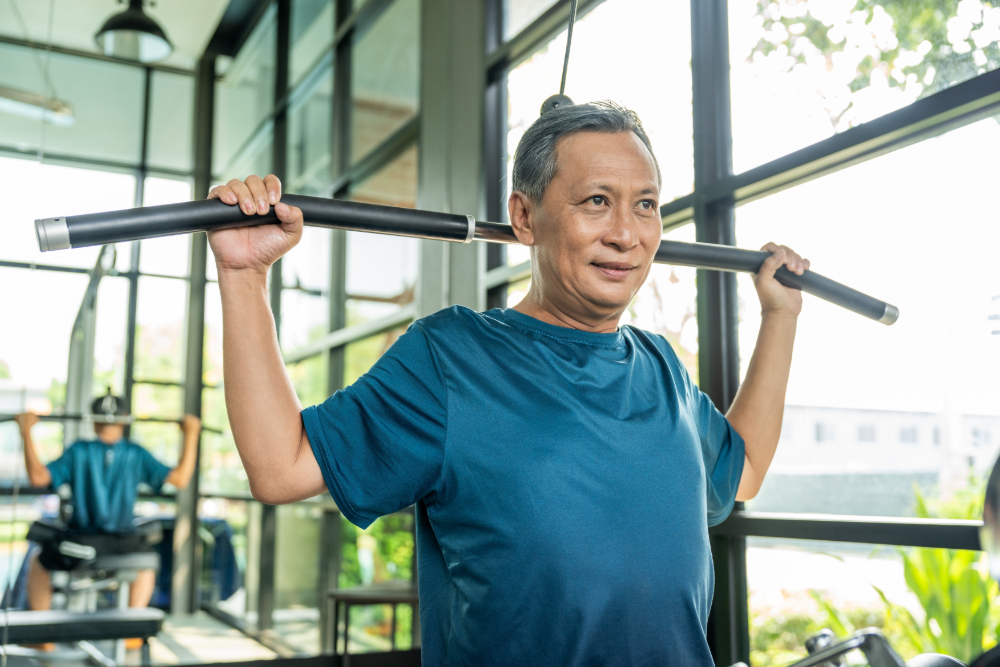
The results may make it easier to identify physical abilities that could be beneficial to work on.
However, the tests cannot replace regular cardiovascular exercise and strength training, both of which are associated with healthier ageing.
This article is made and published by Ida-Marie Palm Varbæk, who may have used AI in the preparation.