
Not getting enough sleep can make the body more sensitive to pain and increase the risk of both migraines and tension headaches.
Fortunately, several sleep habits can help prevent the problem, according to Healthline.
Migraines can cause severe symptoms
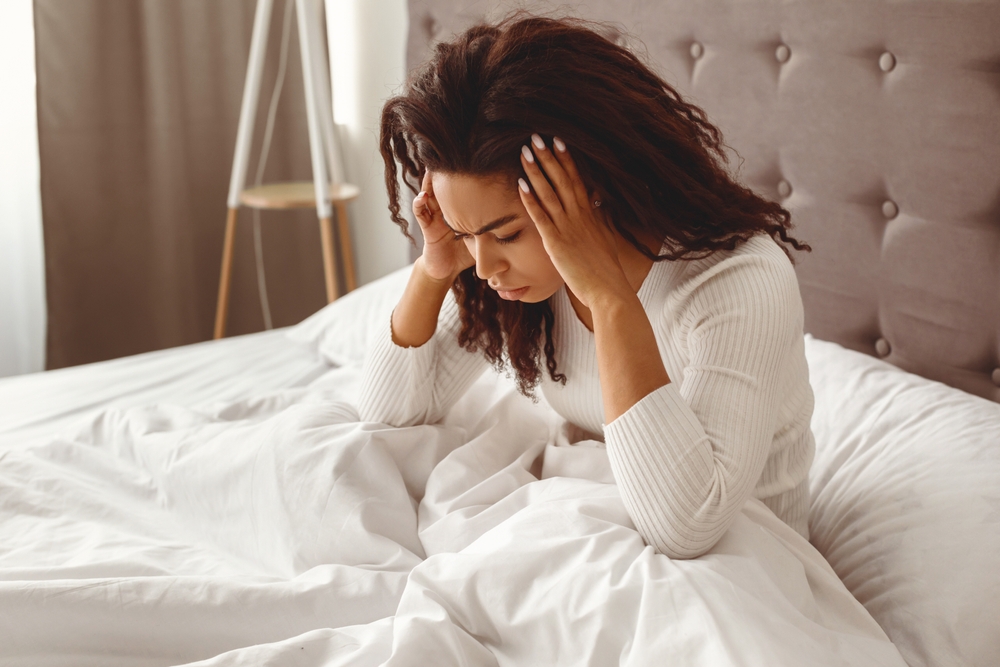
Migraines can cause significant and, in some cases, debilitating pain.
The pain often affects one side of the head and can last from several hours to several days. It may also be accompanied by sensitivity to light and sound, nausea and vomiting.
Also read: Four-year study links vitamin D to slower biological aging
Tension headaches feel different
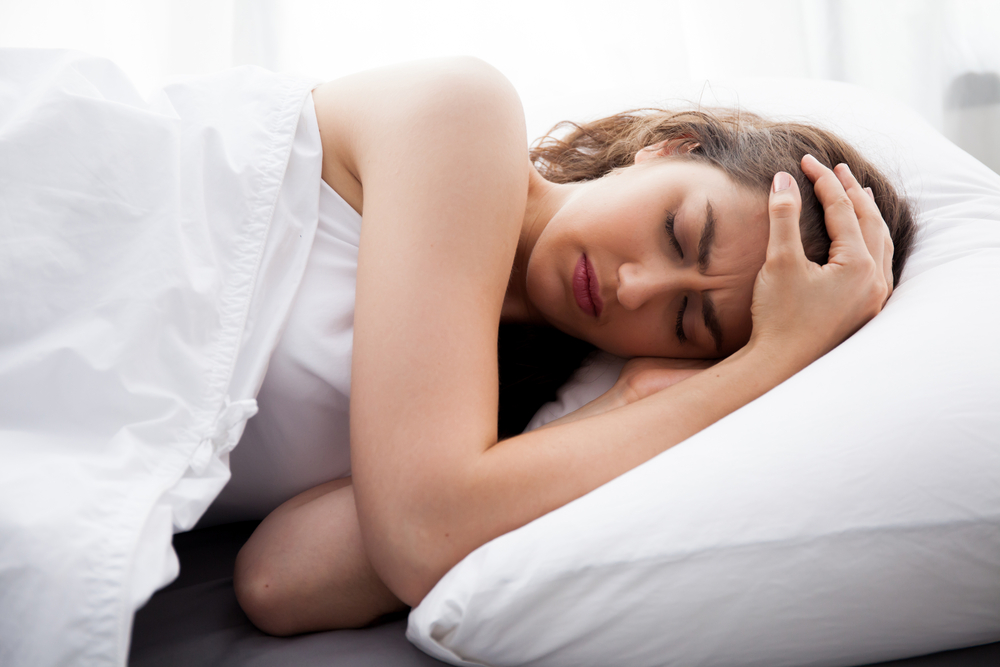
Tension headaches typically cause mild to moderate pain at the top, sides and back of the head. The condition is not usually made worse by light or sound.
Keep a consistent sleep schedule
Try to go to bed and wake up at the same times every day. A consistent sleep schedule can make it easier for the body to get enough sleep and feel more rested.
Avoid caffeine before bedtime

Caffeine can make it harder to fall asleep. It is recommended to avoid caffeine, as well as alcohol and nicotine, for four to six hours before bedtime.
Keep the bedroom dark
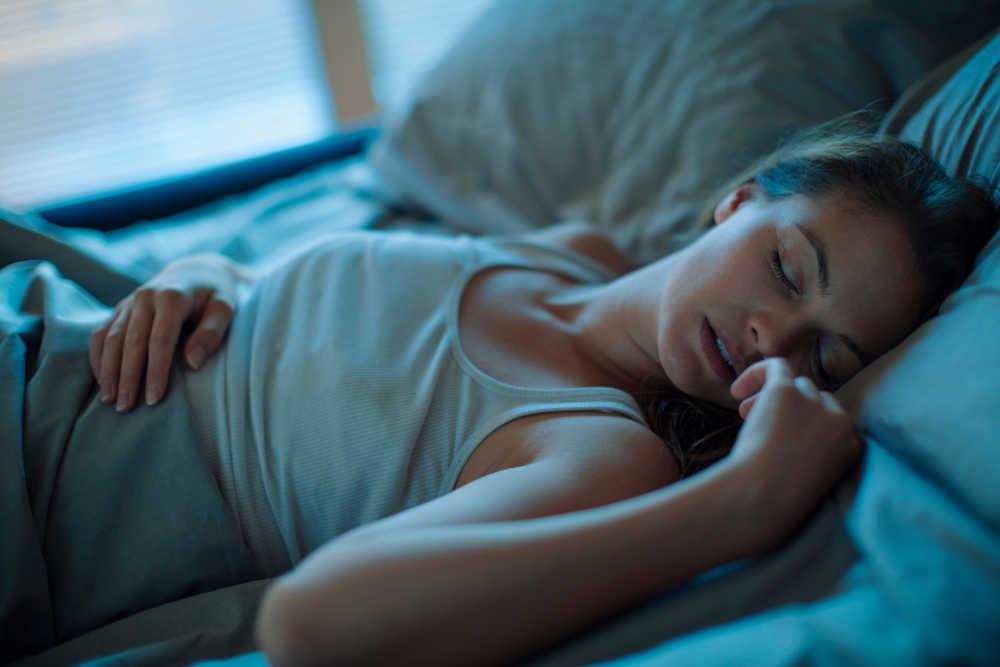
A good sleeping environment can improve sleep. The bedroom should be dark, quiet, comfortable and cool without being cold.
Also read: Suspected poisoned alcohol has killed at least 48 people
Exercise earlier in the day

Regular exercise can contribute to a better night's sleep. However, exercising close to bedtime can keep you awake, so try to exercise at least three hours before going to bed.
Eat a light meal in the evening

A lighter evening meal can reduce the risk of digestive problems or a sudden boost of energy that could make it harder to sleep.
Get enough daylight

Too little light during the day can make you more tired and affect the body's natural sleep-wake cycle.
Remove electronics from the bedroom

Remove items that can disrupt sleep or cause stress. This includes televisions, computers and work-related materials.
Also read: New higher-dose Wegovy helped nearly half of people lose over 20% of their body weight
Create a consistent bedtime routine
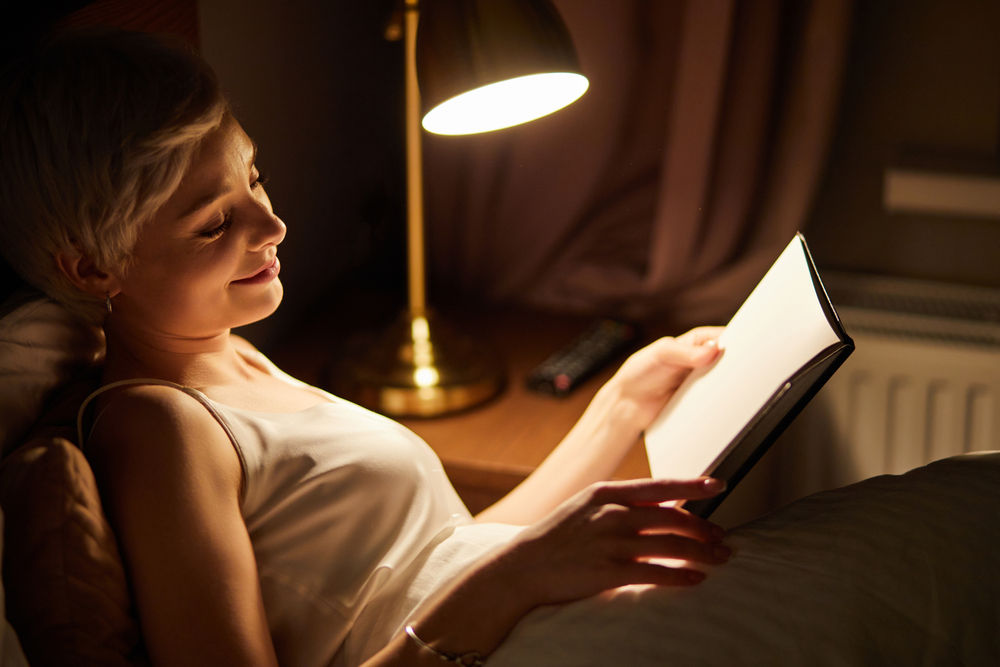
A relaxing routine can help the body wind down before bed. For example, you can read a book, meditate or take a bath instead of looking at electronic screens.
Go to bed only when you are tired
You do not need to force yourself to sleep at a particular time if you are not tired. Lying awake in bed can lead to stress and frustration.
Limit fluids before bedtime

Avoid drinking too much just before going to bed. Otherwise, the need to use the bathroom could disrupt your sleep during the night.
Adults typically need 7 to 9 hours
Most healthy adults between the ages of 18 and 64 need seven to nine hours of sleep per night. For most adults, getting less than seven hours of sleep is considered insufficient.
Also read: Two strength sessions a week may cut your Alzheimer's death risk by 27%
Lack of sleep can make you more sensitive to pain

A clear link has been found between lack of sleep and both migraines and tension headaches.
Too little sleep appears to lower the body's pain threshold, making it more susceptible to headaches.
Heat and cold can relieve tension headaches
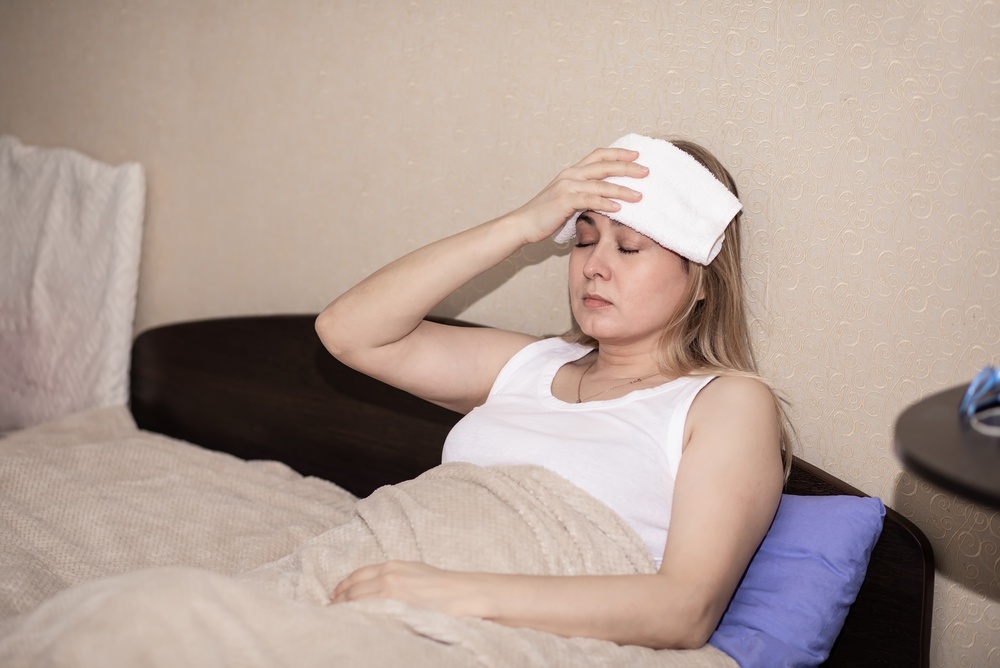
Applying a warm or cold compress to the head for five to ten minutes at a time can help relieve pain caused by tension headaches.
A dark room can help with migraines
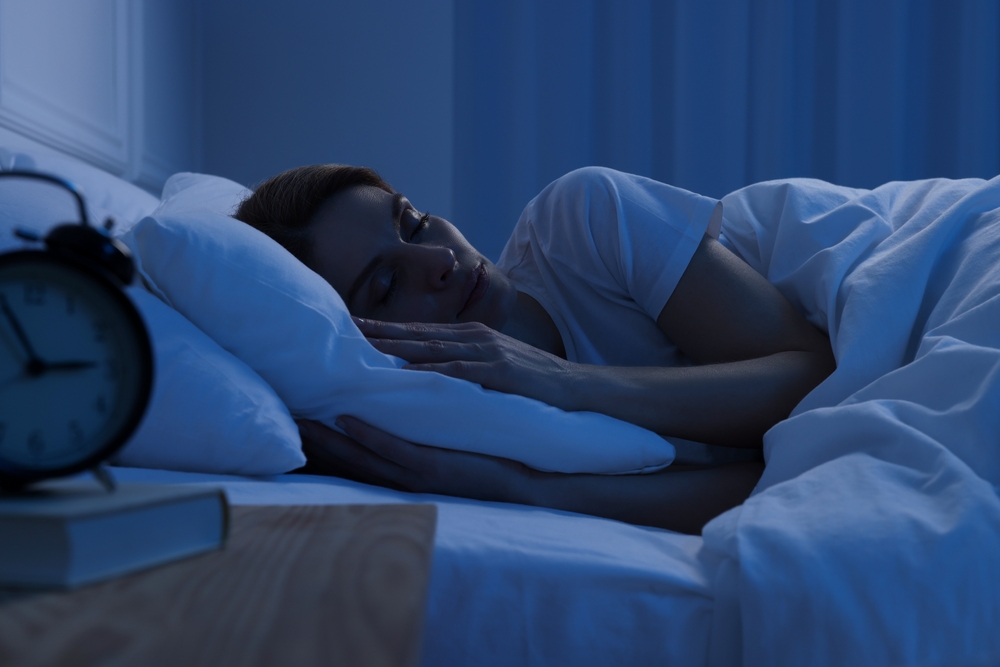
When experiencing migraine symptoms, resting in a dark and quiet room can help.
Also read: New research: These habits may affect your biological aging
A cool compress on the neck and a gentle massage of painful areas of the forehead may also relieve symptoms.
Relaxation can help with headaches
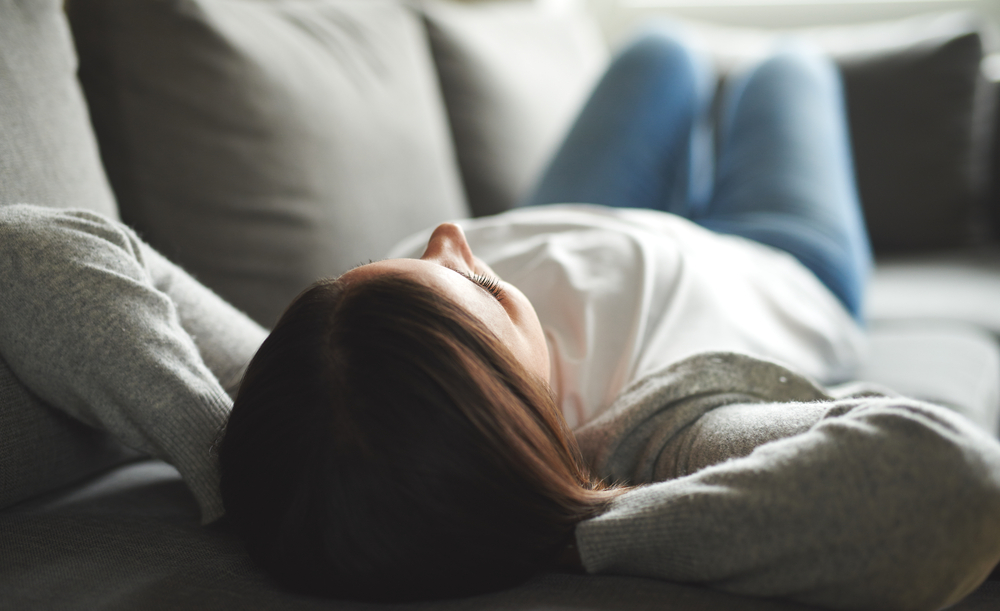
Reducing stress through exercise, relaxation techniques or therapy can help manage tension headaches.
Relaxation techniques are also mentioned as an option for migraines.
Medication can be used for headaches

Pain relievers such as aspirin, ibuprofen and naproxen can reduce the discomfort caused by tension headaches.
For migraines, different types of over-the-counter and prescription medications may be used depending on the symptoms.
This article is made and published by Ida-Marie Palm Varbæk, who may have used AI in the preparation.