
Energy drinks are often marketed as a quick way to boost focus and performance. However, research and case reports suggest that frequent and excessive consumption may have consequences for liver health.
The role of the liver
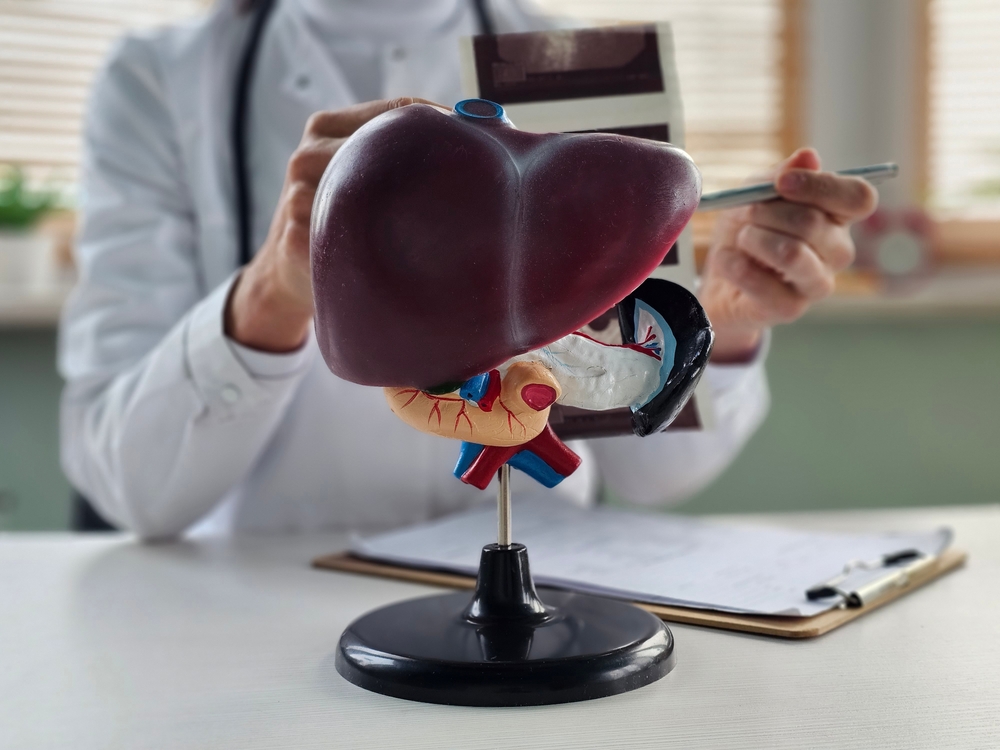
The liver regulates the chemical balance of the blood, supports metabolism and protein production, filters waste products, and produces bile to aid digestion. When you consume energy drinks, the liver processes caffeine and other active ingredients.
Potential liver damage
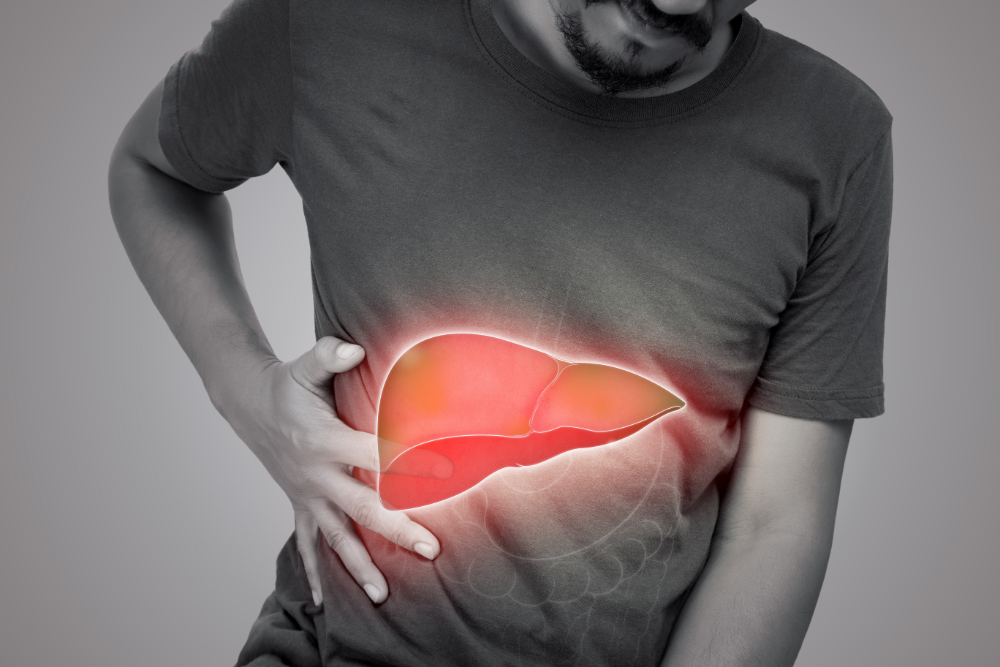
Studies and medical case reports have linked heavy and daily energy drink intake with liver damage and disease.
High sugar content
A single serving typically contains 20 to 30 grams of sugar. Regular intake of sugar sweetened beverages increases the risk of non alcoholic fatty liver disease, which may progress to cirrhosis or liver cancer.
Also read: Study finds connection between soda and anxiety
Vitamin B3 levels
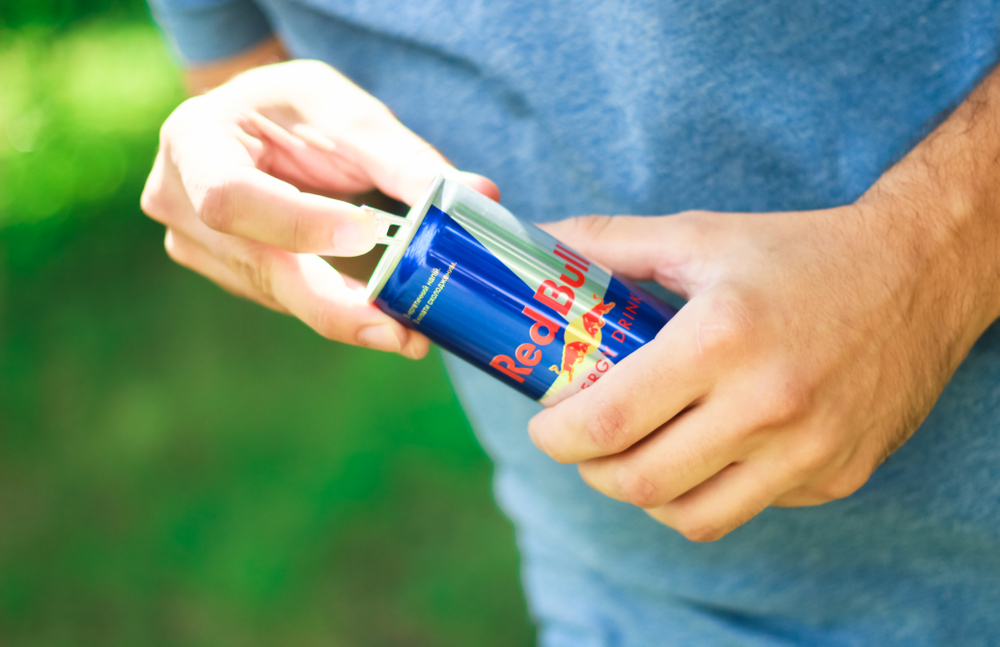
Energy drinks contain significant amounts of niacin, also known as vitamin B3. Very high doses of niacin have been associated with liver injury in research.
Herbal stimulants
Ingredients such as guarana and taurine are commonly included. More research is needed, but high amounts may pose risks.
Lower urea levels
Research has found that people consuming one or more energy drinks daily had lower blood urea concentrations, which can be a marker of liver damage.
Acute liver failure
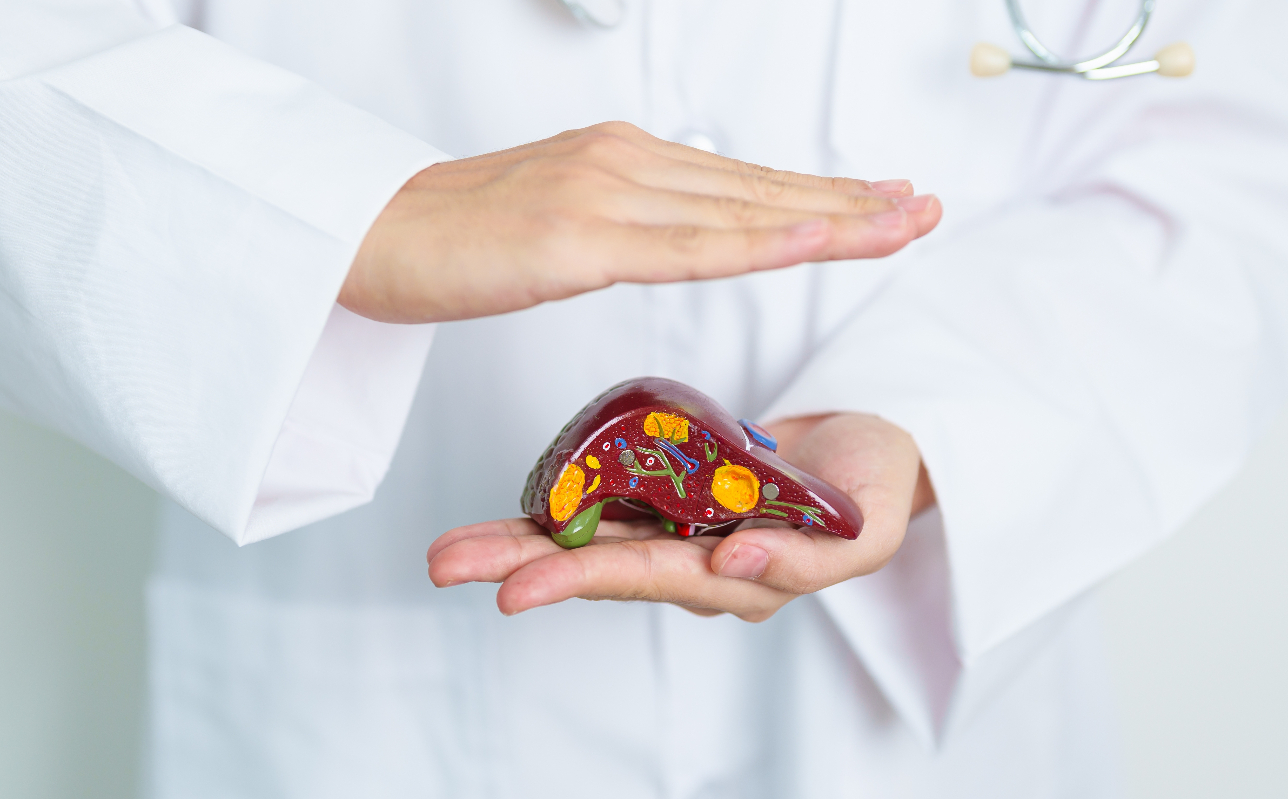
One reported case described a man who drank three cans daily for a year and developed acute liver failure with tissue death, requiring a liver transplant.
Also read: Study links GLP-1 drugs to higher risk of hair loss
Hepatitis cases
Another case involved a man who consumed four to five energy drinks per day and developed acute hepatitis.
Caffeine content

Energy drinks may contain between 150 and 300 milligrams of caffeine per serving. Drinking two or more per day can approach or exceed the recommended daily limit of 400 milligrams.
Excess sugar intake
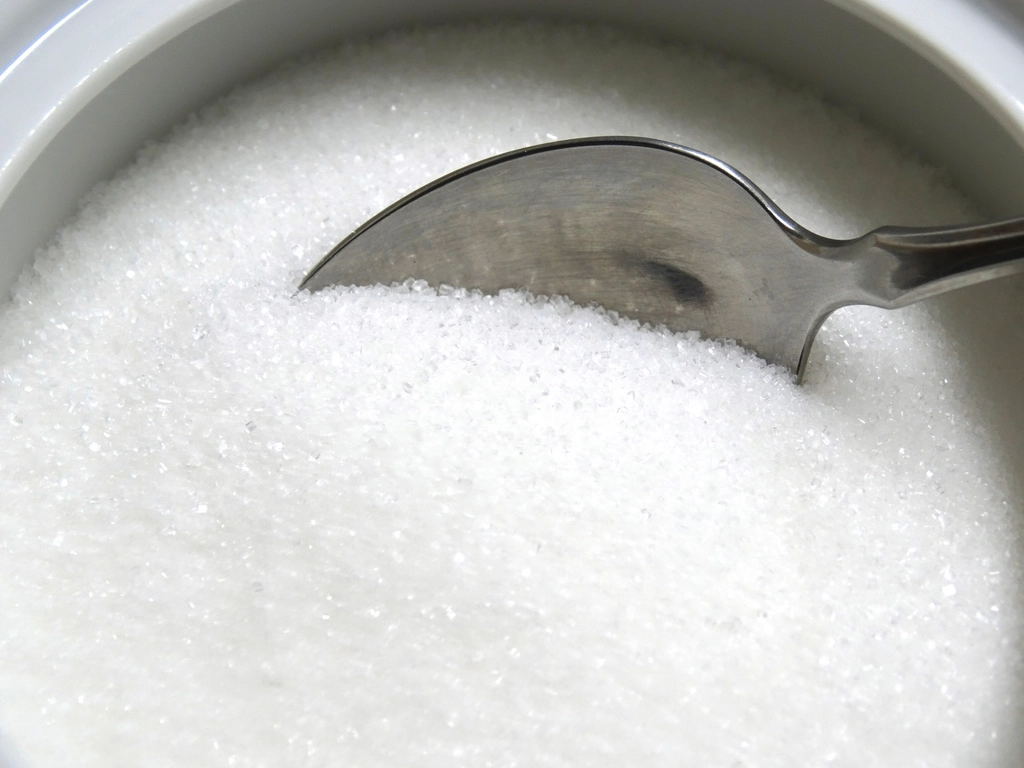
An average can contains about 26.3 grams of sugar, representing 73 percent of the recommended daily intake for men and more than 100 percent for women.
Additional health risks
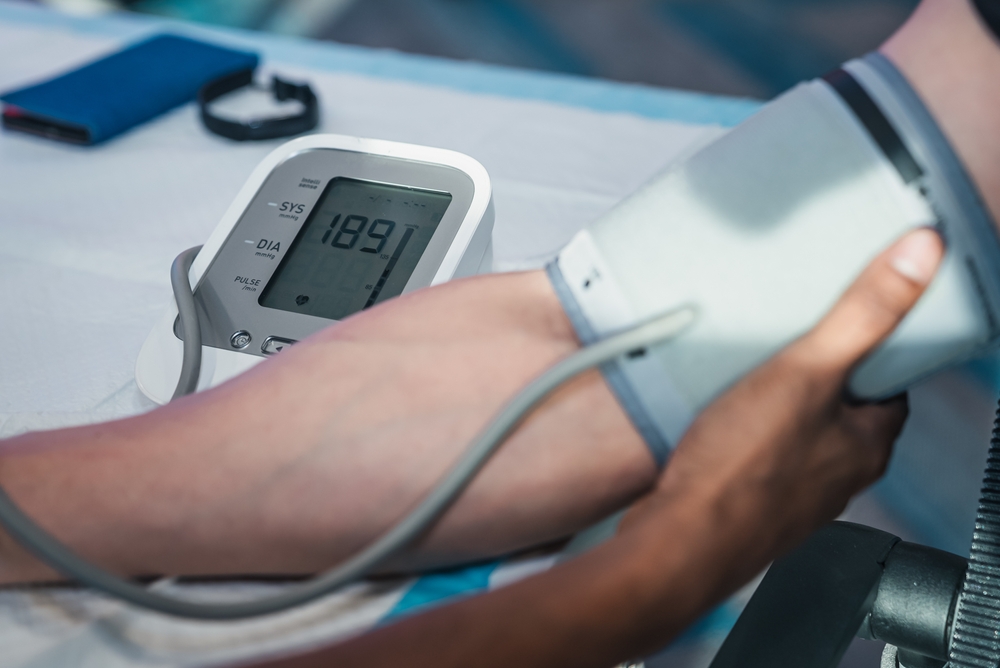
High sugar and caffeine consumption have also been linked to obesity and high blood pressure.
Also read: These foods may be ruining your sleep
Symptoms of liver damage
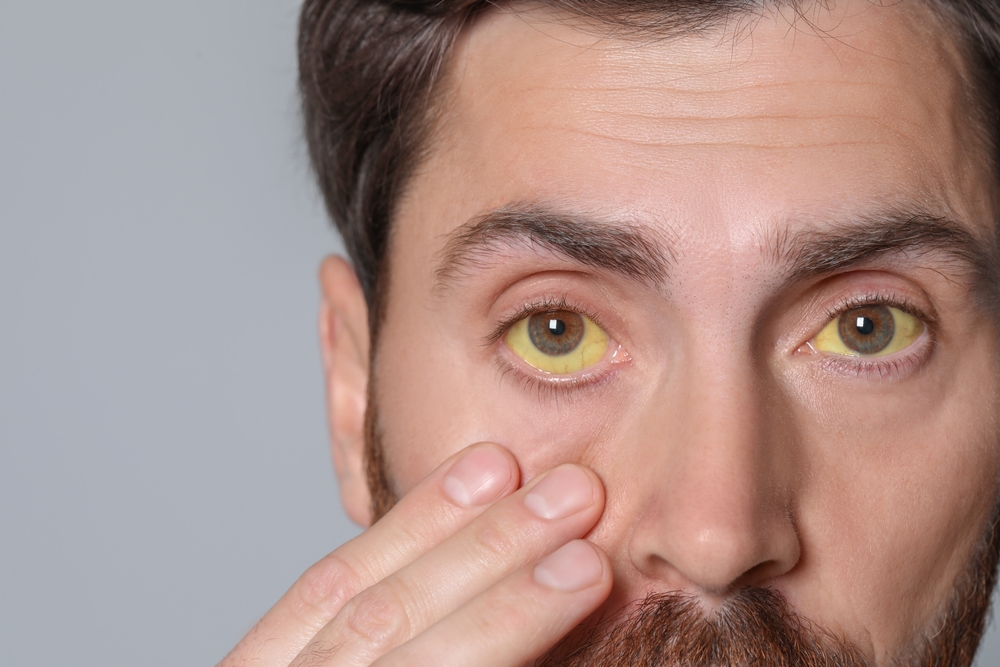
Warning signs can include dark urine, yellowing of the skin and eyes, fatigue, nausea, swelling in the abdomen or limbs, unexplained weight loss, and difficulty concentrating.
Sources: Verywell Health, NIH and ACG journals