
New weight loss medicines are reshaping obesity treatment worldwide. But researchers warn that many users receive little guidance on nutrition. This could create avoidable health risks during and after weight loss.
Strong appetite suppression

Medicines such as Ozempic and Wegovy significantly reduce appetite and increase feelings of fullness. As a result, many people eat far less than they did before starting treatment.
Large calorie reduction

Research shows that calorie intake can fall by 16 to 39 percent while using these drugs. This helps explain their effectiveness for people living with overweight and obesity.
Risk to diet quality
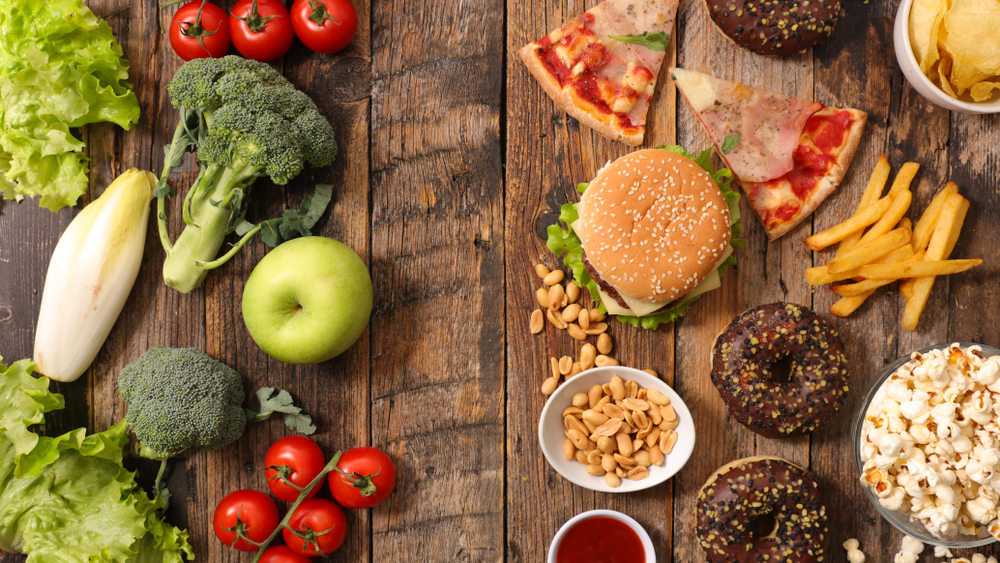
When overall food intake drops, the nutritional quality of the diet may suffer. Experts warn that users may not consume enough protein, vitamins, and minerals.
Also read: Here is the age when the risk of cardiovascular disease begins to increase
Loss of muscle mass

Available evidence suggests that lean body mass, including muscle, can account for up to 40 percent of total weight loss during treatment.
Limited nutrition guidance

Researchers found little high quality evidence on how nutrition advice is delivered alongside these medicines. Many users receive minimal or no structured dietary support.
Public health recommendations
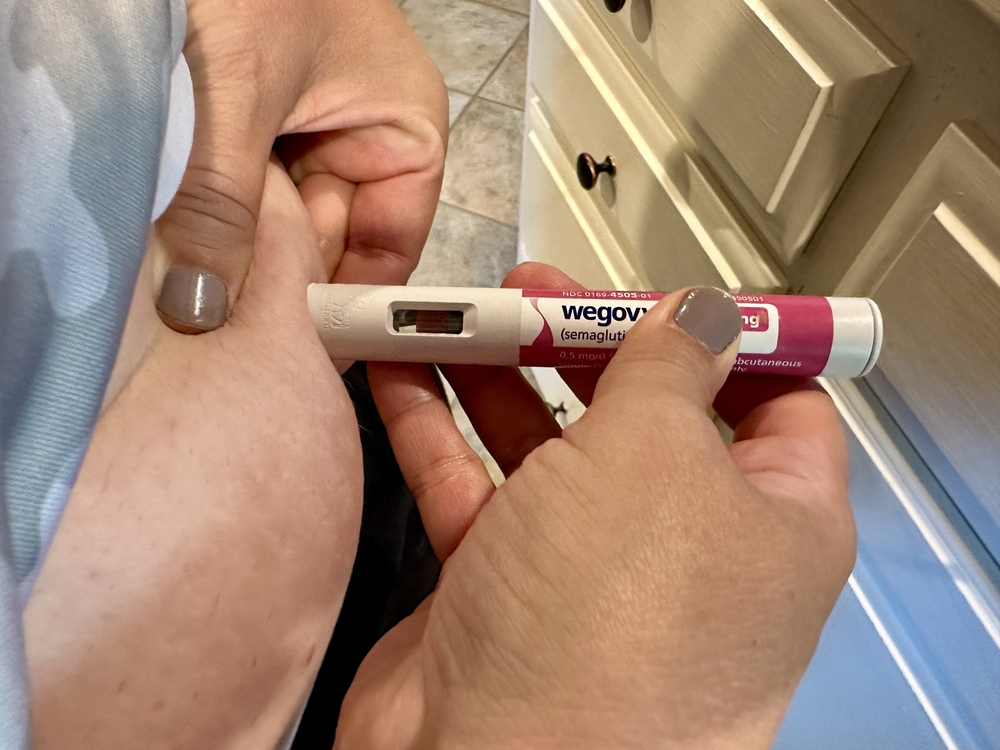
Guidance from health authorities recommends semaglutide only for people who meet specific criteria. When prescribed publicly, it should be combined with diet changes and physical activity.
Widespread private access
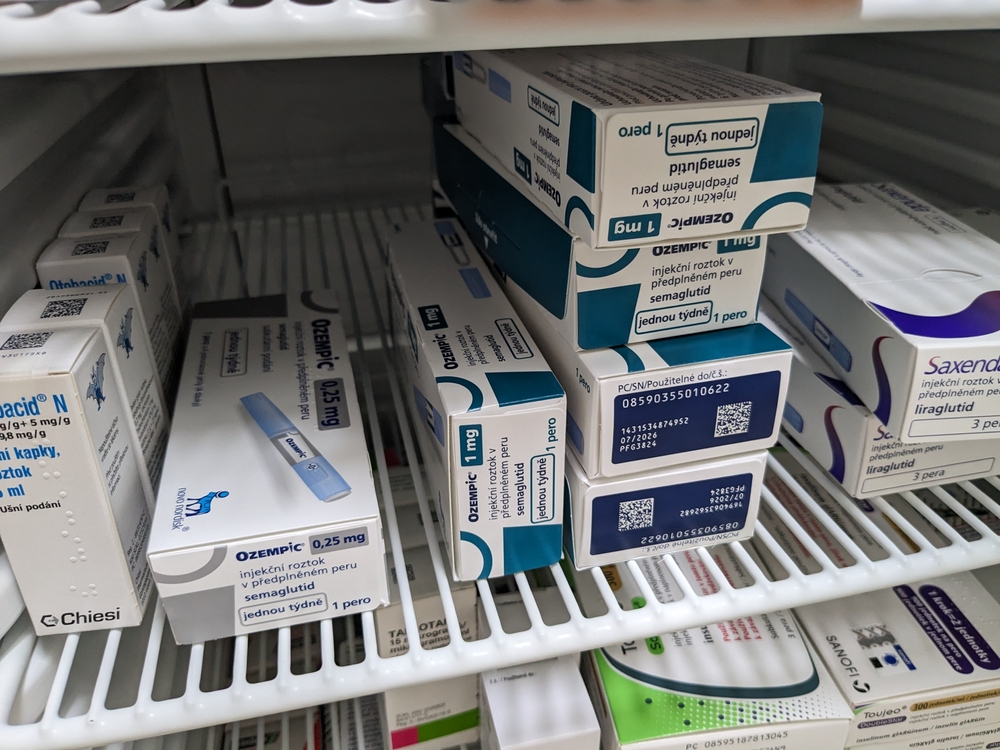
Most people using GLP 1 medicines obtain them outside public health systems. In these settings, nutrition advice and follow up are not always provided.
Also read: New study explores a method to attack cancer without harming healthy cells
Health effects of deficiencies

Low intake of key vitamins and minerals can increase the risk of fatigue, weakened immunity, hair loss, and osteoporosis.
Gaps in current research
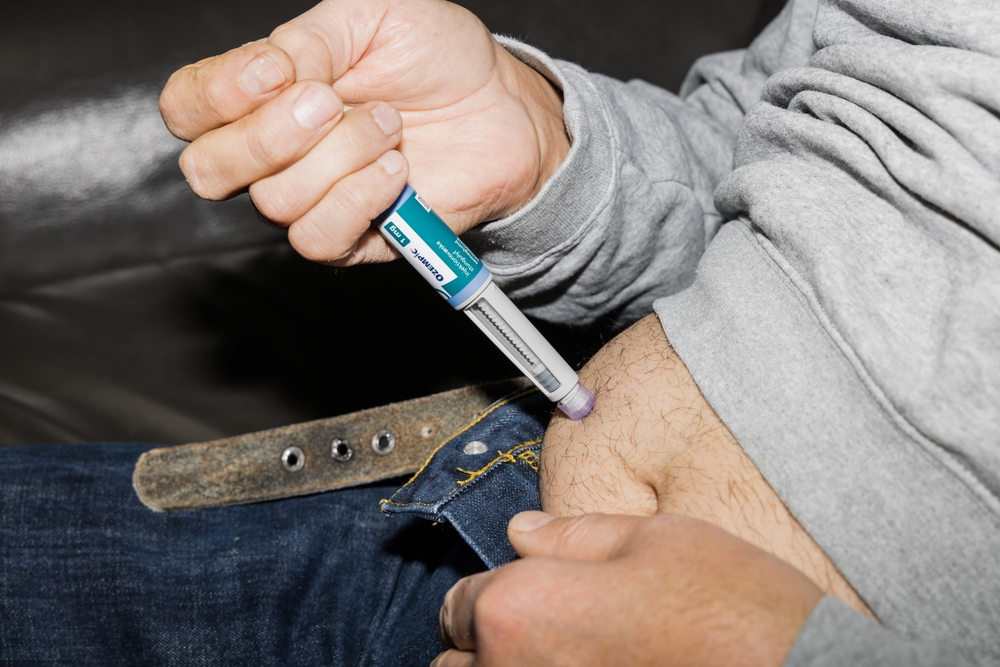
Only 12 studies were identified that examined diet and nutrition during treatment with semaglutide or tirzepatide. Differences in study design made firm conclusions difficult.
Lessons from bariatric care
Researchers suggest using nutrition principles from weight loss surgery. These focus on nutrient dense foods and adequate protein to help preserve muscle.
Fat intake patterns

Evidence does not support strict low fat diets with these medicines. Some observational studies found high intakes of total and saturated fat among users.
Also read: Why you cough - and how to get rid of it
Focus on real world experiences

A new research project aims to explore how people experience these drugs in daily life, including changes in eating habits, well being, and quality of life.
Sources: ScienceDaily og Wiley
Also read: These 8 fruits may help lower your blood pressure