
Many people experience some level of anxiety when it comes to air travel, whether it’s mild discomfort or a full-blown phobia.
Fortunately, mental health professionals and experienced pilots have shared strategies to help you feel more at ease in the sky.
Here are ten expert-backed tips to manage flight anxiety.
Understand the safety statistics
Commercial flying is one of the safest forms of travel. Every day, over 45,000 flights operate safely, transporting around 3 million passengers.
Statistically, the chances of being in a fatal plane accident are about 1 in 11 million – much lower than the risk of a car accident.
Keeping these numbers in mind can help put fears into perspective.
Learn about pilot training and aircraft maintenance
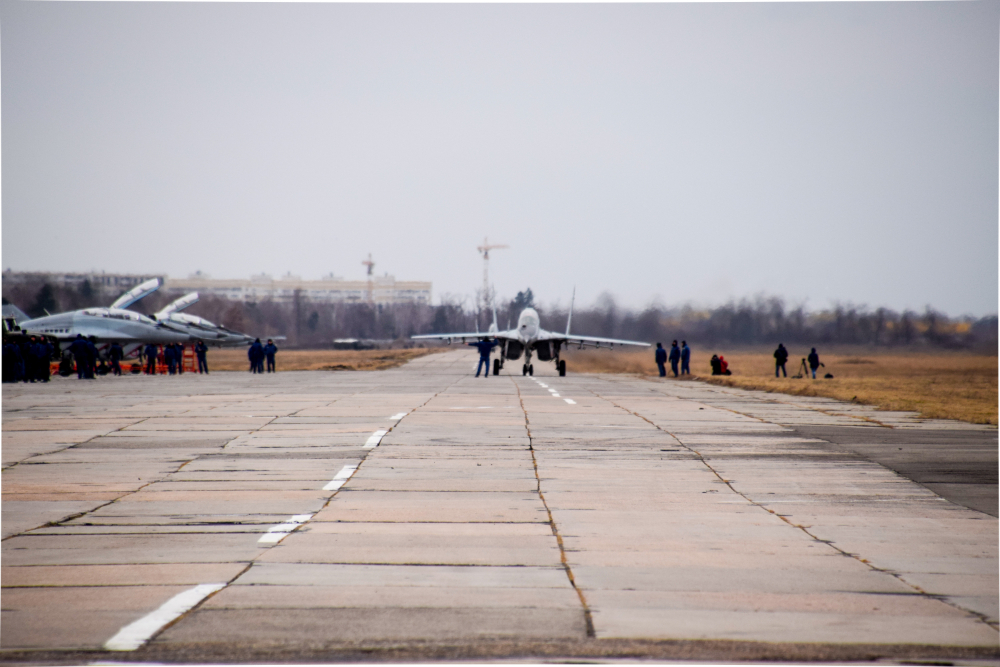
Pilots undergo extensive training, with most commercial airline pilots required to complete at least 1,500 flight hours before certification.
In addition, they go through recurrent training every six months to stay sharp. Planes are also rigorously maintained and inspected to ensure maximum safety.
Familiarize yourself with normal flight sensations
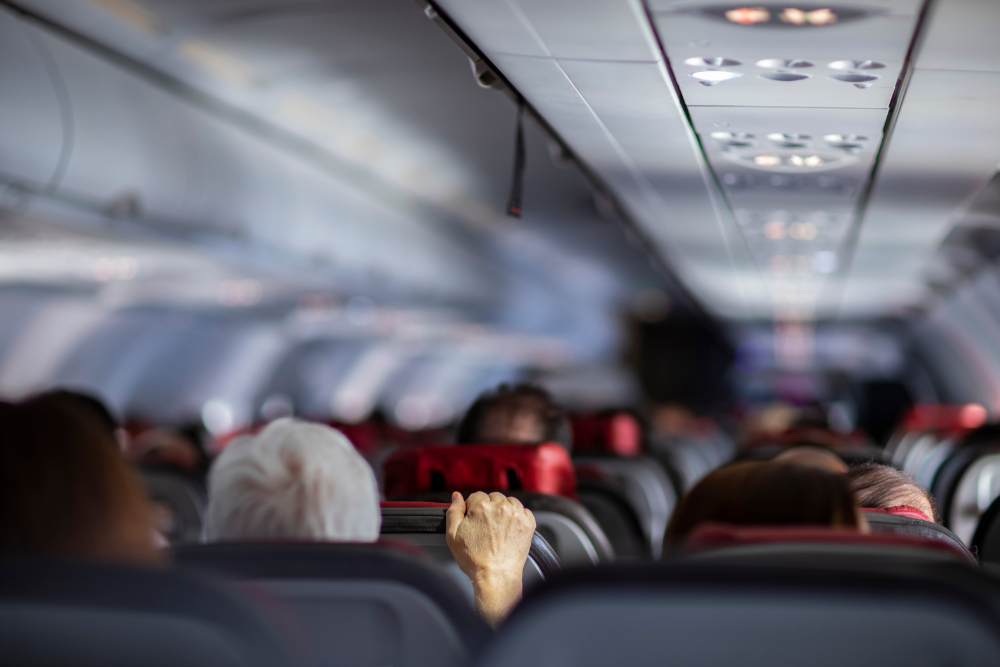
Unexpected noises and turbulence can trigger anxiety, but knowing what to expect can help.
Pilots and aviation experts emphasize that turbulence is a routine part of flying and not a sign of danger.
Aircraft are built to withstand it, and pilots are trained to navigate through it safely.
Practice relaxation techniques

Breathing exercises, meditation, and progressive muscle relaxation can help ease nerves.
Practicing these techniques before your flight can make it easier to implement them when you start feeling anxious.
Sensory tools like fidget toys, weighted blankets, or even listening to calming music can also help.
Focus on the destination

Instead of worrying about being on a plane, shift your mindset to the exciting experiences awaiting you at your destination.
Whether it’s a long-awaited vacation or an important business trip, focusing on the positive aspects of your journey can help reduce stress.
A productive or entertaining experience

Distracting yourself can make time pass more quickly. Bring a good book, download your favorite shows, play games, or listen to a podcast.
Treat the flight as an opportunity to unwind and enjoy activities you don’t always have time for.
Communicate with your travel companions
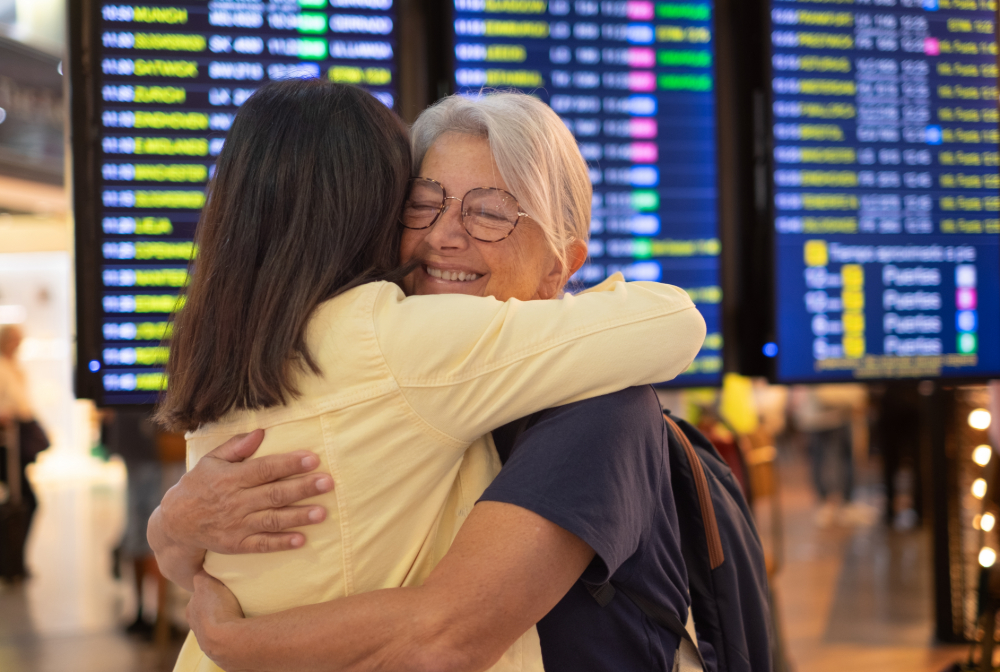
If you’re flying with friends or family, let them know how they can support you.
Avoid dismissive statements like, “Flying is safer than driving”, which can feel invalidating.
Instead, supportive words like “I’m here for you” or “Let me know how I can help” can make a difference.
Expose yourself to flying in small steps
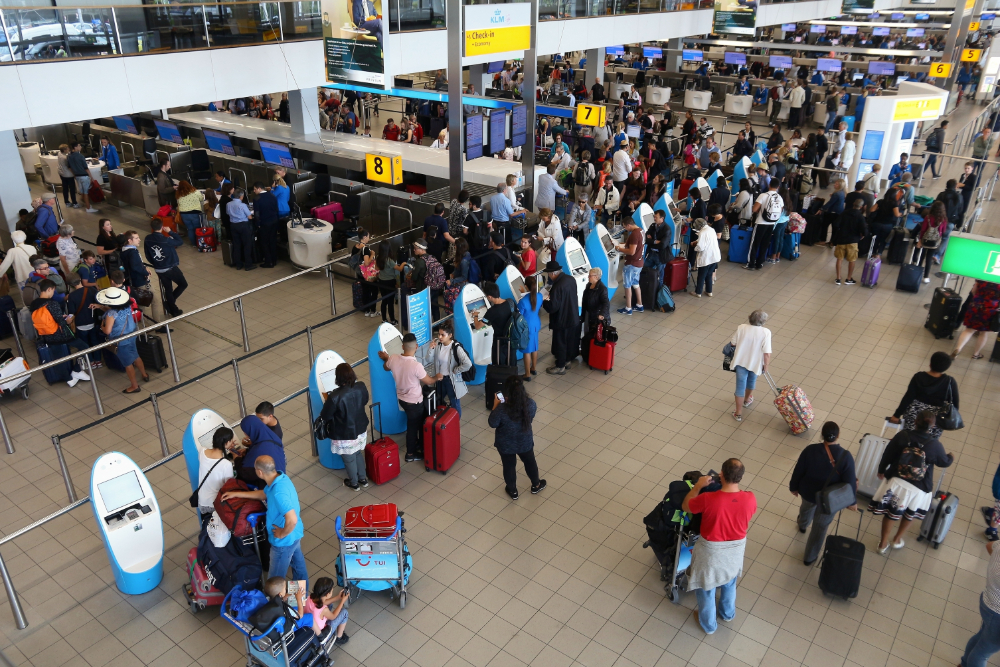
Gradual exposure therapy can help desensitize you to flying.
This could involve watching videos of takeoffs and landings, visiting an airport, or taking a short flight before committing to a longer journey.
Working with a mental health professional can make this process more structured and effective.
Use medication as a last resort

For severe flight anxiety, some people find medication helpful.
A doctor or therapist can prescribe short-term anti-anxiety medications if necessary, but they should be used alongside other coping techniques rather than as a sole solution.
Seek professional help if needed

If your fear of flying significantly impacts your life, consider therapy.
Cognitive-behavioral therapy and exposure therapy can help address negative thought patterns and gradually reduce fear.
Mental health professionals can also provide personalized strategies to help you feel more comfortable when flying.
This article is based on information from Health.com.
This article is made and published by Ida-Marie Palm Varbæk, who may have used AI in the preparation.