
Did you know that the ruby-red drink made from hibiscus flowers holds a wealth of health benefits?
Here are some good reasons why you should enjoy an extra glass of this tropical powerhouse.
Lowers blood pressure

A study shows that hibiscus can help lower both systolic and diastolic blood pressure. This is thanks to the plant’s natural vasodilating and antioxidant effects.
Packed with antioxidants
The flower’s deep red color comes from anthocyanins, powerful antioxidants that help protect your cells from damage and premature aging.
Also read: These Fabrics Will Keep You Cool All Summer Long
Reduces bad cholesterol
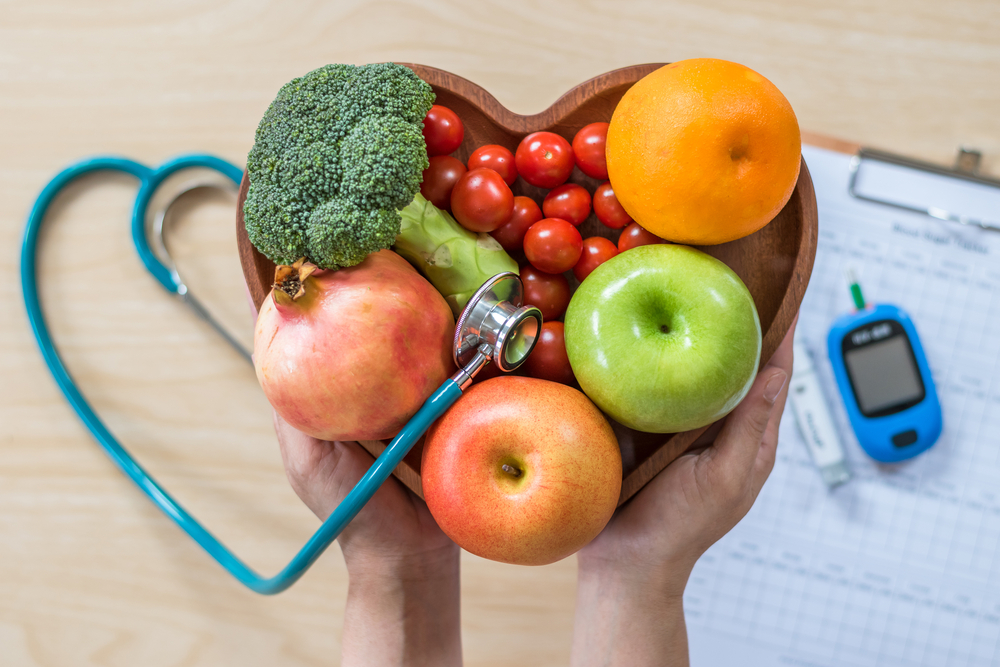
Regular consumption of hibiscus is linked to lower levels of LDL cholesterol and triglycerides, helping to keep arteries clear and the heart healthy.
Supports weight management
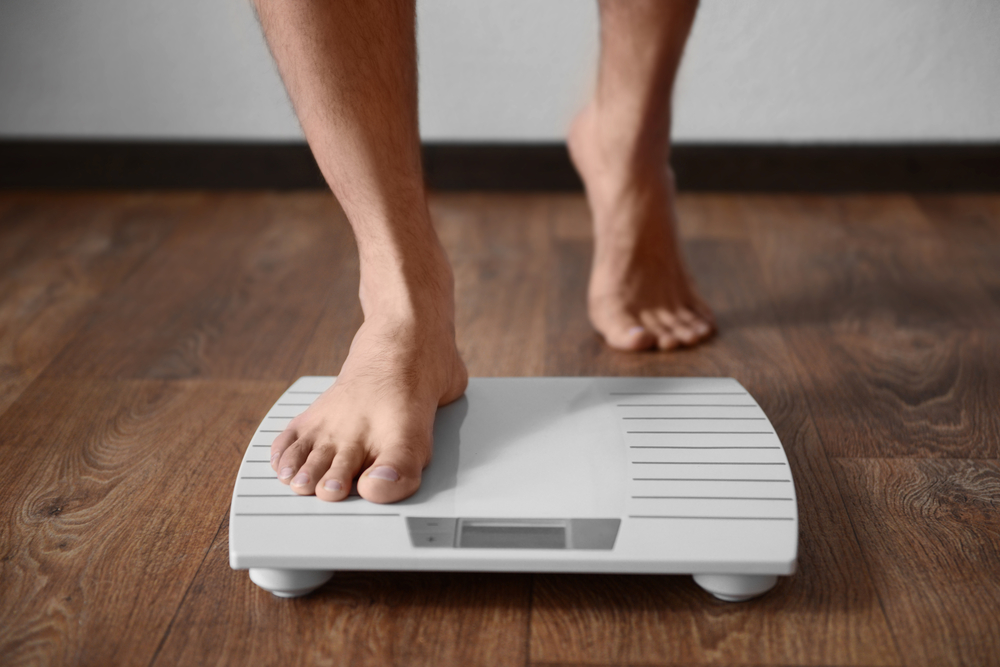
Hibiscus can help prevent fat buildup in the body and liver, making it a potential ally for maintaining a healthy weight.
Stabilizes blood sugar

Hibiscus extracts have shown effectiveness in lowering blood sugar levels and improving insulin sensitivity, supporting the prevention of type 2 diabetes.
Protects the liver
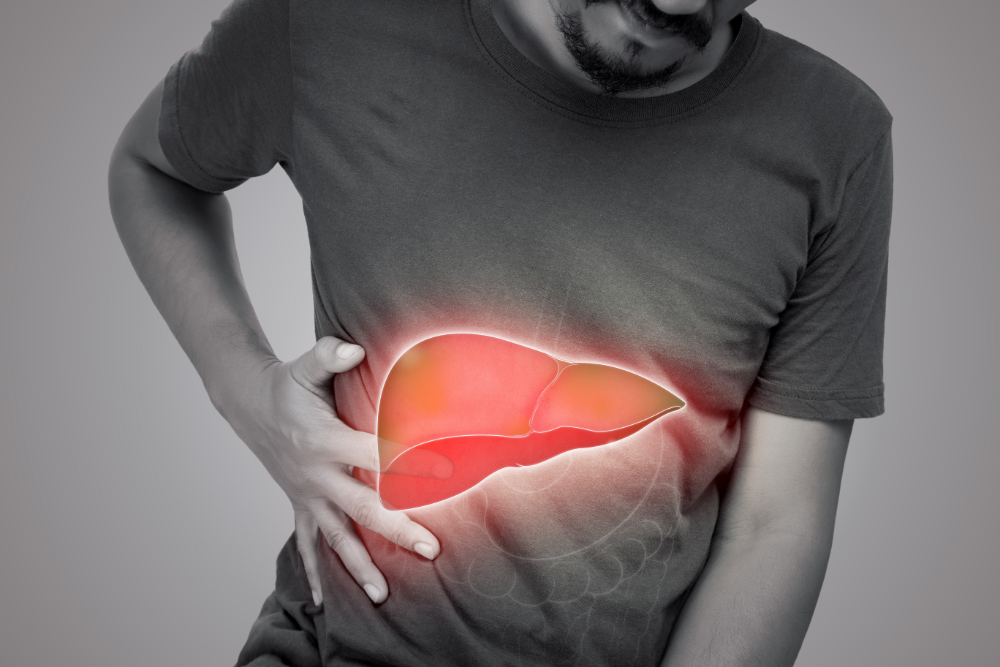
The plant’s bioactive compounds have a protective effect on the liver, helping to reduce damage caused by toxins and supporting the regeneration of liver cells.
Also read: You Must Never Ignore These Hidden Signs of Daibetes
Fights bacteria
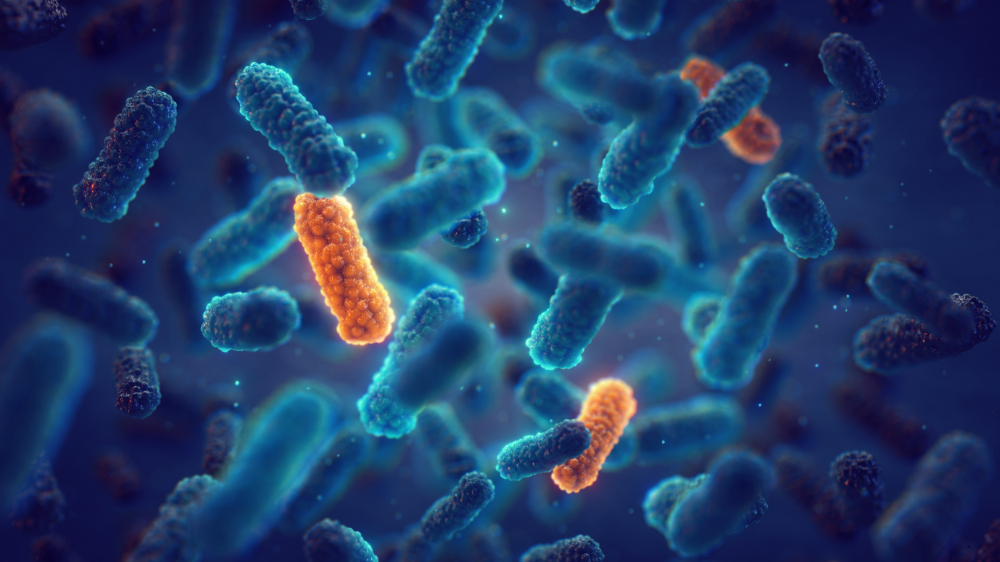
Hibiscus has proven antimicrobial and antifungal properties against bacteria like E. coli and Staphylococcus aureus, which backs up its traditional use in teas and foods.
Aids digestion
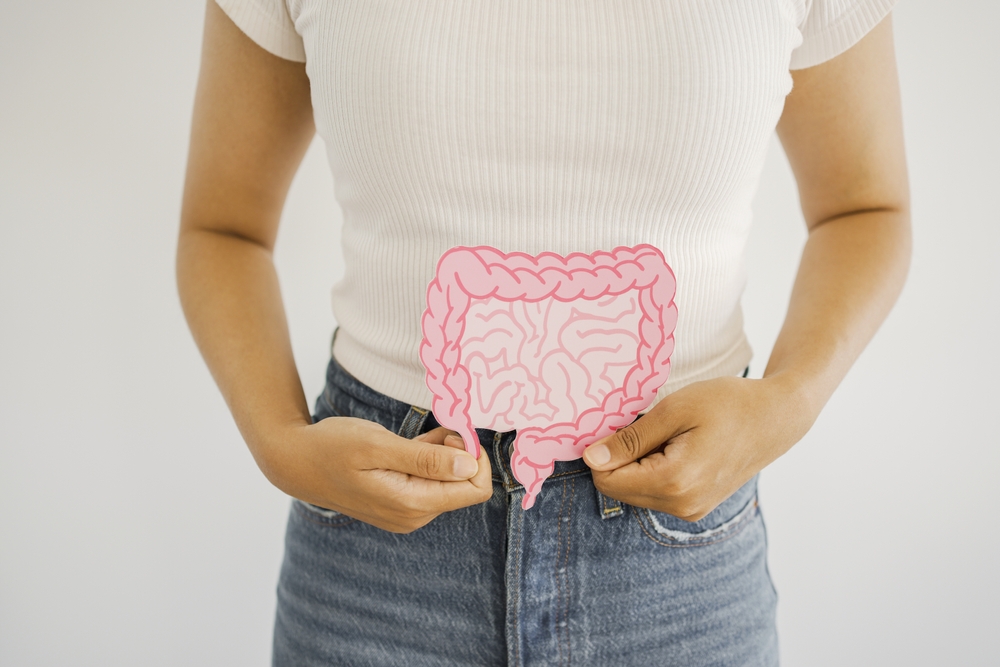
Thanks to its organic acids and fiber content, hibiscus can support healthy digestion and help prevent constipation.
Provides essential minerals

In addition to its active compounds, hibiscus is a natural source of minerals that strengthen the immune system and help maintain overall balance in the body.
Safe in moderation

Although hibiscus is generally safe to consume, it’s wise to enjoy it in moderation, especially for people with high blood pressure treatment, pregnant or breastfeeding women, or those with chronic conditions.
Also read: Harvard Neurologist Warns: These Sleep Habits Could Trigger Alzheimer’s
Artiklen er baseret på informationer fra Infobae.com.
Also read: Get Glowing Skin & a Strong Immune System With These Vitamin C-Rich Veggies
This article is made and published by Ida-Marie Palm Varbæk, who may have used AI in the preparation.