
Death is a universal human experience, but the process behind the body’s final moments is still surrounded by many questions.
Research is increasingly providing insight into what happens in the brain and body when life ends.
Here are some of the most important scientific explanations of the body’s final phase.
Death begins when the body’s functions stop
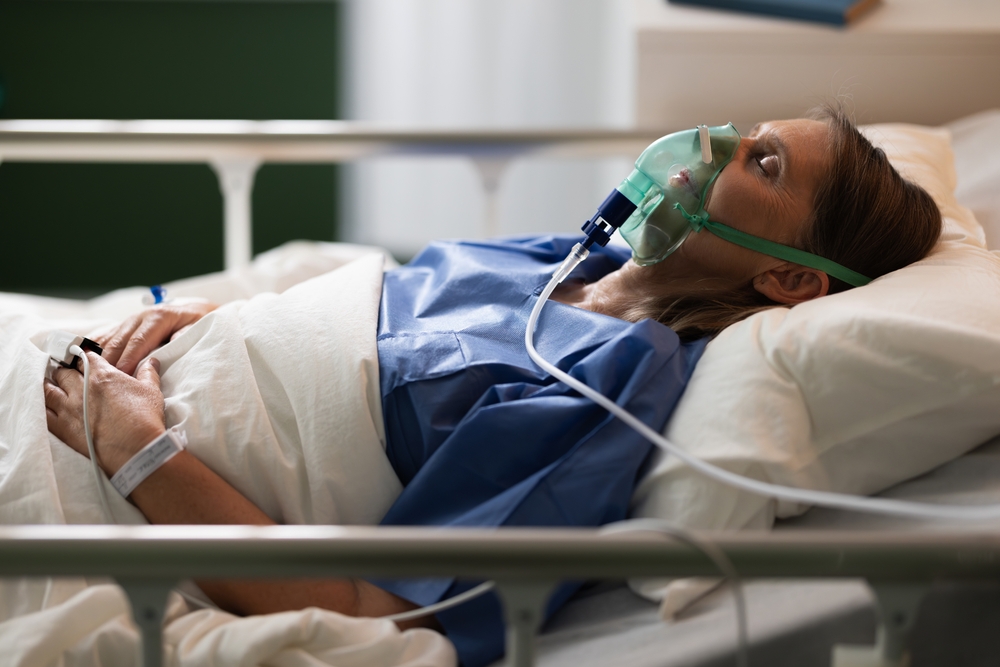
The biological process starts when the body can no longer maintain its vital functions.
Also read: Doctors outline key symptoms linked to kidney cancer
It often begins with organ failure, where several organs gradually stop working, for example during serious illness.
The heart stops and blood circulation ceases
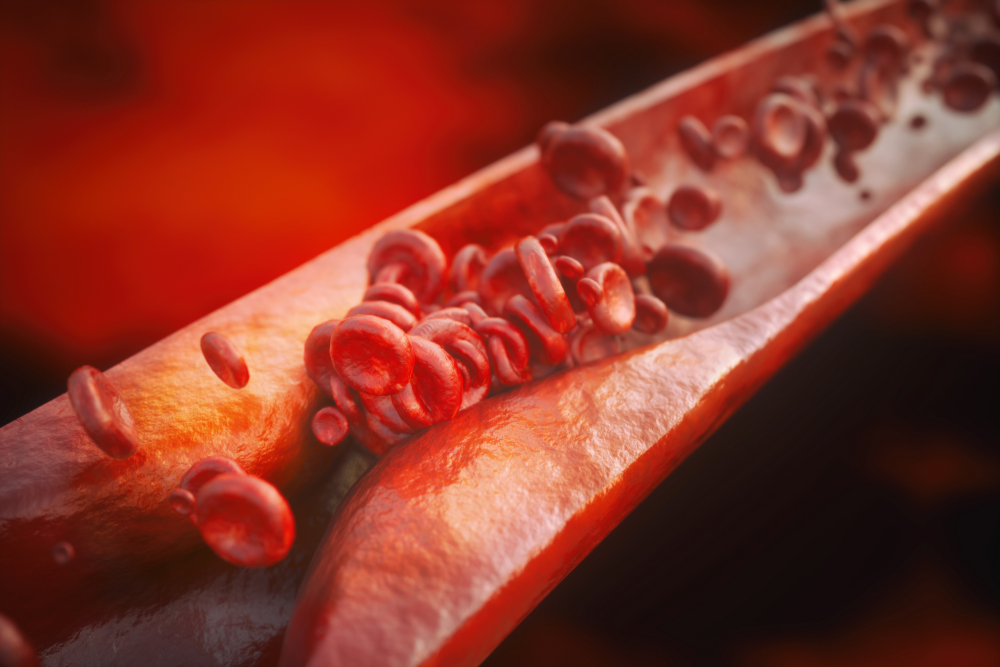
When the heart stops beating, blood circulation to the brain, lungs, and the rest of the body also stops.
This means the organs no longer receive the oxygen and nutrients they need.
The brain quickly begins to suffer damage without oxygen
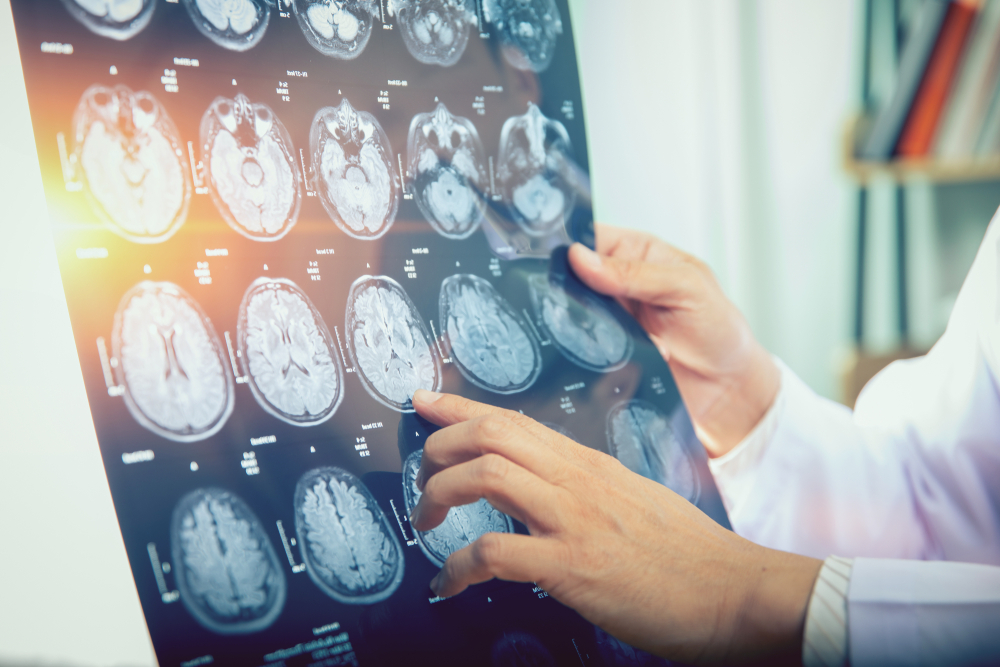
When the brain no longer receives oxygen, brain cells begin to die. After just a few minutes, the damage to the cells can become so extensive that it can no longer be repaired.
Also read: Changes in fingernails may indicate certain underlying health issues
Clinical death is followed by biological death
Clinical death is defined as the moment when the heart stops and breathing ceases.
If resuscitation is unsuccessful, biological death occurs, when the body’s decomposition begins.
The body begins a decomposition process
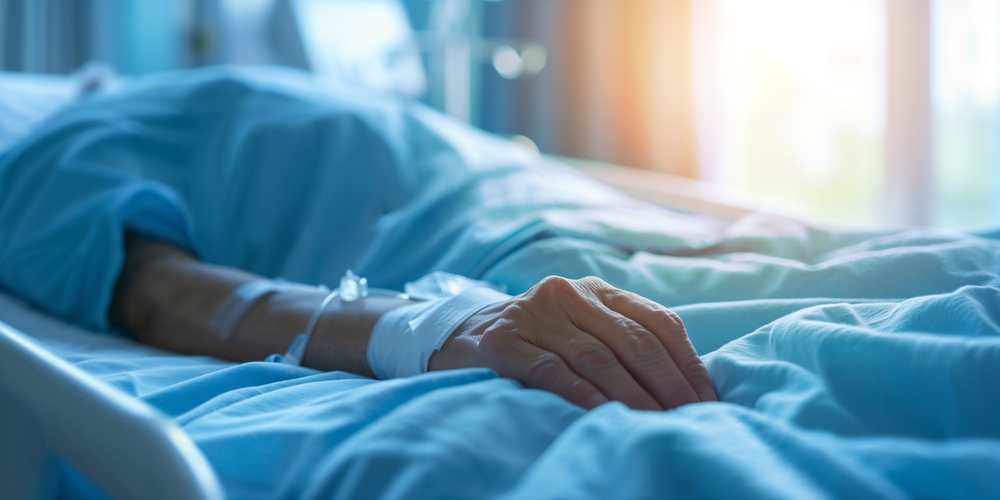
After death, the body enters a natural process in which tissues gradually break down. This process is called decomposition and is part of the body’s biological cycle.
Cells begin to break down
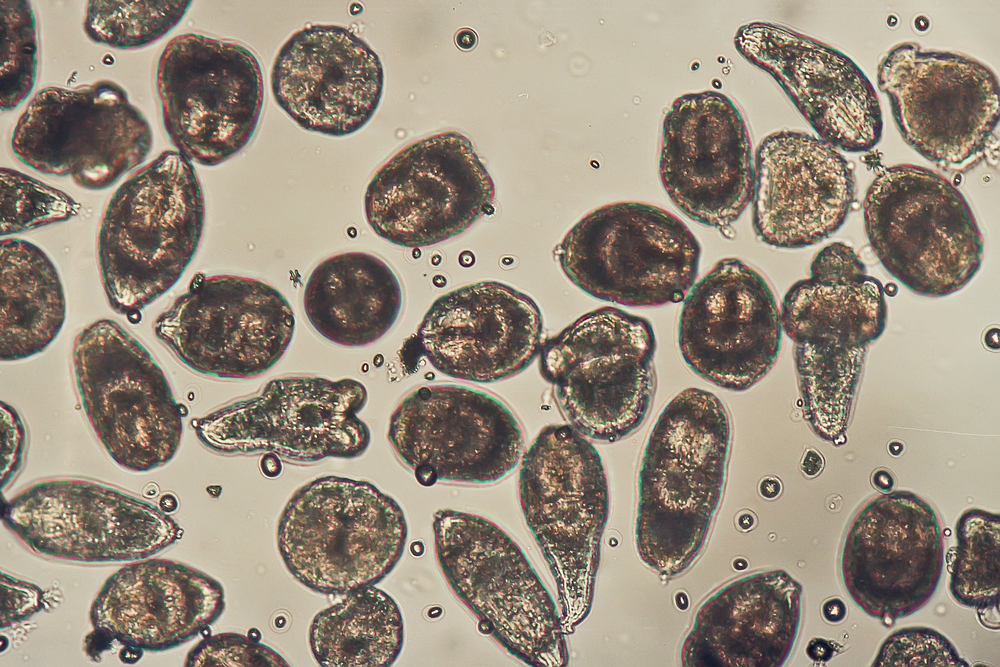
In the first stage, called autolysis, carbon dioxide accumulates in the cells. This creates an acidic environment where enzymes begin breaking down the cells from within.
Also read: How hummus can affect your body if you eat it often
Bacteria take over in the body
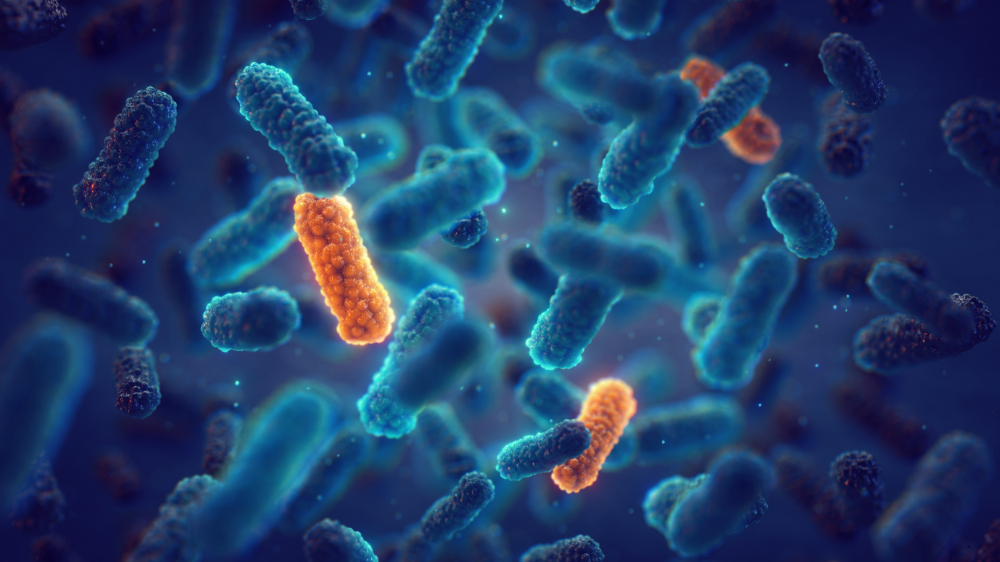
After autolysis, bacteria that were previously kept under control by the immune system begin breaking down the body’s tissues.
During this process, gases are produced that can cause the body to swell and develop strong odors.
The body can change color during decomposition
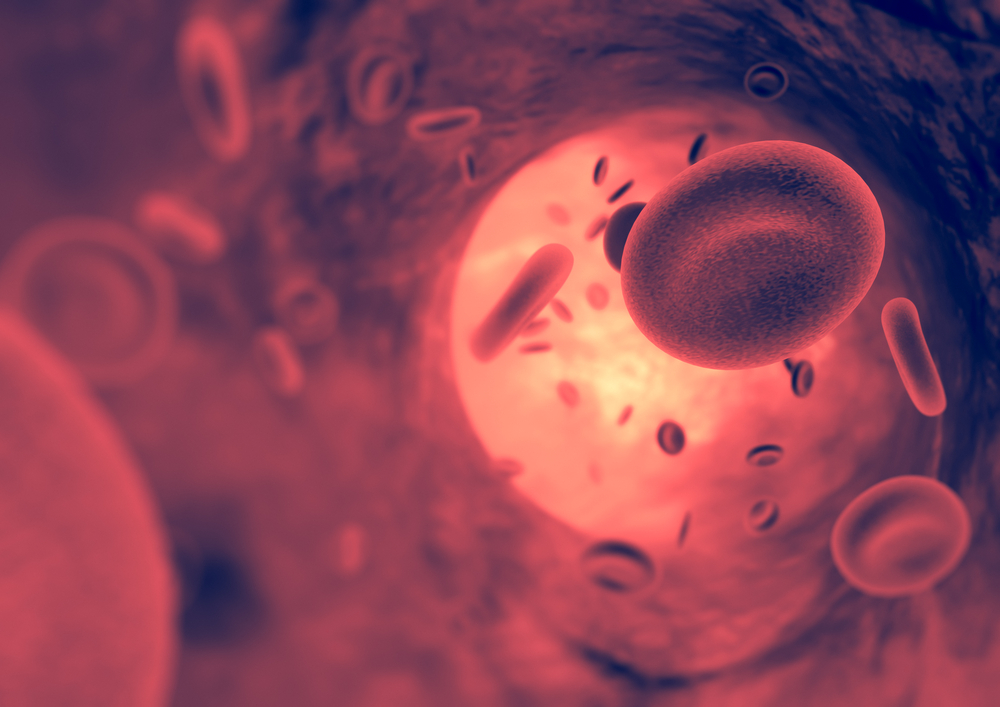
When bacteria break down hemoglobin in the blood, sulfur compounds are released.
This can give the skin a greenish color.
Also read: Common sugar alternative may affect brain blood vessels
Muscles become stiff after death
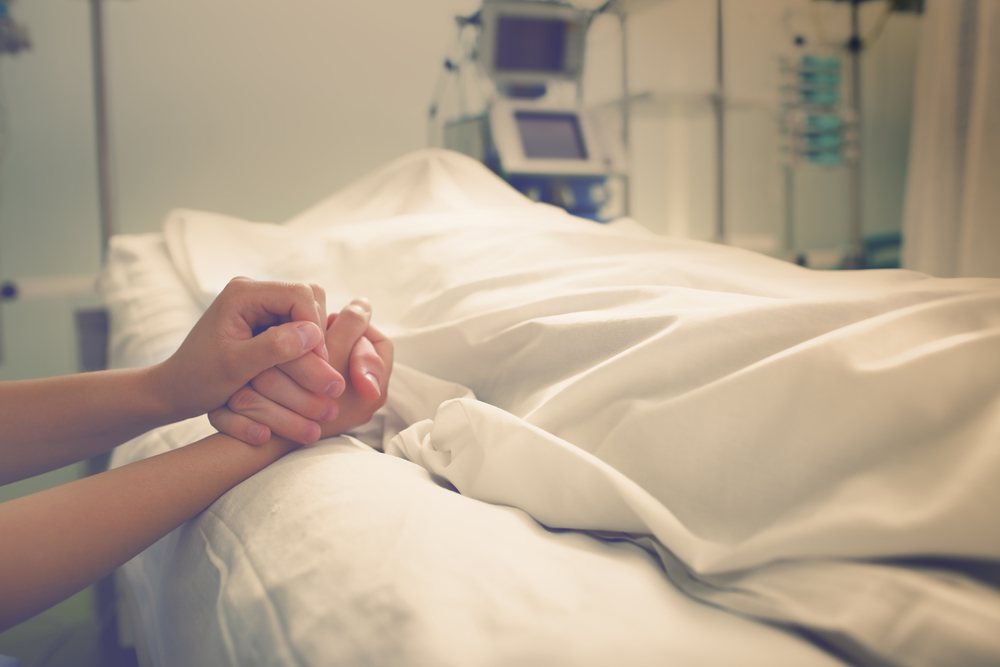
A few hours after death, rigor mortis occurs, causing the muscles to become stiff.
This happens because the body’s energy reserves, which normally keep the muscles relaxed, are depleted.
The stiffness disappears again after a few days

Around two days after death, the muscles begin to soften again.
This happens because the tissues continue to break down.
Also read: How a daily intake of granola affects your body
The brain may still be active shortly after death
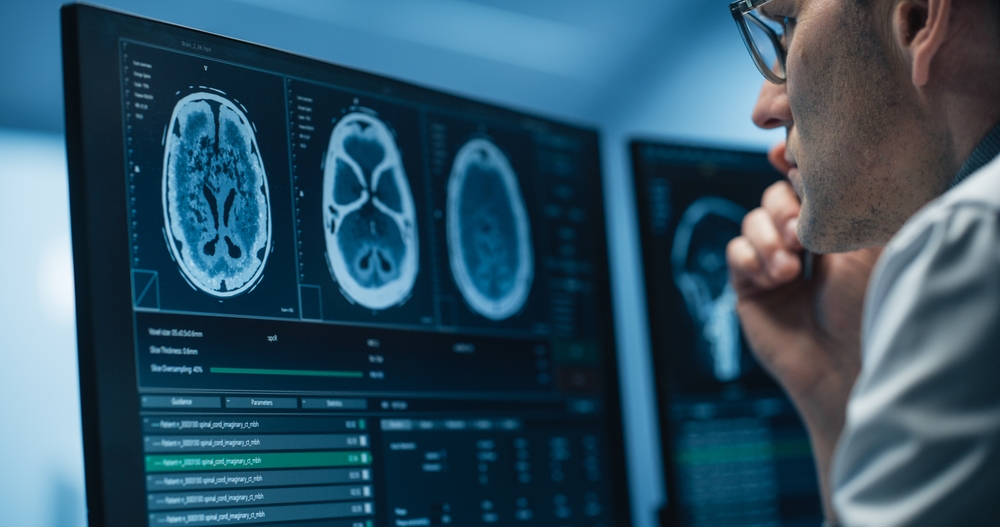
Even after cardiac arrest, the brain can show signs of activity for a short time.
Research has shown that there can be a sharp increase in brain activity in the first seconds after cardiac arrest.
The body releases chemicals during the dying process
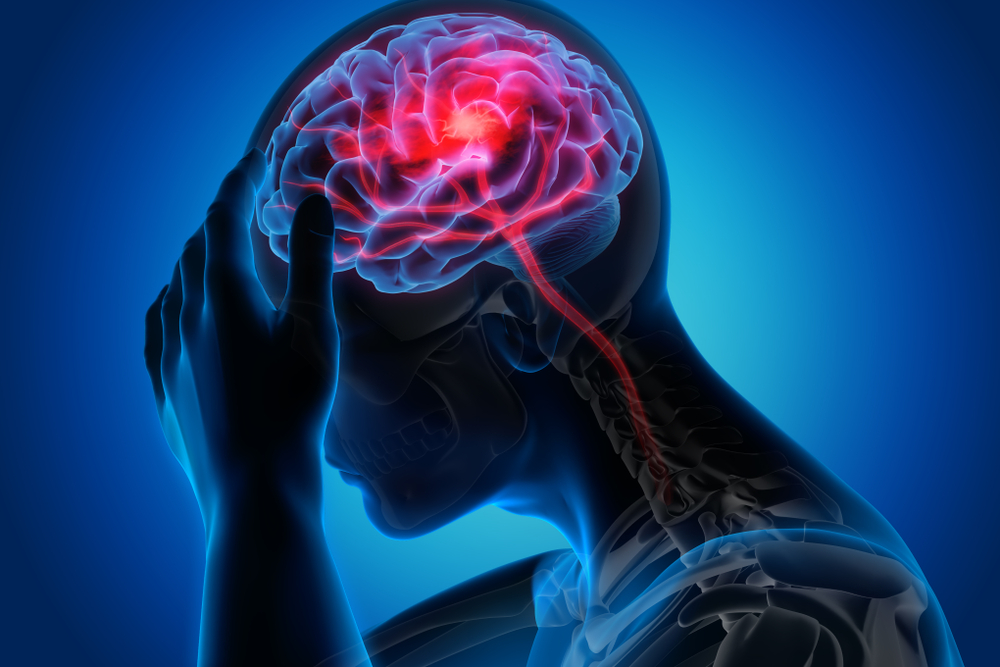
During the dying process, the body releases several substances, including endorphins and serotonin.
These chemicals can reduce pain and create feelings of calm.
Psychedelic substances may play a role
Researchers also believe that the substance DMT may be released in larger amounts during death.
The substance occurs naturally in the brain and can strongly affect the senses and consciousness.
Stress hormones may increase awareness
During extreme stress, the body also releases adrenaline and noradrenaline.
These hormones increase alertness and may possibly contribute to experiences where people feel as if their entire life is passing before their eyes.
Near-death experiences are reported by many patients

People who have been clinically dead and later resuscitated often report peaceful feelings, out-of-body experiences, or seeing bright light.
In a study published in Resuscitation, around 40 percent of resuscitated cardiac arrest patients reported some form of awareness during clinical death.
Researchers are still trying to understand consciousness at death

Although science has identified several biological and chemical processes at the moment of death, many questions remain unanswered.
Experiences close to death vary greatly from person to person, and there is still no definitive explanation for the role of consciousness after cardiac arrest.
Sources: Psychology Today, and Resuscitation.