
How do food, exercise, sleep, and stress actually affect blood sugar levels? That is what 33-year-old journalist Alexa Mellardo wanted to find out by wearing a continuous glucose monitor for 30 days.
According to Parade, the experiment revealed several surprising insights into how the body responds to everyday habits.
Stress can cause blood sugar levels to rise

On particularly busy workdays, Alexa Mellardo noticed that her blood sugar levels could rise even when she had not eaten.
According to endocrinologist Mandip Rawla, psychological stress can affect blood sugar levels because the body releases stress hormones.
Also read: How eating eggs five times a week may lower your Alzheimer's risk
The same food can affect blood sugar differently

One of the biggest surprises was that the same food did not necessarily produce the same response every time.
When she ate a lunch that included chicken salad and ravioli salad, her blood sugar levels rose significantly.
The following day, she ate a smaller portion of ravioli salad, which caused only a moderate increase.
Sleep also plays a role

Mellardo noticed that her blood sugar levels were higher than normal on some nights.
Also read: Research reveals how to build muscle more effectively after 40
She wondered whether this could be related to restless dreams or nightmares.
According to Mandip Rawla, poor sleep can affect the body's stress hormones and, consequently, blood sugar levels.
Sushi caused a rapid rise in blood sugar

One evening, Mellardo ate a California roll and experienced a rapid increase in blood sugar shortly afterward.
Dietitian Danielle Hildreth explained that the white rice used in sushi contains relatively little fiber and is therefore typically digested quickly.
Also read: These sleep mistakes could be affecting your mood
The proportion of rice to vegetables and protein can also make a difference.
Exercise did not always produce the expected results

During two separate hikes, Mellardo recorded an increase in her blood sugar levels.
The first hike took place in the morning after she had consumed coffee and a small granola bar, while the second took place in the afternoon after both breakfast and lunch.
These experiences showed her that the body's response to physical activity is not always easy to predict.
Also read: Eating less protein could help you age more slowly, study suggests
Oat bran porridge caused a surprisingly large increase
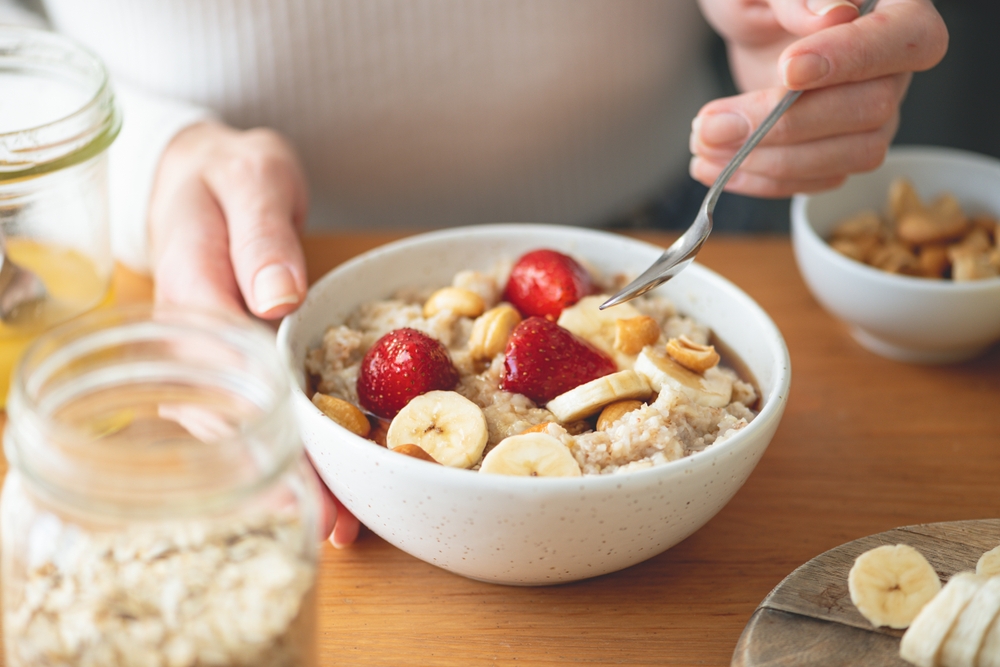
When Mellardo ate hot oat bran porridge, her blood sugar rose by 54 mg/dL.
The app recommended that she combine the meal with protein or healthy fats next time.
A brisk walk after eating was also suggested as a way to help maintain more stable blood sugar levels.
Homemade pancakes had almost no effect on blood sugar

Not all the meals Mellardo expected to affect her blood sugar caused significant fluctuations.
Also read: How much omega-3 do you actually need per day? The targets explained
Homemade pancakes were among the foods that produced relatively stable readings or allowed her blood sugar levels to return quickly to baseline.
The same was true of scrambled eggs with cheese and homemade tomato soup.
Hot baths affected her readings

During a wellness retreat, Mellardo noticed that her blood sugar levels temporarily increased after spending time in a hot pool.
She was surprised that something as simple as hot water could affect her readings.
According to Parade, research published in Psychological Reports has previously shown that hot water treatment can affect blood sugar levels.
Protein and fiber can make a difference

After the experiment, Mellardo began paying closer attention to the composition of her meals.
According to Danielle Hildreth, protein, fiber, and fat can help slow digestion and the rate at which glucose enters the bloodstream.
Combining different nutrients can therefore influence how blood sugar levels change after a meal.
A blood sugar spike does not necessarily mean a food is unhealthy

Mellardo learned that a significant rise in blood sugar does not automatically mean a particular food should be avoided.
Fruit, whole grains, and starchy vegetables, for example, can raise blood sugar levels even though they contain important nutrients.
According to Hildreth, it is therefore important to consider the overall diet rather than judging individual foods based on isolated readings.
She changed her eating habits after the experiment

The readings prompted Mellardo to think more carefully about how she put together her meals.
When ordering food or dining out, she began choosing dishes that offered a balance of carbohydrates, protein, fiber, and fat more often.
She also started adding salads or vegetables to meals such as pizza and pasta.
A continuous glucose monitor cannot diagnose a medical condition

Although Mellardo gained valuable insights into her habits, experts emphasize that glucose readings alone cannot be used to diagnose medical conditions.
According to Mandip Rawla, continuous glucose monitors are primarily used to identify patterns and help people with diabetes adjust their medication.
For people without diabetes, the readings can provide insights into how the body responds to different foods.
However, experts stress that the results should be evaluated alongside factors such as diet, symptoms, lifestyle, medical history, and standard blood tests.
This article is made and published by Ida-Marie Palm Varbæk, who may have used AI in the preparation.